


The issue gained prominence when a planning application for a new housing development in Somerset was delayed due to the presence of a protected bat species. As a result, developers are now faced with the responsibility of ensuring the safe relocation of these bats, a process that involves extensive surveys, habitat creation, and monitoring. This has led to increased discussions about conservation efforts and their impact on local development.
Experts argue that while protecting wildlife is crucial, the rising costs associated with rehoming bats could divert funds from other essential conservation projects. The situation has sparked a debate about the balance between development and environmental protection, with stakeholders on both sides calling for clearer guidelines and more efficient processes.
As of October 2023, local authorities are under pressure to find solutions that minimize costs while still adhering to legal protections for bats. The ongoing discussions may lead to policy changes that could impact future development projects across the country, such as those that adhere to the provisions outlined in the Wildlife and Countryside Act 1981.
Understanding the background of bat rehoming efforts
The issue of rehoming bats has gained significant attention in recent years, particularly as conservation efforts have intensified. Bats are protected under various environmental laws due to their crucial role in ecosystems, such as pest control and pollination. In the UK, the Wildlife and Countryside Act 1981 provides legal protection to bats, making it illegal to disturb them or their roosts without appropriate licenses. This legal framework has led to increased scrutiny of bat populations and their habitats, impacting construction and development projects across the country.
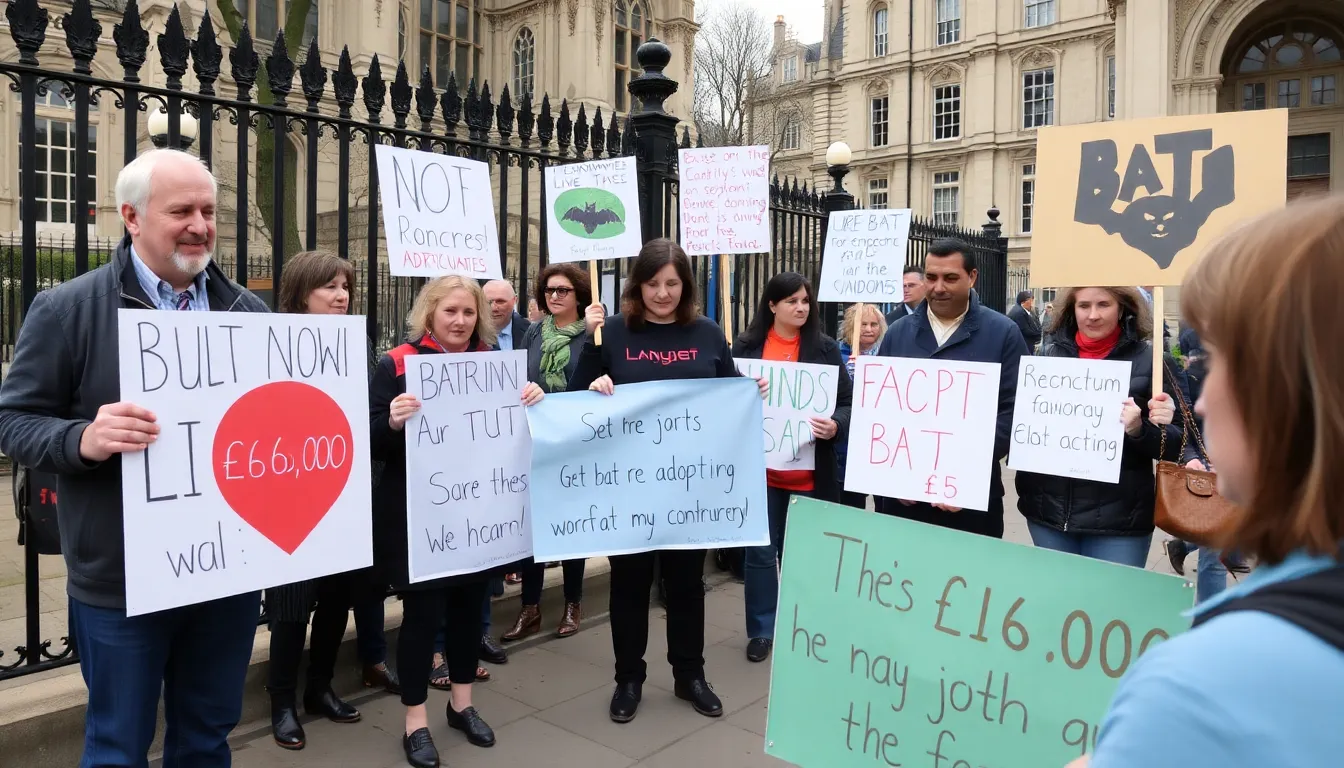
In recent years, the rise in urban development has brought bats into closer contact with human activities, often resulting in conflicts. As buildings are renovated or demolished, bat roosts are inadvertently disturbed, prompting the need for relocation. The cost of such rehoming efforts can be substantial, as they involve surveys, habitat assessments, and the installation of alternative roosting sites. The reported £166,000 cost of a recent rehoming project has raised eyebrows, highlighting the financial burden that conservation efforts can impose on developers and local authorities.
Key milestones in bat conservation
Over the past few decades, several key milestones have shaped the approach to bat conservation in the UK. The establishment of the Bat Conservation Trust in 1990 marked a significant turning point, as it aimed to protect bats and their habitats through research, advocacy, and public engagement. Furthermore, the introduction of the European Habitats Directive in 1992 reinforced the need for member states to protect endangered species, including bats. These legislative measures have set a precedent for the protection and rehoming of bats, creating a complex landscape for developers navigating conservation laws.
As public awareness of biodiversity and environmental sustainability has grown, so too has the expectation for responsible development practices. This shift in societal values has led to greater public scrutiny of projects that may harm bat populations, often resulting in community resistance against developments perceived as environmentally harmful. Consequently, the financial implications of complying with conservation laws, such as the recent £166,000 rehoming effort, have become a focal point in discussions about balancing economic growth with ecological responsibility.
Key stakeholders and issues surrounding bat relocation
The relocation of bats, particularly in the context of the reported £166,000 cost, brings together a range of stakeholders, each with distinct interests and concerns. These stakeholders include local government authorities, environmental organizations, wildlife conservationists, and the general public. Each group plays a vital role in the discussion surrounding the ethical and financial implications of bat rehoming.
Local government authorities are primarily concerned with compliance to environmental regulations and public safety. They must balance the need to protect wildlife with the potential costs and logistical challenges associated with relocating bat populations. This raises questions about the allocation of public funds, especially when taxpayers may be footing the bill for such endeavors.
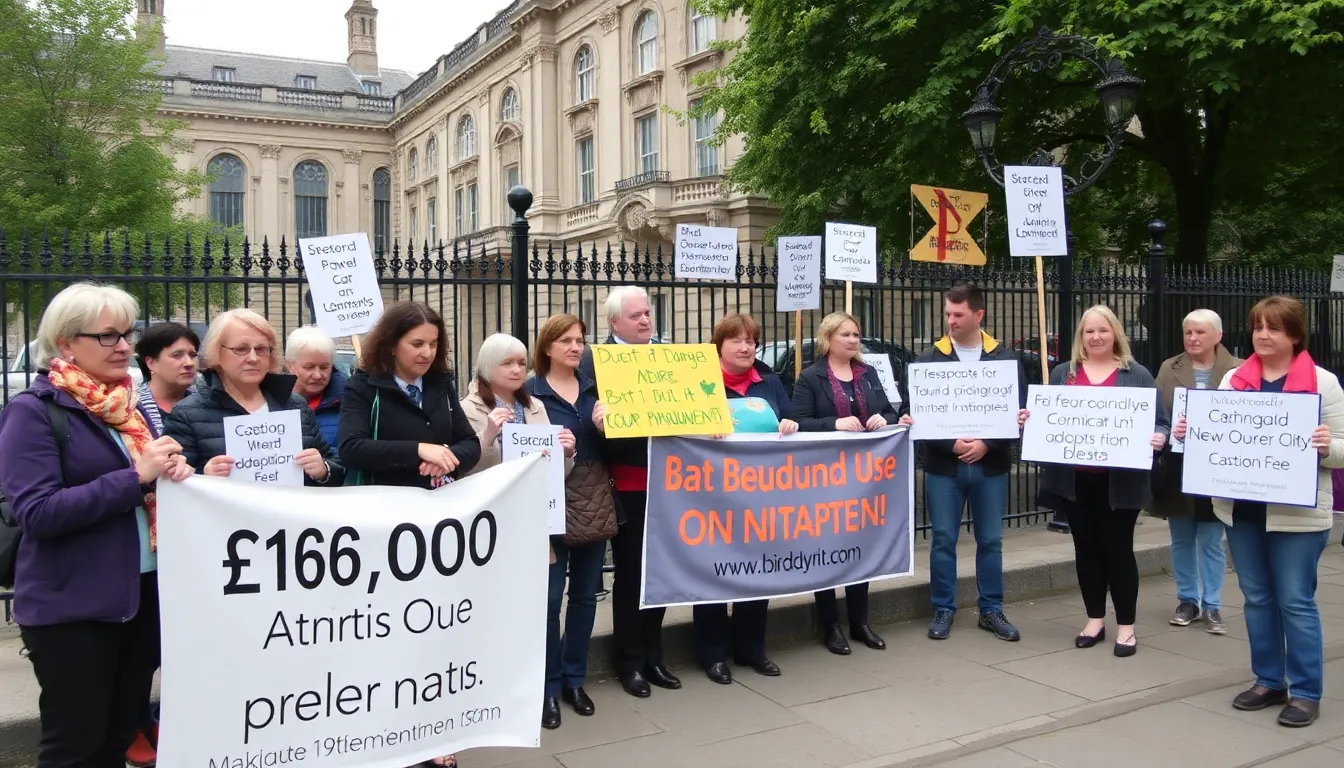
Environmental organizations and wildlife conservationists advocate for the protection of bats, which are essential to ecosystems as pollinators and pest controllers. Their interest lies in ensuring that any relocation is conducted humanely and effectively, minimizing harm to the bats and their habitats. However, they may also face conflicts with local governments over the methods and costs involved in the relocation process.
- Financial implications: The significant cost of £166,000 raises concerns about budget allocations and the prioritization of wildlife conservation versus other community needs.
- Legal frameworks: Various laws protect bat species, complicating relocation efforts and necessitating adherence to strict guidelines.
- Public perception: Community opinions may vary, with some residents supporting bat protection and others questioning the use of taxpayer money for such projects.
- Ecological impact: The relocation process itself may disrupt local ecosystems, prompting debates about the long-term effects on both bat populations and other wildlife.
- Alternative solutions: Stakeholders may need to explore other options, such as habitat preservation or modification, to mitigate the need for costly relocations.
In summary, the issue of bat relocation is multifaceted, involving a complex interplay of interests and challenges. The financial burden, legal obligations, and ecological impacts must all be considered as stakeholders navigate this contentious topic.
The impact of bat rehoming costs on local communities
The recent concerns surrounding the £166,000 cost of rehoming bats have far-reaching implications for various groups and industries. Local communities, environmental organizations, and property developers are among those most affected by the financial burden associated with the relocation of these protected species, which aligns with ongoing debates about the balance between economic growth and ecological responsibility.
In the short term, the high costs may lead to delays in construction projects, particularly in areas where bats are known to roost. Property developers and builders may face increased expenses and regulatory hurdles, which could slow down housing and infrastructure development. This situation could also create tension between developers and conservationists, as both parties navigate the complexities of environmental regulations.
In the mid-term, the financial implications could shift local government priorities, potentially leading to increased funding for wildlife conservation efforts. While this may strain budgets in other areas, it also presents an opportunity for communities to engage in more sustainable development practices. Local businesses may benefit from increased eco-tourism as communities promote their commitment to wildlife preservation.
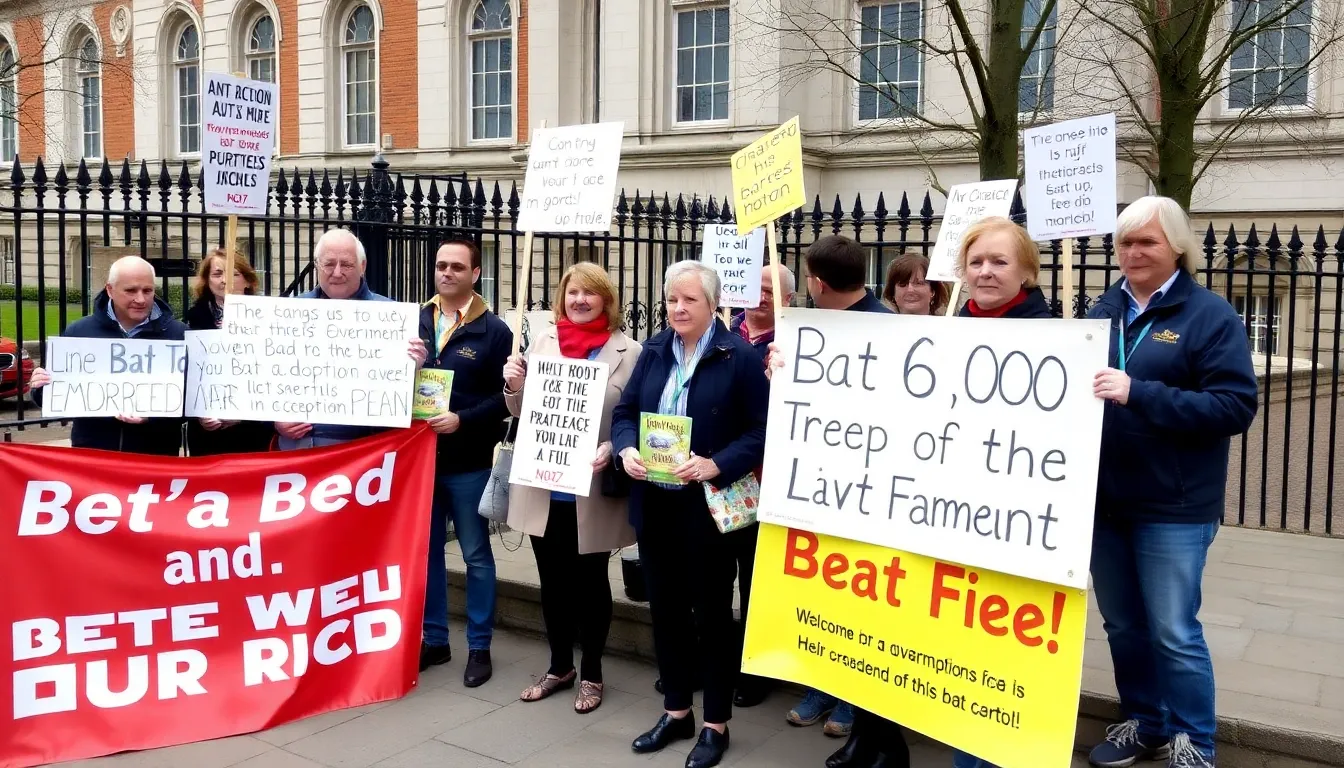
- Delays in construction and development projects
- Increased regulatory scrutiny for property developers
- Potential rise in eco-tourism opportunities
- Shift in local government funding priorities
While there are risks associated with the financial burden of rehoming bats, there are also opportunities for innovation in sustainable practices and community engagement. Local businesses can capitalize on the growing interest in wildlife conservation, potentially leading to new markets and partnerships. As communities adapt to these challenges, they may find ways to balance development with environmental stewardship, fostering a healthier relationship with local ecosystems.
A: The cost is driven by various factors including habitat restoration, specialized care, and the need for expert consultation. These expenses can accumulate quickly, leading to significant financial implications. A: Typically, local authorities and conservation organizations share the financial burden. However, funding may also come from government grants and community donations. A: Failing to rehome bats can lead to ecological imbalances, as bats play a crucial role in pest control and pollination. Additionally, it may result in legal repercussions due to wildlife protection laws. A: Alternatives may include habitat modification or enhancement to make existing environments more suitable for bats. However, these options require careful planning and consideration of ecological impacts. A: Community members can participate in local conservation efforts by volunteering, donating to wildlife organizations, or advocating for policies that support bat protection and habitat preservation.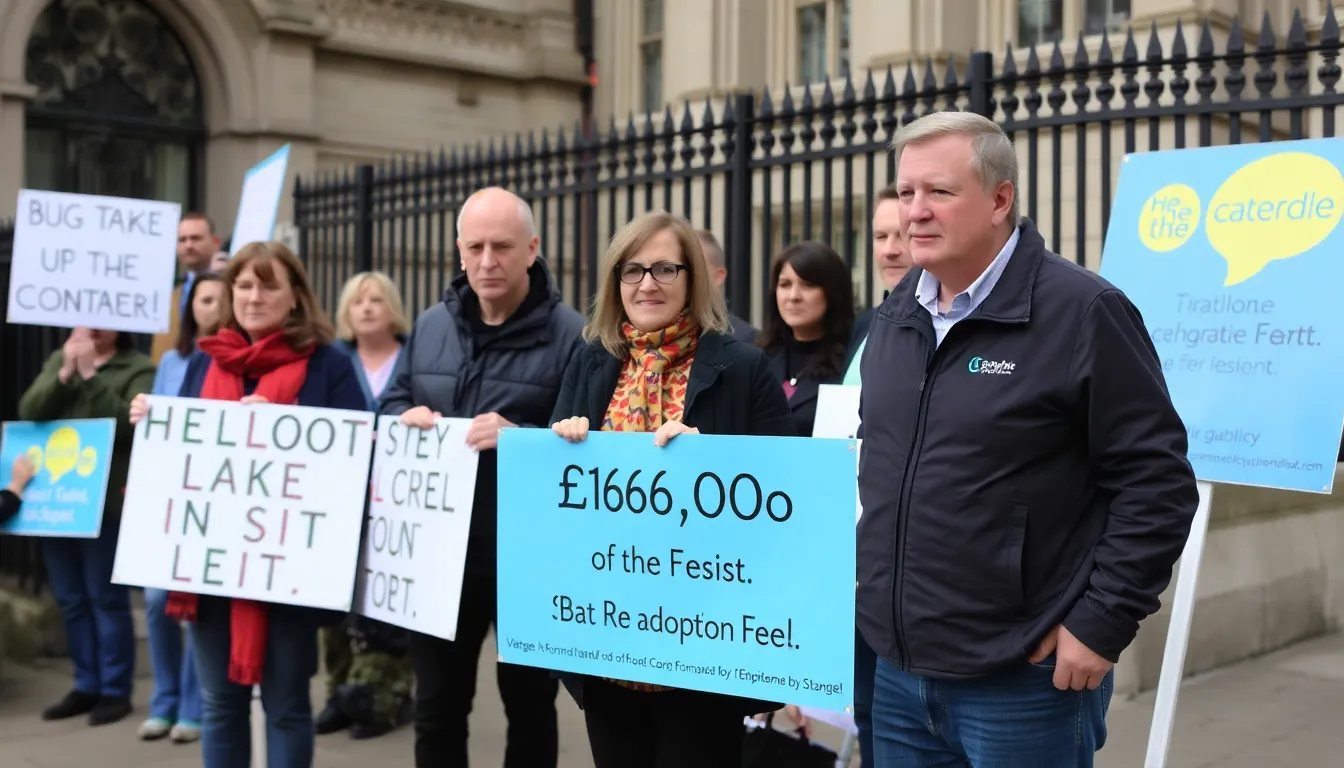
Frequently asked questions about bat rehoming costs
Key insights and future outlook on bat rehoming
The recent discussions surrounding the £166,000 cost associated with rehoming bats have raised significant questions about wildlife management and conservation funding. As urban developments continue to encroach on natural habitats, understanding the financial implications and ethical considerations of such rehoming efforts becomes increasingly crucial. Stakeholders must navigate the balance between environmental responsibility and economic feasibility.
Moving forward, it is essential to monitor how these costs affect future wildlife conservation initiatives and public perceptions of environmental stewardship. The outcome of this situation could set precedents for similar cases, influencing policy decisions and funding allocations in wildlife management.
- Increased scrutiny on wildlife relocation costs: Expect more public debate on the financial aspects of wildlife conservation efforts.
- Potential for policy changes: This case may lead to revisions in regulations regarding the protection and relocation of wildlife.
- Impact on urban development projects: Developers may face stricter guidelines and higher costs associated with environmental assessments.
- Public awareness and education: There may be a rise in community initiatives aimed at educating the public about local wildlife and conservation needs.
- Long-term funding strategies: The situation could prompt discussions on sustainable funding models for wildlife conservation programs.