


Local wildlife officials and conservationists are currently assessing the impact of the floods on the orangutan population, which is already threatened by habitat loss and poaching. To learn more about the efforts aimed at protecting these animals, visit this link.
Additionally, the floods have hindered conservation efforts in the area. Organizations dedicated to protecting the Sumatran orangutan are struggling to reach affected regions due to blocked roads and dangerous conditions. This situation underscores the urgent need for immediate action to protect these vulnerable apes and their habitat, as highlighted in related articles.
The potential loss of Sumatran orangutans would not only be a significant blow to biodiversity but also to the ecological balance of the region. As apex predators, their decline could have cascading effects on the ecosystem, highlighting the importance of addressing the ongoing threats posed by climate change and habitat destruction.
Understanding the habitat and significance of Sumatran apes
The Sumatran ape species, particularly the critically endangered Sumatran orangutan, is emblematic of the rich biodiversity found in Indonesia’s rainforests. These apes play a crucial role in their ecosystem by aiding in seed dispersal, which helps maintain the health of the forest. However, their habitat has been severely threatened by deforestation, agricultural expansion, and climate change, leading to a precarious situation for their survival.
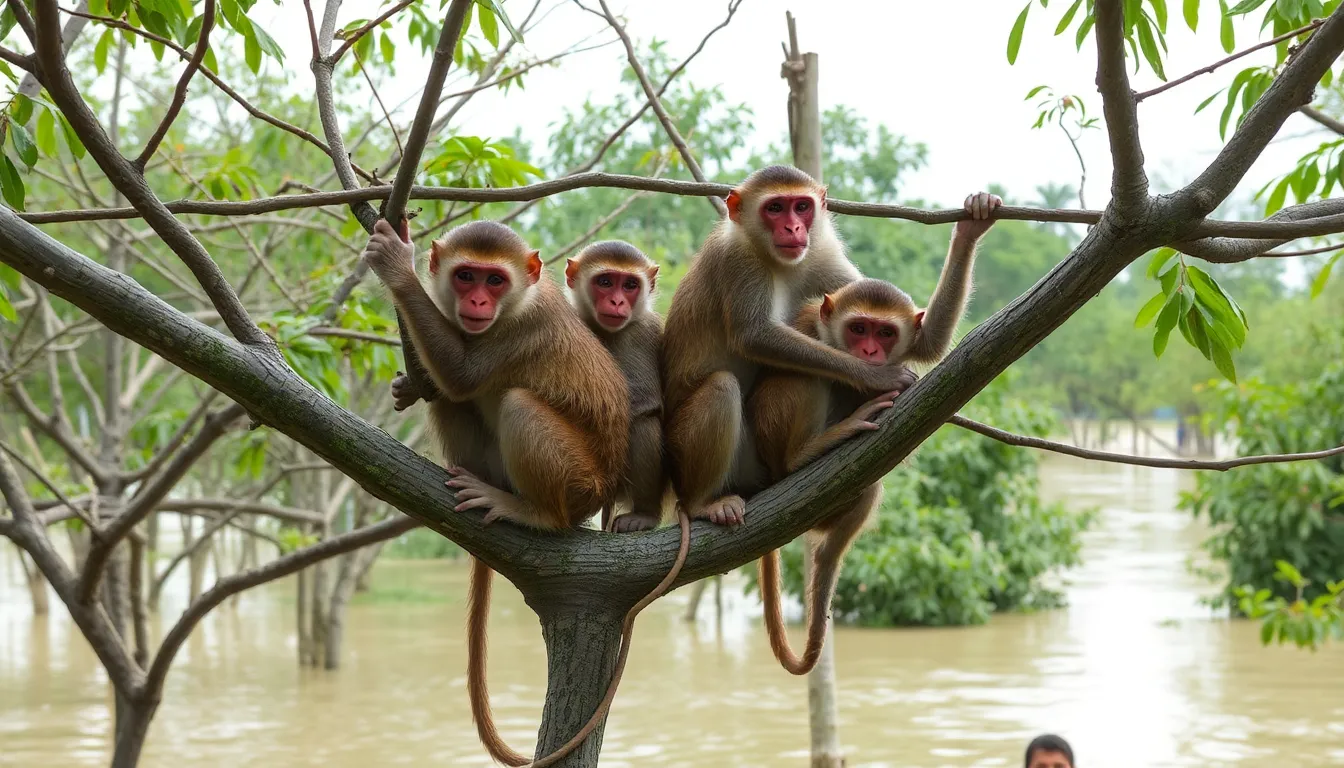
Historically, the Sumatran orangutan population has faced dramatic declines due to human activities. In the late 20th century, large swathes of rainforest were cleared for palm oil plantations, logging, and infrastructure development. The Indonesian government’s policies, often prioritizing economic growth over environmental conservation, have exacerbated this issue, leading to habitat fragmentation and increased human-wildlife conflict.
The impact of natural disasters
In addition to human-induced threats, natural disasters have also played a significant role in the decline of Sumatran apes. Recent floods, exacerbated by climate change, have swept through regions of Sumatra, raising fears that many of these rare primates may have been caught in the deluge. These floods not only destroy their habitat but also isolate populations, making it difficult for them to find food and mates, further jeopardizing their survival.
The combination of these factors has led to a critical juncture for the Sumatran orangutan. Conservation efforts have been hampered by ongoing environmental degradation, and the urgency to address both human and natural threats has never been more pressing. As the world watches, the fate of these rare apes hangs in the balance, emphasizing the significant role of organizations like those mentioned here in the fight for their survival.
Key stakeholders and the challenges they face in conservation efforts
The recent floods in Sumatra have raised significant concerns regarding the survival of the world’s rarest apes, the Sumatran orangutans. Several key stakeholders are involved in the conservation efforts of these endangered species, each with distinct interests and challenges. The primary actors include local communities, environmental NGOs, government agencies, and international conservation organizations.
Local communities are often at the forefront of conservation efforts, as they depend on the land for their livelihoods. Their interests lie in balancing economic development with environmental sustainability. However, they face challenges such as land use conflicts, where agricultural expansion may threaten the habitats of the orangutans. The need for economic growth can lead to tensions between conservation goals and community needs.
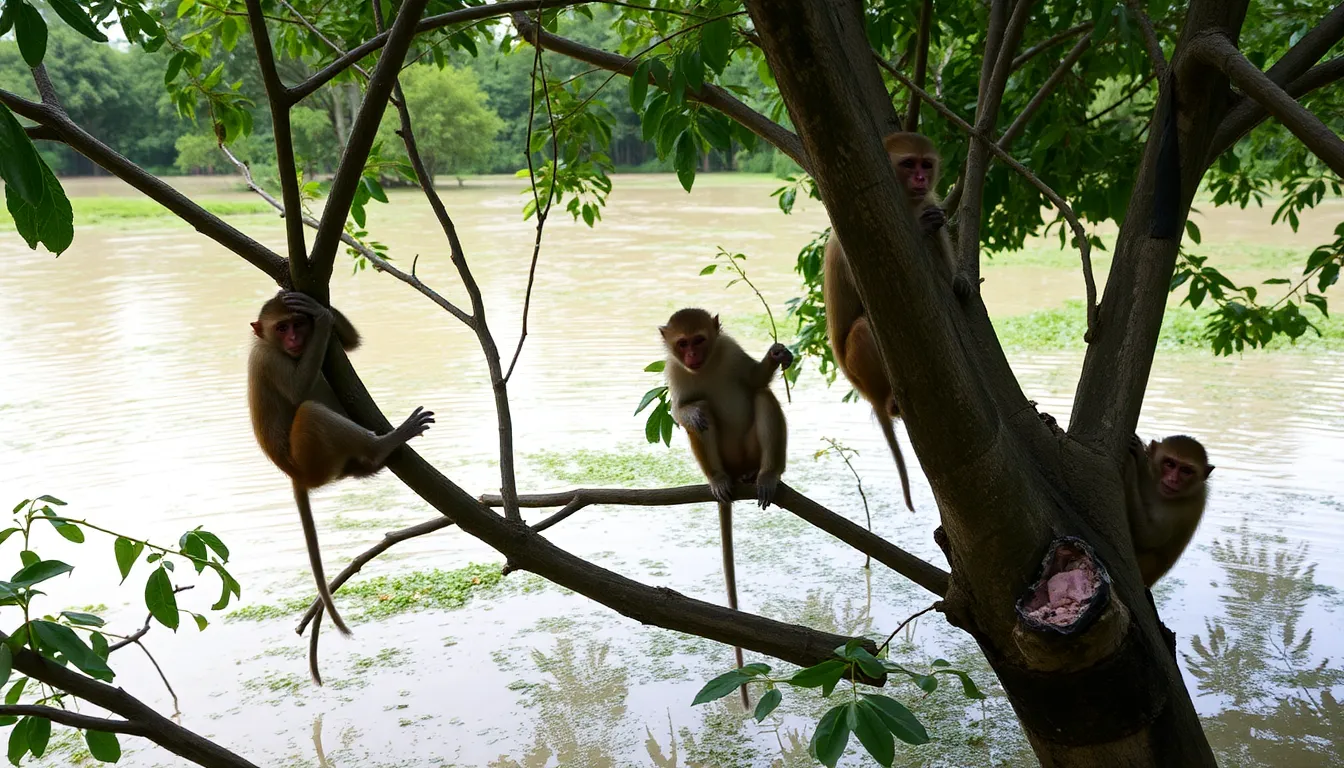
Environmental NGOs play a crucial role in advocating for the protection of the Sumatran orangutans. Organizations such as the World Wildlife Fund (WWF) and the Orangutan Foundation International work to raise awareness, provide funding, and implement conservation programs. Their interests are centered on preserving biodiversity and ensuring the survival of endangered species. However, they often encounter obstacles such as limited resources and the need for collaboration with local governments and communities.
Government agencies, both local and national, are responsible for enforcing environmental regulations and managing protected areas. Their interests include promoting sustainable development while ensuring compliance with international conservation agreements. However, bureaucratic challenges and insufficient funding can hinder effective conservation efforts. Additionally, the pressure to develop infrastructure and boost the economy can conflict with the need to protect natural habitats.
- Local communities face economic pressures that may conflict with conservation efforts.
- Environmental NGOs require collaboration and funding to implement effective programs.
- Government agencies must balance development goals with environmental protection.
- International organizations advocate for global awareness and support for conservation.
- Legal frameworks may not adequately protect endangered species from habitat destruction.
The potential ecological and social impacts of ape population decline
The recent floods in Sumatra have raised alarms not only for the survival of the world’s rarest apes but also for the various groups and industries that depend on the ecological balance of the region. Indigenous communities, conservation organizations, and the tourism industry are among those most affected by the potential decline of these unique primates.
In the short term, local communities that rely on the surrounding forests for their livelihoods may face immediate challenges. The destruction of habitats can lead to a decrease in resources such as food and medicinal plants, which are vital for the daily lives of these communities. Additionally, conservation efforts may require increased funding and resources, placing a strain on local economies.
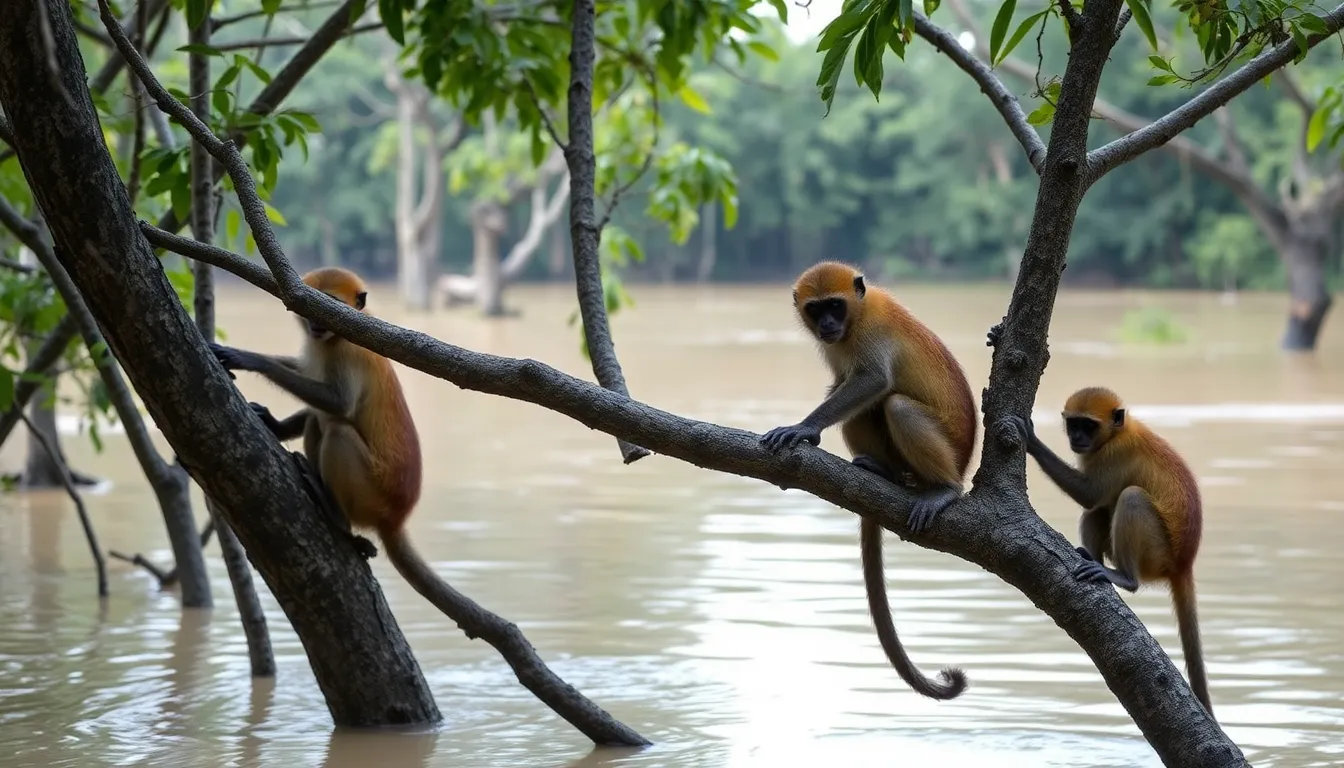
Mid-term impacts may include shifts in tourism patterns, as visitors seeking to experience the rich biodiversity of Sumatra may choose alternative destinations if the ape populations dwindle. This could lead to a decline in revenue for businesses that cater to eco-tourists, such as hotels, guides, and local artisans. Furthermore, policy changes may arise as governments and organizations push for stricter conservation measures, potentially disrupting local industries.
- Loss of biodiversity impacting ecosystem services.
- Economic strain on communities dependent on natural resources.
- Shifts in tourism affecting local businesses.
- Increased conservation funding and policies.
While the risks are significant, there are also potential opportunities for innovation and collaboration. The crisis may spur new conservation initiatives that involve local communities, creating jobs and fostering sustainable practices. Additionally, increased awareness of the plight of these apes could lead to greater global support for conservation efforts, benefiting both the environment and local economies in the long run.
A: The floods primarily threaten the Sumatran orangutan, which is critically endangered and relies on the forest for survival. A: Floods can destroy the trees and vegetation that provide food and shelter for the apes, making it difficult for them to survive. A: Conservation organizations are working on habitat restoration and protection efforts, but funding and resources are limited. A: Individuals can support conservation organizations, raise awareness, and advocate for policies that protect wildlife habitats. A: Yes, habitat loss due to deforestation, poaching, and illegal wildlife trade are also significant threats to their survival.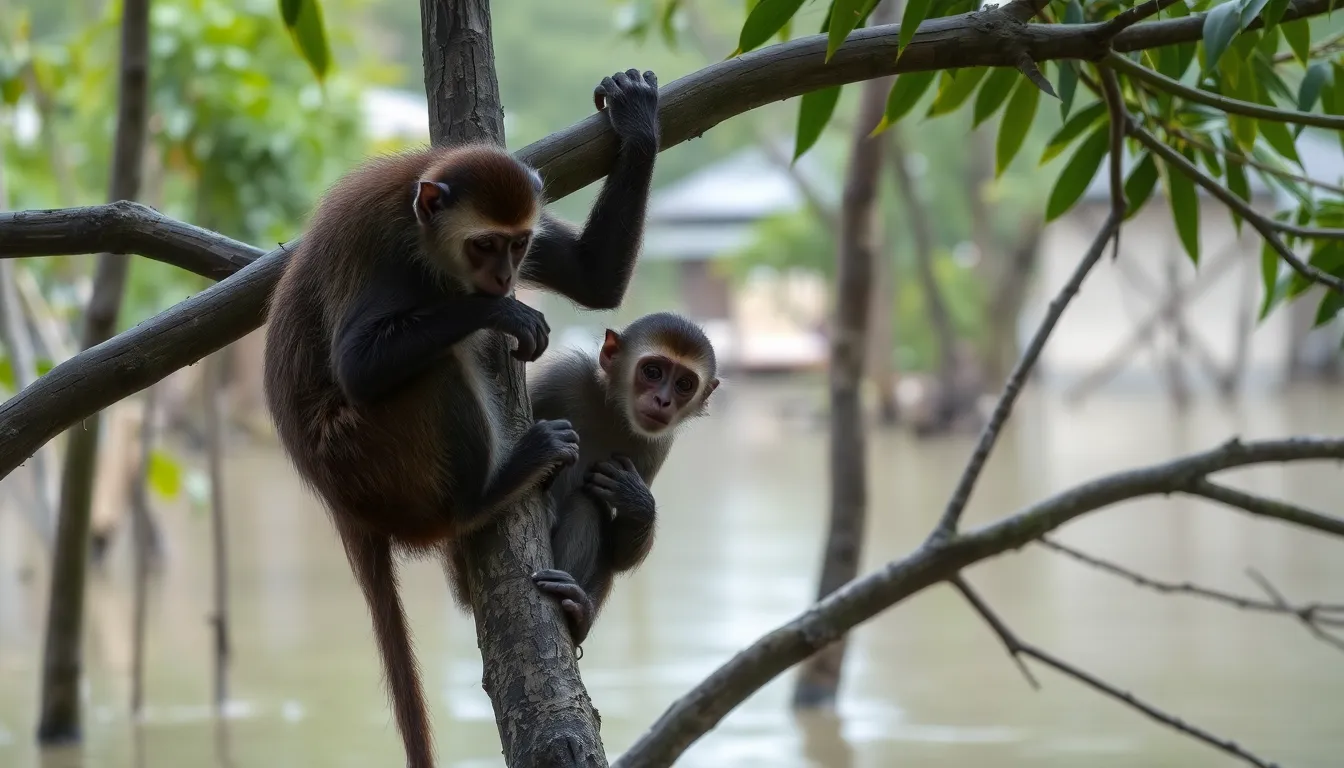
Frequently asked questions about Sumatran apes and floods
Looking ahead: conservation strategies and future outlook
The recent floods in Sumatra have raised significant concerns about the survival of the world’s rarest apes, highlighting the urgent need for effective conservation strategies. As climate change intensifies, the frequency and severity of such natural disasters are likely to increase, posing a continuous threat to biodiversity. It is crucial for conservationists and policymakers to act swiftly to safeguard these vulnerable species and their habitats.
Moving forward, collaborative efforts among governments, NGOs, and local communities will be essential in implementing sustainable practices that mitigate the impact of environmental changes. Monitoring populations and habitat restoration initiatives will play a vital role in ensuring the survival of these apes and maintaining ecological balance.
- Increased funding for habitat preservation and restoration projects will be critical in the wake of natural disasters.
- Strengthening local community involvement in conservation efforts can foster sustainable practices and enhance biodiversity protection.
- Ongoing research and monitoring of rare ape populations will help track recovery and inform future conservation strategies.
- International collaboration may be necessary to address the broader implications of climate change on wildlife habitats.
- Public awareness campaigns can play a significant role in garnering support for conservation initiatives and protecting endangered species.