


Notable chess events, such as the 2020 Online Chess Olympiad and the rise of influencers like Hikaru Nakamura, have contributed to this trend. As players engage with these puzzles on social media, they foster a community that thrives on creativity and problem-solving. Many enthusiasts are now dedicating time to explore these unconventional challenges, further embedding them into the fabric of modern chess culture. For more on social media’s impact on communities, check out our article about teen social media bans.
As of October 2023, various online platforms are hosting puzzles that not only test technical skills but also encourage out-of-the-box thinking. Chess websites report a significant increase in user engagement, with quirky puzzles generating thousands of interactions daily. This phenomenon highlights a shift in how chess is perceived, moving away from solely competitive play to a more playful and creative approach.
The appeal of these puzzles also lies in their accessibility; they invite participation from a broader audience, including those who may not consider themselves serious players. By integrating humor and creativity, these challenges make chess more approachable and enjoyable. Consequently, they play a crucial role in attracting new players and sustaining interest in the game. This shift resembles cultural analyses seen in explorations of cultural significance.

Understanding the origins and evolution of chess puzzles
Chess puzzles have a rich history that dates back centuries, intertwining with the game’s own development. Originating in India around the 6th century, chess evolved through various cultures, leading to the modern game we recognize today. As the game spread to Persia and then to Europe, the concept of chess problems began to emerge, allowing players to engage with the game in new and innovative ways.
In the 19th century, the formalization of chess puzzles gained momentum, coinciding with the rise of chess as a popular pastime among the European elite. This era saw the establishment of chess clubs and the publication of chess literature, including problem books that featured composed puzzles. These works not only showcased the creativity of composers but also served as instructional tools for players looking to improve their skills.
The role of chess in society
Chess has long been more than just a game; it has served as a reflection of societal values and intellectual pursuits. During the Cold War, chess became a symbol of ideological competition, particularly with the famous matches between American and Soviet players. This heightened interest in chess also led to an increase in the popularity of chess puzzles, as enthusiasts sought to emulate the strategic thinking exhibited by grandmasters.
In recent years, the advent of technology has transformed the landscape of chess puzzles. Online platforms and mobile applications have made these puzzles more accessible to a global audience, allowing players of all skill levels to engage with them. This digital revolution has not only revitalized interest in traditional puzzles but has also inspired the creation of quirky and unconventional challenges that appeal to a broader demographic.

Today, chess puzzles continue to evolve, reflecting changes in culture and technology. They serve as both a form of entertainment and a means of enhancing cognitive skills, promoting critical thinking and problem-solving abilities. As the world embraces these quirky challenges, they invite players to not only solve problems but also to appreciate the artistry and creativity inherent in the game of chess.
Key stakeholders and the significance of creative problem-solving in chess
Chess puzzles, particularly the quirky ones that challenge conventional thinking, engage a diverse group of stakeholders. These include chess enthusiasts, educational institutions, puzzle creators, and online platforms that host such challenges. Each of these actors has distinct interests that contribute to the broader chess community and its evolution.
Chess enthusiasts are often the primary audience for these puzzles. They seek not only entertainment but also cognitive challenges that enhance their strategic thinking. For them, quirky chess puzzles serve as a means to improve their skills while enjoying the game in a novel way. Educational institutions also play a role, as they may incorporate chess puzzles into curricula to foster critical thinking and problem-solving skills among students.
Online platforms, such as chess websites and mobile applications, have a vested interest in curating engaging content that attracts users. By offering quirky puzzles, these platforms can differentiate themselves in a competitive market, potentially increasing user engagement and subscription rates. Puzzle creators, on the other hand, aim to gain recognition and possibly monetize their innovative designs, contributing to the creative landscape of chess. This dynamic is similar to trends discussed in the music scene, such as Rush’s rise to hipster fame.

- Conflict of Interests: While enthusiasts seek challenging content, creators may prioritize novelty over difficulty, leading to potential dissatisfaction among users.
- Trade-offs in Education: Educational institutions must balance the entertainment value of puzzles with their educational objectives, ensuring that puzzles align with learning outcomes.
- Legal and Economic Issues: The ownership of puzzle designs and copyright concerns can create friction between creators and platforms, impacting the distribution of content.
Ultimately, the interplay between these stakeholders shapes the landscape of chess puzzles, as they navigate conflicts and trade-offs while promoting the significance of creative problem-solving in the game. Understanding these dynamics can enhance appreciation for the intricate world of chess beyond the board itself.
How quirky chess puzzles influence players and the chess community
Quirky chess puzzles have a unique impact on various groups, particularly chess enthusiasts, educators, and the gaming industry. Players of all ages are drawn to these unconventional challenges, which stimulate creative thinking and problem-solving skills. The chess community, including clubs and online platforms, also experiences a surge in engagement as these puzzles attract new members and rekindle interest among seasoned players.
In the short term, the popularity of quirky chess puzzles can lead to increased participation in local tournaments and online competitions. Schools incorporating these puzzles into their curricula may notice improved cognitive skills among students, fostering a love for the game. However, there is a risk that traditional chess purists may view these puzzles as trivializing the game, potentially creating divides within the community.
In the mid-term, businesses in the chess industry, such as publishers and app developers, could see a rise in demand for innovative chess materials and mobile applications tailored to these quirky challenges. This shift may encourage new partnerships between educational institutions and chess organizations, promoting chess as a tool for learning. Conversely, the focus on quirky puzzles might overshadow the development of foundational skills, leading to concerns about the overall quality of chess education.
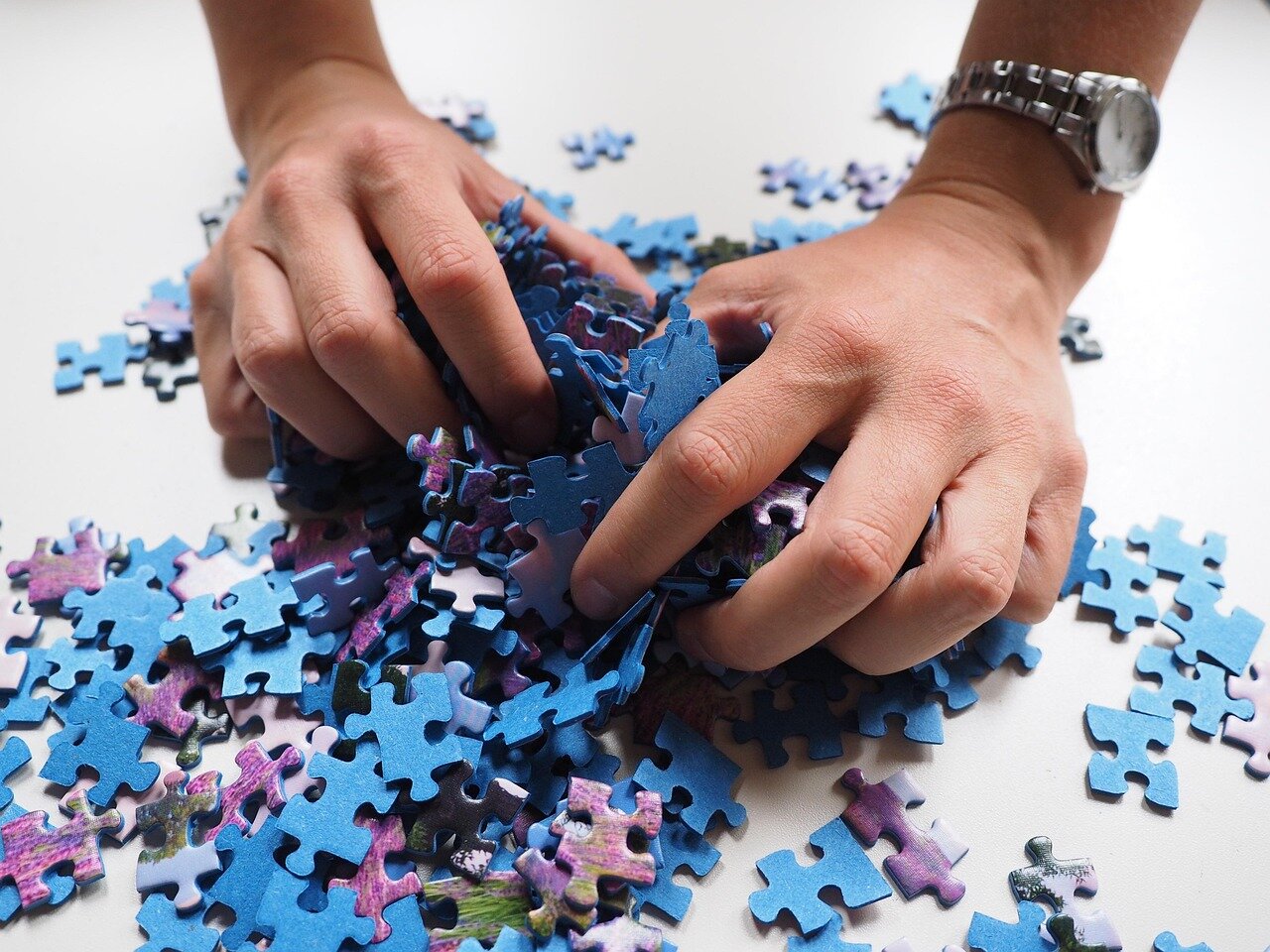
- Increased engagement: More players participating in events and online platforms.
- Educational benefits: Enhanced cognitive skills among students through puzzle-solving.
- Market opportunities: Growth in demand for innovative chess products and applications.
- Community divides: Potential conflict between traditionalists and modern puzzle enthusiasts.
Ultimately, the quirky chess puzzle phenomenon presents both challenges and opportunities for the chess community and related industries. As these puzzles continue to gain traction, their influence will shape the future of chess in diverse and unexpected ways.
A: Quirky chess puzzles are unconventional challenges that often involve unique or humorous scenarios on the chessboard, designed to test creativity and strategic thinking. A: Engaging with quirky chess puzzles can enhance your problem-solving skills, improve pattern recognition, and make learning chess more enjoyable. A: Yes, quirky chess puzzles cater to a wide range of skill levels, from beginners to advanced players, making them accessible and fun for everyone. A: You can find quirky chess puzzles in various chess books, online platforms, and chess apps that specialize in creative and unconventional challenges. A: While most quirky chess puzzles adhere to standard chess rules, they often introduce creative twists that challenge conventional thinking.
Frequently asked questions about quirky chess puzzles
Key takeaways and the future of chess puzzles
The growing popularity of quirky chess puzzles reflects a broader trend in how chess is being approached in the modern era. These puzzles not only challenge traditional thinking but also invite players of all levels to engage with the game in a more playful and creative manner. As chess continues to evolve, the integration of unconventional puzzles could redefine strategies and learning methodologies within the chess community.
Looking ahead, the implications of these puzzles extend beyond mere entertainment; they could foster a new generation of players who appreciate the depth and creativity of chess. Observing how these puzzles influence competitive play and player engagement will be essential for understanding their long-term impact on the game.
- Expect an increase in the variety of chess puzzles available, catering to diverse skill levels and interests.
- Monitor how quirky puzzles influence training methods and educational tools in chess clubs and schools.
- Watch for potential collaborations between puzzle creators and chess platforms to enhance user experience.
- Consider the psychological effects of engaging with unconventional puzzles on player creativity and problem-solving skills.
- Stay informed about the evolution of chess tournaments that may incorporate these innovative puzzle formats.