


This documentary, The Python Hunt, sheds light on these issues, showcasing the complexities involved in managing invasive species.
Critics of the culling argue that the approach may not be sustainable in the long term, as it fails to address the root causes of the invasive species problem. Environmentalists emphasize the need for comprehensive strategies that include habitat restoration and public education. Meanwhile, proponents of the culling assert that immediate action is necessary to protect Florida’s native wildlife and preserve biodiversity.
As the debate continues, the documentary highlights the broader implications of human intervention in nature and the challenges of balancing ecological health with human interests. With the culling program ongoing, the situation remains dynamic, drawing attention from conservationists, policymakers, and the public alike.
Understanding the Background of Python Invasions
The introduction of the Burmese python (Python bivittatus) to Florida’s Everglades ecosystem has become a significant environmental concern over the past few decades. Originally native to Southeast Asia, these large constrictor snakes were brought to the United States as exotic pets. However, due to irresponsible ownership and the aftermath of hurricanes, many pythons escaped or were released into the wild, leading to their establishment in the Everglades.
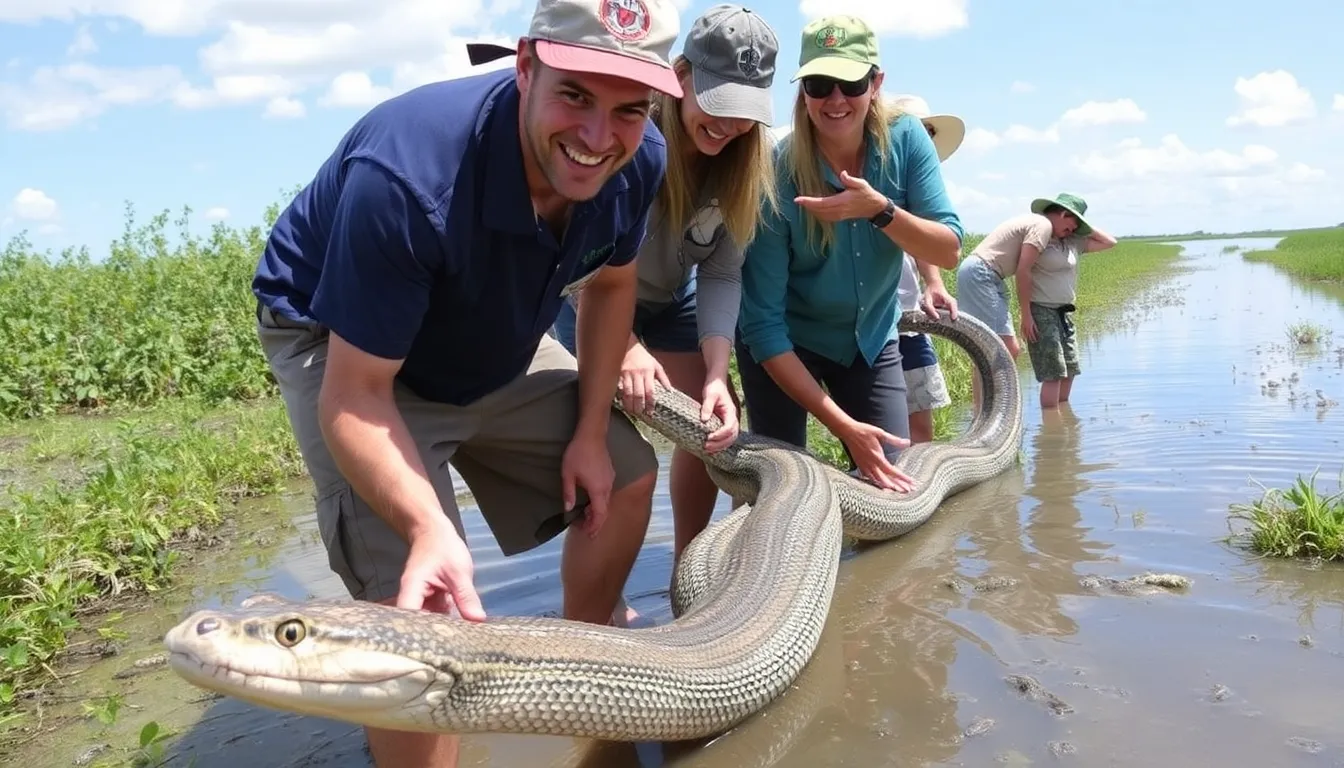
By the early 2000s, the python population in Florida had exploded, resulting in severe ecological consequences. These snakes are apex predators, and their presence has led to a dramatic decline in local wildlife, including small mammals and birds. The Florida Fish and Wildlife Conservation Commission (FWC) recognized the urgent need to address this issue, prompting the state to declare the Burmese python an invasive species in 2010.
The controversial “Python Challenge” initiated in 2013 is part of a broader discussion on how community engagement can play a role in conservation efforts, as highlighted in our article on Shaw winning the Women’s Player of the Year award.
Political and Economic Implications
The culling of pythons has sparked a complex debate involving environmental policy, animal rights, and economic interests. While some view the culling as a necessary step to protect Florida’s native ecosystems, others argue that it raises ethical concerns regarding the treatment of animals and the effectiveness of such measures. Additionally, the tourism industry, which thrives on Florida’s unique wildlife, faces challenges as the ecological balance shifts due to the presence of invasive species.
As the situation evolves, it remains crucial to examine the broader implications of the python invasion and the responses it has elicited from both state authorities and the public. Understanding the historical context and the factors that led to the current crisis can provide valuable insights into potential solutions and the ongoing struggle to preserve Florida’s natural heritage.
Key Stakeholders and Their Perspectives
The documentary ‘The Python Hunt’ sheds light on various stakeholders involved in the controversial culling of invasive Burmese pythons in Florida. Each actor has distinct interests and motivations that shape their perspectives on this state-sanctioned initiative.
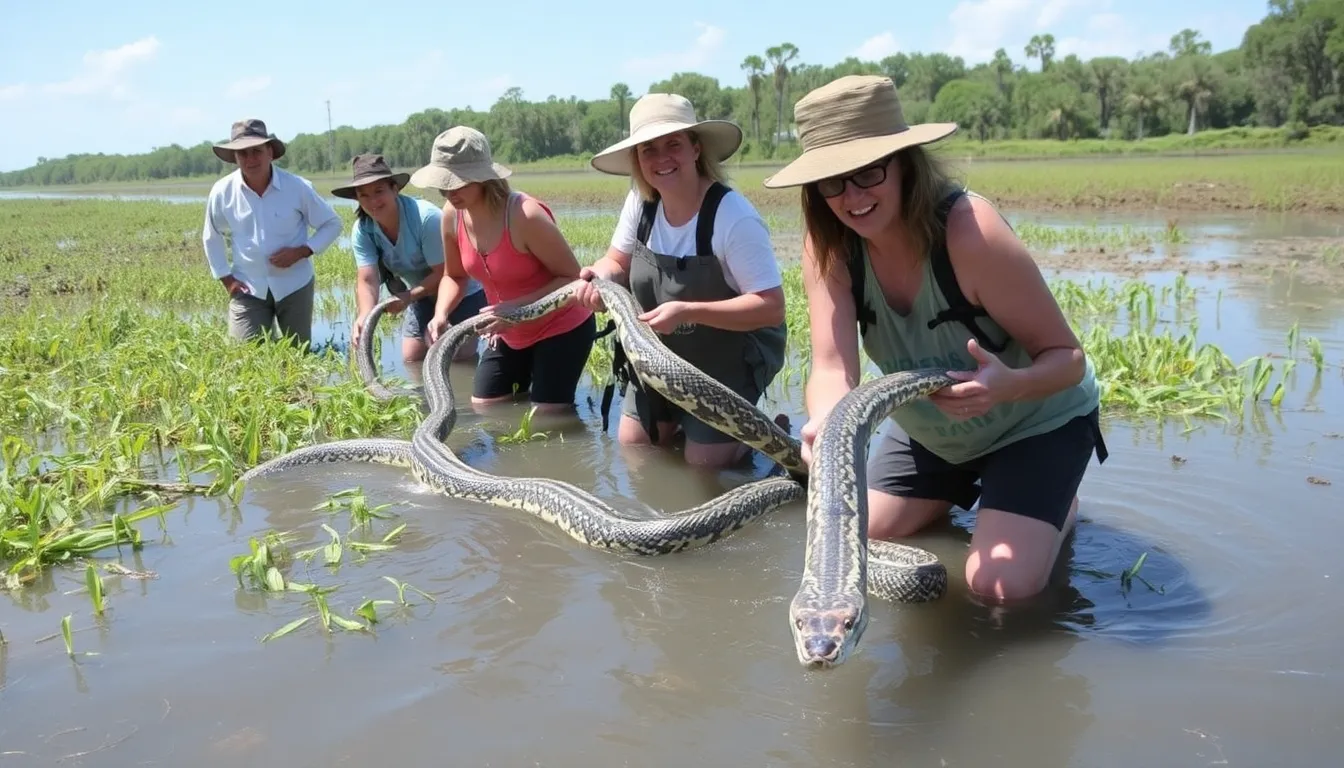
One of the primary stakeholders is the Florida state government, which aims to protect native wildlife and ecosystems from the detrimental effects of the invasive python population. Their interest lies in reducing the ecological impact caused by these snakes, which threaten local species and biodiversity. The government also seeks to promote tourism and outdoor activities by ensuring the health of natural habitats.
Their concerns include the ethical implications of culling and the potential for unintended consequences that could arise from such actions, reflecting a theme similar to the challenges faced by those in the sports industry, such as NFL superstar Maxx Crosby.
- Economic Interests: Local businesses may benefit from increased tourism related to the python hunt, but they also face potential backlash from conservation advocates.
- Legal Implications: The culling raises questions about animal rights and the legality of state-sanctioned hunting practices.
- Public Opinion: Community members are divided, with some supporting the culling as a necessary measure and others opposing it due to ethical concerns.
Lastly, local residents and hunters play a significant role in this narrative. Many participate in the python hunts, drawn by monetary incentives and the thrill of the hunt. However, their involvement also brings to light issues of safety, environmental impact, and the sustainability of hunting practices. The balance between economic gain and ecological responsibility remains a critical point of contention among all stakeholders involved.
Effects on Local Ecosystems and Communities
The documentary ‘The Python Hunt’ sheds light on the ongoing culling of invasive python species in various regions, particularly in Florida. This state-sanctioned initiative primarily affects local wildlife, ecosystems, and communities that rely on the natural balance of their environments. The culling efforts are aimed at controlling the python population, which has been detrimental to native species and habitats.
In the short term, the culling may lead to a reduction in the python numbers, which could benefit local wildlife populations, particularly endangered species that have been threatened by these predators. However, the immediate impact on local communities includes heightened tensions between conservationists and animal rights advocates, leading to potential protests and public discourse around ethical wildlife management practices.
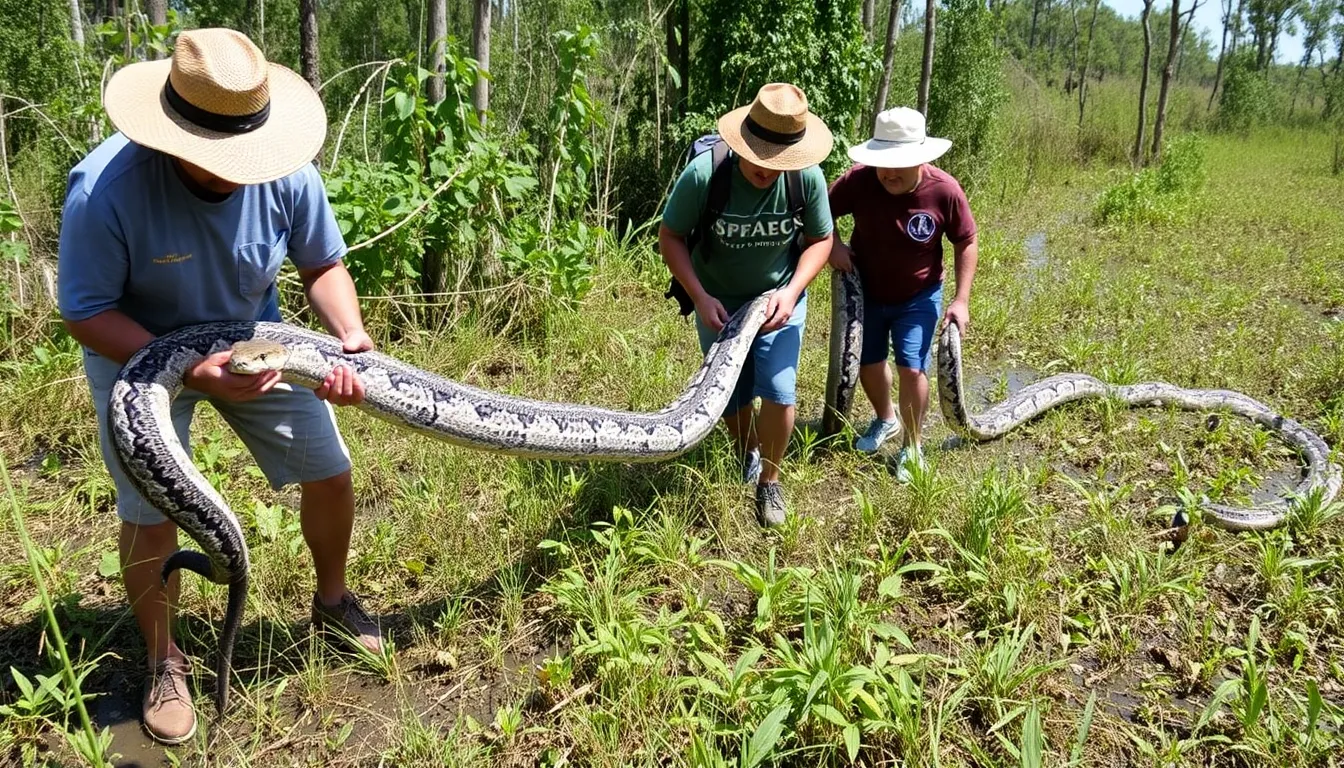
In the mid-term, businesses that rely on eco-tourism may experience fluctuations as the perception of the region as a dangerous habitat for wildlife shifts. On one hand, a successful culling could attract more tourists interested in observing recovering ecosystems. On the other hand, negative publicity surrounding culling practices may deter visitors concerned about animal welfare.
- Short-Term Impacts: Increased community tension, potential protests, and temporary wildlife population shifts.
- Mid-Term Impacts: Changes in eco-tourism dynamics, possible shifts in local business revenues, and evolving conservation policies.
- Risks: Backlash from animal rights groups, public relations challenges, and potential ecological imbalances.
- Opportunities: Enhanced awareness and education about invasive species, potential for new conservation initiatives, and growth in responsible eco-tourism.
Ultimately, while the culling strategy may provide immediate ecological benefits, it also poses significant challenges for local communities and industries. The balance between conservation efforts and community sentiments will be crucial in shaping the future of these regions.
A: The Python Hunt is a documentary that examines the state-sanctioned culling of invasive pythons in Florida, highlighting the ecological and social implications of this controversial practice. A: Pythons are considered a problem because they disrupt local ecosystems, preying on native species and causing significant ecological imbalance. A: The culling program aims to benefit local wildlife by reducing the python population, which in turn supports the preservation of native species and habitats. A: The documentary presents the culling efforts in a visually striking and entertaining manner, while also addressing the ethical dilemmas and controversies surrounding the practice. A: The effectiveness of the culling program is debated, with some studies suggesting it has limited success in significantly reducing the python population.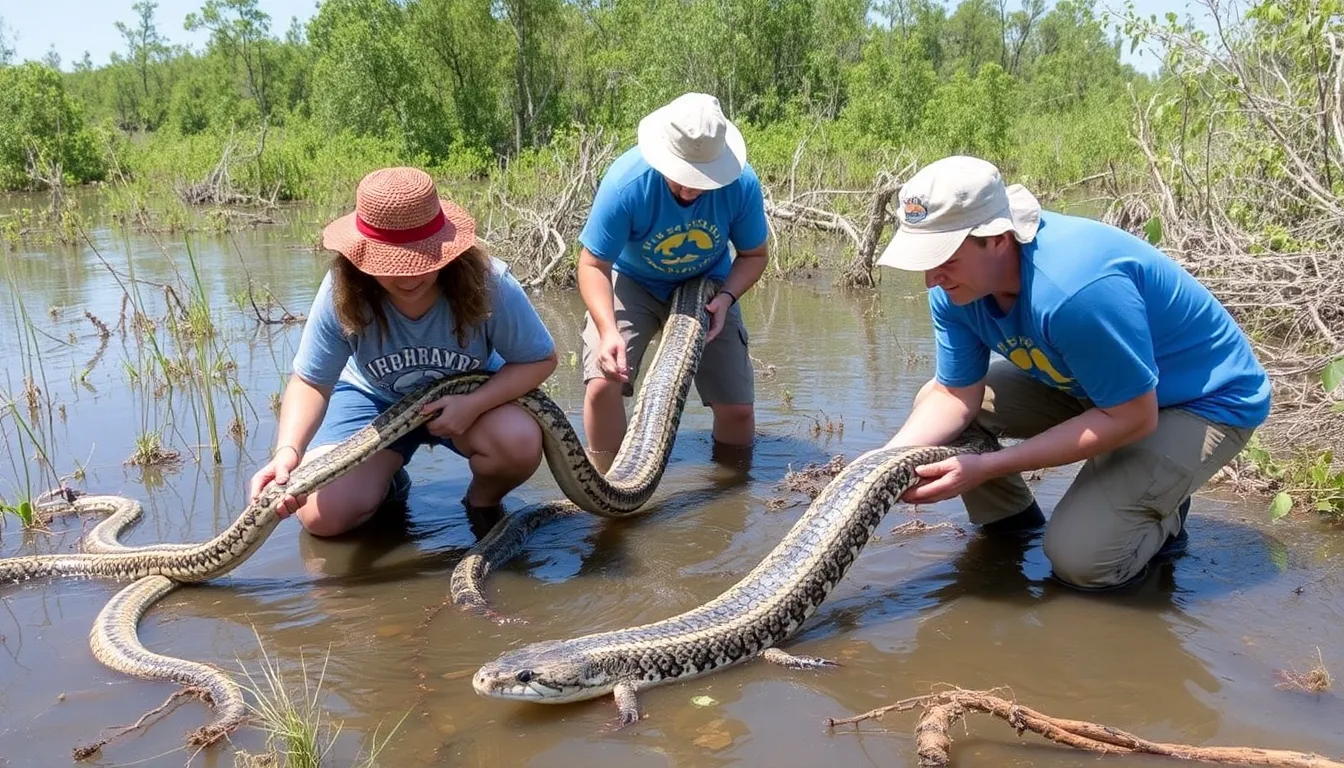
Frequently Asked Questions about The Python Hunt
Key Takeaways and Future Implications
The documentary ‘The Python Hunt’ provides a critical lens on the complexities surrounding state-sanctioned wildlife culling, particularly in the context of invasive species management. As the film unfolds, it highlights the ethical dilemmas, ecological impacts, and community reactions to such measures, prompting viewers to consider the broader implications of wildlife management policies. This nuanced portrayal not only entertains but also serves as a catalyst for discussions on conservation strategies and the balance between human intervention and natural ecosystems.
Looking ahead, stakeholders in wildlife management, policymakers, and conservationists must engage in thoughtful dialogue to address the challenges presented in the documentary. The film underscores the necessity for transparent decision-making processes and community involvement in wildlife management practices to foster greater understanding and cooperation among all parties involved.
- Increased public awareness and engagement in wildlife management issues may lead to more sustainable practices.
- Future policies should prioritize ethical considerations alongside ecological outcomes in culling programs.
- Collaboration between scientists, policymakers, and local communities is essential for effective wildlife management.
- The documentary may inspire similar projects that explore the intersection of human activity and wildlife conservation.
- Monitoring the long-term ecological impacts of culling practices will be crucial for future policy adjustments.