


In recent months, the Mishawaka Parks Department has allocated funds for the restoration project, which began in late September 2023. The work involves cleaning, repairing, and reinforcing the statue to ensure its longevity for future generations. For more on community restoration efforts, check out this article. The restoration is expected to be completed by early December 2023.
This initiative has garnered attention from the local community and beyond, highlighting the importance of maintaining historical monuments. The statue not only represents the city’s history but also serves as a point of pride for residents, making its preservation a matter of community interest.
Moreover, the restoration project is part of a broader effort by city officials to enhance public spaces and promote local tourism. As the statue is a focal point in Central Park, its revitalization is seen as a way to attract visitors and celebrate Mishawaka’s rich cultural narrative.
Understanding the historical significance of Princess Mishawaka
The statue of Princess Mishawaka stands as a symbol of the rich cultural heritage of the city of Mishawaka, Indiana. This statue is not merely a decorative piece; it represents the legacy of the Potawatomi people, who were the original inhabitants of the region. The name ‘Mishawaka’ itself is derived from a Potawatomi word meaning ‘the place where the waters are mixed,’ highlighting the deep connection between the land and its indigenous roots.
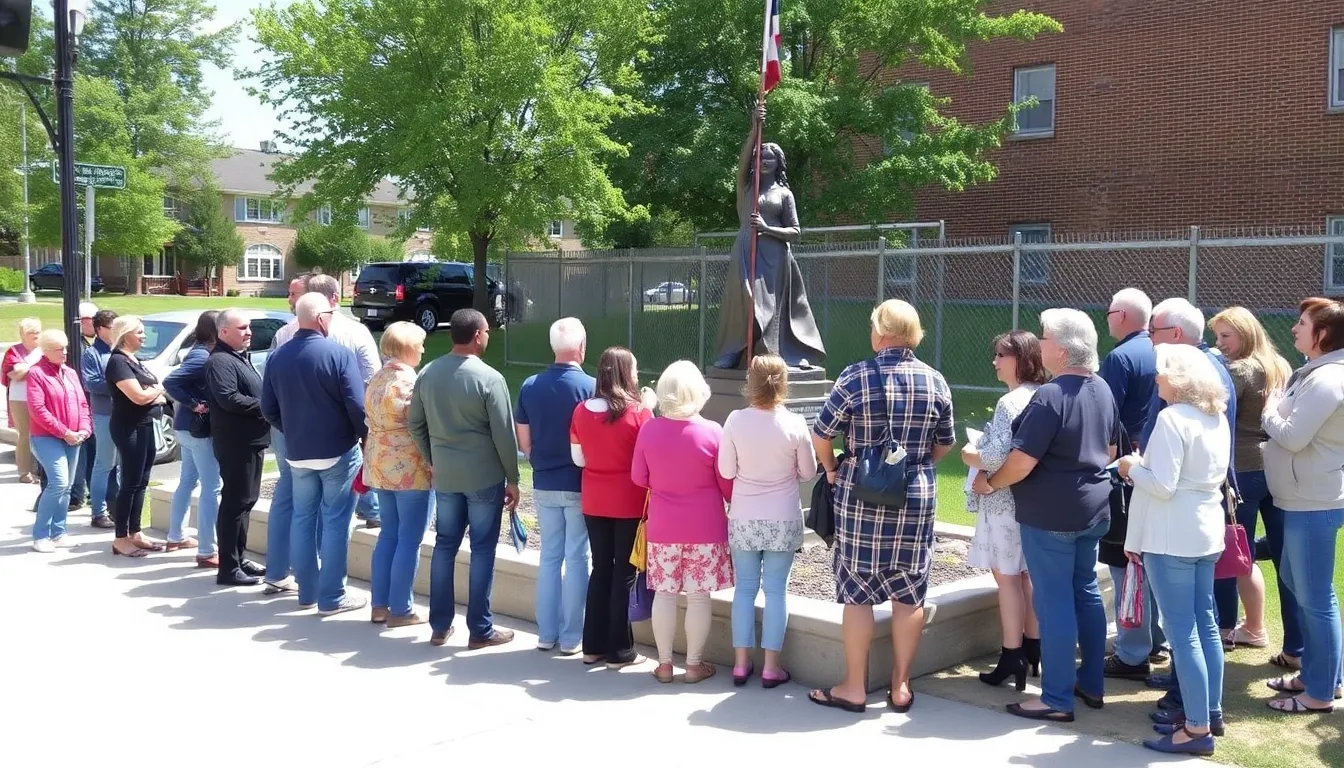
The creation of the statue can be traced back to the early 20th century, a time when there was a growing interest in honoring Native American history and culture across the United States. In 1921, local leaders and community members recognized the need to celebrate the contributions of the Potawatomi people to the region’s history. This culminated in the commissioning of the statue, which was designed to reflect the dignity and strength of Native American women.
Cultural Revitalization and Community Engagement
In recent years, the statue has become a focal point for cultural revitalization efforts in Mishawaka. Community events, educational programs, and cultural celebrations have been organized to raise awareness about the Potawatomi heritage. To delve deeper into cultural narratives, see this exploration. These initiatives not only honor the past but also foster a sense of pride and identity among residents, bridging the gap between historical narratives and contemporary community life.
Moreover, the statue has sparked discussions about the representation of Native American culture in public spaces. As cities across the nation reevaluate their monuments and symbols, the Princess Mishawaka statue serves as a reminder of the importance of inclusivity and respect for indigenous histories. This ongoing dialogue reflects a broader societal shift towards recognizing and addressing historical injustices faced by Native American communities.
Overall, the Princess Mishawaka statue is more than just an artistic representation; it is a testament to the enduring legacy of the Potawatomi people and a call to honor their contributions to the history of Mishawaka and beyond.
Key stakeholders and issues surrounding the statue
The Princess Mishawaka statue, a symbol of cultural heritage in Mishawaka, Indiana, involves a diverse set of stakeholders, each with distinct interests. Key actors include local government officials, cultural organizations, community members, and artists. Their collective engagement shapes the ongoing discourse around the statue’s significance and future.
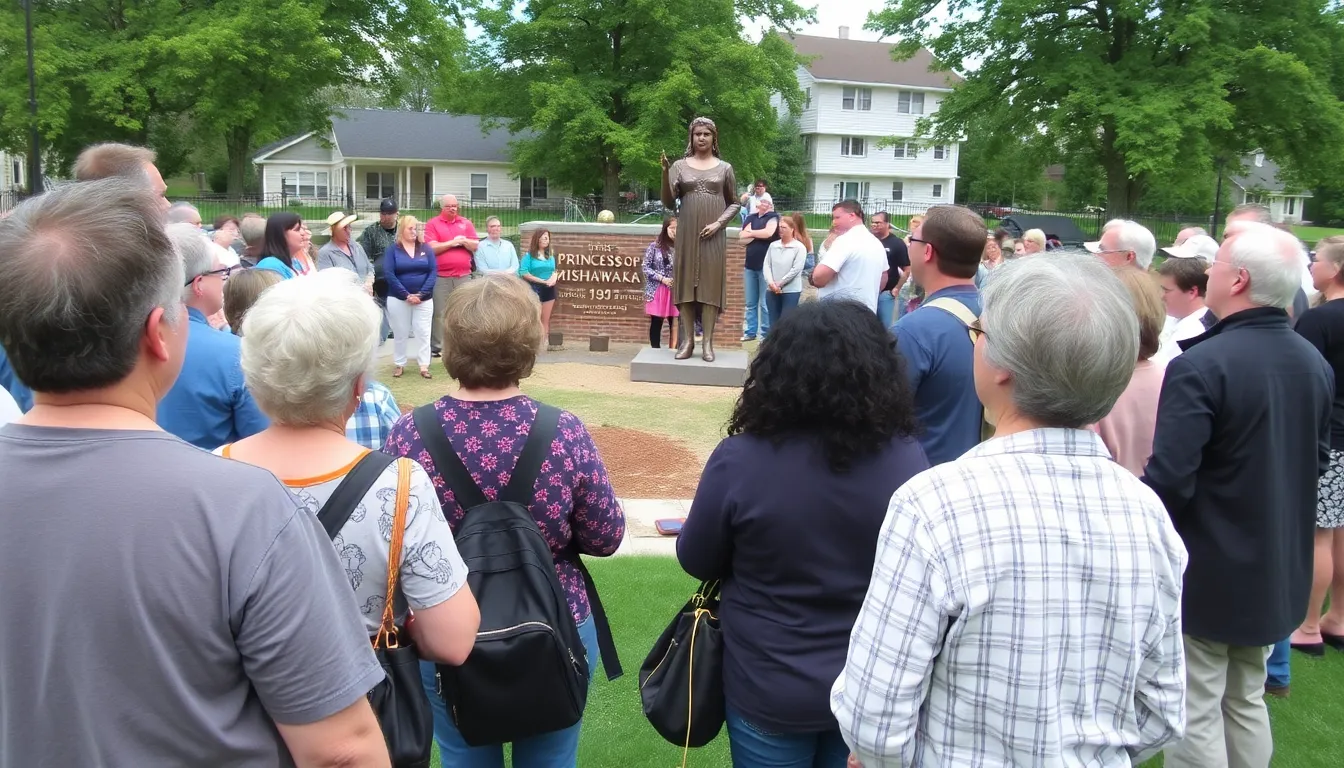
Local government officials are primarily interested in promoting tourism and enhancing community pride through the statue. They view it as a valuable asset that can attract visitors and stimulate economic growth. In contrast, cultural organizations focus on preserving the historical and artistic integrity of the statue, advocating for its maintenance and appropriate representation of local heritage.
Community members also play a crucial role in this dialogue. Some residents celebrate the statue as a cherished landmark, while others may question its relevance or representation. This divergence of opinions can lead to conflicts, particularly regarding funding for maintenance or potential relocation of the statue. Trade-offs may arise as stakeholders negotiate between preserving the statue and addressing the evolving cultural landscape of Mishawaka.
- Economic interests: The statue’s role in local tourism can be a point of contention, balancing economic benefits with cultural representation.
- Legal considerations: Issues related to property rights and public funding for the statue’s upkeep may arise, necessitating legal scrutiny.
- Community engagement: Effective communication among stakeholders is essential to address differing views and foster a sense of ownership.
- Artistic representation: The statue’s design and message may lead to debates about cultural appropriation and historical accuracy.
As discussions continue, the interplay between these stakeholders highlights the complexities surrounding the Princess Mishawaka statue. Understanding their interests and the potential conflicts that may arise is crucial for navigating the future of this iconic symbol in the community.
The impact of the statue on the local community and tourism
The installation of the Princess Mishawaka statue in Mishawaka, Indiana, is poised to affect various groups, including local residents, businesses, and the tourism industry. As a symbol of cultural heritage, the statue is likely to resonate with the local community, fostering a sense of pride and identity. This connection can strengthen community ties and encourage local engagement in cultural events surrounding the statue.
In the short term, the statue’s unveiling is expected to attract visitors to the area, boosting foot traffic for local businesses such as restaurants, shops, and hotels. This influx of tourists can provide a much-needed economic lift, especially for small businesses that rely on seasonal visitors. Local artisans and vendors may also find opportunities to showcase their products during events related to the statue.
In the mid-term, the presence of the statue could lead to the development of new tourism-related policies and initiatives aimed at promoting Mishawaka as a cultural destination. Local government may consider investing in infrastructure improvements, such as enhanced public spaces and better signage, to accommodate increased visitor numbers. Additionally, local events such as festivals or guided tours centered around the statue could emerge, further integrating the statue into the community’s identity.
- Risks: There is a potential risk of over-commercialization, which may dilute the statue’s cultural significance. Additionally, if not managed properly, an influx of visitors could strain local resources and infrastructure.
- Opportunities: The statue presents an opportunity for local artists and historians to engage with the community and share their narratives. It can also serve as a catalyst for partnerships between local businesses and cultural organizations.
Overall, the Princess Mishawaka statue is set to create a ripple effect throughout the community, influencing daily life, business operations, and local policies in both positive and challenging ways.
A: The Princess Mishawaka statue represents the city’s heritage and honors local Native American history. It serves as a cultural landmark for residents and visitors. A: The statue is located in downtown Mishawaka, Indiana, making it easily accessible for those who wish to visit. A: The statue was erected in 1976 as part of the city’s bicentennial celebrations, symbolizing pride in local history. A: Yes, various community events and celebrations are held near the statue, promoting cultural awareness and community engagement. A: Absolutely! The statue is a popular photo spot for both tourists and locals, making it a cherished part of the community.
Frequently asked questions about the Princess Mishawaka statue
Key takeaways and future outlook for the statue
The Princess Mishawaka statue serves as a significant cultural landmark in Mishawaka, Indiana, embodying the city’s rich history and its connection to the local community. As the city continues to evolve, the statue stands as a reminder of the values and heritage that shape its identity. The ongoing discussions surrounding the statue highlight the importance of community engagement in preserving local history while also addressing contemporary perspectives.
Looking ahead, the statue’s role in community events and tourism will likely increase, fostering a deeper appreciation for Mishawaka’s cultural narratives. As local initiatives aim to enhance public spaces, the statue could become a focal point for educational programs and artistic collaborations, further enriching the city’s cultural landscape.
- The statue is poised to attract more visitors, contributing to local tourism and economic growth.
- Community engagement initiatives may increase, encouraging residents to share their stories and connections to the statue.
- Future enhancements to the surrounding area could create a more vibrant public space, integrating art and history.
- Educational programs centered around the statue may foster a greater understanding of local heritage among younger generations.
- Continued dialogue about the statue’s significance will ensure it remains relevant in the community’s evolving narrative.