


As of late afternoon on the same day, utility officials reported that power had been restored to approximately 90% of those impacted. Crews from the local utility company worked diligently to identify the source of the outage and implement repairs, ensuring that essential services were prioritized during the restoration process. This incident serves as a reminder of the importance of reliable power infrastructure, which is crucial for urban areas like San Francisco.
This incident highlights the vulnerability of urban power systems, particularly in densely populated areas like San Francisco. While the majority of residents have regained electricity, city officials are urging residents to remain vigilant and prepared for potential future outages, as investigations into the root causes of the failure are ongoing.
Local businesses faced disruptions due to the outage, with many reporting losses from spoiled inventory and halted operations. The impact on the community has reignited discussions about the need for infrastructure upgrades and better emergency response strategies to mitigate the effects of similar incidents in the future.
Understanding the causes behind the recent power outage
The recent widespread power outage in San Francisco is not an isolated incident but rather a culmination of various historical, political, and economic factors that have shaped the city’s energy infrastructure. Over the years, San Francisco has faced numerous challenges related to its aging electrical grid, which has struggled to keep pace with the demands of a growing population and increasing energy consumption. For more insights on the complexities of urban power systems, check out our detailed analysis on energy management.
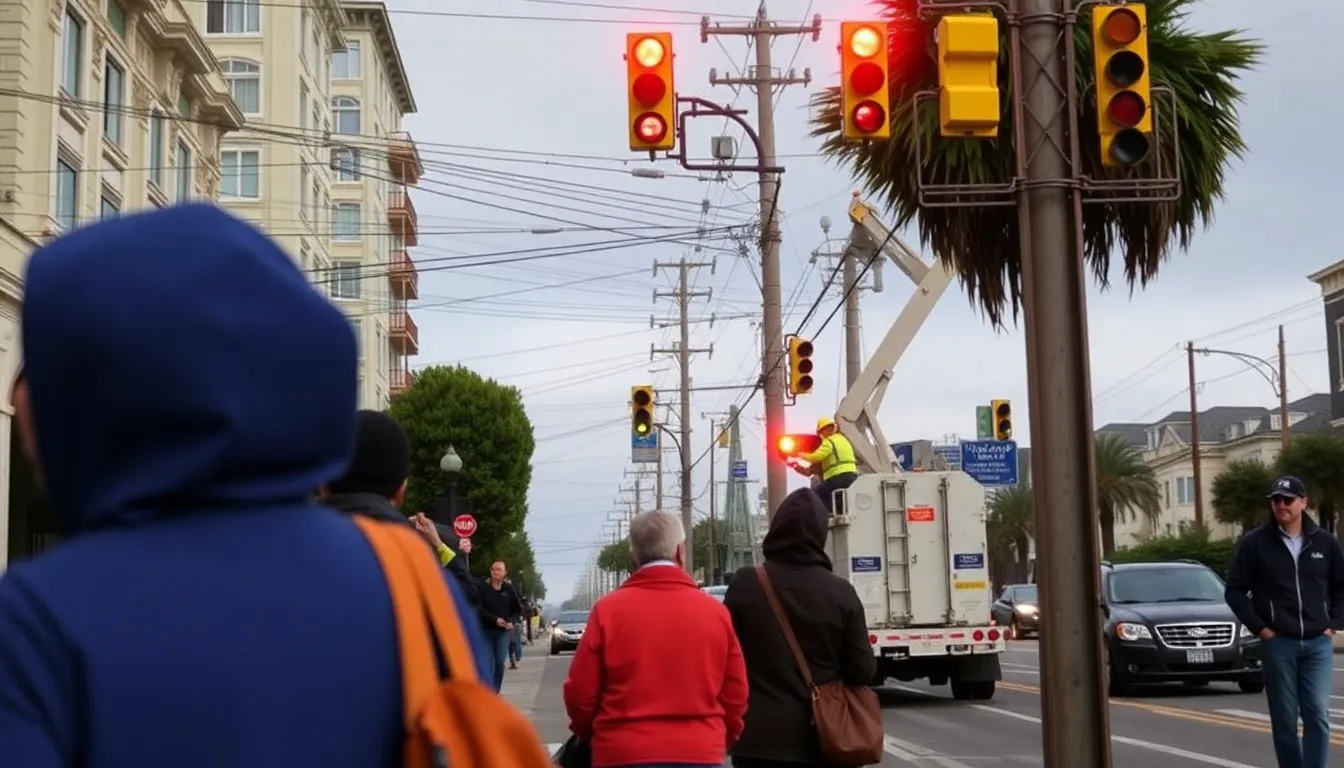
Historically, San Francisco’s energy system has been heavily reliant on a mix of renewable and non-renewable sources. The city’s commitment to sustainability has led to initiatives aimed at increasing the use of renewable energy, such as solar and wind power. However, these efforts have often been hampered by bureaucratic hurdles and funding limitations, which have delayed necessary improvements to the grid. As a result, the infrastructure has become more susceptible to failures, particularly during peak demand periods or adverse weather conditions.
Political and Regulatory Challenges
Additionally, political and regulatory challenges have played a significant role in the city’s energy landscape. The complex interplay between local, state, and federal regulations has sometimes resulted in slow responses to emerging issues within the energy sector. Moreover, utility companies have faced criticism for their handling of outages, raising questions about accountability and the adequacy of their emergency response plans. These challenges have contributed to an environment where power outages are more likely to occur, as seen in the recent event that left many residents without electricity.
In the wake of this outage, city officials and utility providers are under pressure to address the root causes and implement solutions that not only restore power but also fortify the grid against future disruptions. The incident serves as a stark reminder of the need for a comprehensive approach to energy management that prioritizes infrastructure resilience and sustainability, ensuring that San Francisco can meet the demands of its residents while navigating the complexities of modern energy challenges. This will require collaboration among various stakeholders, as discussed further in our overview of public-private partnerships.
Key stakeholders involved in addressing the outage
The recent widespread power outage in San Francisco has highlighted the involvement of various stakeholders, each with distinct interests and responsibilities. The primary actors include the local government, utility companies, emergency services, and the affected residents. Understanding their roles and the underlying issues is essential to grasp the broader implications of the incident.
Utility companies, such as Pacific Gas and Electric (PG&E), are at the forefront of the response. Their primary interest lies in restoring power efficiently while maintaining safety standards. However, they face scrutiny over their infrastructure’s reliability and past incidents that have raised concerns about their operational practices. The economic implications of outages can also lead to significant financial liabilities for these companies, especially if negligence is determined to be a factor.
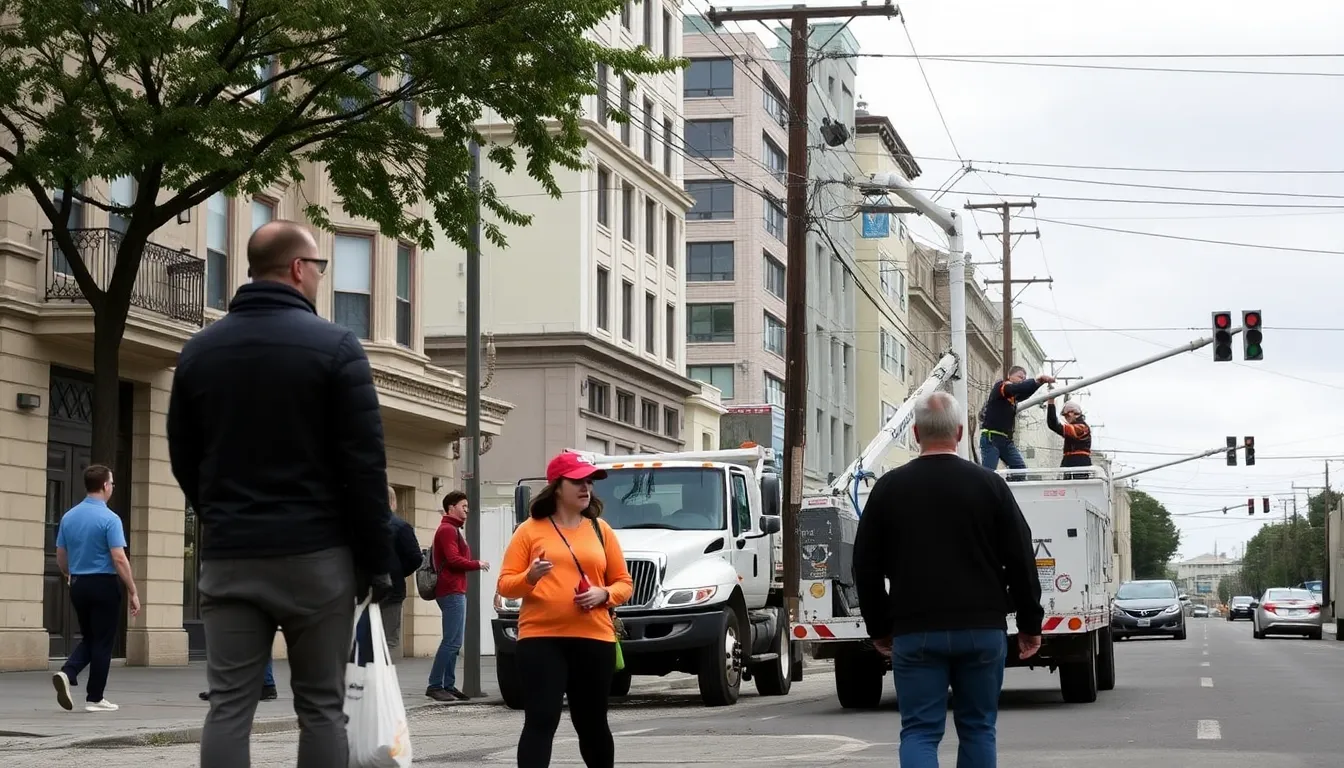
The local government, including the Mayor’s office and city agencies, plays a critical role in coordinating the response efforts. Their interest is in ensuring public safety and restoring normalcy for residents. Conflicts may arise between government officials and utility companies regarding the speed and effectiveness of the response. Additionally, legal issues could surface if residents seek compensation for losses incurred during the outage.
- Emergency Services: These agencies are vital in managing public safety during outages, ensuring that vulnerable populations receive assistance.
- Affected Residents: Local residents have a direct stake in the situation, as prolonged outages can disrupt daily life and lead to economic losses.
- Regulatory Bodies: State and federal regulators may become involved to assess compliance and investigate the causes of the outage, influencing future operational standards.
In summary, the interplay between these stakeholders reveals a complex landscape of interests and potential conflicts. The resolution of the outage, along with the subsequent analysis of its causes, will likely shape future policies and operational practices in San Francisco and beyond.
The effects of the outage on residents and businesses
The recent power outage in San Francisco has significantly impacted various groups and industries across the city. Residents, local businesses, and essential services have all felt the effects, leading to disruptions in daily life and operations.
In the short term, residents experienced a loss of electricity, which affected everything from lighting to heating and cooling systems. Many households were left without access to essential appliances, including refrigerators and medical devices. Additionally, the outage disrupted public transportation services, causing delays and inconveniences for commuters.
Local businesses, particularly those reliant on electronic payment systems, faced immediate financial losses. Restaurants, retail stores, and service providers struggled to operate without power, leading to lost revenue and potential customer dissatisfaction. The tourism sector also felt the pinch, as visitors were deterred from exploring the city during the outage.
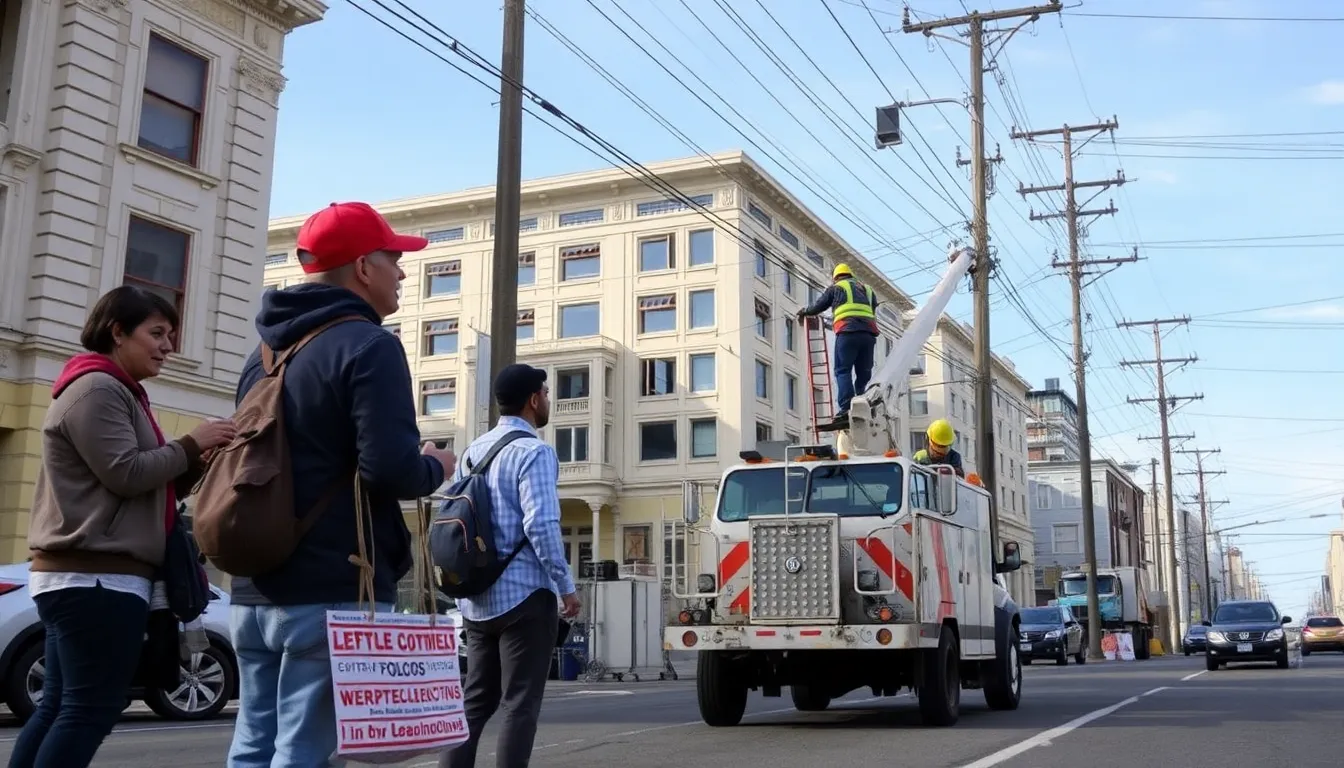
Mid-term impacts may include a reassessment of emergency preparedness and infrastructure resilience. Businesses might consider investing in backup power solutions, while residents may seek alternative energy sources. Moreover, the city could face pressure to enhance its electrical grid to prevent future outages, potentially leading to policy changes and increased funding for infrastructure improvements.
- Loss of revenue for local businesses
- Disruption of essential services
- Increased demand for backup power solutions
- Potential policy changes regarding infrastructure
While the immediate aftermath of the outage presents challenges, it also opens up opportunities for innovation and investment in energy solutions. Companies specializing in renewable energy and backup power systems may find increased interest from both consumers and businesses looking to mitigate future risks.
A: The power outage was caused by a combination of equipment failure and adverse weather conditions that affected the electrical grid. A: The outage lasted for several hours, with most residents having their power restored by late evening. A: As of now, most areas have regained power, but utility crews are still working to address a few isolated incidents. A: Residents should report any ongoing outages to their utility provider to ensure they are addressed promptly. A: Compensation policies vary by utility provider, and residents are encouraged to check with their provider for specific details.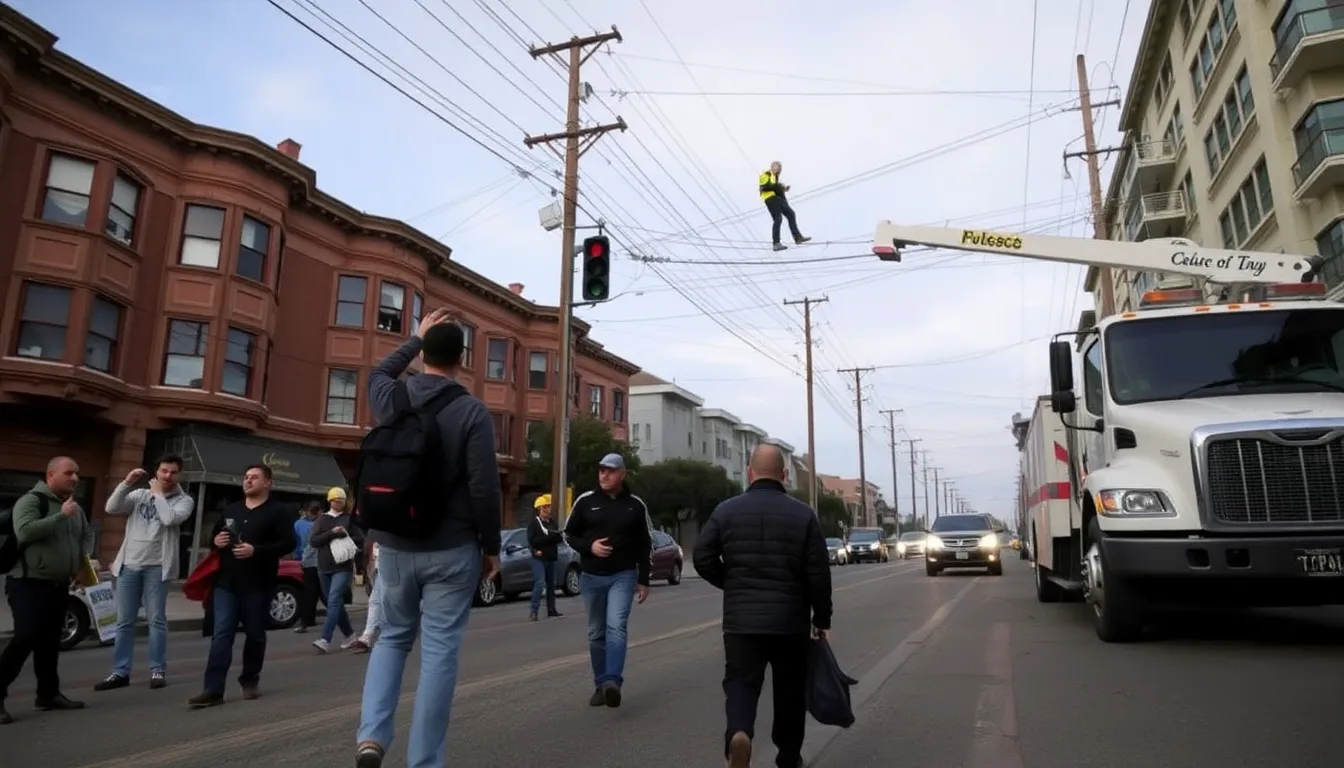
Frequently Asked Questions about the power restoration
Looking ahead: future implications of the outage
The recent widespread power outage in San Francisco serves as a critical reminder of the vulnerabilities within urban infrastructure. As most residents regain power, it is essential to consider the broader implications for energy resilience and emergency preparedness in the region. The incident highlights the necessity for improved communication and contingency planning to minimize disruptions in the future.
Moving forward, stakeholders must evaluate the reliability of the power grid and explore innovative solutions to enhance service continuity. This situation may prompt discussions around investment in renewable energy sources and the integration of smart grid technologies to better manage demand and supply dynamics during peak times.
- Infrastructure Assessment: A thorough review of the power grid’s vulnerabilities will be crucial to prevent similar outages in the future.
- Emergency Protocols: Establishing clear communication strategies during outages can improve public response and awareness.
- Investment in Technology: Exploring smart grid technologies may enhance energy distribution and minimize the impact of outages.
- Community Preparedness: Encouraging residents to develop personal emergency plans can help mitigate the effects of future disruptions.
- Policy Discussions: This event may catalyze policy reforms aimed at strengthening the energy infrastructure and promoting sustainable practices.