


In a series of testimonies collected over the past few months, detainees have described long wait times for medical appointments, lack of access to necessary medications, and insufficient responses to health emergencies. Many have reported that their requests for care often go unanswered, exacerbating their conditions. This situation has attracted attention from human rights advocates and legal organizations, who argue that such neglect violates basic human rights, similar to issues outlined in Patients Endure Four Months in Hospital Due to Outdated Treatment Methods.
The issue gained further traction following a report released in September 2023 by the Department of Homeland Security, which highlighted systemic deficiencies in healthcare services at immigration detention centers. The report noted that CoreCivic facilities, in particular, have been cited for failing to meet established health standards. The findings have led to increased scrutiny from lawmakers and advocacy groups alike.
As the situation unfolds, the implications for detainees and the broader immigration system remain significant. The lack of adequate medical treatment not only affects the health of individuals but also raises ethical questions about the treatment of vulnerable populations within the U.S. immigration system. Ongoing investigations and potential legislative actions could lead to changes in how these facilities operate and are monitored in the future.
Understanding the role of CoreCivic in the immigration detention system
CoreCivic, formerly known as Corrections Corporation of America (CCA), is one of the largest private prison companies in the United States, operating numerous facilities that house immigrants detained by U.S. Immigration and Customs Enforcement (ICE). Established in 1983, CoreCivic has played a significant role in the expansion of the privatized detention system, which has seen a dramatic increase in the number of individuals held in immigration detention since the late 1990s. This rise can be attributed to various policy changes, including the implementation of mandatory detention laws and the “zero tolerance” immigration policies that gained traction in the 2010s.
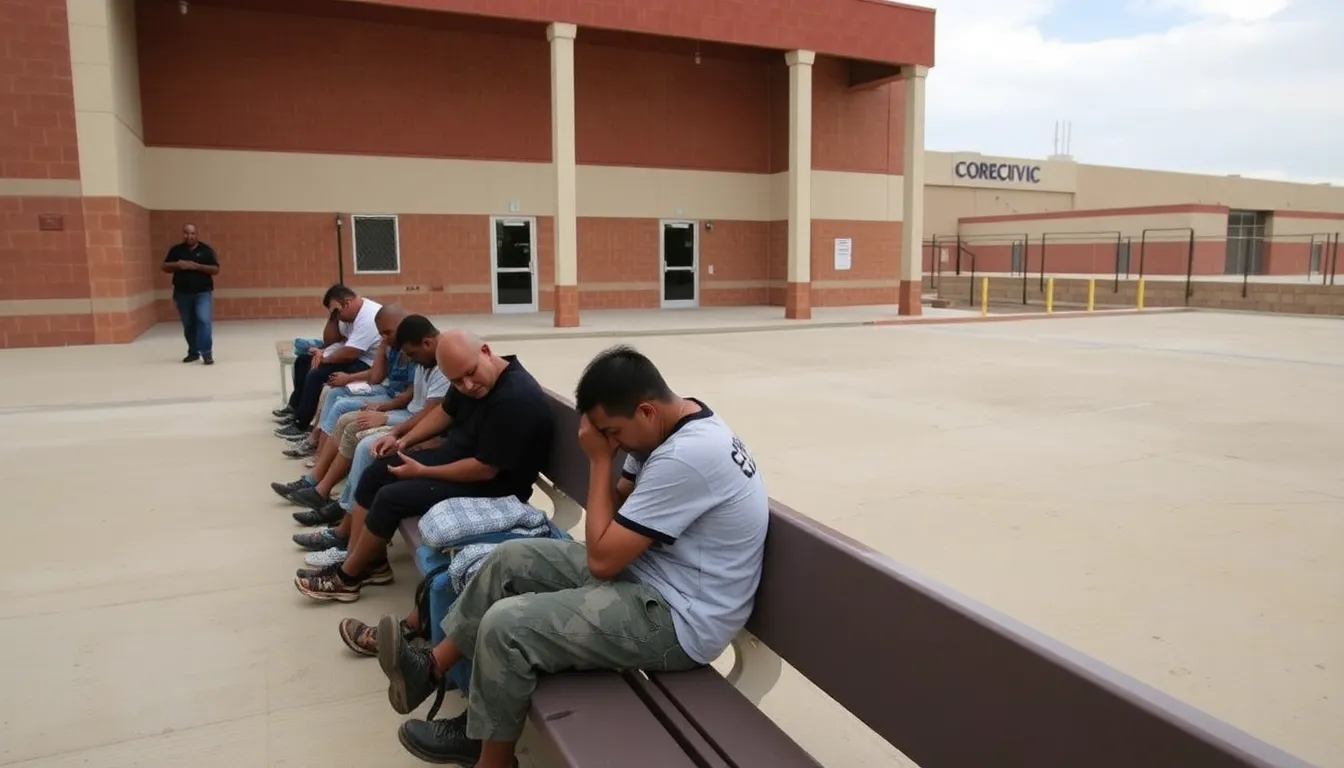
The privatization of immigration detention centers has been a contentious issue, raising concerns about the quality of care and conditions within these facilities. Reports of inadequate medical treatment, poor sanitation, and overall neglect have emerged from several CoreCivic-run facilities. Detainees have described experiences of suffering from untreated medical conditions, exacerbated by the profit-driven motives of private prison operators, which often prioritize cost-cutting over the well-being of those in their care, echoing themes in Evan Dando Faces Mental Health Crisis Following Controversial Incident.
Key Milestones in Immigration Detention Policy
The history of immigration detention in the U.S. is marked by several key milestones that have shaped the current landscape. The Illegal Immigration Reform and Immigrant Responsibility Act of 1996 expanded the government’s authority to detain immigrants and deport those with criminal convictions. This legislation set the stage for the dramatic increase in the immigrant detention population, leading to the construction and operation of numerous private facilities.
In subsequent years, the establishment of the Department of Homeland Security (DHS) in 2003 further centralized immigration enforcement, resulting in a significant uptick in detentions. The introduction of initiatives such as Secure Communities and the 287(g) program allowed local law enforcement to collaborate with federal agencies, leading to increased arrests and subsequent detentions. These developments have created a system in which private companies like CoreCivic thrive, often at the expense of humane treatment and adequate healthcare for detainees.
As awareness of the conditions within these facilities has grown, advocacy groups and human rights organizations have called for reforms, highlighting the need for accountability and improved standards in immigration detention. Despite these calls, the entrenched nature of the privatized detention system and the political interests supporting it continue to pose challenges to meaningful change.
Examining the implications of poor care on detainees and legal accountability
The ongoing reports of inadequate medical care at CoreCivic facilities housing ICE detainees highlight a complex interplay of stakeholders, including the detainees themselves, CoreCivic as a private contractor, government agencies, and advocacy groups. Each of these actors has distinct interests that influence their positions and actions regarding detainee health care.
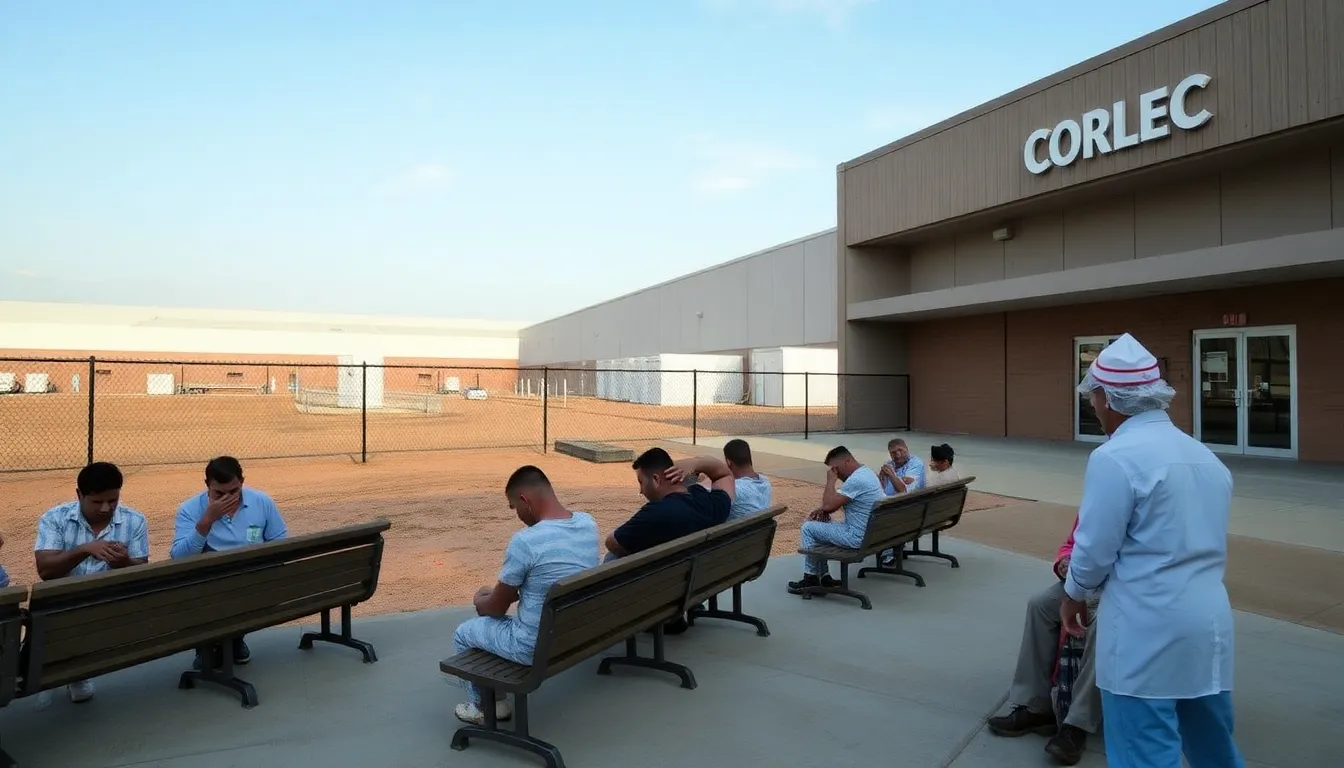
Detainees, often vulnerable individuals seeking asylum or facing deportation, have a fundamental interest in receiving appropriate medical care. Their experiences of neglect can lead to severe health consequences, raising ethical questions about the treatment of individuals in custody. CoreCivic, as a for-profit entity, has a vested interest in maintaining operational efficiency and minimizing costs, which may inadvertently compromise the quality of care provided to detainees.
Government agencies, including ICE and the Department of Homeland Security, are tasked with overseeing the conditions within these facilities. However, their interests often conflict with the need for accountability and transparency. The pressure to manage budgets and fulfill detention quotas can overshadow the imperative to ensure humane treatment and adequate health services, particularly as highlighted in various reports on systemic issues in healthcare services.
Advocacy organizations and human rights groups play a crucial role in bringing attention to these issues. They aim to protect the rights of detainees and push for reforms in the healthcare system within detention facilities. Their efforts emphasize the legal and ethical obligations of the government and private contractors to uphold standards of care.
- Legal Accountability: Potential lawsuits against CoreCivic for negligence or malpractice could reshape policies regarding detainee health care.
- Economic Factors: Budget constraints may lead to a prioritization of profit over patient care, affecting the quality of services provided.
- Public Perception: Growing public scrutiny and media coverage can pressure government agencies to enforce stricter regulations on detention facilities.
- Health Outcomes: Poor medical care can lead to long-term health issues for detainees, impacting their legal cases and overall well-being.
- Advocacy Impact: Increased activism and legal challenges from advocacy groups can drive systemic changes in how detainees are treated.
The effects of inadequate healthcare on detainees’ well-being and public perception
The ongoing reports of poor healthcare in CoreCivic’s ICE facilities have far-reaching implications for various groups, including detainees, their families, healthcare professionals, and policymakers. Detainees, often from marginalized communities, face significant health risks due to inadequate medical care, which can exacerbate existing health conditions and lead to long-term consequences. Families of detainees experience emotional and financial strain, as they worry about the health and safety of their loved ones.
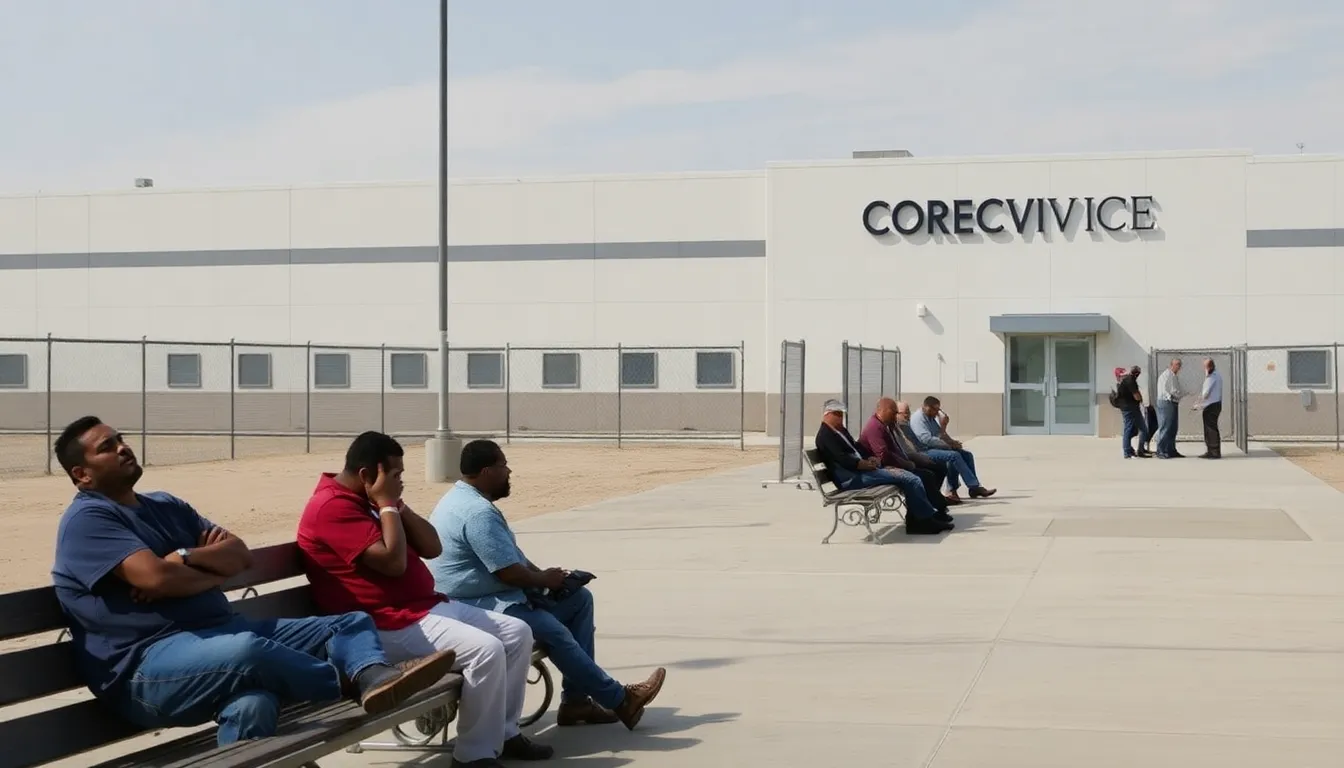
Industries related to healthcare and immigration services are also affected. Healthcare providers may face increased scrutiny and pressure to address the health needs of detainees, while immigration advocacy organizations may find new opportunities to push for reform. This situation could lead to a demand for improved healthcare standards in detention facilities, potentially creating a market for companies specializing in correctional health services.
The short-term impacts include heightened public awareness and concern over the treatment of detainees, which may lead to protests and calls for reform. In the mid-term, these issues could influence policy changes at local and national levels, potentially resulting in stricter regulations on detention facilities and increased funding for healthcare services. As public sentiment shifts, there may also be a push for alternatives to detention that prioritize health and human rights.
- Risks: Deteriorating health of detainees, increased public outcry, potential legal actions against CoreCivic.
- Opportunities: Reform in detention healthcare, growth in the correctional health services market, increased advocacy for immigrant rights.
Overall, the inadequate healthcare in CoreCivic ICE facilities not only impacts the detainees directly but also reverberates through communities, industries, and policy landscapes, highlighting the urgent need for change and accountability.
A: Detainees report a range of health issues including untreated chronic conditions, mental health crises, and lack of access to necessary medications. A: CoreCivic has stated that they comply with all applicable laws and regulations regarding detainee healthcare, though many reports contradict this claim. A: If found negligent, CoreCivic could face lawsuits and increased scrutiny from regulatory bodies, potentially leading to changes in their operational practices. A: Yes, several human rights organizations are advocating for better treatment of detainees and are calling for investigations into the conditions at CoreCivic facilities. A: Advocates suggest increased oversight, policy reforms, and enhanced healthcare services to ensure detainees receive adequate medical attention.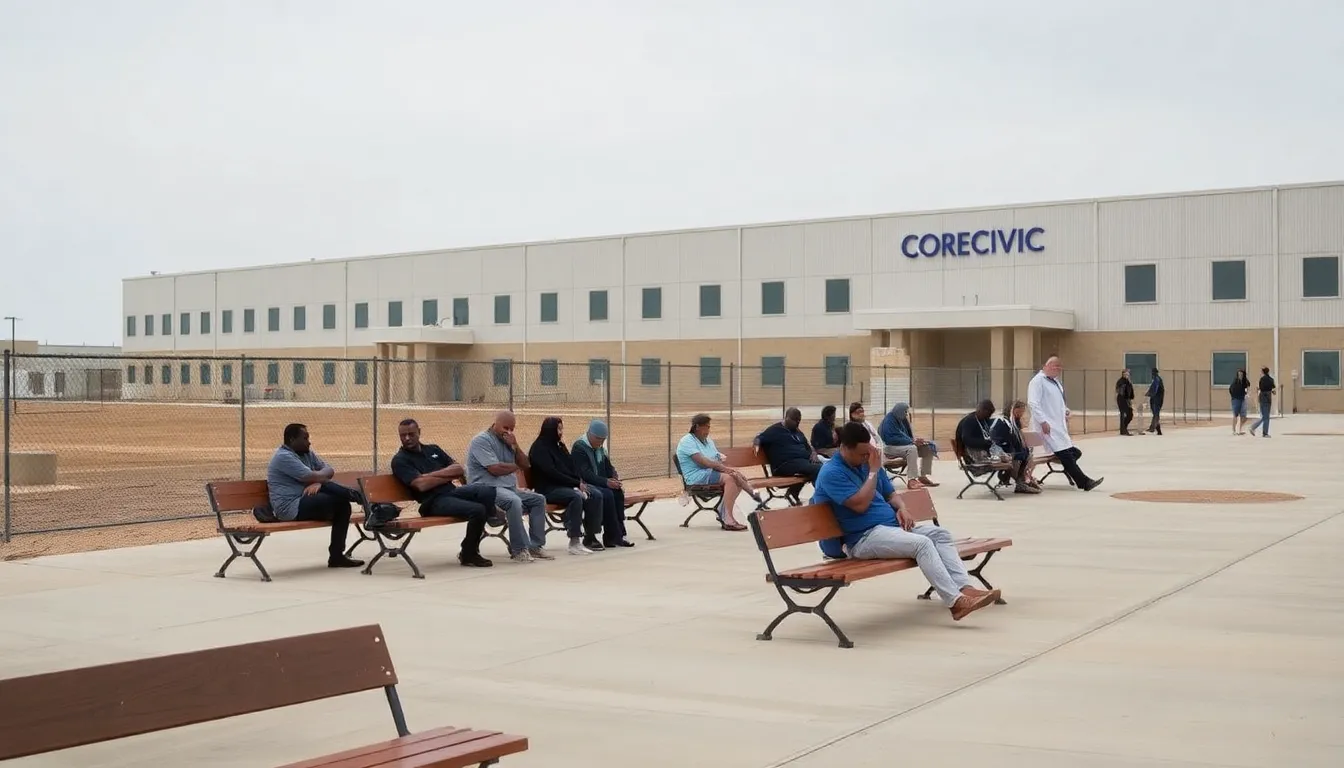
Frequently asked questions about detainee care at ICE facilities
Key takeaways and future implications for ICE detention practices
The troubling accounts from detainees regarding inadequate medical care at CoreCivic facilities raise significant concerns about the treatment of vulnerable populations within the ICE detention system. As these narratives come to light, they highlight the urgent need for reform in healthcare provisions and oversight mechanisms in such facilities. The implications of these findings extend beyond individual experiences, suggesting a systemic issue that requires immediate attention and action from policymakers and advocacy groups alike.
Moving forward, it is essential to monitor the responses of both CoreCivic and ICE, as well as the broader implications for immigration policy and human rights standards in detention settings. Continued scrutiny and advocacy will be crucial in ensuring that detainees receive the care they need and deserve.
- Increased advocacy for healthcare reform in ICE facilities may lead to policy changes and improved standards of care.
- Heightened public awareness could prompt governmental and organizational investigations into detention practices.
- Legal actions may emerge as detainees seek accountability for inadequate medical treatment and violations of their rights.
- The findings could influence future legislation regarding immigration and detention policies, prioritizing humane treatment.
- Monitoring by independent organizations may become more prevalent, ensuring transparency and accountability in detention facilities.