


Among the key participants are renowned galleries such as White Cube, Pace, and Gagosian, which have brought forth works from established and emerging photographers alike. The fair also includes a special focus on the theme of identity, with numerous exhibits exploring personal and collective narratives through the lens of diverse cultural backgrounds. This thematic approach resonates with current global conversations surrounding representation and inclusivity, as discussed in related talks on global issues.
In addition to the gallery presentations, Photo London has organized a series of talks and panel discussions featuring influential figures in the photography world. These sessions aim to foster dialogue about the future of photography, technological advancements, and the role of art in social change. Notable speakers include acclaimed photographers, curators, and critics who share their insights and experiences with attendees.
The event not only serves as a platform for showcasing photographic talent but also stimulates the local economy by attracting visitors from around the world. With an increasing number of art fairs and exhibitions being held globally, Photo London continues to solidify its reputation as a premier destination for contemporary photography, making it a significant event on the international art calendar.
Understanding the significance of Photo London in the art world
Photo London, established in 2015, has rapidly become a pivotal event in the global art calendar, showcasing the best in contemporary photography. This annual fair not only highlights the work of established and emerging photographers but also reflects the evolving landscape of visual culture. By bringing together galleries, collectors, and enthusiasts, Photo London serves as a platform for dialogue about the role of photography in society and its impact on contemporary art, much like the dialogues at major awards.
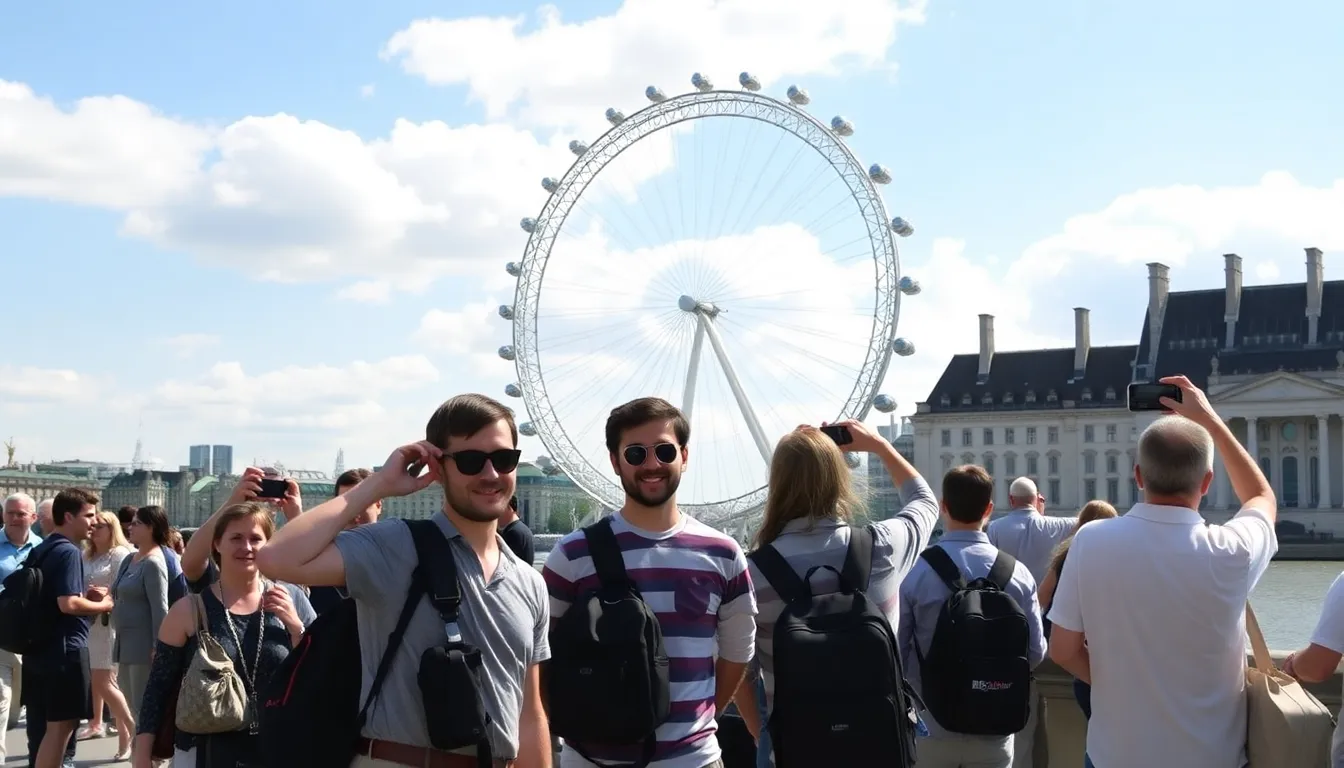
The fair’s inception comes at a time when photography is increasingly recognized not just as a medium for documentation but as a powerful form of artistic expression. In the early 21st century, the democratization of photography through digital technology and social media has transformed how images are created, shared, and consumed. This shift has encouraged a new generation of artists to explore innovative approaches to the medium, making events like Photo London essential for fostering artistic development and appreciation.
The evolution of photography in the art market
Historically, photography was often relegated to a secondary status in the art world, viewed as a mere tool for documentation rather than a legitimate art form. However, key milestones, such as the inclusion of photography in major art exhibitions and its recognition by prestigious institutions, have helped to elevate its status. The 1975 exhibition “Photography into Sculpture” at the Museum of Modern Art in New York, for example, was instrumental in showcasing photography as an integral part of the contemporary art discourse.
As the art market has expanded, so too has the demand for photographic works. Collectors are increasingly drawn to photography for its unique ability to capture fleeting moments and convey complex narratives. This growing interest is reflected in the success of Photo London, which attracts a diverse audience, from seasoned collectors to curious newcomers. The fair not only highlights the work of renowned photographers but also provides a platform for underrepresented voices, ensuring a rich and varied representation of the medium, similar to trends observed at art and entertainment events.
Key themes and trends observed at this year’s Photo London
This year’s Photo London showcased a diverse array of participants, including prominent galleries, emerging artists, and international collectors. The event served as a platform for both established and new voices in photography, reflecting the evolving landscape of the art market.
Among the key stakeholders are major galleries such as White Cube and Hauser & Wirth, which have a vested interest in promoting their artists and maximizing sales. Emerging artists, on the other hand, seek visibility and recognition, often competing for attention in a crowded market. Collectors, ranging from private individuals to institutional buyers, are focused on acquiring unique pieces that can appreciate in value.
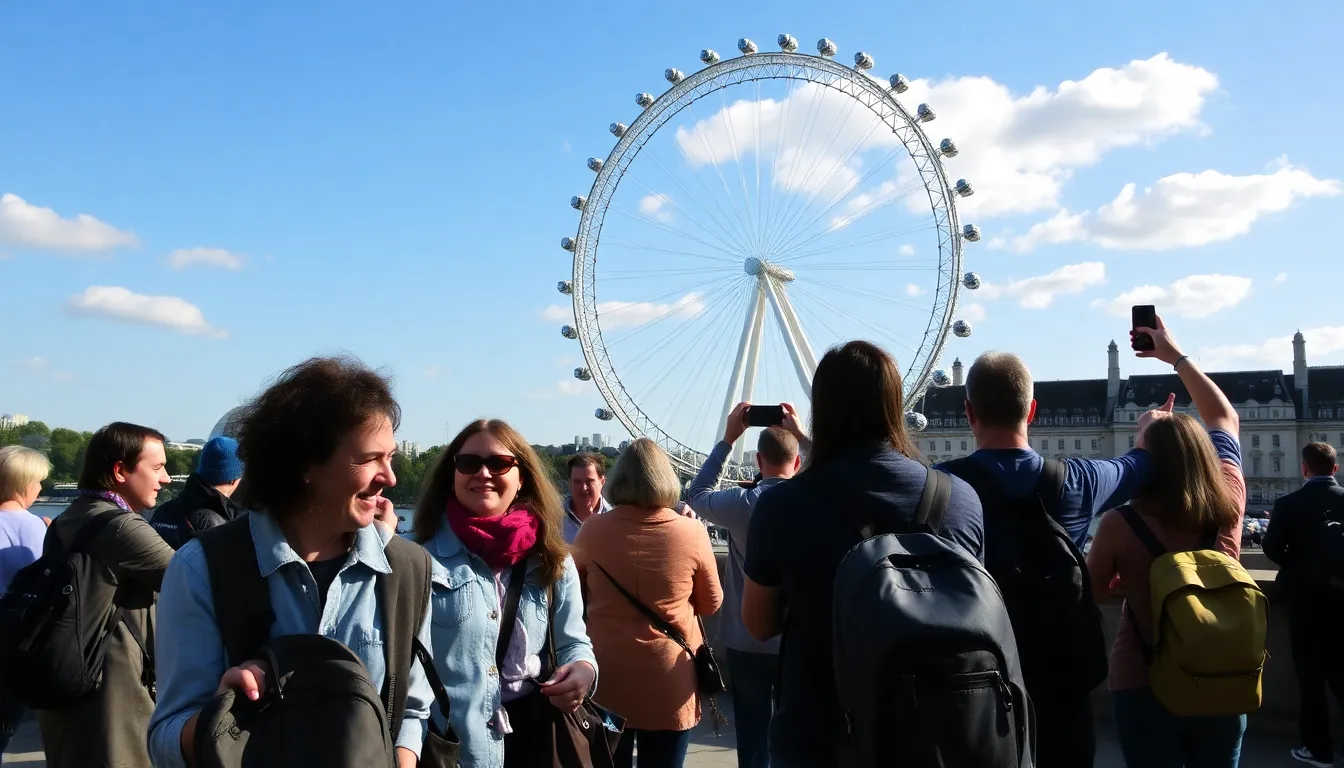
Conflicts arise primarily from the competition for limited exhibition space and the attention of collectors. Emerging artists may struggle to gain footholds against established names, leading to trade-offs in representation and exposure. Additionally, the economic landscape, influenced by global market trends, affects purchasing power and investment in art.
- Market Dynamics: The fluctuating economy impacts collector confidence and spending habits.
- Representation Issues: Emerging artists often face challenges in gaining equal representation alongside established figures.
- Legal Considerations: Copyright and intellectual property rights remain critical issues as artists navigate the complexities of their work’s reproduction.
- Technological Influence: The rise of digital platforms and NFTs is reshaping how photography is consumed and valued.
- Diversity and Inclusion: There is a growing demand for diverse voices within the photography community, prompting galleries to reassess their artist rosters.
Overall, Photo London serves as a microcosm of the broader art world, reflecting ongoing tensions and opportunities within the photography sector. The interplay between these stakeholders will continue to shape the future of photographic art, as they navigate the challenges and possibilities that lie ahead.
How Photo London influences artists and collectors alike
Photo London serves as a pivotal platform for photographers, galleries, and collectors, significantly impacting the contemporary art scene. Artists from diverse backgrounds gain exposure to a global audience, fostering connections that can lead to collaborations and new opportunities. This event not only showcases established names but also highlights emerging talent, thereby enriching the artistic landscape.
For collectors, Photo London represents a unique opportunity to discover and acquire works that may appreciate in value over time. The event attracts art enthusiasts from various regions, enhancing the market for photographic art and driving demand for innovative pieces. This influx of interest can stimulate sales for galleries and artists alike, creating a vibrant economic environment.
In the short term, local businesses in the vicinity of the event can experience a surge in activity, benefiting from increased foot traffic. Hotels, restaurants, and shops may see a rise in patrons, contributing to the overall economic uplift in the area. However, the mid-term effects could include a more sustained interest in photography, leading to potential policy changes that support the arts.
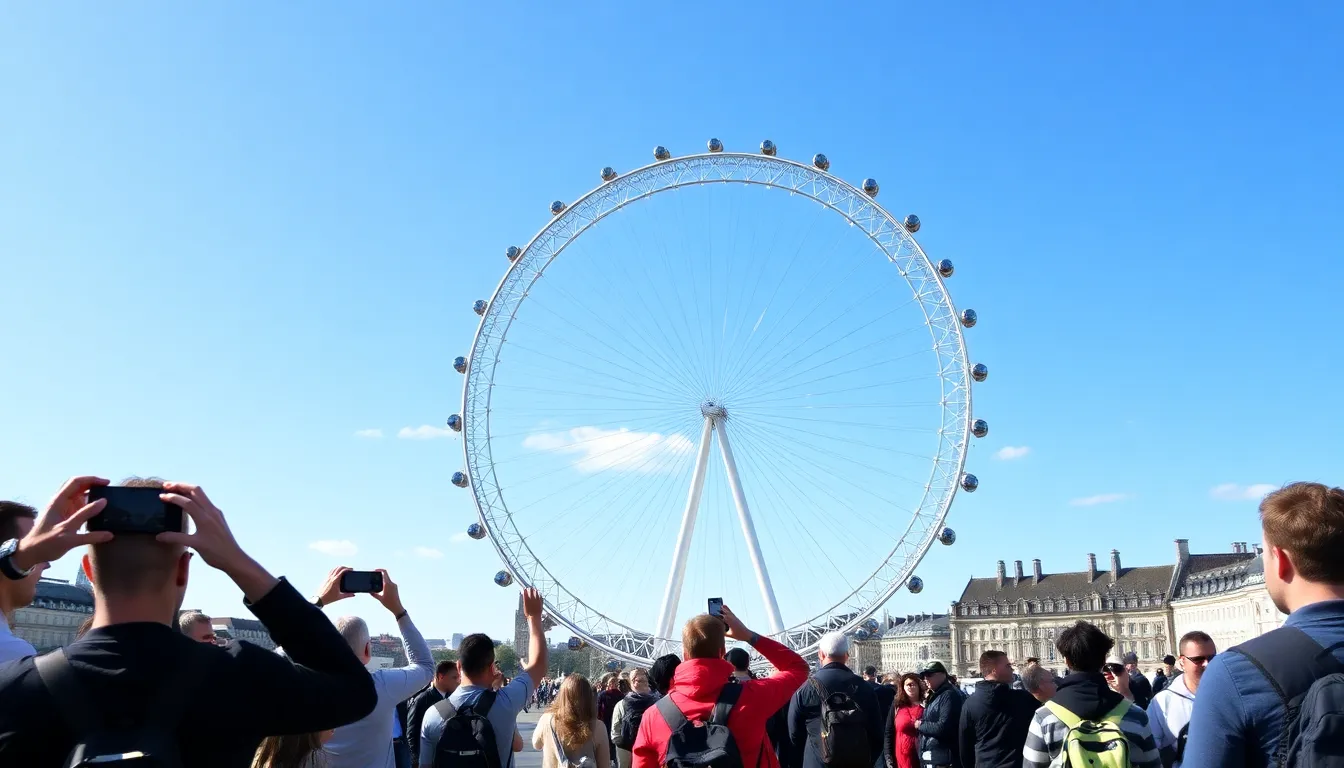
- Artists: Increased visibility and networking opportunities.
- Collectors: Access to unique works and potential investment growth.
- Local Businesses: Temporary economic boost from visitor influx.
- Art Market: Enhanced demand for photographic art and innovation.
While there are risks associated with market saturation or overvaluation of artworks, the potential for growth and revitalization of the art scene presents exciting opportunities for all stakeholders involved. As Photo London continues to evolve, its influence on the art community is likely to expand, shaping the future of photography as a vital form of artistic expression.
A: Photo London is an annual photography fair that showcases the best in contemporary photography from around the world. It features galleries, artists, and various exhibitions. A: Photo London typically takes place in May each year, attracting art lovers and industry professionals to its vibrant exhibitions. A: Tickets for Photo London can be purchased online through their official website. It’s advisable to book in advance due to high demand. A: Yes, Photo London hosts a variety of events including talks, panel discussions, and guided tours, providing deeper insights into the art of photography. A: Absolutely, many galleries at Photo London offer artworks for sale, making it a great opportunity for collectors and enthusiasts to acquire pieces.
Frequently Asked Questions about Photo London
Key takeaways and future outlook for Photo London
The recent exhibition at Photo London has highlighted the evolving landscape of contemporary photography, showcasing a diverse range of artistic expressions and technological advancements. As galleries and artists adapt to the changing environment, the importance of hybrid models that blend physical and digital experiences becomes increasingly evident.
Looking ahead, the integration of innovative technologies and the emphasis on inclusivity will likely shape future exhibitions. Collectors and enthusiasts should remain attentive to emerging trends and the ways in which they can engage with art in a more immersive and interactive manner.
- Embrace technology: The use of augmented reality and digital platforms is set to redefine how audiences experience photography.
- Diversity in representation: A continued focus on underrepresented voices will enrich the photographic narrative and broaden audience engagement.
- Hybrid models: Expect more exhibitions to blend in-person and virtual elements, enhancing accessibility for a global audience.
- Collector engagement: Collectors should explore new avenues for acquiring works, as both traditional and online galleries evolve.