


The incident occurred amidst challenging weather conditions, which may have contributed to the ferry’s sinking. Authorities have stated that the vessel was en route to its destination when it encountered rough seas, prompting an urgent response from local coast guard teams and rescue services. This tragic event serves as a stark reminder of the risks associated with maritime travel, where safety standards are often called into question.
This maritime disaster has raised significant concerns regarding passenger safety and the regulatory oversight of ferry operations in the region. The Philippine Coast Guard has launched an investigation to determine the exact cause of the sinking and to evaluate compliance with safety protocols.
The loss of life in this incident underscores the ongoing risks associated with maritime travel in the Philippines, where ferries are a common mode of transportation. As the nation mourns the victims, discussions about improving safety standards and emergency preparedness are expected to gain momentum in the coming days.
Background on ferry transportation in the region
The Philippines, an archipelago comprising over 7,000 islands, has long relied on ferry transportation as a vital means of connecting its diverse communities. With limited road infrastructure and numerous waterways, ferries serve as a primary mode of travel for both passengers and goods. The historical significance of maritime transport in the region dates back to pre-colonial times, where indigenous peoples utilized boats for trade and communication among islands.
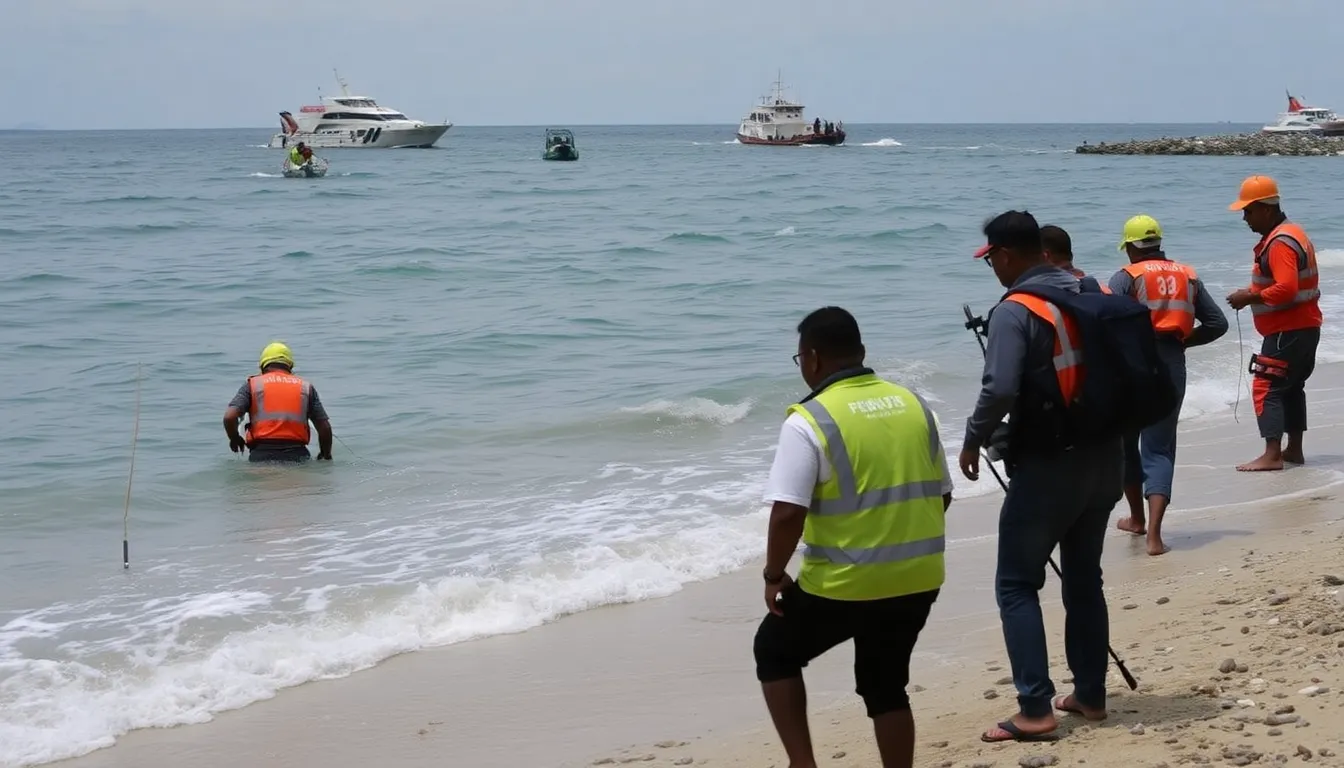
However, the ferry industry in the Philippines has faced longstanding challenges, including safety concerns, regulatory issues, and overcapacity. The country has experienced several maritime disasters, prompting calls for stricter safety regulations and better enforcement. Notably, the sinking of the MV Dona Paz in 1987, which resulted in the deaths of over 4,300 people, remains one of the deadliest maritime disasters in history. Such incidents have raised awareness about the need for improved safety standards and accountability within the ferry sector, which is crucial for the safety of passengers and the proper regulation of operations.
Regulatory Framework and Safety Measures
In response to past tragedies, the Philippine government established the Maritime Industry Authority (MARINA) to oversee the regulation of ferry operations. Despite these efforts, enforcement of safety measures has often been inconsistent, leading to complacency among operators. Many ferries are overcrowded, and maintenance practices can be inadequate, raising the risk of accidents. The recent sinking of a ferry carrying 300 passengers highlights the urgent need for comprehensive reforms and adherence to safety protocols to prevent further loss of life.
Additionally, the economic factors influencing ferry operations cannot be overlooked. Many ferry companies operate on thin margins, often prioritizing profit over safety. This economic pressure can lead to compromises in vessel maintenance and crew training, contributing to the precarious nature of ferry travel in the region. As the population continues to grow and tourism thrives, the demand for reliable and safe ferry services becomes increasingly critical.
The tragic incident serves as a reminder of the vulnerabilities inherent in the ferry transportation system in the Philippines. As the nation grapples with the aftermath of this disaster, it faces a pivotal moment to reevaluate its commitment to maritime safety and the welfare of its citizens who depend on these essential services.
Key stakeholders and issues surrounding maritime safety
The tragic sinking of a ferry in the Philippines, resulting in the loss of eighteen lives, brings to light the complex interplay of various stakeholders involved in maritime safety. Key actors include the Philippine government, ferry operators, maritime regulatory bodies, and the affected families of passengers. Each of these groups has distinct interests and concerns that shape the broader narrative surrounding this incident, emphasizing the urgent necessity for comprehensive reforms in maritime safety practices.
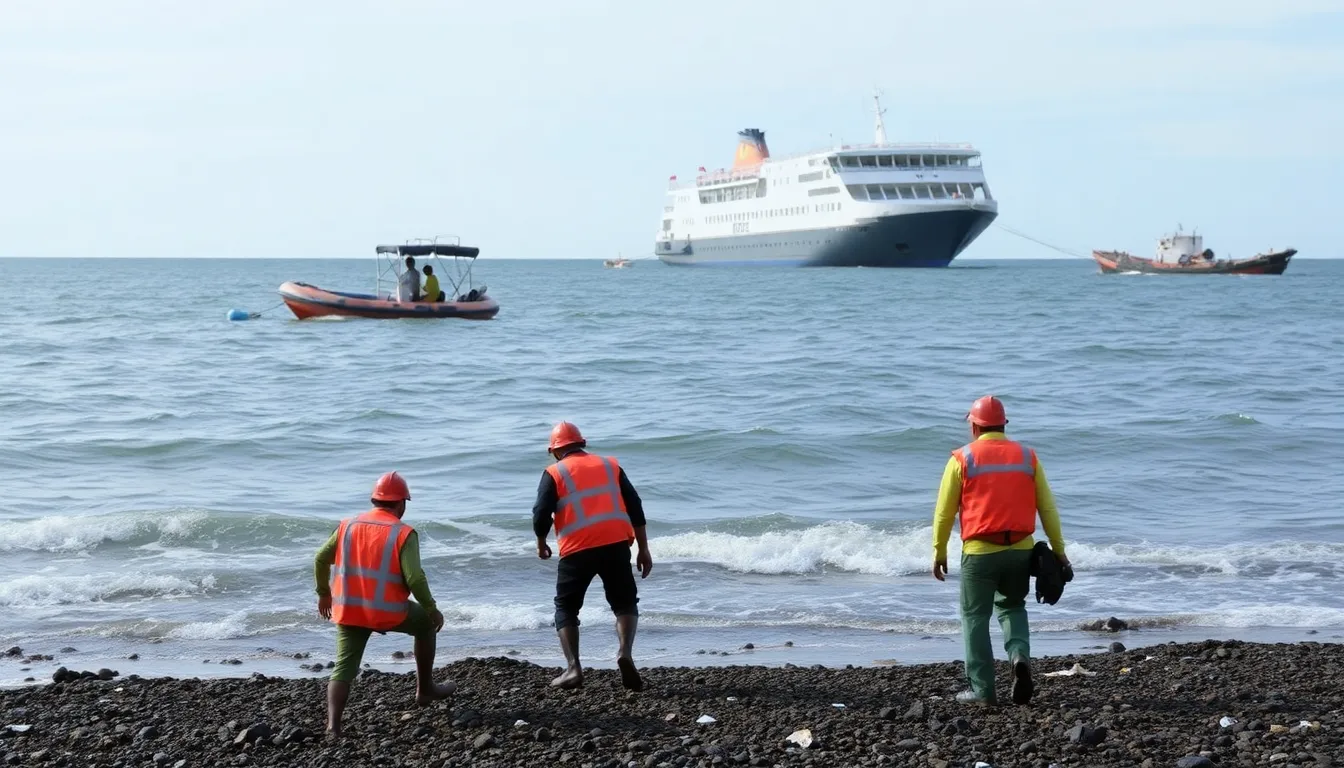
The Philippine government, through its maritime agencies, has a vested interest in ensuring the safety of its transportation systems. This includes enforcing regulations and conducting inspections to prevent such disasters. However, the government also faces challenges in balancing economic growth with safety standards, particularly in a nation heavily reliant on maritime transport for both commerce and tourism.
Ferry operators, on the other hand, are primarily concerned with profitability and operational efficiency. They may face pressure to minimize costs, which can lead to compromises in safety measures. The conflict between ensuring passenger safety and maintaining a profitable operation is a crucial issue that often emerges in discussions about maritime safety in the Philippines.
- Regulatory Compliance: The effectiveness of existing maritime regulations and their enforcement is a critical issue that needs addressing.
- Economic Pressures: The financial challenges faced by ferry operators can lead to safety shortcuts, raising concerns about accountability.
- Public Awareness: The need for increased public awareness regarding safety protocols and passenger rights is essential in preventing future tragedies.
- Legal Accountability: Determining liability in such incidents poses significant legal challenges, impacting victims’ families and operators alike.
Lastly, the families of the victims represent a poignant stakeholder group, grappling with loss and seeking justice. Their interests often conflict with those of ferry operators and regulatory bodies, as they demand accountability and reform to prevent future accidents. The interplay of these stakeholders and the issues they face highlights the urgent need for comprehensive reforms in maritime safety practices in the Philippines.
Impact on victims’ families and the local community
The tragic sinking of the ferry in the Philippines has left a profound impact on the victims’ families, who are now grappling with the loss of loved ones. This incident not only affects the immediate families of the deceased but also ripples through the local community, creating a shared atmosphere of grief and uncertainty.
In the short term, local businesses that depend on tourism and ferry services may experience a decline in customer confidence. The maritime industry, already vulnerable to accidents, faces increased scrutiny and potential regulatory changes. Communities reliant on ferry services for transportation and trade may find their daily routines disrupted, affecting both personal and economic activities.
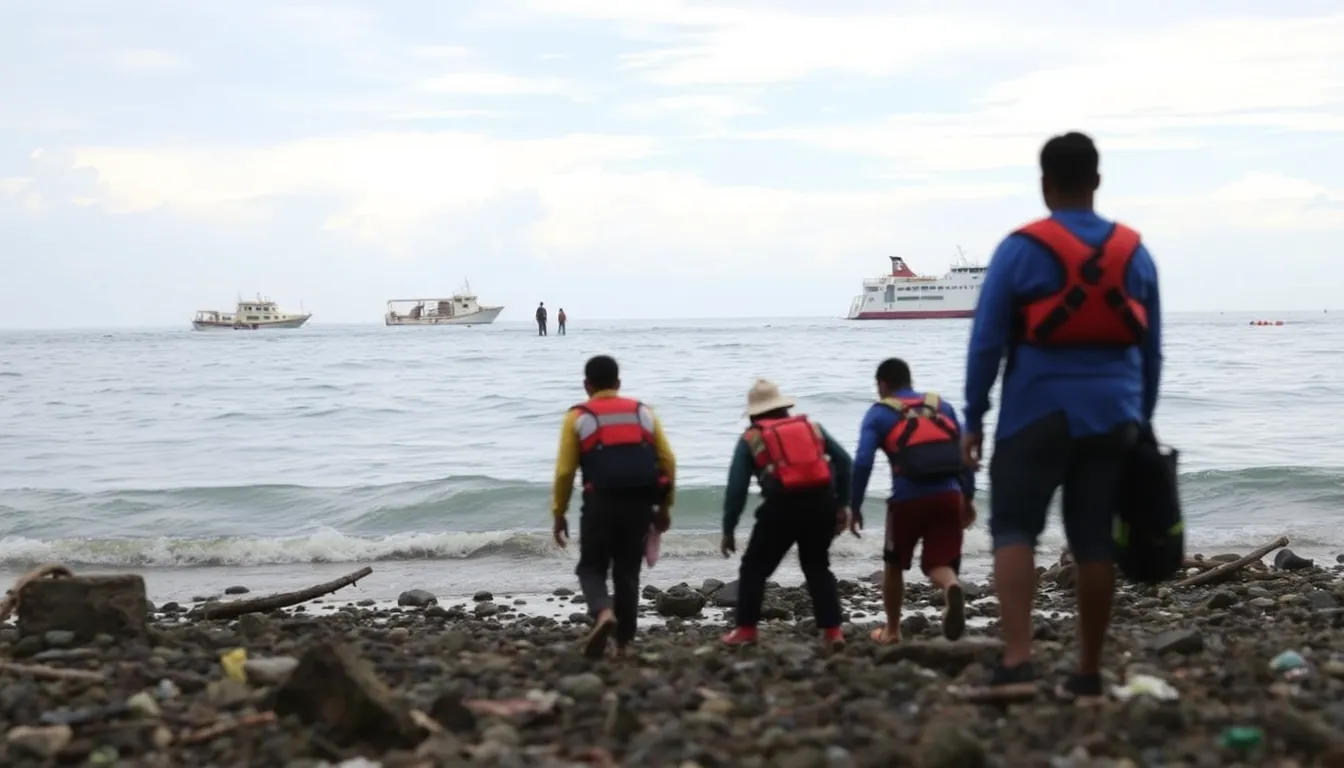
Moreover, the local government may need to allocate resources for rescue operations and support for the affected families, which could strain budgets and divert funds from other essential services. In the mid-term, there could be a push for stricter safety regulations in the shipping industry, potentially leading to increased operational costs for ferry operators.
- Increased emotional and financial strain on victims’ families.
- Potential decline in local tourism and business revenue.
- Heightened regulatory scrutiny on maritime safety.
- Community solidarity efforts may emerge to support families.
- Opportunities for safety innovation in the ferry industry.
While the immediate aftermath is marked by loss and hardship, there may also be opportunities for local businesses to pivot and adapt to new safety standards, potentially fostering a culture of innovation in maritime operations. Additionally, community-driven support initiatives could strengthen local bonds, creating a more resilient social fabric in the face of tragedy.
A: The exact cause is still under investigation, but initial reports suggest rough seas and possible overloading may have contributed. A: Authorities have confirmed that over 250 passengers were rescued, with ongoing efforts to locate any remaining individuals. A: The government is reviewing safety regulations and conducting inspections on other ferries to prevent future incidents. A: Yes, many survivors have been accounted for and are receiving medical assistance and support. A: Donations and support can be directed to local charities and organizations assisting the affected families.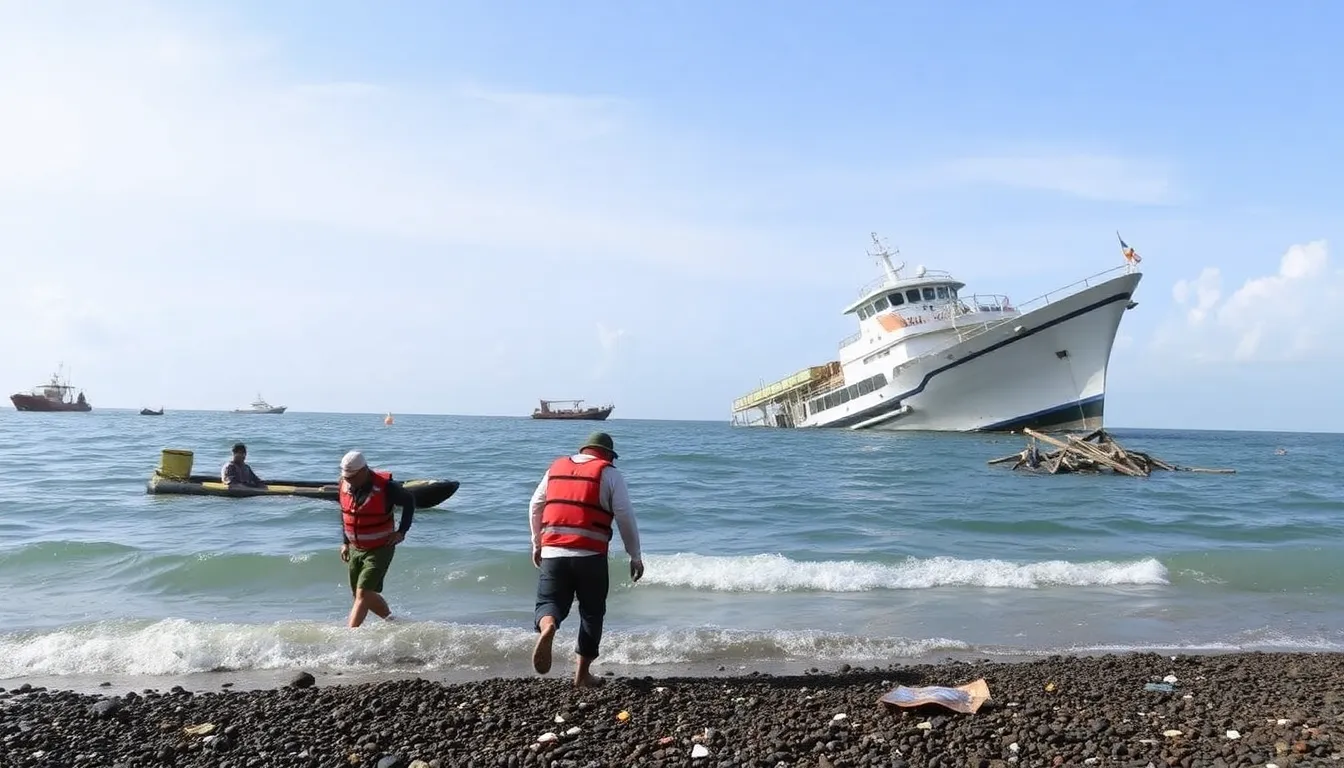
Frequently asked questions about the ferry sinking
Key takeaways and future outlook on maritime safety
The tragic sinking of the ferry in the Philippines, resulting in the loss of eighteen lives, underscores the urgent need for enhanced maritime safety measures. As investigations unfold, it is crucial to reflect on the systemic issues that contribute to such disasters, including vessel maintenance, regulatory oversight, and emergency preparedness. This incident serves as a stark reminder of the vulnerabilities faced by maritime transport in regions heavily reliant on ferries for connectivity.
Moving forward, stakeholders must prioritize the implementation of robust safety protocols and training programs for crew members. Additionally, the government and maritime authorities should consider stricter regulations and regular inspections to prevent similar tragedies. The focus should also extend to public awareness campaigns that educate passengers on safety procedures during maritime travel.
- Increased scrutiny on ferry safety standards and vessel inspections may emerge as a priority for maritime authorities.
- Potential for enhanced training programs for crew members to effectively manage emergencies on board.
- Public awareness initiatives could be developed to inform passengers about safety protocols and emergency procedures.
- Long-term implications may include a reevaluation of maritime transport policies in the Philippines.
- International cooperation may be sought to improve maritime safety practices across similar regions.