


Local authorities have stated that the tickets are being issued for violations of parking regulations, as many drivers are leaving their vehicles unattended while waiting in line. However, critics argue that the enforcement of these rules during a time of crisis is unreasonable and adds unnecessary financial burden to drivers already facing difficulties due to rising fuel prices. This situation has been mirrored in other sectors, as seen in the article about struggling pig farmers who are similarly affected by pressing economic conditions.
As of October 2023, several advocacy groups have begun to mobilize in response to the situation, calling for a temporary suspension of parking enforcement at petrol stations. They argue that the current circumstances warrant a reevaluation of parking policies to accommodate the unique challenges posed by the fuel shortage. This movement has gained traction on social media, with many sharing their experiences and urging local governments to reconsider their stance.
The debate over the appropriateness of issuing parking tickets in these circumstances has drawn attention from local media and politicians alike. Some officials have expressed support for drivers, suggesting that a more lenient approach could be taken during this challenging period. As the situation evolves, it remains to be seen how local governments will respond to the growing outcry from the public, which could significantly influence public opinion on various regulatory matters.
Understanding the background of parking enforcement at fuel stations
The issue of parking enforcement at fuel stations has evolved over the years, influenced by a combination of economic pressures, urban planning policies, and changing consumer behaviors. Historically, petrol stations were designed primarily for quick refueling, but the rise of convenience stores and additional services has transformed them into multi-functional spaces where drivers may spend more time than originally intended. This shift has led to increased scrutiny regarding how parking is managed at these locations.

In the past, the enforcement of parking regulations was relatively lax, with many drivers assuming they could park for extended periods without consequence. However, as urban areas became more congested and the demand for parking spaces grew, local governments and private operators began to implement stricter enforcement measures. This included the introduction of parking tickets for vehicles that are left unattended while drivers queue for fuel, which has sparked controversy among motorists and fuel retailers alike.
Key Milestones in Parking Enforcement
Several key milestones have marked the evolution of parking enforcement at fuel stations. In the early 2000s, the introduction of automated ticketing systems allowed for more efficient monitoring of parking violations. This technology enabled operators to issue tickets without the need for a physical presence, leading to an increase in the number of fines issued. Additionally, high-profile cases of ticket disputes have brought public attention to the issue, prompting discussions about fairness and the appropriateness of fines for drivers who are merely waiting to refuel.
Moreover, the economic impact of parking fines has not gone unnoticed. With rising fuel prices and the financial burden of everyday expenses, many drivers view parking tickets as an unfair penalty that exacerbates their financial strain. This has led to calls for a reevaluation of parking enforcement practices at fuel stations, with advocates arguing for more lenient policies that take into account the unique nature of fuel station operations and customer behavior, much like the findings in the study on happiest cities which suggest a need for policies that promote well-being.
As the debate continues, it is essential to consider the balance between maintaining order in crowded urban environments and ensuring that drivers are treated fairly. The investigation into parking tickets for drivers queuing at petrol stations is not just about fines; it reflects broader societal concerns regarding consumer rights, urban mobility, and the role of regulatory frameworks in everyday life.
Key stakeholders and issues surrounding parking ticket enforcement
The investigation into parking tickets issued to drivers queuing at petrol stations has brought several stakeholders into focus. These include local governments, petrol station owners, motorists, and law enforcement agencies. Each group has distinct interests that can lead to conflicts and varying perspectives on the enforcement of parking regulations.

Local governments are primarily concerned with maintaining public order and ensuring that traffic flows smoothly. They rely on parking enforcement as a tool to manage congestion and promote compliance with traffic laws. However, the issuance of tickets to drivers waiting in line for fuel raises questions about fairness and the practical implications of such enforcement.
Petrol station owners have a vested interest in the situation as well. They want to ensure that customers can access their services without unnecessary delays. However, they also have to navigate the regulations set by local authorities, which can sometimes be at odds with their business interests. This creates a tension between ensuring customer access and adhering to parking regulations.
Motorists, the most directly affected party, often express frustration over receiving tickets while waiting in line for fuel. Many argue that the enforcement of parking rules in these situations is unreasonable, especially when the wait times can be unpredictable. This perspective raises important questions about the balance between law enforcement and common sense in unique scenarios such as queuing at petrol stations.
- Legal implications: The legality of issuing tickets in these circumstances is being scrutinized, raising potential challenges for local governments.
- Economic impact: The financial burden of parking fines on motorists may lead to broader economic implications, affecting consumer behavior.
- Public perception: The way enforcement is perceived by the public can influence trust in local authorities and their policies.
- Operational challenges: Petrol stations may face operational difficulties in managing queues while complying with local regulations.
- Policy development: The need for clearer policies regarding parking enforcement at petrol stations is becoming increasingly evident.
The impact of parking tickets on drivers and petrol station operations
The investigation into parking tickets issued to drivers queuing at petrol stations has raised concerns among various groups, including motorists, petrol station owners, and local governments. Motorists, particularly those in areas with limited fuel options, face the risk of fines while waiting to refuel, which can lead to frustration and financial strain. Petrol station operators may experience changes in customer behavior as drivers reconsider their choices based on the potential for parking penalties.
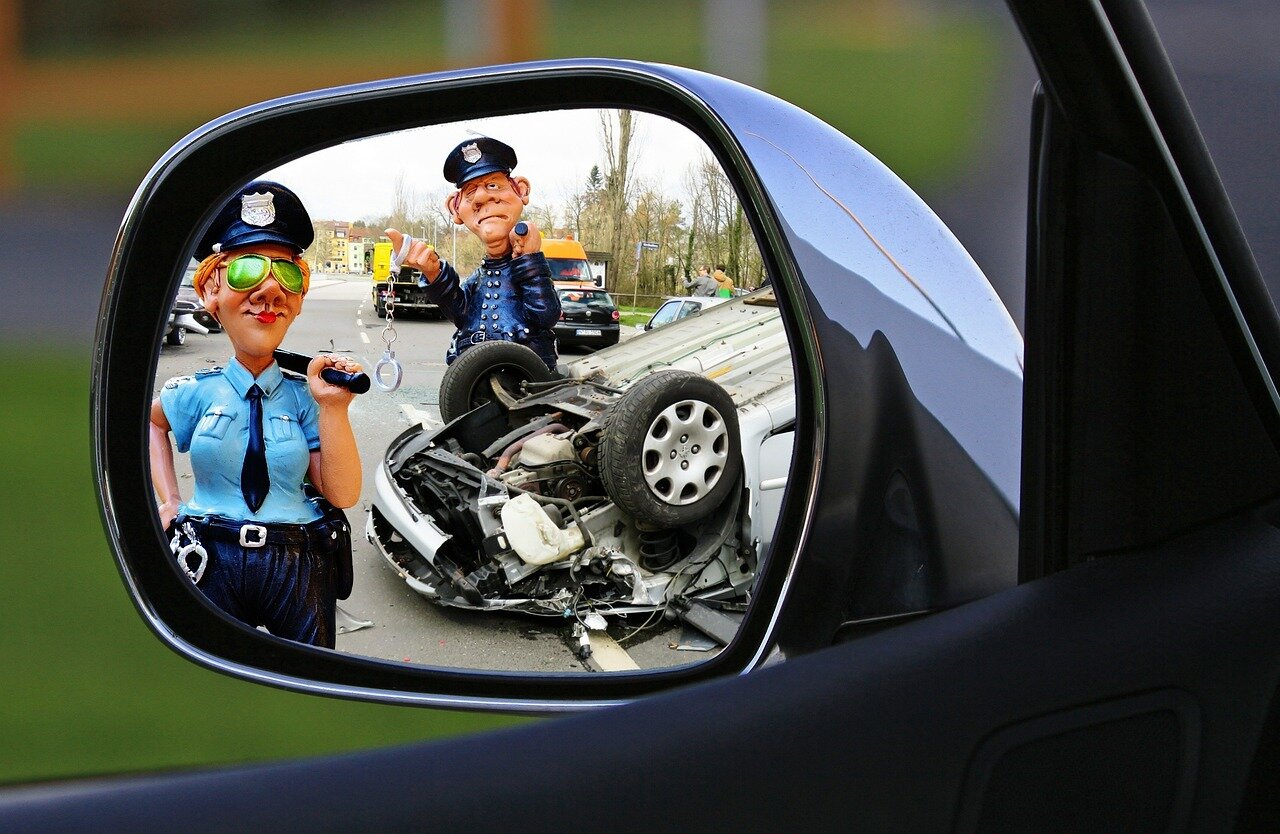
In the short term, the issuance of parking tickets can disrupt daily life for drivers, especially during peak hours when fuel demand is high. This could lead to increased traffic congestion as motorists seek alternative routes or stations. Additionally, petrol stations may see a decline in customer traffic if drivers opt to avoid locations where queuing is common, impacting sales and revenue.
In the mid-term, local governments may need to reassess parking regulations and enforcement policies to balance the needs of drivers with the operational realities of petrol stations. This could lead to policy changes aimed at providing designated waiting areas or adjusting ticketing practices to accommodate fuel queues. Such changes could also foster discussions about urban planning and infrastructure improvements in areas with high petrol station density.
- Risks: Increased fines for drivers, potential loss of revenue for petrol stations, and heightened traffic congestion.
- Opportunities: Policy reforms that could improve urban infrastructure, potential for better customer service practices at petrol stations, and enhanced driver awareness of parking regulations.
Ultimately, the investigation highlights the need for a balanced approach that considers the rights and responsibilities of drivers while supporting the operational needs of petrol stations. Stakeholders must work together to find solutions that minimize disruption and enhance the overall experience for everyone involved.
A: Drivers are being ticketed for occupying parking spaces while waiting in line, which some authorities argue violates parking regulations. A: Drivers may face fines and increased frustration, leading to a call for clearer regulations regarding waiting vehicles. A: While petrol stations may not directly issue tickets, they often partner with local authorities to enforce parking regulations. A: Drivers can contest tickets by providing evidence of their situation, such as receipts or witness statements, to the relevant authority. A: Yes, some lawmakers are considering new regulations to protect drivers waiting for fuel from unfair ticketing practices.
Frequently asked questions about parking tickets at petrol stations
Insights and future outlook on parking ticket investigations
The ongoing investigation into parking tickets issued to drivers waiting at petrol stations raises significant questions about the balance between traffic enforcement and the practical realities faced by motorists. As authorities assess the legality and fairness of these tickets, it becomes essential to consider the broader implications for both drivers and regulatory practices. The outcomes of this inquiry could lead to changes in how parking regulations are enforced, particularly in high-demand areas like fuel stations.
Furthermore, this situation highlights the need for clearer communication between local governments and the public regarding parking policies. As the investigation unfolds, stakeholders should remain vigilant about potential reforms that could enhance the driving experience while ensuring compliance with traffic laws.
- Regulatory Changes: Anticipate potential adjustments in parking enforcement policies that may alleviate the burden on drivers at petrol stations.
- Public Awareness: Increased efforts may emerge to educate drivers about parking regulations, particularly in areas where queuing is common.
- Technological Solutions: The use of technology, such as real-time parking information systems, could be explored to better manage traffic and reduce confusion.
- Community Engagement: Local authorities might seek feedback from the community to better understand the practical challenges faced by drivers and address them effectively.