


Key treaties that once governed nuclear weapons, such as the Intermediate-Range Nuclear Forces Treaty (INF), have either been abandoned or allowed to lapse. The INF Treaty, which was in effect since 1987, was officially terminated in August 2019 after the U.S. accused Russia of violating its terms. Similarly, the New START treaty, which limits the number of deployed strategic nuclear warheads, is facing uncertainties as its future remains in question amid rising tensions.
In addition to the actions of established nuclear states, countries like North Korea continue to advance their nuclear programs, complicating the global security environment. North Korea’s ongoing missile tests and nuclear developments have drawn international condemnation and heightened fears of proliferation. These developments underscore the challenges of achieving a cohesive global framework for nuclear arms control.
The implications of this evolving situation are profound, as nations reassess their security strategies in light of perceived threats. The potential for miscalculation or accidental conflict increases as more states pursue advanced nuclear capabilities. Without effective arms control measures, the risk of nuclear confrontation may rise, calling into question the future of global peace and security.
Understanding the historical backdrop of nuclear arms agreements
The landscape of nuclear arms control has evolved significantly since the Cold War, a period marked by intense rivalry between the United States and the Soviet Union. The fear of mutually assured destruction led to the establishment of various treaties aimed at curbing the proliferation of nuclear weapons. Key milestones such as the Nuclear Non-Proliferation Treaty (NPT) in 1968 and the Strategic Arms Limitation Talks (SALT) in the 1970s set the framework for international nuclear governance, fostering a climate of dialogue and cooperation.
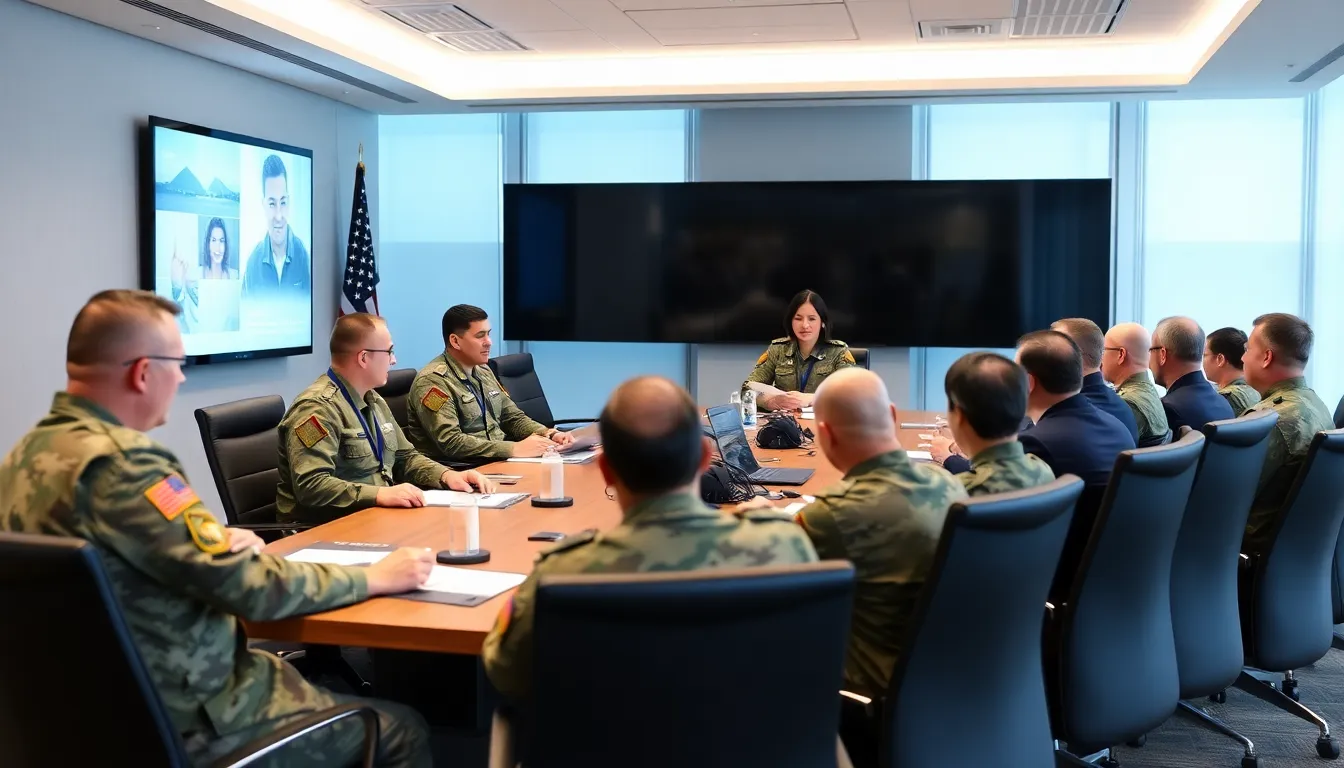
In the following decades, additional agreements like the Intermediate-Range Nuclear Forces Treaty (INF) in 1987 showcased a willingness to reduce arsenals and mitigate tensions. However, the post-Cold War era brought new challenges. The dissolution of the Soviet Union led to a shift in focus as emerging powers sought to develop their own nuclear capabilities, complicating the global arms control landscape.
The Rise of New Nuclear Powers
As established powers like the U.S. and Russia grappled with aging nuclear stockpiles, nations such as North Korea and Iran pursued their own nuclear ambitions, often citing regional threats as justification. This proliferation has eroded the norms established by earlier treaties and sparked a global arms race. The withdrawal of major powers from existing agreements, such as the U.S. exit from the INF Treaty in 2019, has further underscored the fragility of the arms control framework.
The economic implications of this shift are profound, as nations allocate substantial resources towards nuclear modernization programs. The prioritization of military spending over social and economic development raises questions about the long-term sustainability of such policies. As countries race to enhance their nuclear capabilities, the prospect of renewed arms control efforts becomes increasingly uncertain, leaving the global community at a critical juncture.
Key stakeholders and the major issues at play in nuclear disarmament
The landscape of nuclear arms control is shaped by a variety of stakeholders, each with distinct interests and agendas. Key actors include nation-states, international organizations, and advocacy groups. Among the most influential are the United States, Russia, China, and NATO member countries, all of which possess significant nuclear arsenals and have vested interests in maintaining or expanding their strategic capabilities.
The United States and Russia, as the two largest nuclear powers, are particularly critical in this discourse. Their bilateral relations have historically influenced global nuclear policy, with arms control agreements such as the New START treaty playing a pivotal role. However, recent geopolitical tensions have led to a deterioration of trust and a shift towards modernization of nuclear arsenals, raising concerns about a renewed arms race.
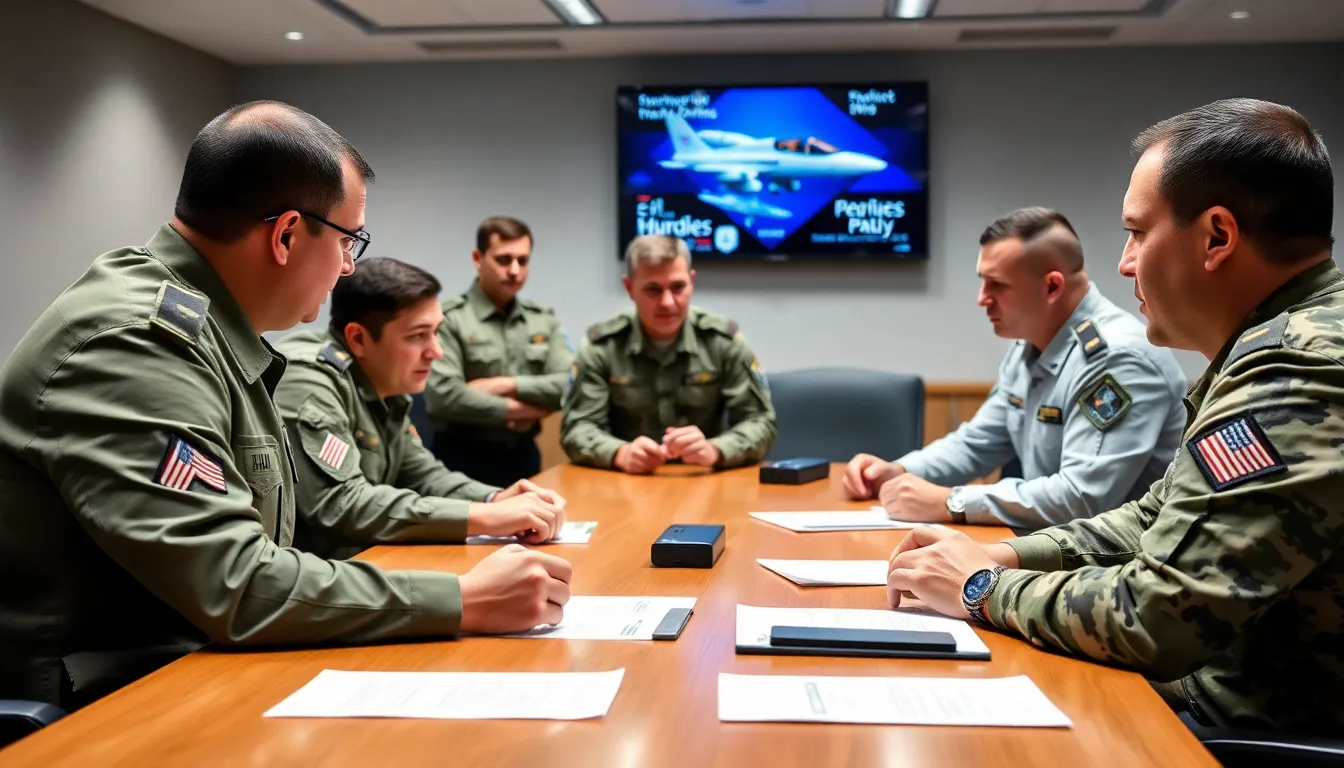
China’s growing nuclear capabilities and its reluctance to engage in disarmament discussions further complicate the situation. As China expands its arsenal, the U.S. and its allies are pressured to respond, leading to an escalation of military posturing in the Asia-Pacific region. This dynamic creates a complex web of security dilemmas, where one nation’s defensive measures are perceived as aggressive by another.
International organizations, such as the United Nations and the International Atomic Energy Agency (IAEA), play a crucial role in promoting non-proliferation and disarmament initiatives. However, their effectiveness is often hampered by the lack of cooperation from key states. Advocacy groups also strive to raise awareness and push for disarmament, but they face significant challenges in influencing state behavior amidst competing national interests.
- The potential collapse of existing arms control agreements, leading to an unchecked arms race.
- The impact of emerging technologies, such as cyber warfare and artificial intelligence, on nuclear strategy.
- The challenge of addressing the security concerns of smaller nuclear states and non-nuclear weapon states.
- The role of economic factors, including military spending and the influence of defense contractors.
- The need for a renewed dialogue on disarmament that includes all nuclear-capable states.
How the end of arms control affects global security and markets
The conclusion of the nuclear arms control era is poised to have far-reaching consequences across various sectors and regions. Governments, defense contractors, and international organizations will be directly impacted as the landscape of global security shifts.
In the short term, nations may accelerate their military spending in response to perceived threats, particularly in regions like Eastern Europe and East Asia, where geopolitical tensions are already high. This could result in a surge of contracts for defense industries, benefiting companies involved in the production of advanced weaponry and military technology. However, the diversion of resources to defense spending may come at the expense of critical social programs and infrastructure development.
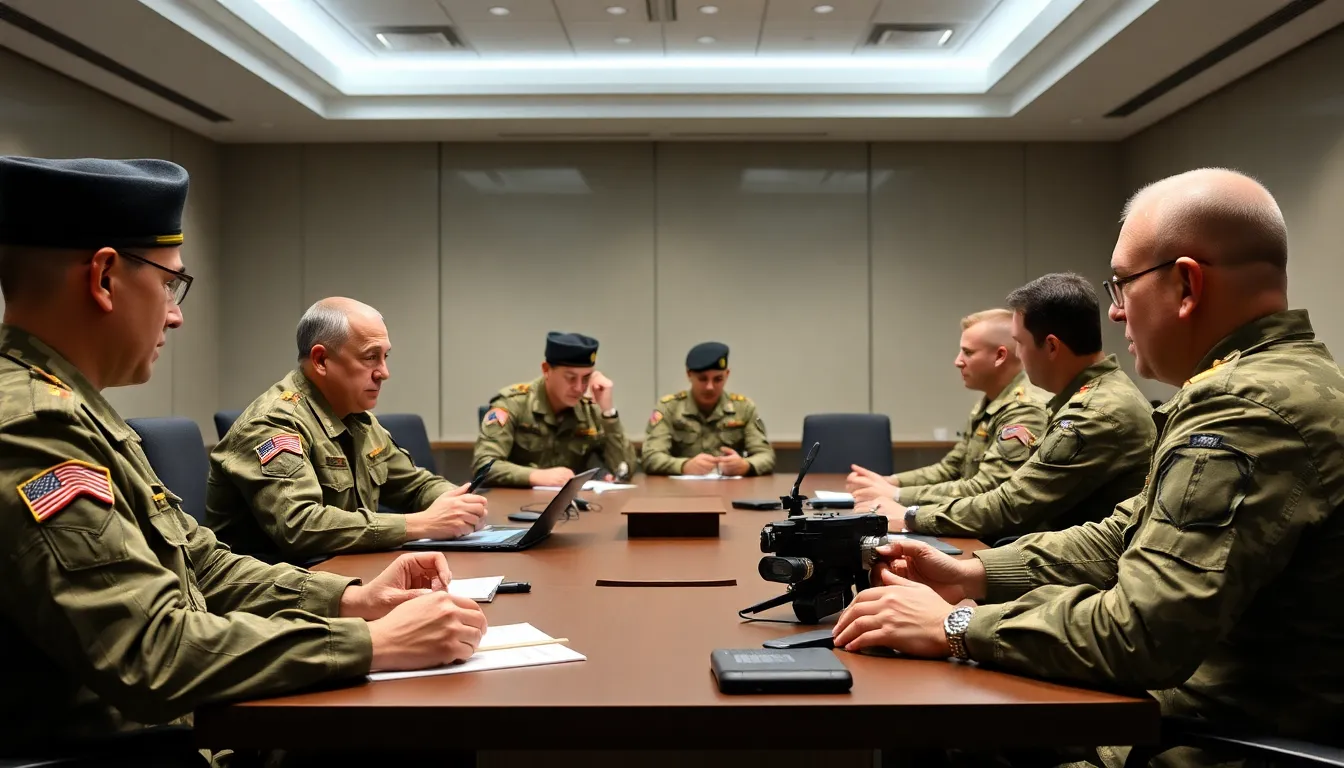
Mid-term impacts could include a reshaping of international alliances as countries reassess their security strategies. Nations may seek to form new coalitions or partnerships to counterbalance emerging threats, potentially leading to an arms race. The risk of miscalculations and military confrontations increases, which can disrupt global markets and trade routes, affecting industries reliant on stability, such as energy and commodities.
- Increased defense spending: Enhanced budgets for military capabilities may lead to economic growth in defense sectors.
- Regional instability: Heightened tensions could disrupt trade and investment in affected areas.
- Opportunities for innovation: Demand for new technologies may spur advancements in defense-related fields.
- Potential for conflict: Rising risks of military confrontations could lead to humanitarian crises.
As nations navigate this complex landscape, both risks and opportunities will shape the future of global security and economic stability. The interplay between military readiness and diplomatic efforts will be crucial in determining the outcomes of this new era.
A: The end of the nuclear arms control era is attributed to the breakdown of key treaties and the increasing competition among nations to develop advanced weaponry. A: Major powers such as the United States, Russia, and China are significantly affected, as they are engaged in a race to enhance their military capabilities. A: The new arms race could lead to increased tensions, potential conflicts, and a higher likelihood of nuclear proliferation. A: The shift away from arms control may destabilize international security frameworks, making diplomatic resolutions more challenging. A: While some nations advocate for renewed arms control discussions, the current geopolitical climate complicates these efforts.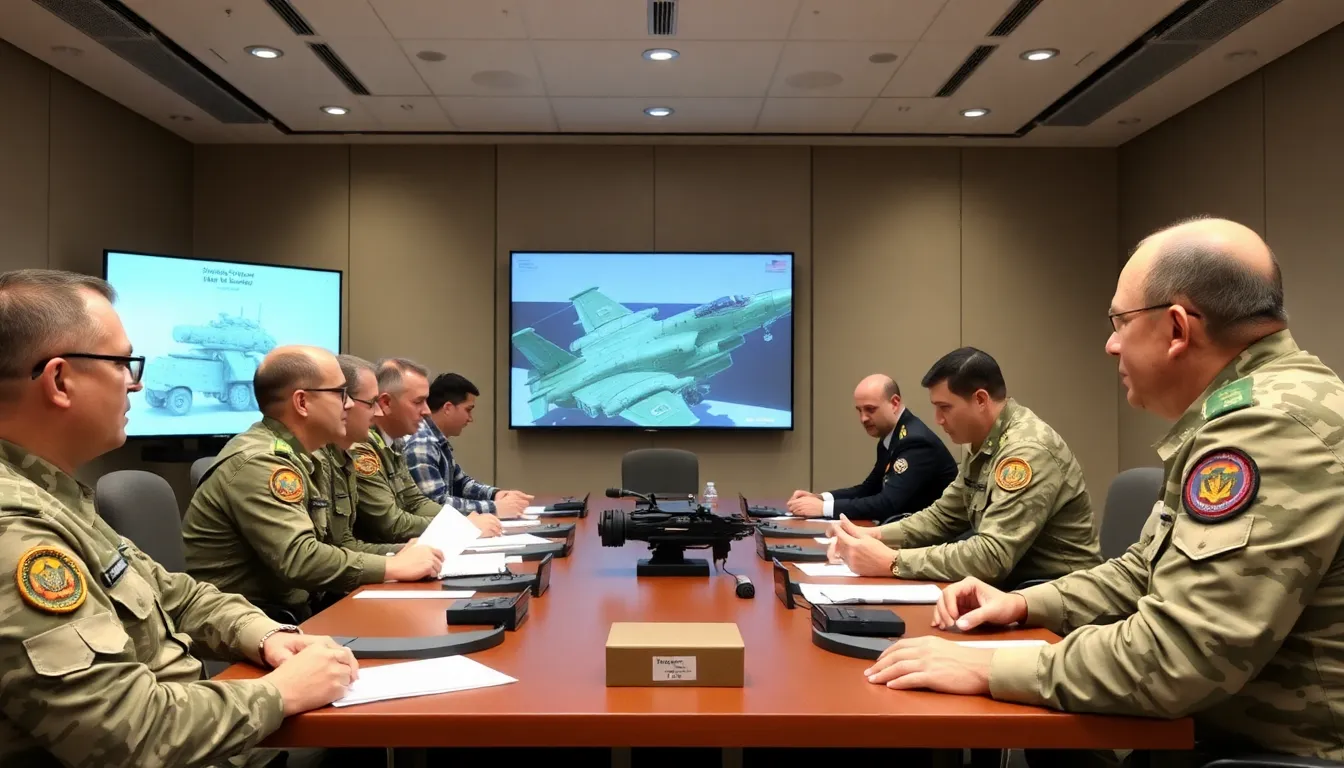
Frequently asked questions about nuclear arms control
Future outlook on nuclear arms and global security dynamics
The shifting landscape of nuclear arms control signifies a pivotal moment in global security dynamics. As nations prioritize military advancements and new weaponry, the traditional frameworks that have governed nuclear proliferation are increasingly under strain. This transition raises critical questions about future diplomatic engagements and the potential for renewed arms races.
In this context, the international community must navigate a complex interplay of power, deterrence, and diplomacy. The erosion of established treaties could lead to heightened tensions, prompting nations to reassess their security strategies and alliances. Observers should remain vigilant about the implications of these developments for global stability and the potential for conflict.
- Increased military spending: Expect a surge in defense budgets as countries invest in new technologies and capabilities, potentially diverting resources from social and economic development.
- Diplomatic challenges: The breakdown of arms control agreements may lead to a more fragmented international security environment, complicating negotiations on disarmament and non-proliferation.
- Regional tensions: Watch for escalating conflicts in regions with existing nuclear capabilities, as nations may feel compelled to enhance their arsenals in response to perceived threats.
- Emergence of new alliances: The pursuit of advanced weapons may drive countries to forge new partnerships, altering the balance of power and influencing geopolitical dynamics.
- Public discourse on nuclear weapons: Increased awareness and debate around the implications of nuclear arsenals could lead to greater advocacy for disarmament initiatives among civil society and policymakers.