


Furukawa highlighted the importance of longevity in gaming hardware, suggesting that a longer lifecycle could enhance customer satisfaction and foster a dedicated user base. The original Switch has been praised for its versatility and strong game library, setting a high bar for its successor. For a deeper look at the console’s impact, check out our article on Eve Online’s developer and innovations in gaming.
As Nintendo prepares for the unveiling of the Switch 2, expected in late 2024 or early 2025, the company faces pressure to innovate while maintaining the core features that have made the Switch a success. Analysts speculate that a focus on backward compatibility and an expanded online service could be key components in ensuring the new console resonates with both existing fans and new players. This is particularly relevant in light of our recent findings on the flaws of personalized gaming experiences.
However, the push for longevity raises several conflicts and trade-offs. For instance, while a longer console lifecycle can lead to sustained revenue, it may also limit the introduction of new technologies and innovations that could attract consumers. Additionally, maintaining a balance between hardware capabilities and affordability is crucial, as higher production costs could lead to increased retail prices, potentially alienating budget-conscious gamers. This balance is something our analysis in Rosalía’s artistic journey sheds light on, exploring how market dynamics influence consumer responses.
Understanding the success of the original Nintendo Switch
Launched in March 2017, the Nintendo Switch quickly became a cultural phenomenon, blending handheld and home console gaming into a single, versatile device. The innovative design allowed players to enjoy games both on the go and on a television, appealing to a wide range of audiences, from casual gamers to dedicated enthusiasts. Its unique hybrid functionality set it apart from competitors, leading to impressive sales figures and a loyal fan base.
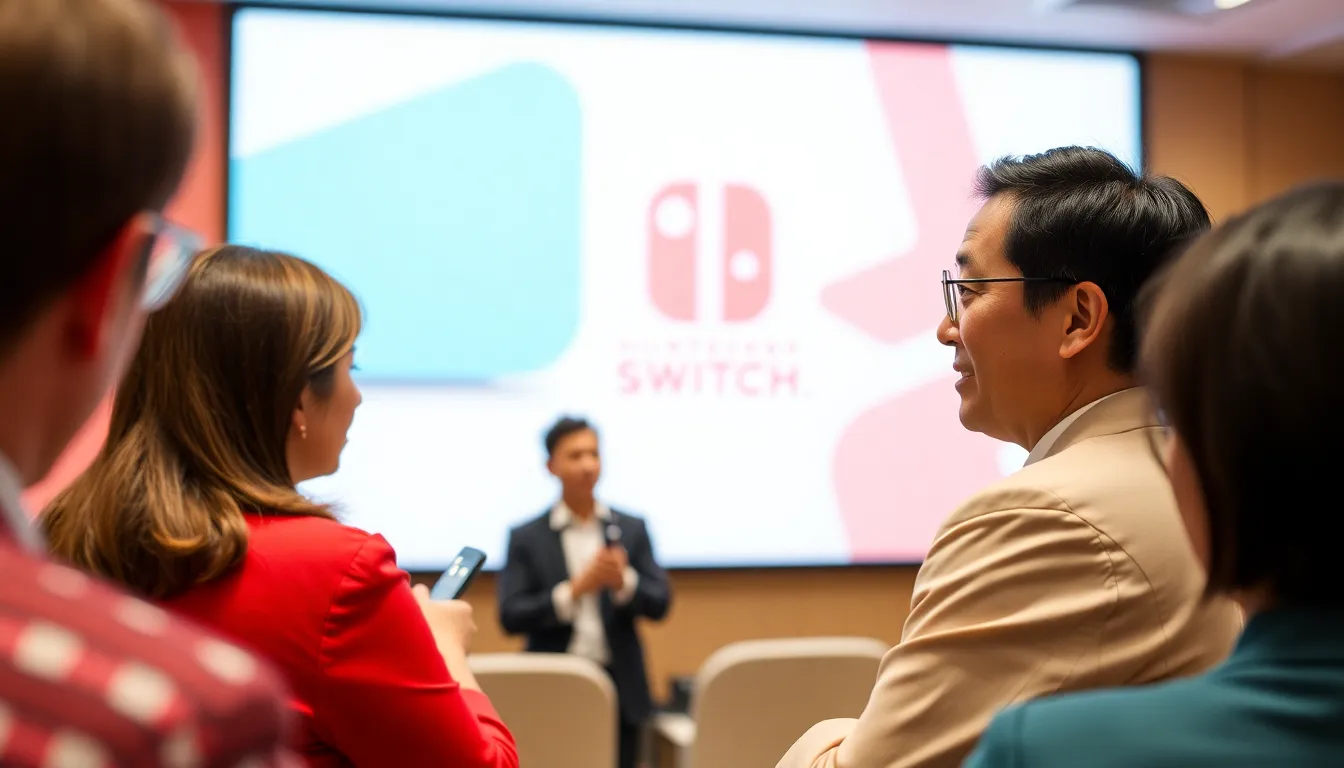
The Switch’s success can be attributed to several key factors, including a strong lineup of exclusive titles such as “The Legend of Zelda: Breath of the Wild” and “Super Mario Odyssey.” These games not only showcased the console’s capabilities but also revitalized interest in Nintendo’s iconic franchises. Additionally, the company effectively leveraged nostalgia while introducing new IPs, creating a balanced portfolio that attracted both new players and long-time fans.
Economically, the Switch’s launch coincided with a resurgence in the gaming industry, as more consumers sought entertainment options during the rise of mobile gaming and the increasing accessibility of gaming technology. Nintendo’s decision to release the Switch at a competitive price point further solidified its market position, allowing it to capture a larger share of the gaming demographic.
Key milestones in Nintendo’s console evolution
Nintendo’s journey to the Switch began long before its release, with previous consoles like the Wii and Wii U laying the groundwork for innovation. The Wii, launched in 2006, introduced motion controls and became a household name, while the Wii U struggled with market reception but provided valuable lessons in branding and consumer engagement. These experiences shaped Nintendo’s approach to the Switch, focusing on user-friendly design and a robust game library.
As the Switch approaches its sixth anniversary, Nintendo’s president has expressed a desire for the successor to match the original system’s longevity and impact. This aspiration reflects a broader trend in the gaming industry, where companies strive to create enduring platforms that can evolve with technology and consumer preferences, ensuring sustained relevance in a rapidly changing market.
Key stakeholders and their interests in Switch 2’s longevity
Nintendo’s President Shuntaro Furukawa has expressed a desire for the upcoming Switch 2 to achieve a lifespan comparable to that of the original Nintendo Switch, which has been a commercial success since its launch in 2017. This ambition reflects not only a commitment to quality and innovation but also the interests of various stakeholders involved in the gaming ecosystem.
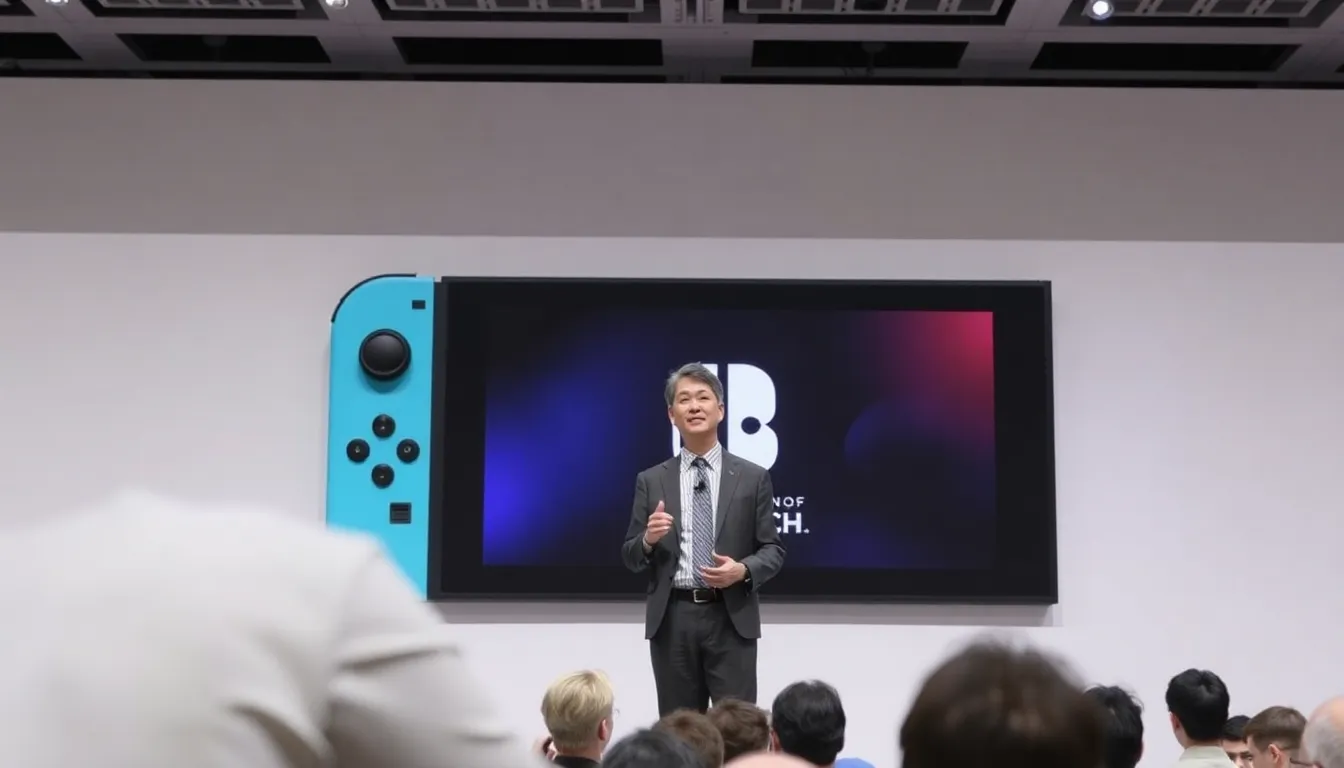
Key stakeholders include:
- Nintendo Executives: They aim to ensure the company’s financial stability and market leadership by creating a product that can sustain consumer interest over a longer period.
- Consumers: Gamers are looking for longevity and value in their purchases, seeking a console that will receive support through software updates and new game releases for years.
- Game Developers: Developers want a platform that provides them with a stable audience and the ability to create content that can thrive over an extended lifecycle.
- Retail Partners: Retailers have a vested interest in a console that drives sales not only of the hardware but also of accessories and games, contributing to overall profitability.
- Investors: Investors are focused on Nintendo’s long-term growth and profitability, which can be significantly influenced by the success and longevity of its hardware products.
However, the push for longevity raises several conflicts and trade-offs. For instance, while a longer console lifecycle can lead to sustained revenue, it may also limit the introduction of new technologies and innovations that could attract consumers. Additionally, maintaining a balance between hardware capabilities and affordability is crucial, as higher production costs could lead to increased retail prices, potentially alienating budget-conscious gamers.
Furthermore, legal and economic issues may arise concerning software support and backward compatibility, which are essential for ensuring a smooth transition for consumers upgrading from the original Switch. As Nintendo navigates these complexities, the company must consider how its decisions will impact not only its brand reputation but also the broader gaming landscape.
Potential impact on gamers and the gaming market
The announcement regarding Nintendo’s intention for the Switch 2 to match the longevity of the original system has significant implications for various stakeholders in the gaming industry. Key groups affected include gamers, game developers, retailers, and even peripheral accessory manufacturers.
In the short term, gamers may experience heightened anticipation and excitement as they await the new console. This could lead to increased sales of existing Switch games and accessories as consumers prepare for the transition. Retailers might see a surge in demand for current-generation products, creating a temporary boost in revenue.
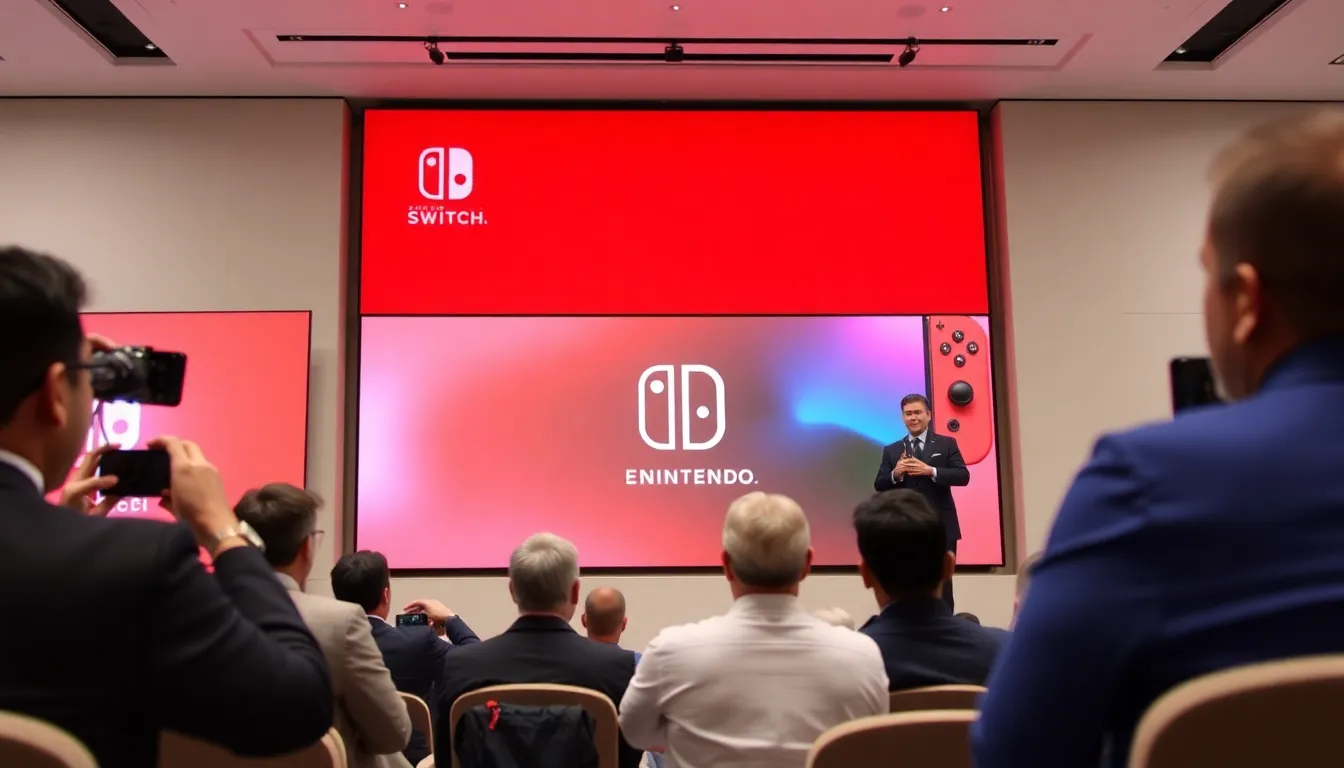
In the mid-term, the gaming market could witness a shift in development focus. Game developers may begin to optimize their titles for the new hardware, potentially leading to innovative gameplay experiences. However, this transition could also pose risks, as smaller studios may struggle to keep up with the demands of developing for a new system, potentially leading to a consolidation of the industry.
- Opportunities: Enhanced game experiences and longer product cycles.
- Risks: Market saturation and financial strain on smaller developers.
- Impact on Retail: Fluctuating sales patterns as consumers adjust to new offerings.
Regions with a strong gaming culture, such as North America, Europe, and parts of Asia, may experience a more pronounced impact. The potential for increased job creation in the tech and gaming sectors could also arise, fostering economic growth in these areas.
A: While specific features are not confirmed, it is anticipated that the Switch 2 will include enhanced graphics, improved performance, and possibly new gameplay mechanics. A: The original Nintendo Switch has had a notably long lifespan compared to many other consoles, which typically see shorter life cycles before replacements are introduced. A: Although no official release date has been announced, industry speculation suggests that the Switch 2 could launch in the next couple of years. A: There is hope among fans that the Switch 2 will support backward compatibility, allowing players to enjoy their existing game library. A: A long lifespan for the Switch 2 would indicate Nintendo’s focus on sustained engagement with its user base and a commitment to ongoing support and game development.
Frequently asked questions about Switch 2
Looking ahead at the future of Nintendo’s gaming strategy
Nintendo’s President has signaled a desire for the upcoming Switch 2 to achieve a lifespan comparable to its predecessor, the original Switch. This ambition reflects a broader strategy aimed at maintaining consumer engagement and maximizing the platform’s potential in an increasingly competitive gaming landscape. As the industry evolves, Nintendo’s commitment to longevity could reshape its approach to hardware and software development.
With the gaming market continuously shifting towards more dynamic and versatile systems, the implications of this strategy are significant. A focus on durability and long-term support may not only enhance player loyalty but also influence how developers create content for the Switch 2, ensuring a steady stream of innovative games that leverage the system’s capabilities.
- Watch for announcements regarding backward compatibility with original Switch titles, which could enhance the appeal of the new system.
- Consider how Nintendo’s approach to game development might shift to accommodate a longer hardware lifecycle, potentially leading to more expansive and evolving game experiences.
- Monitor consumer reception to the Switch 2’s features, as feedback will likely guide Nintendo’s future hardware and software strategies.
- Keep an eye on partnerships with third-party developers, as their involvement will be crucial in sustaining the ecosystem around the Switch 2.
- Evaluate how Nintendo’s commitment to a longer lifespan may impact its competition with other gaming platforms, particularly in terms of user engagement and market share.