


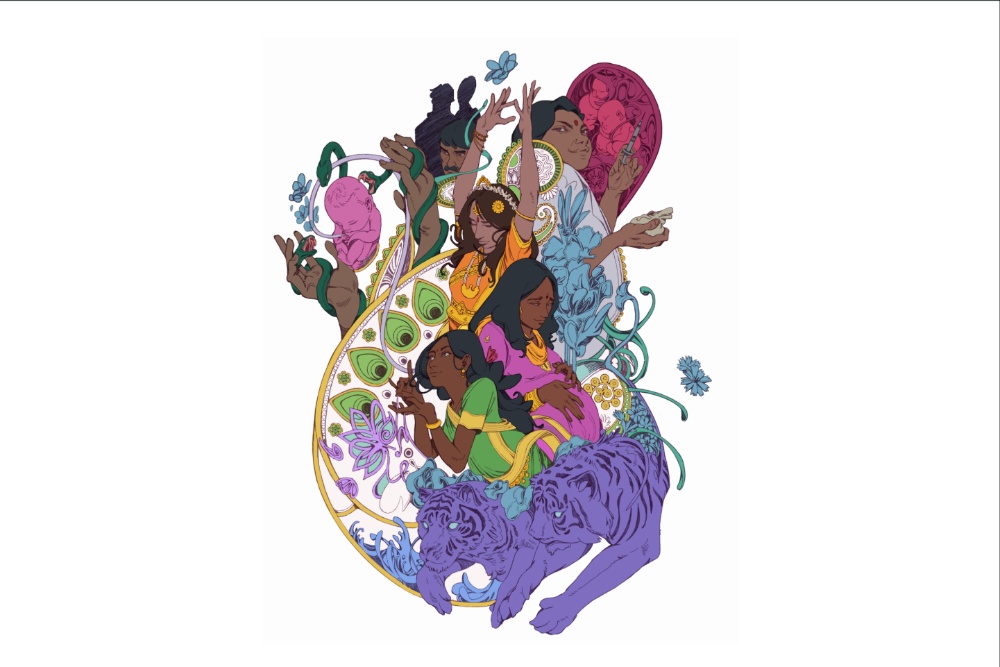
Produced by a consortium of European and Indian studios, Neelu is set to benefit from the diverse expertise and resources of its international partners. The film’s storyline, which revolves around cultural themes and environmental awareness, resonates with audiences worldwide, making it an appealing project for co-production. This partnership is expected to leverage the strengths of the participating countries’ animation industries.
The co-production deal also underscores the increasing collaboration between Indian filmmakers and international markets. By joining forces with established European animation firms, the creators of Neelu are poised to enhance the film’s artistic and technical aspects. Such partnerships not only elevate the quality of the film but also promote cultural exchange and understanding through storytelling.

As the film industry continues to evolve, Neelu stands as a testament to the potential of Indian animation in the global market. With its international co-production, the film aims to set a new benchmark for future projects, encouraging more Indian creators to explore overseas collaborations. The release date and further details about the film’s distribution strategy are anticipated in the coming months with insights comparable to recent industry trends.
The significance of co-production deals in the animation industry
Co-production deals have increasingly become a vital strategy in the animation industry, allowing countries to pool resources, share risks, and access broader markets. In recent years, the globalization of media has created a demand for diverse content, prompting countries to collaborate on projects that combine unique cultural narratives with universal appeal. This trend is particularly evident in the case of Indian animation, which has gained prominence on the international stage, showcasing rich storytelling traditions and innovative techniques.
The recent co-production deal for the Indian animation film ‘Neelu’ with Spain, France, and Belgium marks a significant milestone in India’s growing presence in the global animation landscape. Historically, Indian animation has faced challenges, including limited funding and a lack of international exposure. However, with the rise of digital platforms and an increasing appetite for animated content worldwide, Indian filmmakers are now better positioned to enter collaborative agreements that enhance their production capabilities and distribution reach.

Key milestones in this evolution include the establishment of various film festivals and markets that promote animation, such as the Annecy International Animation Film Festival and the International Animation Day. These platforms have not only highlighted the work of Indian animators but have also facilitated networking opportunities that lead to co-production agreements. Furthermore, the Indian government’s initiatives to support the creative industries have provided a conducive environment for such collaborations, offering incentives and fostering partnerships with international studios.
The role of cultural exchange in animation
Cultural exchange plays a crucial role in the success of co-productions, as it allows filmmakers to blend different artistic styles and storytelling techniques. The collaboration between Indian and European filmmakers in projects like ‘Neelu’ exemplifies how diverse cultural influences can enhance narrative depth and visual creativity. As animation continues to serve as a medium for cross-cultural dialogue, the potential for innovative storytelling increases, making co-production deals not just economically beneficial but also culturally enriching.
Key stakeholders and the implications of this co-production agreement
The co-production deal for the Indian animation film ‘Neelu’ involves several key stakeholders, including production companies from India, Spain, France, and Belgium. Each of these entities has distinct interests that shape the dynamics of this collaboration. Indian production houses aim to expand their global reach and enhance their creative capabilities through international partnerships. Meanwhile, European companies are looking to tap into the growing Indian market and diversify their content offerings.

One of the primary stakeholders is the Indian government, which supports the animation industry as part of its broader cultural and economic strategy. By facilitating international co-productions, the government aims to position India as a hub for creative content, attracting foreign investment and talent. This aligns with the interests of local production companies seeking to elevate their status in the competitive global landscape.
However, this collaboration also presents potential conflicts and trade-offs. For instance, differing creative visions and cultural narratives between the stakeholders could lead to challenges in the storytelling process. Additionally, financial arrangements, such as profit-sharing and funding responsibilities, may create tensions if not clearly defined from the outset.
- Intellectual Property Rights: The co-production may raise questions about ownership and distribution rights, particularly concerning the original content created in India.
- Market Access: The agreement could provide Indian filmmakers with unprecedented access to European markets, yet it may also impose certain regulatory standards that could affect production processes.
- Cultural Representation: Ensuring that the film accurately represents Indian culture while appealing to a European audience may lead to creative compromises.
- Funding Dynamics: The financial contributions from each country will need to be balanced to prevent any party from feeling marginalized in the production process.
Ultimately, the success of this co-production will depend on the ability of all stakeholders to navigate these complexities while fostering a collaborative environment that respects each party’s interests and cultural identities.

How this deal affects the Indian animation market and international collaborations
The recent co-production deal for the Indian animation film ‘Neelu’ involving Spain, France, and Belgium signifies a pivotal moment for the Indian animation industry. This collaboration opens doors for Indian animators, studios, and filmmakers, allowing them to engage with European markets and audiences. As a result, this deal is likely to foster a greater exchange of creative ideas and techniques, enhancing the overall quality and appeal of Indian animated content.
In the short term, the deal is expected to boost the visibility of Indian animation on a global stage. Local studios may experience an influx of investment and resources, enabling them to produce higher-quality content. Moreover, there is potential for job creation within the animation sector, as more projects may lead to increased hiring of skilled professionals in India. This could also stimulate educational programs focused on animation, further strengthening the workforce.
Mid-term impacts include the establishment of long-lasting partnerships between Indian and European studios. These collaborations can lead to a more diverse range of storytelling in animation, appealing to a wider audience. However, there are risks involved, such as the possibility of cultural misrepresentation if not handled with care. It is crucial for Indian creators to maintain authenticity while integrating international influences.
- Opportunities: Increased funding and resources for local studios.
- Risks: Potential cultural misrepresentation in storytelling.
- Impact on Employment: Job creation and skill development in the animation sector.
- Market Expansion: Greater access to European audiences and markets.
Overall, the co-production deal not only positions ‘Neelu’ as a significant player in the animation landscape but also serves as a catalyst for broader international collaboration in the Indian animation industry. As this project unfolds, it will be essential to monitor its influence on market dynamics and cultural exchange between India and Europe.
A: Neelu is an animated film that follows the adventures of a young girl and her magical journey, exploring themes of friendship and courage. A: This deal is crucial as it opens doors for Indian animation in international markets, enhancing collaboration and visibility. A: The co-production involves Spain, France, and Belgium, highlighting a strong European interest in Indian animation. A: The release date has not been officially announced yet, but production is expected to begin soon. A: The film features a talented team of animators, writers, and directors from India and the collaborating European countries.
Frequently Asked Questions about Neelu’s Co-Production Deal
Future outlook for Neelu and the Indian animation industry
The successful co-production deal for ‘Neelu’ between Spain, France, and Belgium marks a significant milestone for the Indian animation sector, showcasing its growing global appeal. This collaboration not only enhances the visibility of Indian storytelling but also opens avenues for cross-cultural exchange and investment in the animation space.
As international interest in Indian animation continues to rise, it is essential to monitor how this influences industry standards, production quality, and the potential for future collaborations. The success of ‘Neelu’ could pave the way for more Indian projects to secure international partnerships, ultimately enriching the local industry and expanding its reach.
- Increased Global Collaborations: Expect more Indian animation projects to seek international co-production deals, enhancing creative diversity.
- Investment Opportunities: The deal may attract foreign investments into the Indian animation sector, fostering growth and innovation.
- Cultural Exchange: Co-productions like ‘Neelu’ can facilitate a deeper cultural exchange, allowing Indian narratives to resonate with global audiences.
- Quality Standards: Increased competition and collaboration may raise production quality standards within the Indian animation industry.
- Market Expansion: Successful international projects could lead to greater market opportunities for Indian animators and studios abroad.