


The withdrawal signifies a pivotal moment for NATO, which has been involved in Iraq since 2018 to help strengthen the Iraqi security forces. The decision to exit has been influenced by the deteriorating security situation, particularly following an increase in Iranian-backed militia attacks against foreign troops. For more context on this evolving situation, check out our article on India offering sanctuary to an Iranian ship.
As NATO departs, the implications for Iraq’s security landscape remain uncertain. The absence of NATO trainers may hinder the development of local forces, which have been reliant on international support to combat various threats, including ISIS resurgence and regional instability.
The timing of NATO’s exit is critical, as it coincides with heightened geopolitical tensions in the Middle East. With Iran’s influence growing and the potential for further conflict, the situation poses significant challenges for both Iraq and its international partners.
Understanding the background of NATO’s mission in Iraq
The North Atlantic Treaty Organization (NATO) has been involved in Iraq since 2018, primarily focusing on training and advising Iraqi security forces to enhance their capabilities in combating terrorism and ensuring stability in the region. This mission was initiated in response to the rise of ISIS and the urgent need for a coordinated international effort to support Iraq in reclaiming territory and maintaining security.
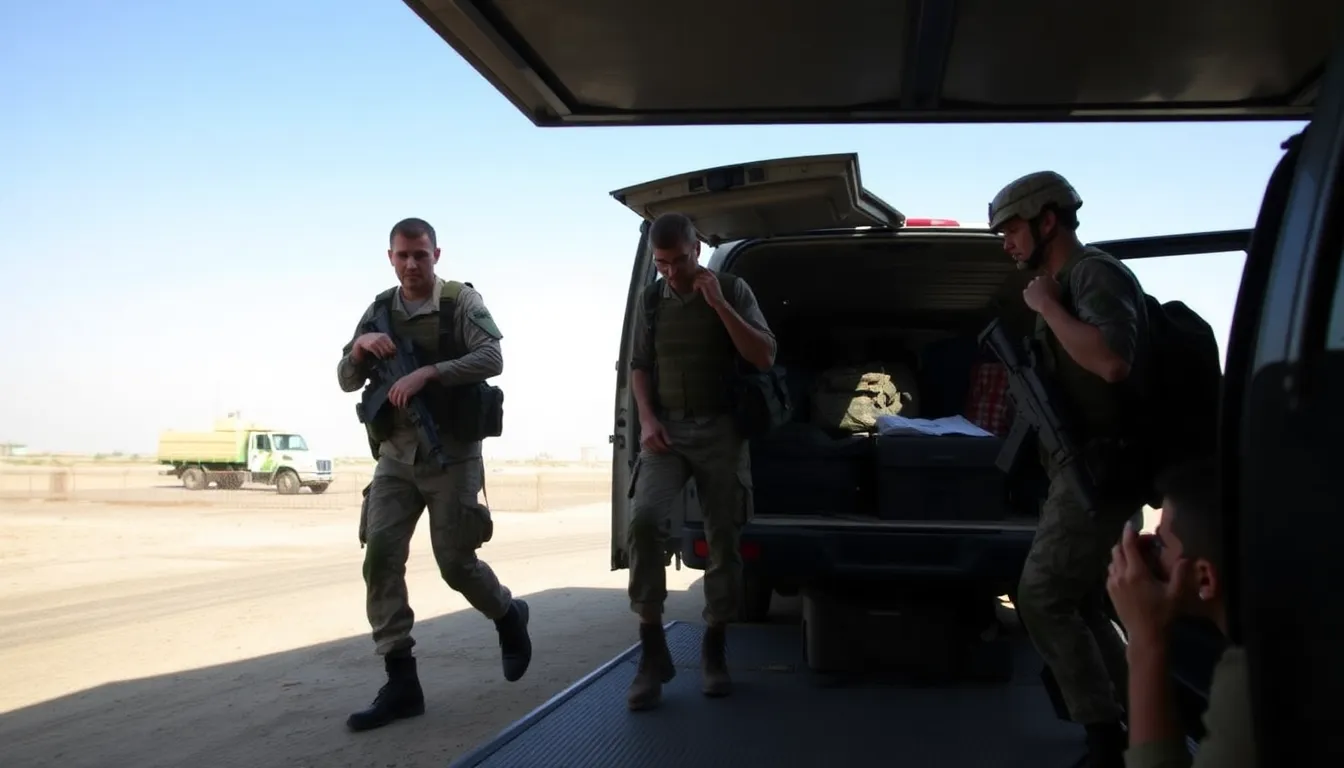
Historically, Iraq has faced a series of conflicts and political upheavals, particularly following the U.S.-led invasion in 2003. The subsequent power vacuum allowed for the emergence of various militant groups, including ISIS, which seized significant portions of Iraqi territory by 2014. The international community, including NATO, recognized the necessity of a structured approach to rebuild Iraq’s military and governmental institutions, leading to the establishment of NATO’s training mission.
Over the years, NATO’s presence in Iraq has evolved, with the alliance expanding its focus from direct combat support to a more advisory role. This shift was crucial as Iraqi forces began to take the lead in operations against ISIS. However, the mission faced challenges, including regional tensions, particularly with Iran, which has significant influence over Iraqi politics and militias. These tensions have culminated in attacks on foreign troops and installations in Iraq, complicating NATO’s operations and prompting discussions about the safety and viability of the training mission.
The Impact of Regional Dynamics
The geopolitical landscape in the Middle East plays a significant role in NATO’s mission. Iran’s support for various militia groups in Iraq has led to increased hostilities against foreign military presence, including NATO trainers. The recent escalation of strikes attributed to Iranian-backed forces has raised concerns about the safety of NATO personnel, ultimately leading to the decision to withdraw the last military trainers. This withdrawal marks a pivotal moment in NATO’s involvement in Iraq and raises questions about the future of security cooperation in the region, similar to when a US submarine sank an Iranian warship.
Analyzing the implications of NATO’s departure for regional security
The withdrawal of NATO’s last military trainers from Iraq marks a significant shift in the security landscape of the Middle East. This decision comes amid heightened tensions following recent strikes from Iran, which have raised concerns about the stability of the region. Key actors in this situation include NATO member states, the Iraqi government, Iran, and various militant groups operating within Iraq.
NATO’s primary interest in Iraq has been to support the Iraqi military in its fight against terrorism and to promote stability in the region. The withdrawal of NATO trainers could leave a vacuum that may be exploited by Iran and its proxies, potentially undermining the security gains achieved in recent years. The Iraqi government, on the other hand, is caught between its desire for sovereignty and its need for external support to counter threats from both ISIS and Iranian influence, much like the oil stockpiling by China before the war broke out in Iran.
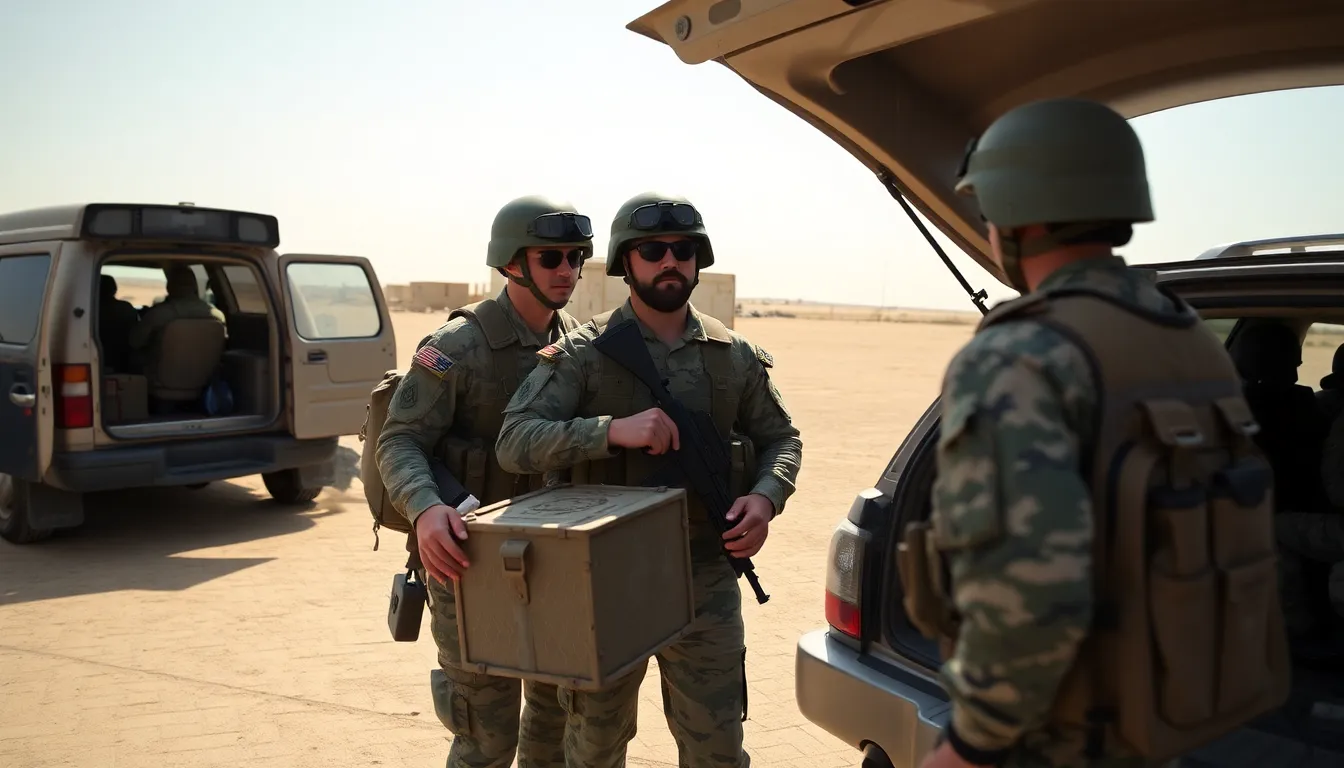
Several key issues arise from this situation:
- Power Vacuum: The absence of NATO trainers may embolden Iranian influence and increase the activities of militia groups.
- Regional Stability: The departure could destabilize Iraq, leading to potential escalations in violence and conflict.
- International Relations: The situation may strain relations between Iraq and Western allies, particularly if Iran’s influence grows.
- Humanitarian Concerns: Increased violence could lead to humanitarian crises, necessitating international intervention.
- Economic Implications: Ongoing instability may deter foreign investment and hinder Iraq’s economic recovery.
In summary, the implications of NATO’s withdrawal are multifaceted, involving a complex interplay of security, political, and economic factors. As various stakeholders navigate this changing landscape, the potential for conflict and instability remains a pressing concern for the region and beyond.
Assessing the impact on Iraqi forces and civilian safety
The withdrawal of NATO’s last military trainers from Iraq signifies a pivotal moment for the Iraqi security forces and the civilian population. This decision has immediate implications for the stability and security of the region, particularly as Iran continues its military operations. The Iraqi forces, which have been reliant on NATO’s training and support, may face challenges in maintaining operational effectiveness in the absence of this external assistance.
In the short term, the immediate impact on daily life for civilians in Iraq could be significant. The potential for increased violence and instability may lead to heightened fears among the population. Businesses, especially those in sectors such as construction, tourism, and foreign investment, might experience a downturn as security concerns escalate. The lack of military support could embolden militant groups, leading to a surge in attacks and destabilizing the already fragile situation.
Mid-term impacts may include shifts in policy as the Iraqi government reassesses its security strategies. The absence of NATO trainers could prompt Iraq to seek alternative partnerships or bolster its own military capabilities, which might lead to increased defense spending. This reallocation of resources could strain other public services and impact economic growth. Additionally, the regional dynamics may shift, with neighboring countries reassessing their positions and alliances in response to Iraq’s changing security landscape.
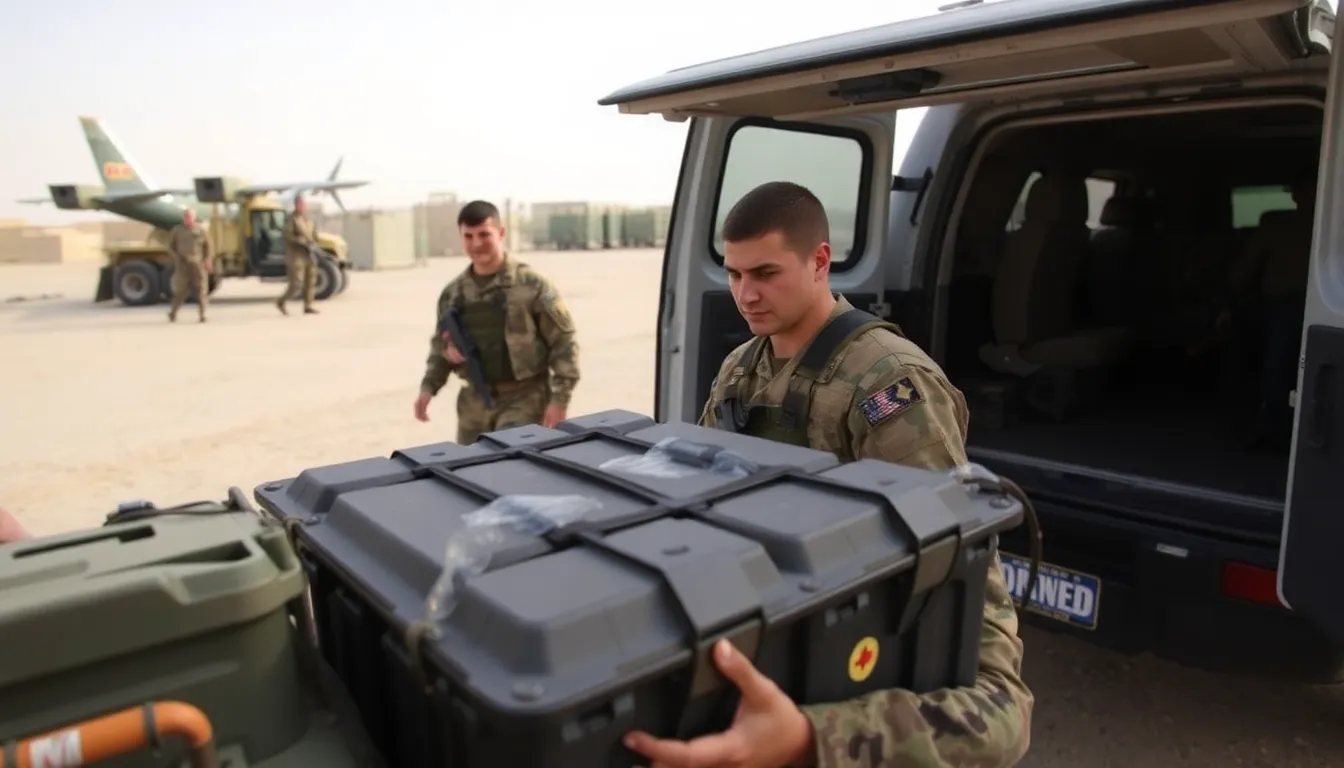
- Increased violence: Higher risks of attacks on civilians and security forces.
- Economic downturn: Potential decline in foreign investment and business operations.
- Policy shifts: Changes in defense strategies and military spending.
- Regional instability: Possible shifts in alliances and power dynamics in the Middle East.
Despite these risks, there may also be opportunities for local forces to develop greater autonomy and operational capabilities. This situation could encourage Iraq to strengthen its own military infrastructure and foster a sense of national pride and resilience among its citizens. Additionally, the potential for new partnerships with other nations or organizations could arise as Iraq seeks to navigate its security challenges independently.
A: NATO’s decision to withdraw was influenced by escalating tensions and strikes from Iran, which posed a significant threat to the safety of its personnel. A: The withdrawal may leave Iraqi security forces with fewer resources and training support, potentially hindering their effectiveness against threats. A: While NATO’s withdrawal marks a significant change, the U.S. military presence remains, although it may also reassess its role in light of regional tensions. A: The departure of NATO trainers could lead to increased instability in the region, as local forces may struggle to maintain security without external support. A: Future NATO involvement will depend on the security situation in Iraq and the broader geopolitical landscape, including relations with Iran.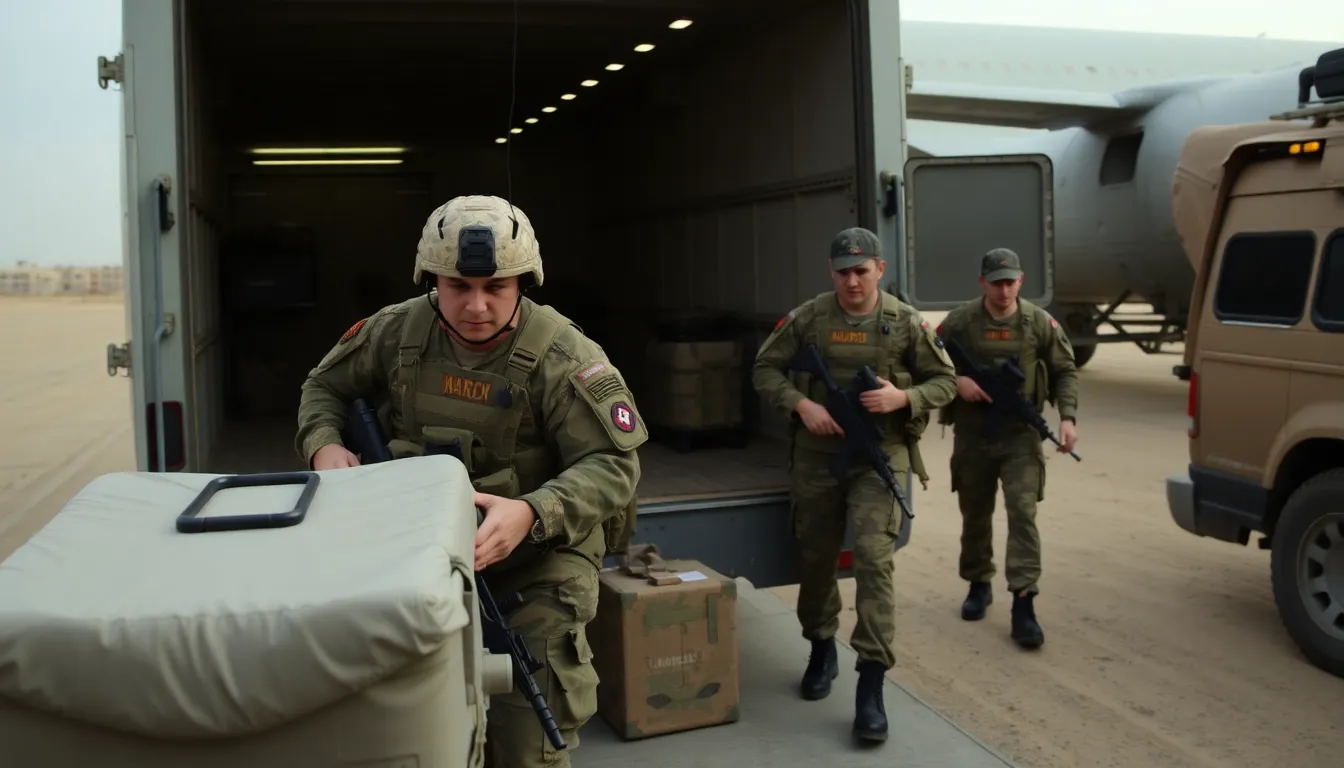
Frequently asked questions about NATO’s withdrawal
Looking ahead: potential outcomes of NATO’s exit from Iraq
The withdrawal of NATO’s last military trainers from Iraq marks a significant shift in the security landscape of the region. As the alliance steps back, Iraq faces increasing challenges, particularly from Iranian influence and regional instability. This development raises questions about the future of Iraqi security forces and their ability to maintain stability without external support.
Moreover, the exit may embolden various factions within Iraq and neighboring countries, potentially leading to a resurgence of militant activities. Observers should closely monitor how the Iraqi government navigates its relationships with both Western nations and Iran, as well as the implications for broader regional dynamics.
- Watch for potential increases in Iranian influence within Iraq as NATO’s presence diminishes.
- Monitor the response of Iraqi security forces to potential threats from militant groups in the absence of NATO support.
- Consider the implications for U.S. foreign policy in the region and its approach to countering Iranian activities.
- Keep an eye on the reactions of neighboring countries, particularly those wary of Iranian expansionism.
- Assess the impact on humanitarian efforts in Iraq as security conditions evolve.