


The Artemis I mission successfully completed its objectives, including a 25.5-day journey around the Moon, before returning to Earth on December 11, 2021. During its flight, Orion traveled approximately 1.4 million miles, surpassing the distance traveled by any spacecraft designed for humans. This extensive testing ensures that the spacecraft can safely transport astronauts in future missions, highlighting the importance of technological advancements in space exploration.
This mission is not only a technological achievement but also a symbol of international collaboration in space exploration. Nasa partnered with various space agencies and private companies, enhancing global efforts to explore the lunar surface and beyond. The Artemis program aims to return humans to the Moon by the mid-2020s, with the goal of establishing a sustainable presence, similar to the collaborative efforts seen in other global initiatives.
The significance of Artemis I extends beyond scientific exploration; it represents a renewed commitment to space exploration amid increasing interest from both governmental and commercial entities. As nations and companies invest in space technology, Nasa’s mission serves as a benchmark for future endeavors, emphasizing the importance of innovation and collaboration in achieving ambitious space goals, much like the evolution observed in sectors like finance, as noted in the JPMorgan departure.
Understanding the historical context of lunar exploration
The quest for lunar exploration has captivated human imagination since the dawn of civilization. The Moon has not only been a source of inspiration for countless myths and legends but has also driven scientific inquiry and technological advancement. The modern era of lunar exploration began in the 20th century, particularly during the Cold War, when the space race between the United States and the Soviet Union intensified. This geopolitical rivalry led to significant investments in space technology and exploration, culminating in landmark achievements that would shape the future of space travel.

One of the pivotal moments in this race was the launch of Sputnik 1 by the Soviet Union in 1957, which marked the first artificial satellite to orbit Earth. This event shocked the American public and government, prompting an urgent response that included the establishment of NASA in 1958. The agency’s primary goal was to regain technological supremacy and explore outer space, which included ambitious plans for lunar missions.
The Apollo Program: A Historic Milestone
NASA’s Apollo program, initiated in the early 1960s, represented a monumental effort aimed at landing humans on the Moon. The program achieved its primary goal with Apollo 11 in July 1969, when astronauts Neil Armstrong and Buzz Aldrin became the first humans to set foot on lunar soil. This event was not only a scientific triumph but also a significant political statement during a time of social upheaval and civil rights movements in the United States. The successful Moon landing served to unify a nation and demonstrate American ingenuity and determination on the global stage.
Following Apollo 11, subsequent missions further expanded our understanding of the Moon, including Apollo 12, 14, 15, 16, and 17. Each mission contributed valuable scientific data, collected lunar samples, and tested new technologies. However, as the excitement of lunar exploration waned, budget constraints and shifting political priorities led to the eventual cancellation of the Apollo program in 1972, marking a significant shift in the trajectory of space exploration.
In recent years, renewed interest in lunar exploration has emerged, driven by advancements in technology and a growing recognition of the Moon’s potential for scientific research and resource utilization. Various nations, including China and India, have launched their own lunar missions, while NASA has set its sights on returning humans to the Moon through the Artemis program. This resurgence reflects not only a continuation of the historical legacy of lunar exploration but also the evolving landscape of international collaboration and competition in space.
Key stakeholders and their roles in the mission
The historic NASA mission to the Moon involved a diverse array of stakeholders, each with unique interests and contributions. Key players included NASA, private aerospace companies, international space agencies, and governmental bodies. Understanding their roles provides insight into the complexities of space exploration.
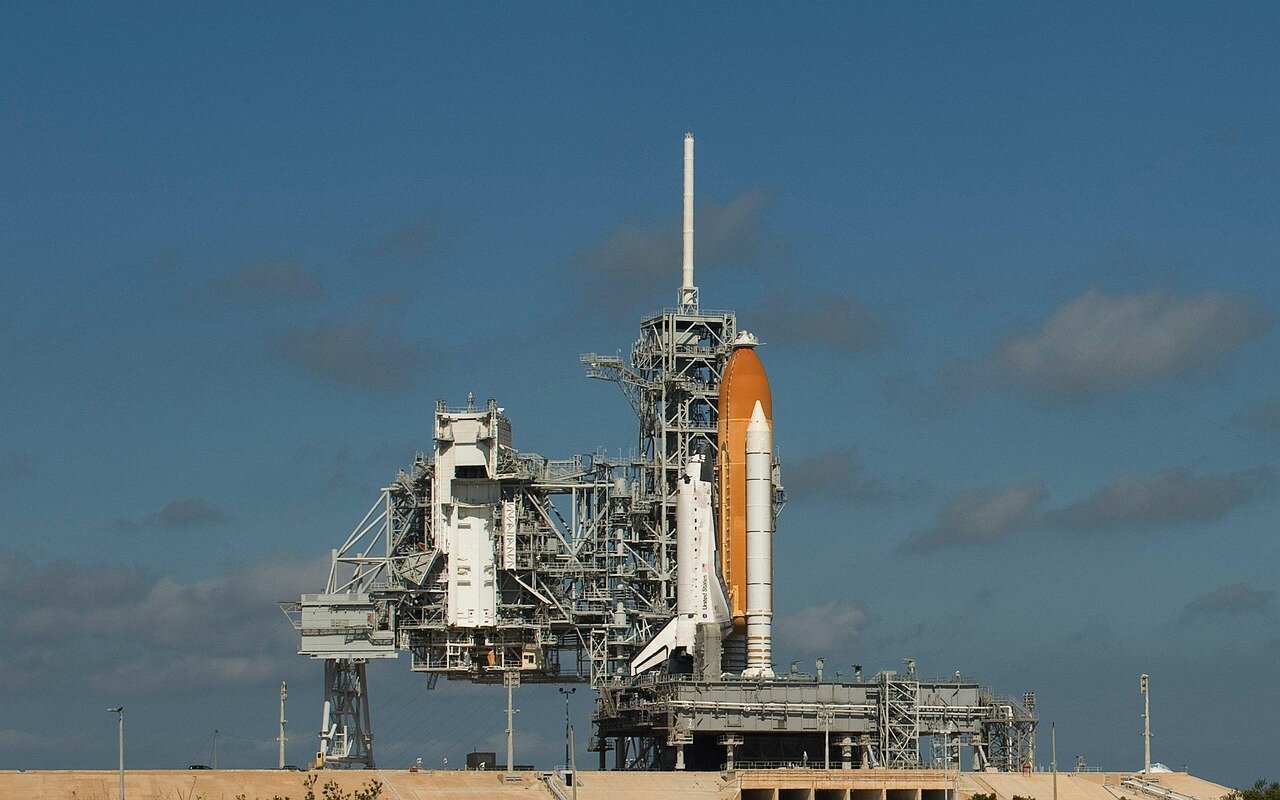
NASA, as the primary agency overseeing the mission, aimed to advance scientific knowledge and demonstrate technological capabilities. Their focus was on achieving a successful lunar landing while ensuring safety and compliance with international space treaties. The agency’s budget and funding were critical issues, often leading to debates over resource allocation and priorities.
Private aerospace companies, such as SpaceX and Blue Origin, played a significant role in providing launch services and innovative technologies. Their interests included not only financial gain but also establishing themselves as leaders in the burgeoning commercial space sector. Conflicts arose over contracts, competition for government contracts, and the implications of privatizing space exploration.
- International collaboration: Agencies like ESA and Roscosmos sought partnerships to share costs and expertise, raising questions about jurisdiction and shared responsibilities.
- Economic implications: The mission’s funding sparked debates over federal budget allocations, impacting other sectors and programs.
- Legal issues: The mission had to navigate complex international space laws, particularly regarding lunar resource utilization and ownership.
Governments around the world closely monitored the mission due to its potential geopolitical implications. The race for lunar exploration is not just about science; it also involves national prestige and strategic interests. This dynamic can lead to both cooperation and rivalry among nations, complicating international relations in the context of space exploration.
The impact of the mission on space exploration and public interest
The recent NASA mission to the Moon has far-reaching implications for various groups, industries, and regions. Space enthusiasts, scientists, and students are among those most affected, as the mission reignites interest in space exploration. The excitement generated by the successful launch and subsequent splashdown encourages educational institutions to enhance their science and technology programs, fostering a new generation of scientists and engineers.
In the short term, the mission boosts local economies, particularly in regions surrounding NASA facilities and launch sites. Businesses related to tourism, hospitality, and retail see increased activity as visitors flock to witness launches and participate in related events. This surge in interest can lead to job creation and increased funding for local projects, benefiting communities economically.

Mid-term impacts include potential shifts in policy regarding space exploration funding and international collaboration. Governments may prioritize investments in STEM (science, technology, engineering, and mathematics) education and infrastructure to support future missions. Additionally, the mission may lead to renewed discussions on space regulations and the commercialization of space, presenting both risks and opportunities for private companies in the aerospace sector.
- Increased public interest: Heightened enthusiasm for space exploration among the general public.
- Economic growth: Boost to local economies near launch sites through tourism and related industries.
- Policy shifts: Potential changes in government funding and regulations for space exploration.
- STEM education expansion: Growth in educational programs aimed at fostering interest in science and technology.
- Commercial opportunities: New avenues for private companies in the aerospace industry.
While the mission presents numerous opportunities, it also carries risks, such as the potential for increased competition among nations and private entities in space. This could lead to geopolitical tensions or concerns about the sustainability of space exploration efforts. However, the collaborative spirit that the mission embodies may also pave the way for partnerships that enhance global cooperation in space science and exploration.
A: The main goal was to explore the Moon’s surface and gather data to prepare for future human missions to Mars and beyond. A: The mission provided valuable insights into the Moon’s geology and potential resources, which are crucial for future exploration. A: Several new technologies were tested, including advanced landing systems and life support systems designed for long-duration space travel. A: The public showed immense interest, with many following the mission closely through live broadcasts and social media updates. A: Nasa plans to analyze the collected data and continue developing technologies for future missions, including potential human landings on Mars.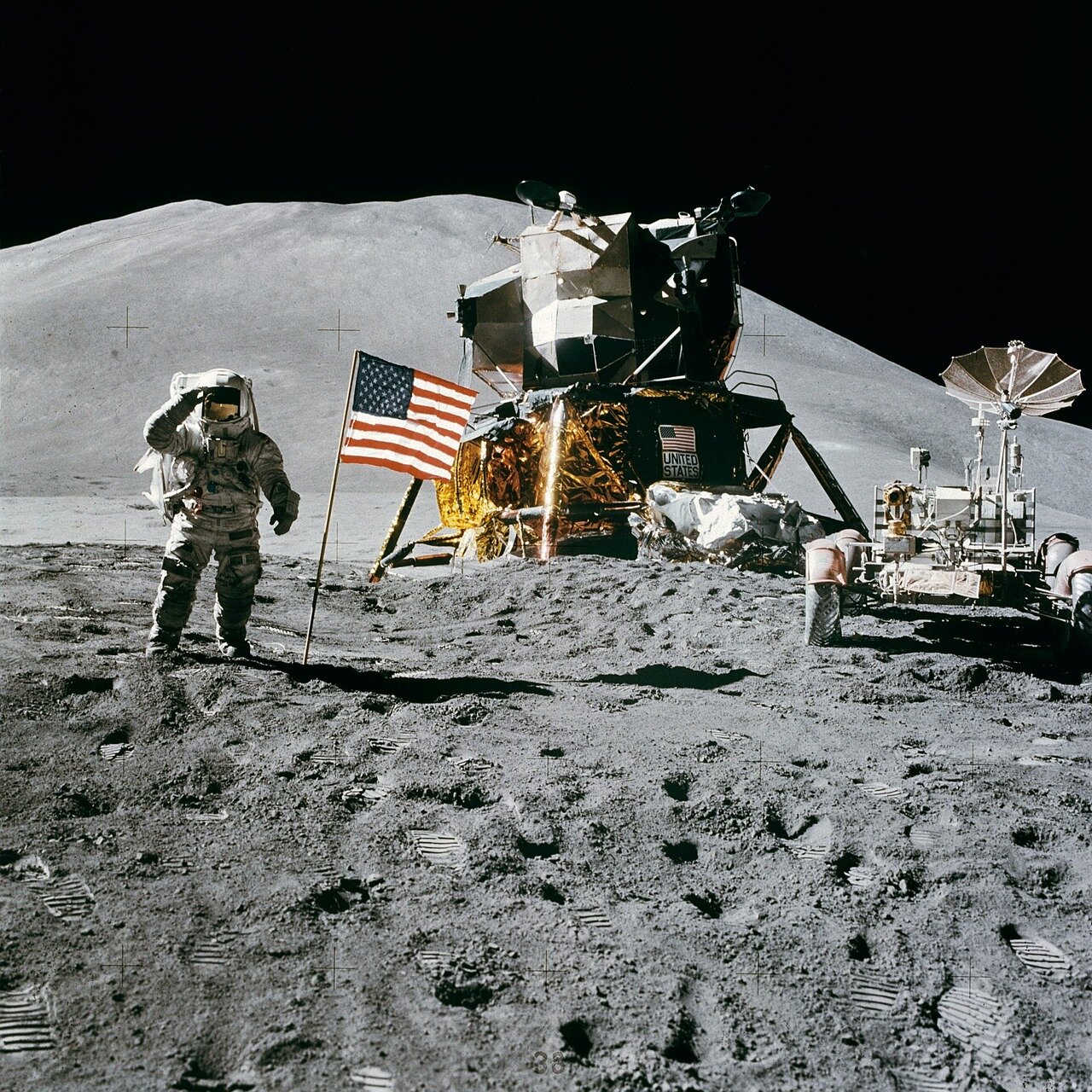
Frequently Asked Questions about the lunar mission
Key takeaways and future outlook for lunar exploration
The recent mission to the Moon has not only reignited interest in lunar exploration but also set the stage for future endeavors in space. The successful launch and safe return of the spacecraft demonstrate significant advancements in technology and mission planning. As nations and private entities increasingly invest in lunar initiatives, the implications for science, technology, and international collaboration are profound.
Looking ahead, the focus will likely shift towards sustainable exploration and potential habitation on the Moon. This mission serves as a critical stepping stone toward deeper space exploration, particularly Mars, and highlights the importance of international partnerships in achieving ambitious goals.
- Technological advancements: Continued innovation in spacecraft design and systems will enhance mission success rates and safety.
- International collaboration: Future missions will likely involve multiple countries working together, fostering a spirit of cooperation in space exploration.
- Sustainable practices: Emphasis on sustainability will guide the development of lunar bases and resource utilization, paving the way for long-term human presence.
- Public interest and investment: Increased public engagement and investment in space programs can drive further advancements and inspire future generations.
- Preparation for Mars: The lessons learned from lunar missions will directly inform strategies for future Mars exploration, making the Moon an essential testing ground.