


As of now, the crew members are expected to remain on the ISS while engineers evaluate the situation. The leak, which is believed to be small, has prompted a series of precautionary measures, including monitoring air pressure levels and conducting routine checks. NASA has emphasized the importance of ensuring a safe environment for the astronauts during their mission.
The international collaboration involved in the ISS program makes the resolution of such issues critical not only for the safety of the crew but also for ongoing scientific research conducted in microgravity, especially as it relates to future projects like NASA’s efforts for a permanent Moon base.
In the meantime, NASA continues to work closely with its Russian counterparts to address the air leak and determine the best course of action. The situation underscores the complexities of space operations and the need for effective communication and coordination among international space agencies.
Background on the International Space Station and air leak issues
The International Space Station (ISS) has been a symbol of international collaboration in space exploration since its first module was launched in 1998. Built through the combined efforts of five space agenciesNASA, Roscosmos, ESA, JAXA, and CSAthe ISS serves as a microgravity laboratory where astronauts conduct scientific research that benefits life on Earth and contributes to future space exploration missions. Over the years, the ISS has faced numerous challenges, including technical malfunctions, funding issues, and geopolitical tensions, all of which have tested the resilience of this unprecedented partnership.

One of the critical issues that has arisen in recent years is the presence of air leaks on the ISS. These leaks can pose serious risks to the safety of astronauts and the integrity of the station itself. In 2020, a significant air leak was detected, prompting investigations and repairs. The situation highlighted the aging infrastructure of the ISS and raised concerns about its long-term viability as a platform for human spaceflight. Engineers have worked diligently to identify and seal leaks, but the complexities of conducting repairs in microgravity add layers of difficulty to an already challenging environment.
This decision underscores the ongoing challenges faced by the crew and mission control, particularly as they navigate the balance between ensuring safety and continuing scientific research. For more information on NASA’s initiatives in space, check out Nasa’s plans for a permanent Moon base.
The Impact of Political and Economic Factors
The ISS operates within a framework influenced by political and economic factors that can affect its mission and funding. Budgetary constraints, shifting priorities in space exploration, and international relations can all impact the resources available for maintenance and upgrades. For instance, recent tensions between the United States and Russia have raised questions about collaboration on the ISS, which could complicate future repairs and operations. As nations strive to assert their presence in space, the ISS remains a focal point for both cooperation and competition, making its future uncertain as geopolitical dynamics evolve.
Key stakeholders and implications of the air leak repair pause
The recent decision by NASA to instruct astronauts to return to the International Space Station (ISS) amid the ongoing air leak repair has significant implications for various stakeholders involved in space exploration. Key actors include NASA, the astronauts, international space agencies, and the broader scientific community, each with distinct interests and concerns regarding this situation.
NASA, as the primary agency overseeing the ISS, is focused on ensuring the safety of its crew and the integrity of the station. The pause in repairs raises concerns about the potential risks to astronauts and the operational capacity of the ISS. The agency’s interest lies in balancing immediate safety with the long-term objectives of scientific research and international collaboration in space.
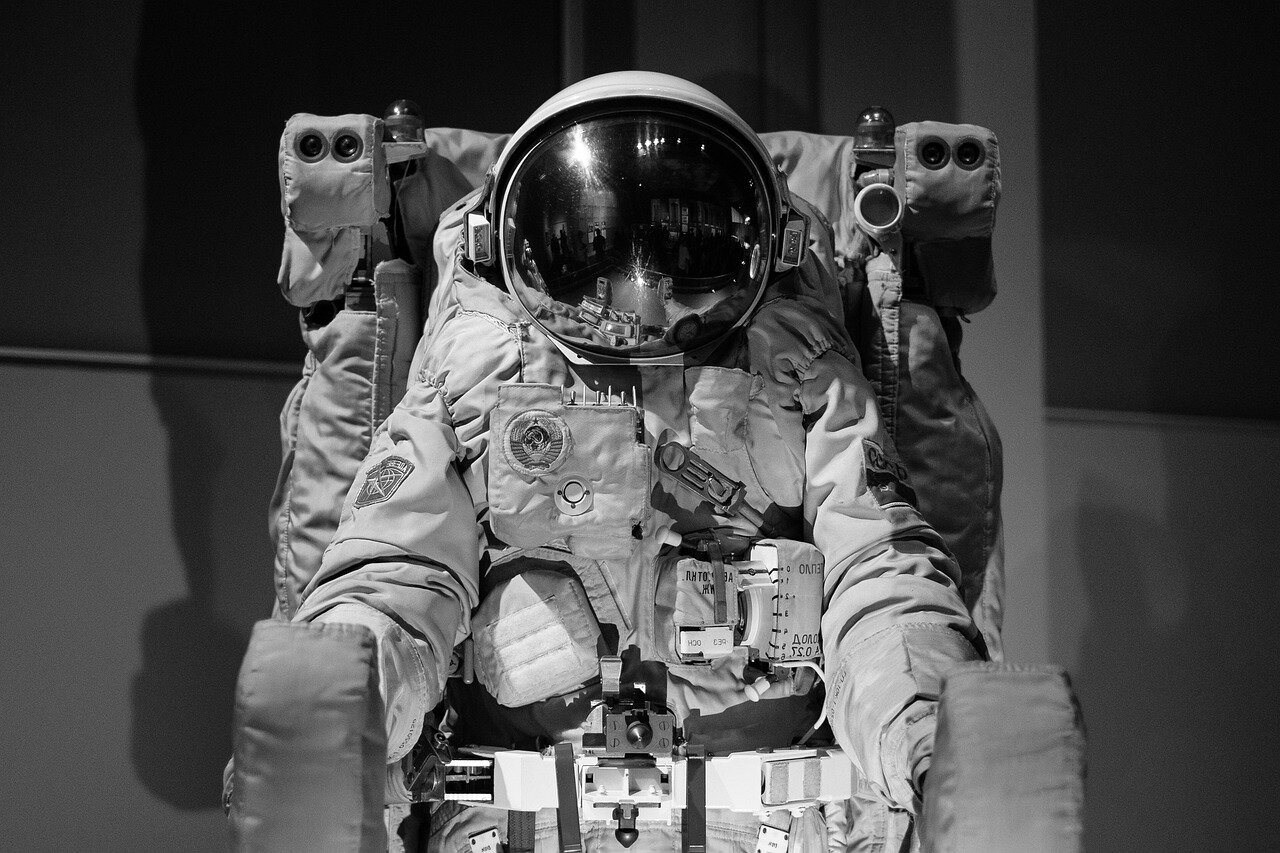
Astronauts currently aboard the ISS are directly impacted by this decision. Their safety and well-being are paramount, and the uncertainty surrounding the air leak repair can affect their mental and physical health. Additionally, the astronauts’ ability to conduct ongoing experiments and maintain the station’s systems is compromised, leading to potential delays in critical research.
The pause in repairs may necessitate discussions on resource allocation and joint efforts to address the leak, highlighting the interconnectedness of global space initiatives, similar to the way different agencies collaborate in various fields.
- Safety Concerns: Ensuring the well-being of astronauts during the repair process.
- Operational Impact: Potential delays in scientific research and experiments aboard the ISS.
- International Collaboration: Need for cooperation among space agencies to address the air leak effectively.
- Long-term Objectives: Balancing immediate safety with the ISS’s ongoing research goals.
- Public Perception: Managing the narrative around space safety and exploration amidst technical challenges.
Potential effects on astronauts and future missions
The decision by NASA to instruct astronauts to return to the International Space Station (ISS) due to a paused air leak repair has significant implications for various groups and industries. Primarily, the astronauts currently aboard the ISS and those scheduled for future missions are directly affected. This situation may also impact the broader space exploration community, including private space companies and international partners involved in the ISS program.
In the short term, the immediate impact on daily life for the astronauts will be considerable. They will need to adjust their research schedules and personal routines as they prepare for an unexpected return. This disruption can lead to delays in ongoing scientific experiments, which may have implications for research timelines and funding. Industries reliant on data from the ISS, such as pharmaceuticals and materials science, may experience setbacks in their projects.
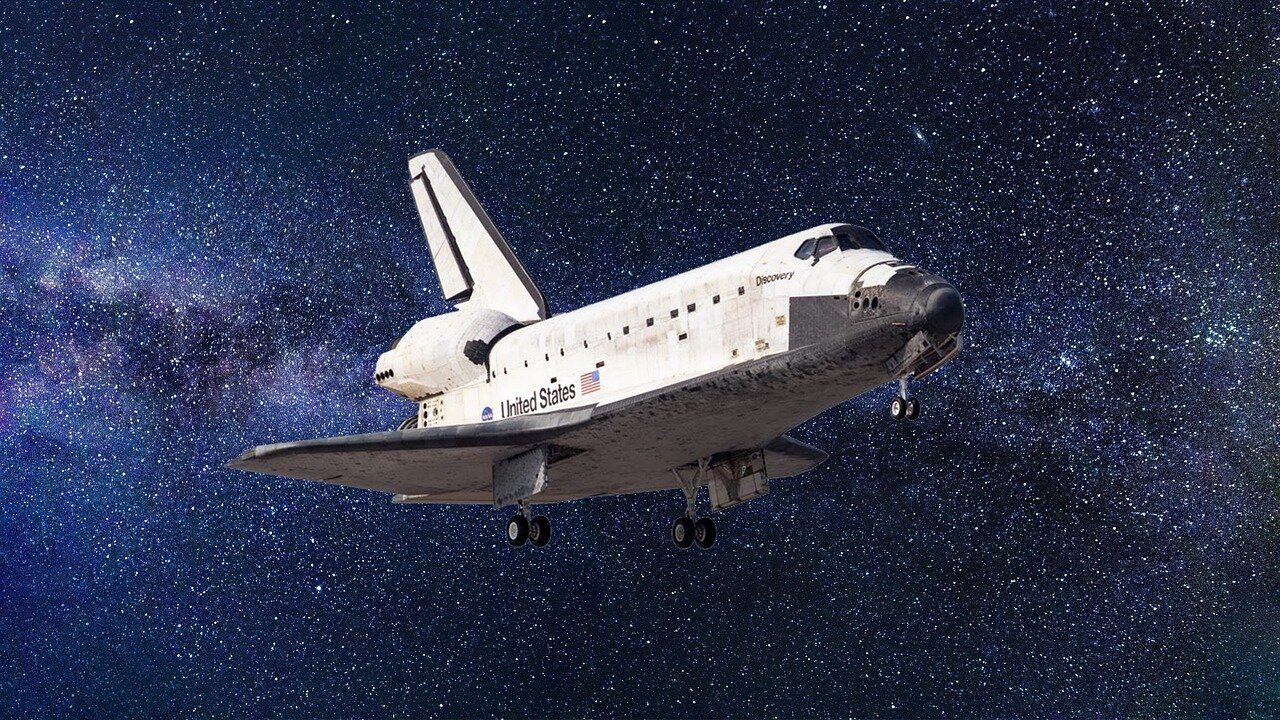
From a business perspective, companies involved in space exploration and technology development may face increased scrutiny regarding safety protocols and risk management. The pause in repairs could result in additional costs and delays for contractors working on related projects. However, this situation also presents an opportunity for innovation in leak detection and repair technologies, potentially leading to advancements that benefit both space and terrestrial applications.
- Affected Groups: Astronauts, space agencies, private space companies
- Short-term Impacts: Delays in research, increased scrutiny on safety
- Mid-term Impacts: Potential innovations in technology, shifts in funding priorities
Regions involved in space research, particularly those with significant investments in the ISS, may also feel the effects. For example, countries participating in the ISS program may need to reassess their contributions and commitments in light of the current challenges. This could lead to discussions about future collaboration and resource allocation within international space initiatives.
In summary, while the pause in air leak repairs poses risks to astronauts and ongoing research, it also opens the door for new opportunities in technology and international collaboration, shaping the future of space exploration and its associated industries.
A: Nasa paused the repairs to assess the situation more thoroughly and ensure the safety of the astronauts aboard the International Space Station. A: The astronauts will be returning to the ISS as a precaution while Nasa evaluates the air leak, ensuring their safety is prioritized. A: An air leak can compromise the station’s atmosphere, posing risks to the astronauts’ health and the integrity of the ISS. A: Nasa has not provided a specific timeline for when repairs will resume, as they are currently conducting assessments. A: The long-term implications could affect future missions and the operational timeline of the ISS, depending on the severity of the leak.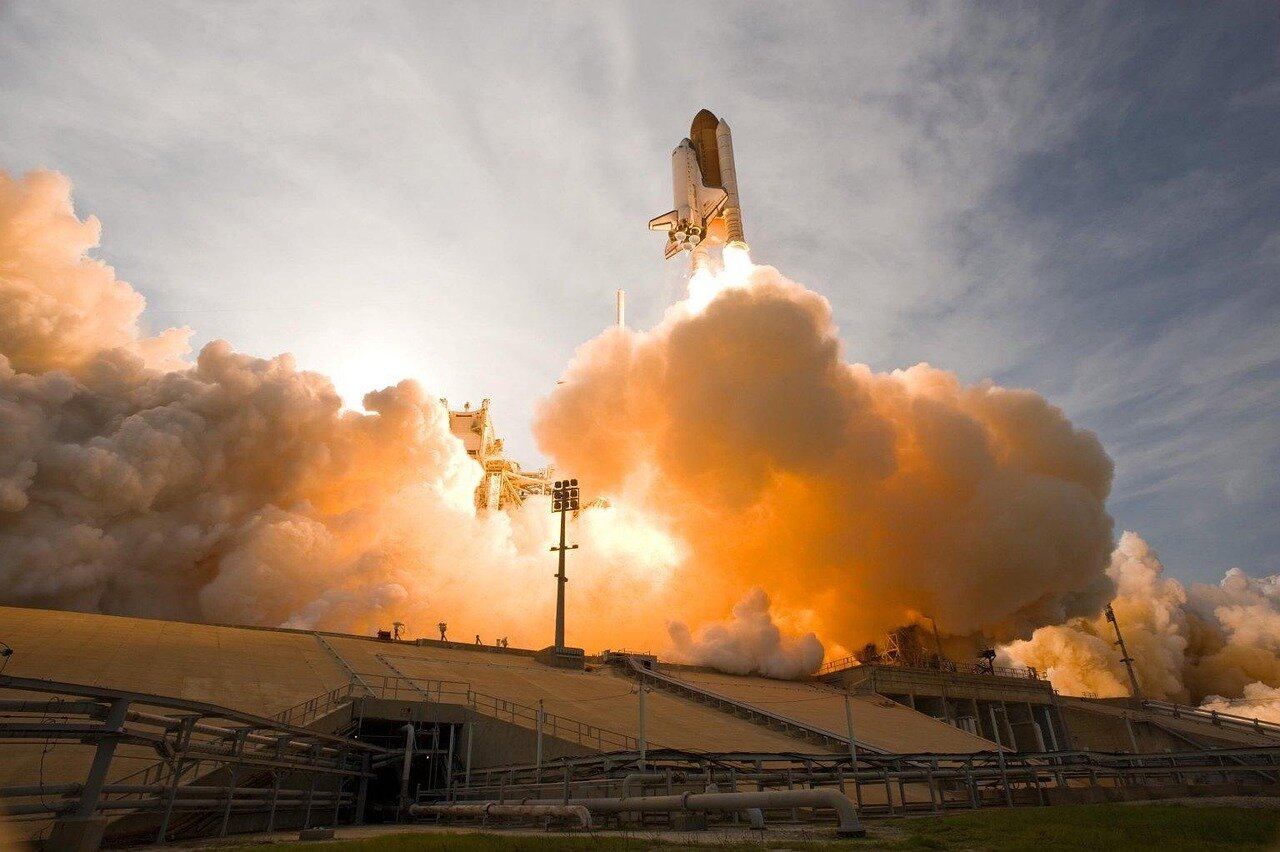
Frequently asked questions about the air leak situation
Outlook on the air leak repairs and astronaut safety
The decision to pause air leak repairs at the International Space Station (ISS) and instruct astronauts to return highlights the ongoing challenges of maintaining safety in space. This situation underscores the delicate balance between addressing technical issues and ensuring the well-being of crew members. As NASA navigates these complexities, the implications for future missions and the operational integrity of the ISS are significant.
Looking ahead, it is crucial to monitor how NASA addresses the air leak and the potential impact on crew schedules and scientific research aboard the station. The agency’s response will not only affect current operations but may also shape protocols for future missions, emphasizing the importance of adaptability and preparedness in space exploration.
- Continuous assessment of the air leak situation will be critical for astronaut safety and mission success.
- Future repair strategies may evolve based on lessons learned from this incident, potentially influencing ISS operations.
- NASA’s communication with the public and international partners will be vital in maintaining trust and transparency during this process.
- Monitoring the health and morale of astronauts during this period will be essential for mission continuity.
- Long-term implications for future crewed missions to the ISS and beyond may emerge from the handling of this repair situation.