


The Iranian conflict, which escalated in early October, has caused a ripple effect in oil markets, driving up prices and creating supply chain disruptions. Myanmar, heavily reliant on imported fuel, is facing significant challenges as its foreign exchange reserves dwindle. Local authorities have reported that fuel imports have decreased by nearly 30% since the start of the conflict, raising concerns similar to those discussed in consumer confidence.
As a result, the government has implemented measures to manage the crisis, including rationing fuel supplies and increasing prices. These actions have sparked public frustration, with citizens expressing concerns over rising transportation costs and the impact on daily life. The situation is particularly dire for those in rural areas, where access to fuel is even more limited.
International observers are closely monitoring the situation, as the fuel crisis could have broader implications for Myanmar’s already fragile economy. Experts warn that prolonged shortages may hinder recovery efforts from the COVID-19 pandemic and exacerbate existing social tensions. The unfolding events highlight the interconnectedness of global conflicts and local economies.
The background of the fuel crisis linked to the Iran war
The ongoing conflict in Iran has had far-reaching implications, not only within the Middle East but also affecting global markets and countries like Myanmar. Historically, Myanmar has been heavily reliant on imports for its fuel needs, and any disruption in the supply chain can lead to significant economic challenges. The current war in Iran has exacerbated these vulnerabilities, as it disrupts oil production and exports, leading to a ripple effect on global fuel prices.
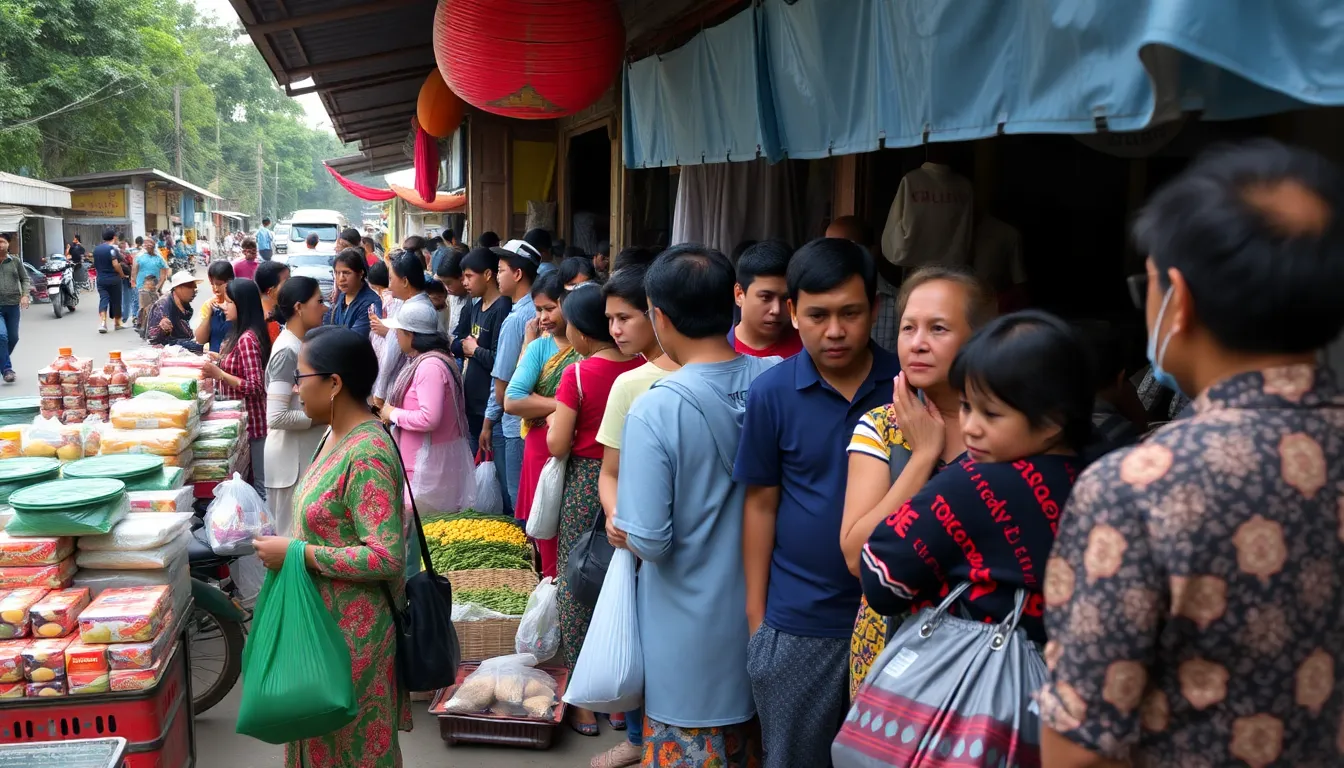
In recent months, as tensions escalated in Iran, the price of crude oil surged. Myanmar, which imports a large portion of its fuel from international markets, has been particularly hard hit. The increase in fuel prices has led to inflationary pressures, affecting the cost of living for ordinary citizens. Long queues at fuel stations have become a common sight as people scramble to secure limited supplies, reflecting the growing desperation among the population, reminiscent of the challenges described in Trump’s war in Iran.
Historical context of fuel dependency in Myanmar
Myanmar’s fuel crisis is not a new phenomenon. The country has faced numerous challenges related to fuel supply and pricing over the years, often linked to political instability and economic sanctions. The military coup in February 2021 further complicated the situation, leading to international sanctions and a reduction in foreign investment. As a result, the country’s energy infrastructure has struggled to keep pace with demand, making it more susceptible to external shocks like the ongoing conflict in Iran.
Moreover, the lack of a diversified energy portfolio means that Myanmar remains heavily dependent on imported fossil fuels. This dependency creates a precarious situation where any geopolitical conflict can have immediate and severe consequences for the country’s economy and its citizens’ daily lives. The current crisis serves as a stark reminder of the need for Myanmar to explore alternative energy sources and strategies to enhance its energy security, much like the shifts discussed in U.S. foreign policy.
Key stakeholders and issues surrounding the fuel crisis in Myanmar
The ongoing fuel crisis in Myanmar is significantly influenced by the conflict in Iran, which has disrupted global oil supplies. Key stakeholders in this scenario include the Myanmar government, local businesses, international oil companies, and the citizens of Myanmar. Each of these actors has distinct interests and concerns that shape their responses to the crisis.
The Myanmar government is primarily focused on maintaining stability and control over the situation. With rising fuel prices leading to public unrest, the government must balance economic pressures with the need for political legitimacy. Local businesses, reliant on stable fuel supplies for operations, face challenges that could impact their profitability and sustainability.
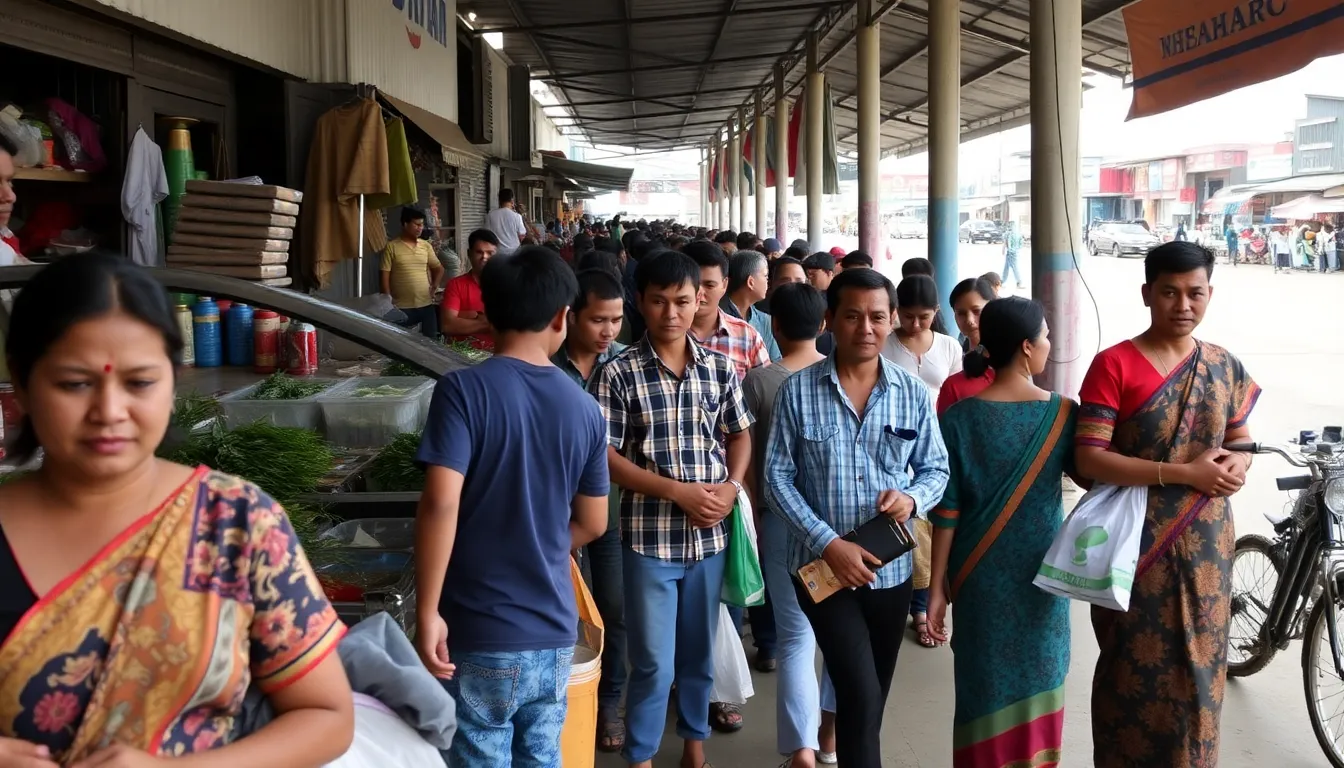
International oil companies operating in Myanmar are also affected, as they navigate the complexities of supply chain disruptions caused by the Iran war. Their interests lie in securing stable access to oil while managing reputational risks associated with operating in a country facing political turmoil. The citizens of Myanmar, on the other hand, are directly impacted by the crisis, facing long queues at fuel stations and rising costs of living.
- Economic Impact: The fuel crisis exacerbates inflation and affects the overall economy, leading to increased costs for goods and services.
- Political Stability: The government’s response to the crisis could either strengthen or undermine its authority, depending on public perception and unrest.
- International Relations: Myanmar’s ties with other nations may be strained as it seeks to navigate the fallout from the Iran conflict and its own internal issues.
- Humanitarian Concerns: The fuel shortage affects access to essential services, raising concerns about the well-being of the population.
- Long-term Solutions: Stakeholders must consider sustainable energy alternatives to mitigate future crises and reduce dependency on volatile oil markets.
How the fuel crisis is affecting the people and economy of Myanmar
The ongoing fuel crisis in Myanmar, exacerbated by the Iran war, is having a profound impact on various groups and industries across the nation. Households are facing increased costs of living as fuel prices soar, affecting daily commutes and transportation of goods. The agricultural sector, heavily reliant on fuel for machinery and transport, is particularly vulnerable, leading to concerns over food security and rising prices for consumers.
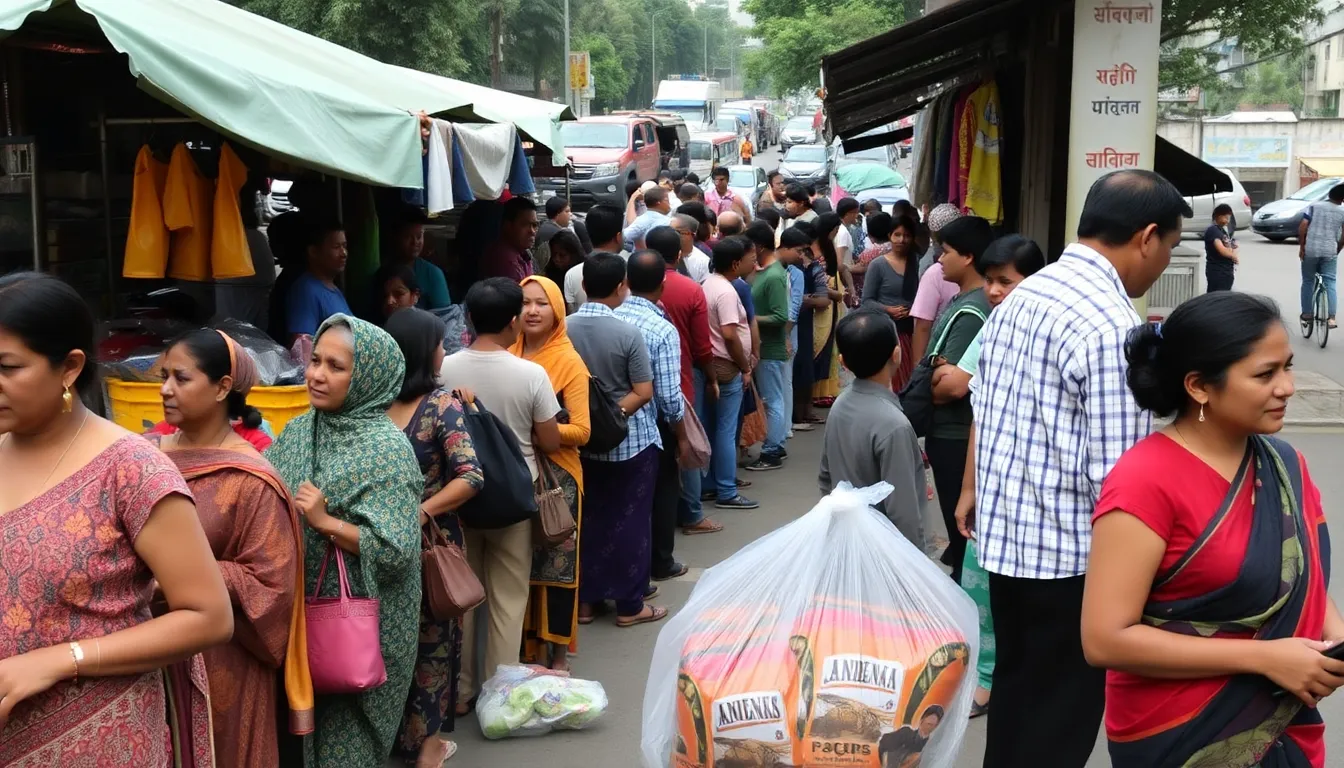
In urban areas, long queues at gas stations have become a common sight, reflecting the scarcity of fuel. This situation is not only frustrating for individuals but is also disrupting local businesses that depend on reliable transportation. Small enterprises, in particular, may struggle to maintain operations, potentially leading to layoffs and a rise in unemployment rates.
On a broader scale, the fuel crisis poses risks to Myanmar’s economic stability, with potential long-term effects on investment and trade. The government may be compelled to implement policies aimed at managing fuel distribution and prices, which could lead to further economic regulations and impacts on the free market.
- Increased cost of living for households
- Disruption of local businesses and potential layoffs
- Risks to food security in the agricultural sector
- Potential government intervention in fuel pricing and distribution
However, amidst these challenges, there may be opportunities for innovation and adaptation. Businesses that can pivot to alternative energy sources or improve efficiency may find a competitive edge. Moreover, the crisis could stimulate discussions around energy independence and the need for sustainable practices, potentially leading to long-term investments in renewable energy solutions in Myanmar.
A: The fuel crisis in Myanmar is primarily driven by the ongoing Iran war, which has disrupted global oil supplies and increased prices. A: Many people are waiting in long queues for fuel, and some are resorting to alternative transportation methods or reducing travel altogether. A: The fuel crisis is likely to lead to increased transportation costs, inflation, and a slowdown in economic activities across various sectors. A: The government is exploring options to stabilize fuel supplies, but the ongoing geopolitical tensions complicate effective solutions. A: While it is difficult to predict, experts suggest that the crisis may persist as long as the Iran war continues to impact global oil markets.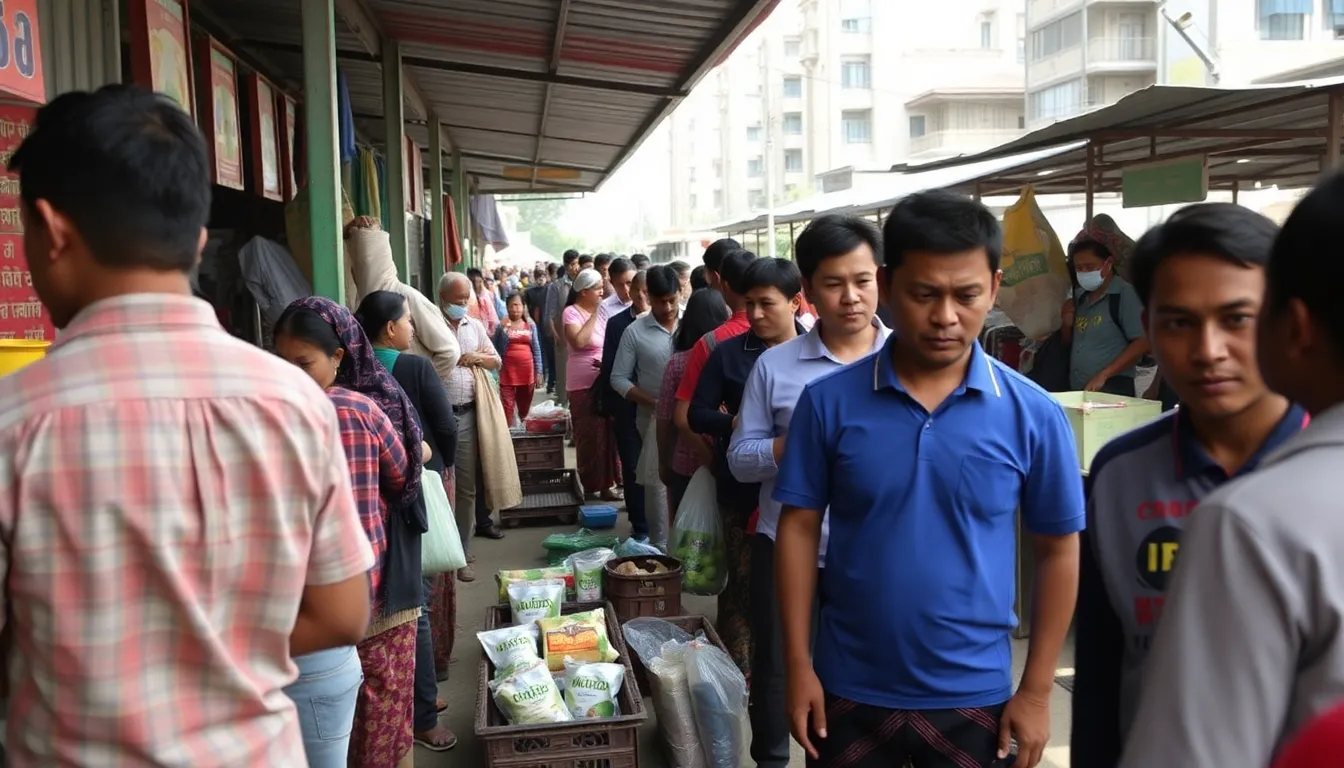
Frequently asked questions about the fuel crisis in Myanmar
Key insights and outlook on the ongoing fuel crisis
The ongoing fuel crisis in Myanmar, exacerbated by the conflict in Iran, has led to significant challenges for the population. As long queues form at fuel stations, the implications stretch beyond mere inconvenience, impacting transportation, economic activities, and daily life. The situation highlights the interconnectedness of global conflicts and local economies, emphasizing the need for resilience and adaptation in the face of such crises.
Looking ahead, several factors will shape the trajectory of this crisis. Monitoring the geopolitical landscape, especially developments in Iran, will be crucial for understanding potential fluctuations in fuel availability and prices in Myanmar. Additionally, the response of local authorities and international organizations will play a key role in mitigating the effects of this crisis on the population.
- Watch for potential government interventions to stabilize fuel prices and supply.
- Monitor the impact on public transportation and the broader economy as fuel shortages persist.
- Keep an eye on community responses and grassroots initiatives aimed at addressing fuel scarcity.
- Consider how the situation may influence regional dynamics and trade relationships.
- Evaluate the long-term implications for energy policy and sustainability efforts in Myanmar.