


The cancellation has sparked a broader conversation about the role of private businesses in immigration enforcement. Advocates argue that hotels and other service providers should take a stand against agencies like ICE, which they believe contribute to family separations and deportations. On the other hand, some critics contend that such actions could hinder law enforcement operations and public safety. For more on how local governments are reacting, check this article on related topics.
Local leaders have expressed support for the hotel’s decision, emphasizing the importance of creating safe spaces for all community members. The incident highlights the ongoing tensions surrounding immigration policy in the United States, particularly in states like Minnesota, which have seen a rise in activism against federal enforcement measures.
As the situation unfolds, it remains to be seen how this decision will impact future interactions between law enforcement agencies and local businesses. The Hilton’s action may set a precedent for other establishments considering their roles in the broader immigration debate.
Understanding the background of the ICE operations in Minnesota
The controversy surrounding the cancellation of hotel reservations for Immigration and Customs Enforcement (ICE) agents at a Minnesota Hilton is rooted in a broader national debate over immigration enforcement and local responses to federal immigration policies. Historically, ICE has operated throughout the United States with the mandate to enforce immigration laws and facilitate the deportation of undocumented immigrants. However, this often leads to tensions between federal authorities and local communities, particularly in areas with significant immigrant populations. For a perspective on community reactions, read about how public sentiment is shifting.
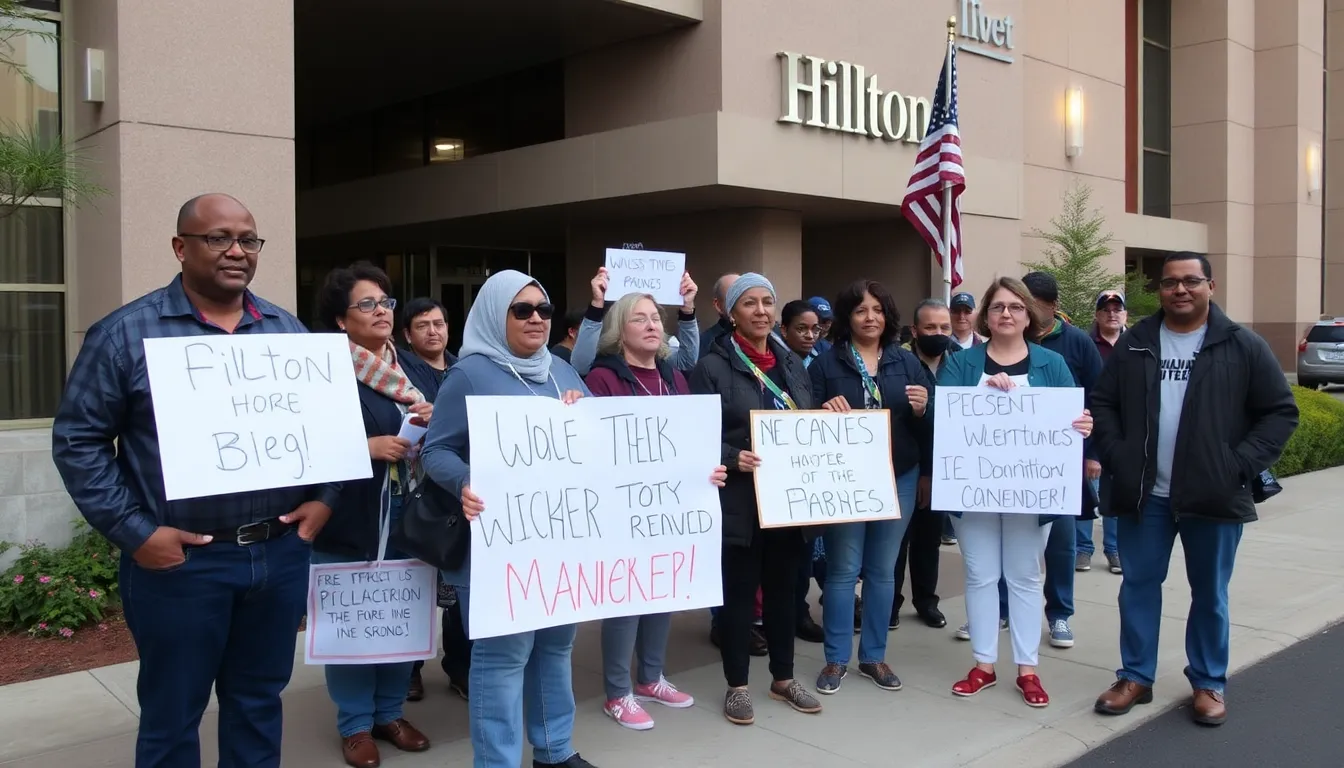
In Minnesota, as in many states, there has been a growing movement among local governments and businesses to resist ICE operations. This resistance is fueled by concerns over the impact of ICE raids on families and communities, as well as the perceived overreach of federal authority. The decision by the Hilton to cancel ICE’s reservations reflects a shift in corporate policy, aligning with the values of many who advocate for immigrant rights and view ICE’s activities as harmful and disruptive.
Key Milestones in Immigration Policy
Over the past decade, there have been several key milestones that have shaped the current landscape of immigration enforcement in the U.S. The implementation of the Deferred Action for Childhood Arrivals (DACA) program in 2012, for instance, provided temporary relief from deportation for certain undocumented immigrants brought to the country as children. This program highlighted the complexities of immigration policy and the need for comprehensive reform.
Additionally, the rise of sanctuary cities, where local governments limit their cooperation with federal immigration enforcement, has further complicated the relationship between local entities and ICE. Minnesota has seen cities like Minneapolis and St. Paul adopt sanctuary policies, creating a legal and social framework that challenges ICE’s authority and promotes a more inclusive environment for immigrants. This trend reflects the broader movement for community activism and rights.
As the national conversation around immigration continues to evolve, incidents like the cancellation of the Hilton’s reservations serve as flashpoints in the ongoing struggle between federal immigration enforcement and local community values. This incident not only reflects the immediate tensions surrounding ICE’s presence but also underscores a larger movement towards rethinking how immigration laws are enforced at the local level.
Examining the implications for stakeholders involved in this decision
The decision by the Minnesota Hilton to cancel hotel reservations for ICE agents has sparked significant debate among various stakeholders. Key actors in this scenario include the Hilton hotel chain, ICE agents, local advocacy groups, and the broader community of Minnesota residents. Each of these groups has distinct interests that influence their perspectives on the situation.
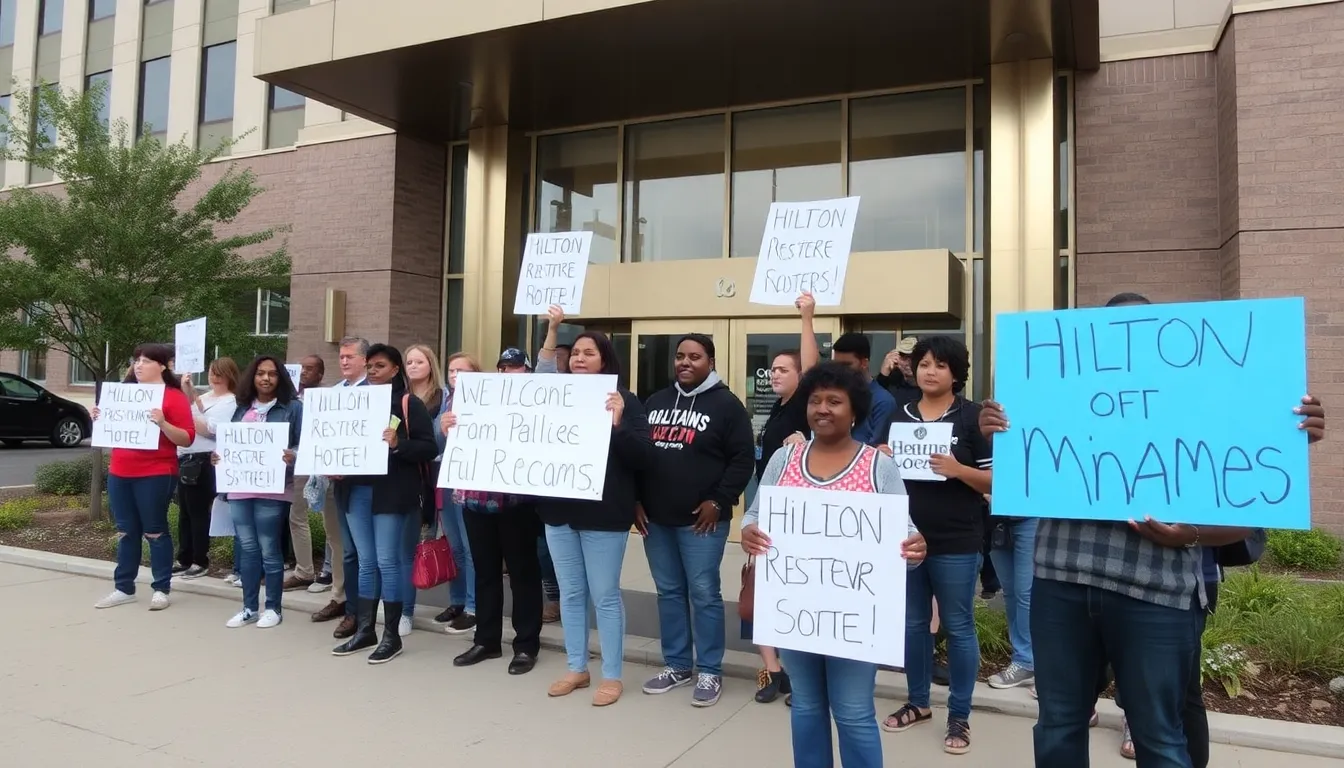
The Hilton hotel chain, as a business entity, aims to uphold its brand image and cater to the values of its clientele. By canceling the reservations, the hotel seeks to align itself with local sentiments that oppose ICE’s immigration enforcement practices. This decision may bolster customer loyalty among those who support immigrant rights, but it also risks alienating certain guests who may view the hotel’s actions as politically motivated.
On the other hand, ICE agents have a professional interest in maintaining operational effectiveness and securing accommodations during their assignments. The cancellation of their reservations may hinder their ability to perform their duties efficiently, raising concerns about safety and resource allocation. This situation highlights a broader conflict between law enforcement priorities and community advocacy for immigrant rights, creating a tension that complicates the narrative.
Local advocacy groups, including immigrant rights organizations, are likely to view the hotel’s decision as a victory in their ongoing efforts to challenge ICE’s presence in the community. They argue that such actions contribute to a more welcoming environment for immigrants and highlight the need for a reevaluation of immigration policies. However, this perspective may clash with those who argue for the importance of law enforcement in maintaining public safety.
- Legal implications: The decision raises questions about contractual obligations and the legal rights of businesses to refuse service based on political or social stances.
- Economic considerations: The potential economic impact on the hotel due to backlash from different customer segments could affect its bottom line.
- Community relations: The hotel’s actions may influence community relationships, either fostering solidarity or creating divisions among residents.
- Public perception: The incident may shape public perception of both the Hilton brand and ICE, affecting their reputations in the long term.
As this situation unfolds, it is essential to consider the broader implications for community dynamics and the ongoing national discourse surrounding immigration enforcement and human rights. The intersection of business interests, law enforcement, and community values presents a complex landscape that merits careful analysis.
The broader impact on local communities and law enforcement
The decision by the Minnesota Hilton to cancel hotel reservations for ICE agents has far-reaching consequences that extend beyond the immediate hospitality industry. Several groups, including local law enforcement, immigrant communities, and advocacy organizations, are likely to feel the impact of this decision. The cancellation not only affects the operational logistics of ICE but also sends a message to the community about the stance on immigration enforcement.
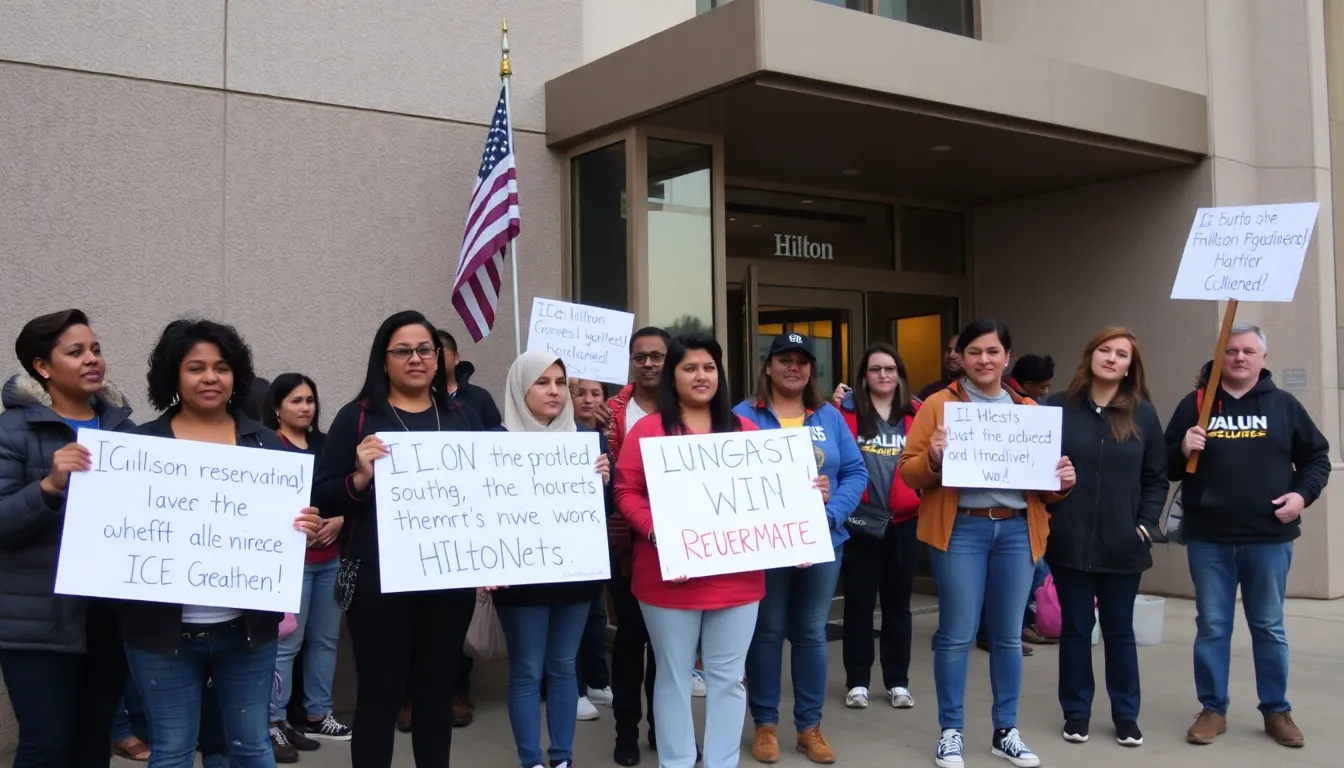
In the short term, law enforcement agencies may experience increased tensions in their interactions with immigrant communities. The cancellation could lead to a perception of hostility towards federal immigration enforcement, potentially deterring individuals from cooperating with local law enforcement in other matters. This could result in a decline in community safety as trust erodes.
From a business perspective, the hospitality sector may see a mixed impact. While some hotels may choose to follow suit and distance themselves from ICE, others might see an opportunity to cater to a more socially conscious clientele. This could lead to a shift in marketing strategies and partnerships, as businesses align themselves with community values.
- Increased community tensions and reduced cooperation with law enforcement.
- Potential shifts in business strategies within the hospitality industry.
- Opportunities for advocacy groups to strengthen their outreach and support services.
In the mid-term, policy discussions surrounding immigration enforcement may gain momentum, with local governments potentially reevaluating their relationships with federal agencies. This could lead to new policies aimed at increasing community trust and safety while addressing the concerns of immigrant populations. Additionally, businesses may begin to reassess their roles in these discussions, weighing the risks of alienating certain customer bases against the benefits of supporting community values.
A: The Minnesota Hilton canceled the reservations due to a policy decision aimed at distancing itself from federal immigration enforcement activities. A: The community has shown mixed reactions, with some supporting the Hilton’s stance while others express concern over the impact on law enforcement. A: Legal implications may arise if the cancellation is viewed as discriminatory, but the hotel asserts it is exercising its right to refuse service. A: The cancellation may hinder ICE’s operational capabilities in the area, forcing them to seek alternative accommodations. A: Several hotels across the country have also canceled reservations for ICE agents, reflecting a growing trend among hospitality businesses.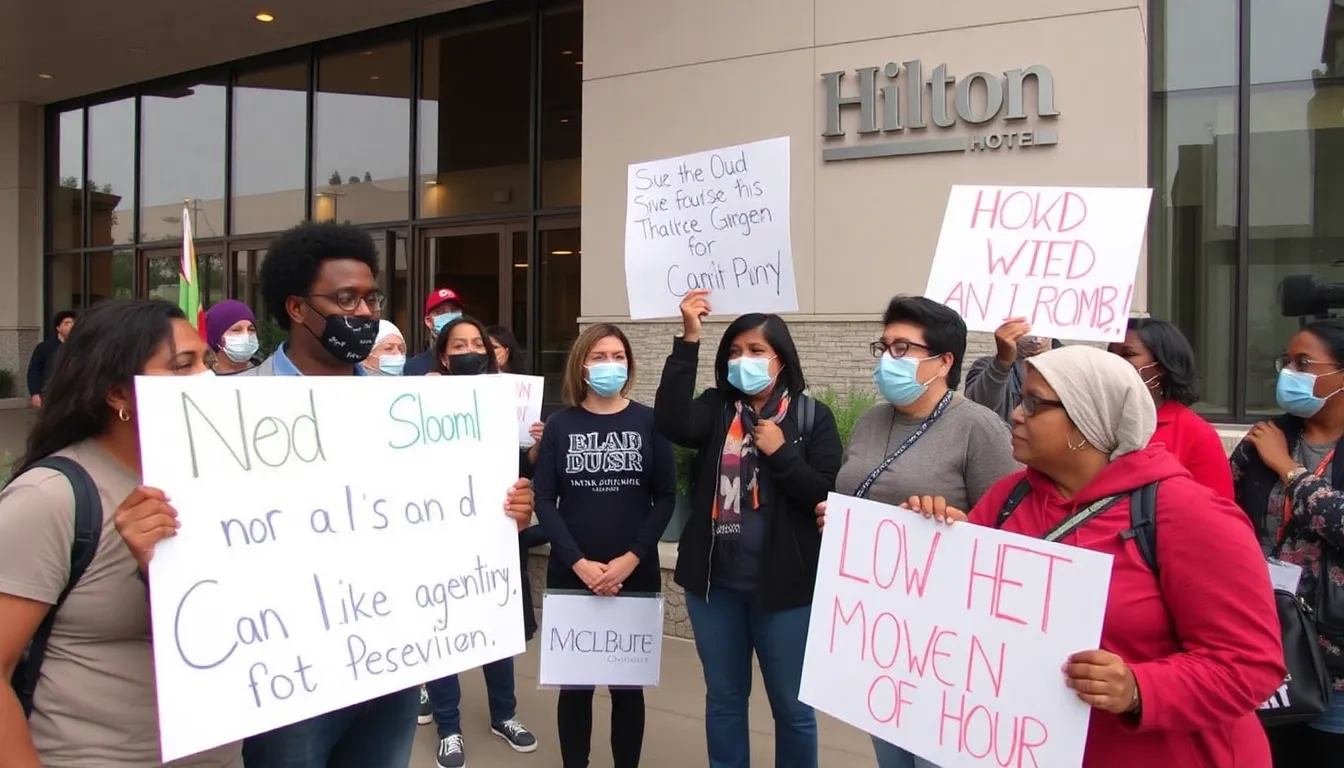
Frequently asked questions about the hotel cancellation
Key takeaways and future implications of the Hilton’s actions
The decision by the Minnesota Hilton to cancel ICE agents’ hotel reservations highlights a growing trend of corporate responsibility and social awareness within the hospitality industry. This move not only reflects the hotel’s stance on immigration issues but also signals the potential for other businesses to take similar actions in response to public sentiment. As societal values continue to evolve, the implications for businesses operating in politically charged environments may become increasingly significant.
As this situation unfolds, it is crucial to monitor how other hotels and businesses respond to similar pressures. The balance between corporate values and customer expectations will likely shape future policies and practices across various sectors. Stakeholders should remain aware of the potential for both positive and negative repercussions stemming from such corporate decisions.
- Monitor the response from other hotels and hospitality businesses regarding ICE and similar governmental agencies.
- Watch for potential changes in customer preferences towards businesses that align with their social values.
- Consider the impact of public sentiment on corporate policies and how it may influence future partnerships.
- Evaluate the legal implications for businesses that take a stand on controversial issues.
- Observe the potential for increased activism and advocacy within the corporate sector as a response to societal issues.