


Copyright experts have noted that the use of a character closely associated with a well-known brand could lead to legal ramifications. The skater, who has not publicly commented on the costume’s significance, is now at the center of a debate regarding artistic expression versus intellectual property rights, which is especially relevant given the challenges athletes face with intellectual property rights. The International Olympic Committee has yet to release a statement addressing the situation.
With the Winter Games set to begin on February 6, 2026, the timing of this controversy is particularly critical. Athletes are often under scrutiny for their choices, and this incident highlights the delicate balance between creativity in sports and adherence to copyright laws. Observers are keenly watching how this situation unfolds and whether it will influence other athletes’ costume decisions in the lead-up to the Games.
This incident serves as a reminder of the complexities surrounding branding and representation in sports. As the event draws near, the implications of this costume choice may resonate beyond the ice rink, potentially impacting how athletes navigate their personal branding and artistic expression in the future.
Understanding the copyright landscape in sports and entertainment
The intersection of copyright law and sporting events has long been a contentious issue, particularly as the lines between creativity and ownership blur. Copyright law is designed to protect original works of authorship, but in the realm of sports and entertainment, this can lead to complex legal challenges. Athletes, teams, and event organizers often navigate a landscape fraught with potential infringements, especially when popular culture elements are introduced into their performances.
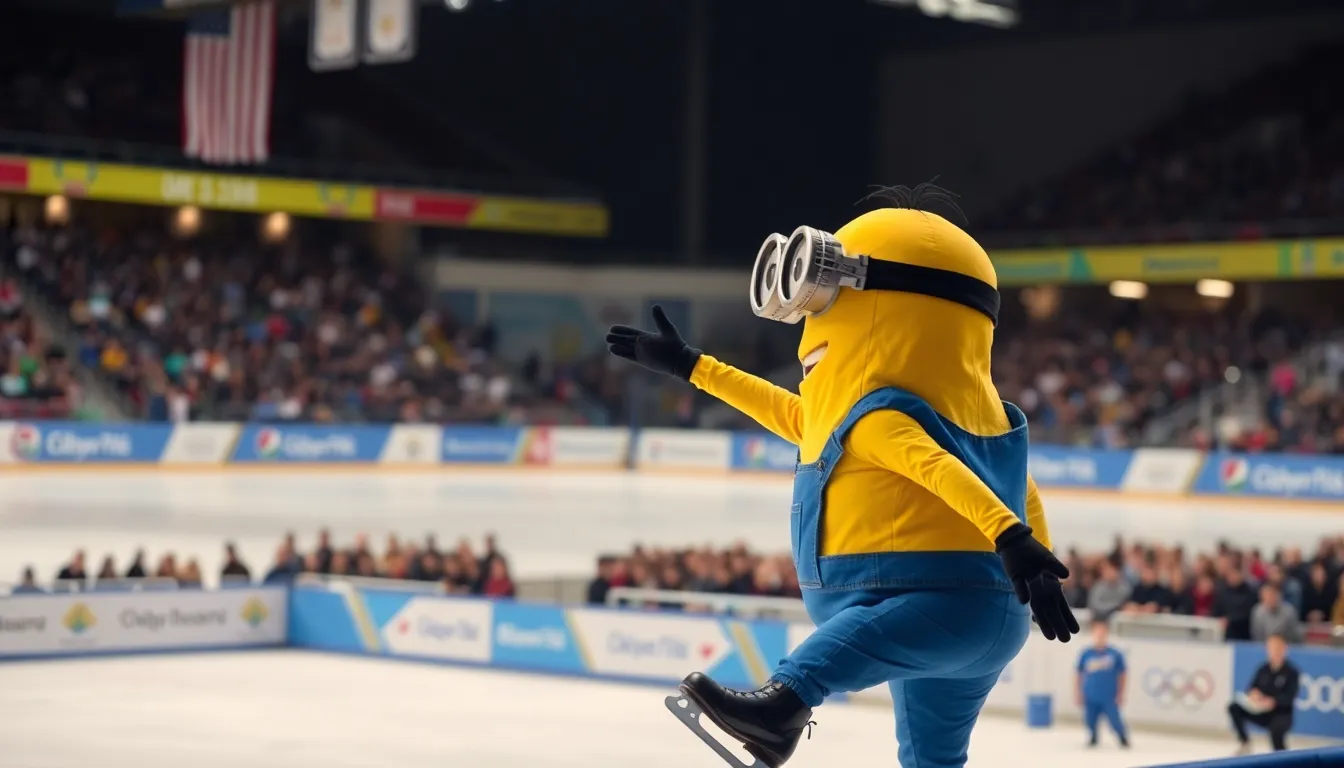
In recent years, the rise of social media and the internet has amplified the visibility of such issues. Events like the Olympics, which draw global attention, become hotbeds for copyright disputes as athletes seek to express their individuality while avoiding potential legal pitfalls. The case of an Olympic skater dressing as a Minion highlights the precarious balance between creative expression and copyright infringement, raising questions about the ownership of character designs and the implications for athletes.
The Minion Phenomenon
The Minions, popularized by the “Despicable Me” franchise, have become cultural icons since their debut in 2010. Their distinctive design and playful demeanor have made them a favorite among audiences of all ages. However, their status as a trademarked property owned by Universal Pictures complicates any use of their likeness, especially in high-profile settings like the Olympics. This situation exemplifies the challenges athletes face when attempting to incorporate recognizable pop culture references into their performances.
Historically, there have been several high-profile cases where athletes or performers faced legal repercussions for unauthorized use of copyrighted material. From musicians being sued for sampling songs without permission to athletes being challenged over logos and branding, the precedent is clear: the stakes are high when it comes to intellectual property rights. As the 2026 Winter Games approach, this skater’s near-miss with copyright disaster serves as a reminder of the vigilance required to navigate this intricate legal landscape.
As the Olympic movement continues to evolve, so too does the relationship between athletes and the creative works that inspire them. The balance between honoring artistic influences and respecting copyright laws is a delicate one, and the outcome of such cases can have far-reaching implications for the future of sports entertainment. With the 2026 Winter Games on the horizon, the scrutiny of athletes’ performances will only intensify, making it crucial for competitors to remain informed and cautious in their creative choices.
Key stakeholders and potential legal implications of the costume
The recent decision by an Olympic skater to don a Minion costume has sparked significant interest and concern among various stakeholders. The main actors in this scenario include the skater, the producers of the Minion franchise, the International Olympic Committee (IOC), and the broader audience of the Winter Games. Each of these entities has distinct interests that could be affected by this creative choice.
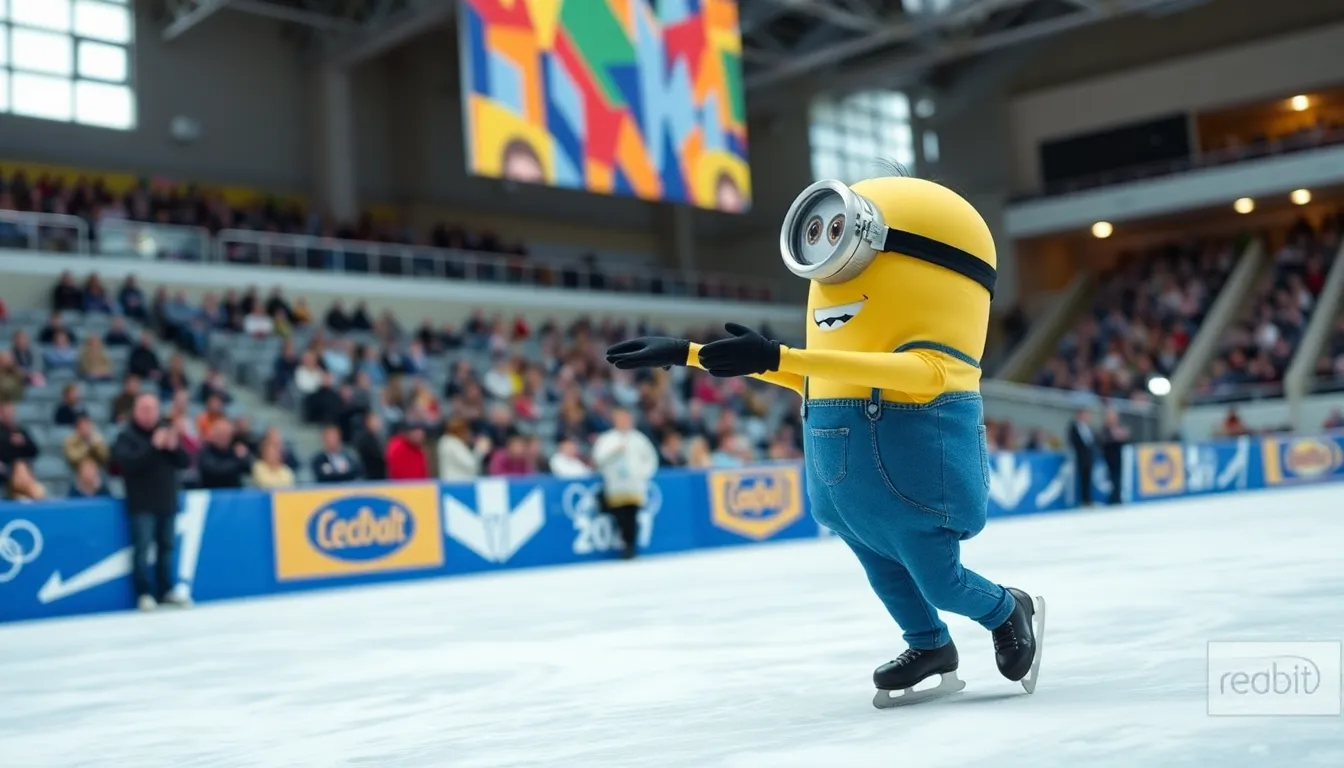
First and foremost, the skater aims to capture public attention and create a memorable performance that could enhance their personal brand and marketability. However, this artistic expression raises questions about copyright infringement, as the Minion character is a protected intellectual property owned by Illumination Entertainment and Universal Pictures. The potential for a legal dispute looms large, especially if the costume is perceived as a direct homage or parody.
The IOC, tasked with upholding the integrity and image of the Olympic Games, may view the costume as a potential distraction or a violation of their strict branding policies. This could lead to conflicts between the skater’s desire for self-expression and the IOC’s regulations regarding the use of copyrighted material during the event, making it vital for skaters to understand the balance between creativity and compliance.
Furthermore, the audience’s reaction plays a crucial role in this scenario. While many may find the costume entertaining and engaging, others might argue that it undermines the seriousness of the competition. The following points illustrate key issues and scenarios that could arise:
- Copyright infringement: Potential legal action from Illumination Entertainment if the costume is deemed to violate trademark rights.
- IOC regulations: Possible repercussions for the skater if the costume contravenes Olympic branding rules.
- Public perception: Varied audience reactions that could influence the skater’s reputation and future endorsements.
- Precedent setting: The implications of this incident on future Olympic performances and the boundaries of creative expression.
- Economic impact: Potential financial consequences for the skater if legal issues arise, affecting sponsorship and funding opportunities.
As the 2026 Winter Games approach, the interplay between creativity and legal constraints will be closely monitored, highlighting the complexities faced by athletes in the realm of intellectual property and artistic expression.
How this situation affects the skater and the broader Olympic community
The recent incident involving an Olympic skater dressed as a Minion has raised significant concerns and implications for various groups and industries. Primarily, this situation affects the skater herself, who must navigate potential legal challenges while maintaining her public image. Additionally, the broader Olympic community, including athletes, sponsors, and event organizers, is closely monitoring the developments, as this could set a precedent for future creative expressions at the Games.
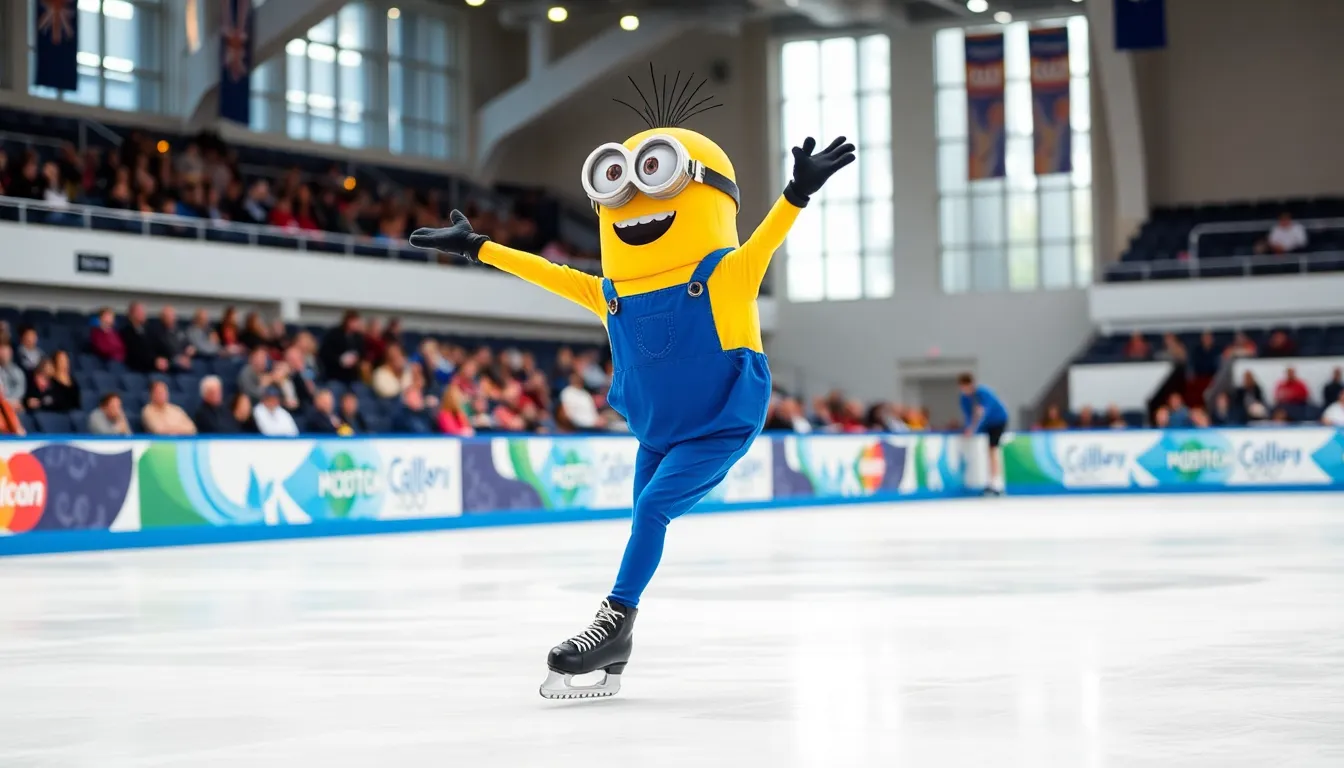
In the short term, the skater’s choice of costume has sparked discussions about copyright laws and intellectual property rights in sports and entertainment. This has immediate implications for brands and creative professionals who may want to explore unconventional marketing strategies during the Olympics. Companies involved in merchandising, licensing, and branding could face increased scrutiny regarding their own promotional efforts, leading to a more cautious approach in their campaigns.
Mid-term impacts may include changes in policy regarding costume regulations at the Olympics. If the skater’s costume is deemed inappropriate or infringing, it could lead to stricter guidelines for athletes regarding what they can wear during competitions. This could affect not only individual athletes but also teams and national federations as they prepare for future events.
- Risks: Increased legal challenges for athletes and sponsors, potential reputational damage.
- Opportunities: New avenues for creative expression, potential for innovative sponsorship deals.
- Market Impact: Heightened awareness of copyright issues in sports, leading to more robust legal frameworks.
Ultimately, this incident serves as a reminder of the delicate balance between creativity and compliance in the world of sports, where the stakes are high and the spotlight is ever-present. As the 2026 Winter Games approach, the outcomes of this situation could resonate far beyond the skating rink, influencing how athletes and brands interact in a rapidly evolving landscape.
A: The skater aimed to bring a fun and playful element to their performance, appealing to younger audiences and fans of the franchise. A: Yes, using a character that is trademarked can lead to copyright infringement claims, which the skater had to navigate carefully. A: The skater worked closely with legal advisors to ensure that their costume design was original enough to avoid direct infringement. A: A copyright dispute could lead to legal action from the rights holders, potentially resulting in fines or restrictions on the skater’s performance. A: It highlights the ongoing challenges athletes face in balancing personal expression with legal constraints in a highly commercialized environment.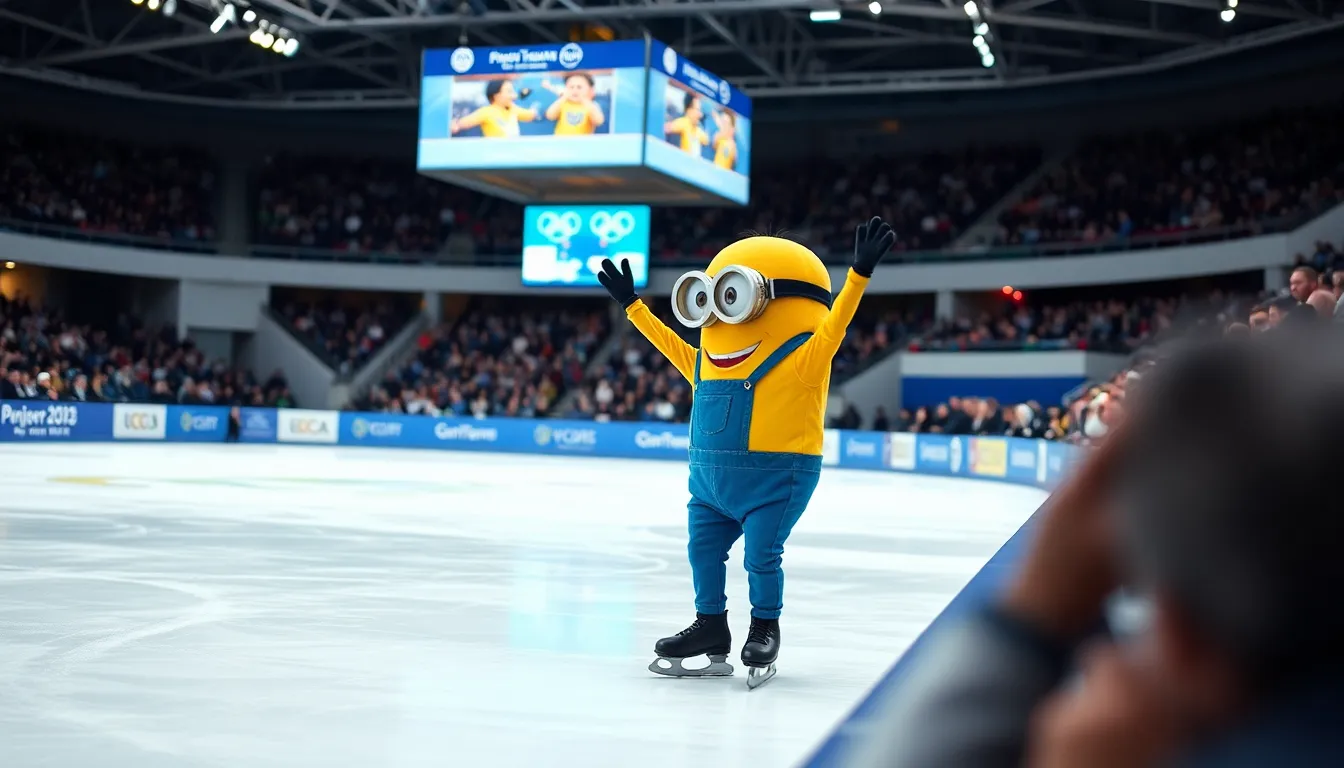
Frequently asked questions about the Minion costume controversy
Looking ahead: implications for creativity in sports
The recent incident involving an Olympic skater donning a Minion costume highlights the ongoing tension between creative expression and intellectual property rights in the realm of sports. As athletes increasingly seek to stand out in a crowded field, the blending of pop culture with athletic performance raises important questions about the boundaries of originality and copyright. The skater’s ability to navigate potential legal pitfalls serves as a case study for future athletes looking to innovate while remaining compliant with copyright laws.
As the 2026 Winter Games approach, this situation serves as a reminder of the need for clear guidelines that balance creative freedom with the protection of intellectual property. Observers should keep a close eye on how this evolving landscape influences not only individual athletes but also the broader sports industry as it grapples with the intersection of creativity and legality.
- Increased scrutiny on costume designs: Athletes may need to be more cautious and informed about the legal implications of their attire choices.
- Potential for new collaborations: Partnerships between athletes and copyright holders could emerge, allowing for unique creative expressions that respect intellectual property.
- Shift in audience expectations: Fans may begin to expect more innovative and playful presentations, leading to a demand for originality within the confines of copyright laws.
- Legal precedents in sports: This incident may pave the way for future legal discussions and rulings that clarify the limits of creative expression in sports.