


The increase is part of a broader initiative to rectify pension inequalities that have affected former miners, many of whom have faced financial hardships in retirement. The UK government, alongside various stakeholders, has recognized the need to support this vulnerable group, acknowledging the sacrifices made by miners during their working years.
Approximately 60,000 former mineworkers are expected to see their weekly pensions rise as a result of this change. This increase not only provides much-needed financial relief but also serves as a recognition of the miners’ contributions to the economy and society over the decades, similar to the compensation efforts made for other impacted groups.
Advocates for the miners have long campaigned for better pension provisions, citing the physical toll and risks associated with mining work. The new pension policy is seen as a critical step toward ensuring that these individuals receive the support they deserve in their later years.
Understanding the background of pension reforms for mineworkers
The recent announcement of a £100-a-week pension boost for former mineworkers marks a significant milestone in the long struggle for fair compensation and recognition of their contributions to the UK economy. Historically, mineworkers have faced numerous challenges, including dangerous working conditions, health issues, and economic instability following the decline of the coal industry in the late 20th century. This pension reform is seen as a long-overdue acknowledgment of their sacrifices and the impact of their labor on the nation’s energy needs.

The roots of the pension reforms can be traced back to the 1980s, a decade that witnessed the decline of the coal industry due to the rise of alternative energy sources and privatization policies. The closure of numerous coal mines led to widespread job losses and economic despair in mining communities. Many former miners struggled to secure adequate pensions, often relying on state benefits that were insufficient to cover their living expenses. This created a growing sense of injustice among those who had dedicated their lives to the industry.
In the years that followed, various campaigns and advocacy groups emerged, pushing for better pension provisions for mineworkers. These efforts gained momentum as more individuals began to share their stories of hardship and the struggles faced by their families. Milestones such as the formation of the National Union of Mineworkers (NUM) and subsequent legal battles for fair compensation played a crucial role in raising awareness about the plight of former miners and their need for improved pensions.
The Role of Government and Legislation
Government intervention has been pivotal in shaping the pension landscape for mineworkers. In recent years, there have been several legislative efforts aimed at addressing the inequalities faced by this demographic. The establishment of the Mineworkers’ Pension Scheme in the 1990s was a key development, providing some level of financial security, much like other reforms discussed in articles such as pensions and public welfare.
This £100-a-week boost not only represents a financial uplift for thousands of former miners and their families but also serves as a reminder of the importance of recognizing the contributions of those who worked in one of the UK’s most challenging industries. As society moves forward, it is crucial to ensure that the lessons learned from the past are not forgotten, and that similar injustices are addressed promptly and effectively.
Key stakeholders and issues surrounding the pension boost
The recent announcement of a £100-a-week pension boost for former mineworkers has generated significant attention, highlighting the interests of various stakeholders involved in this issue. Key actors include the former mineworkers themselves, the UK government, pension funds, and advocacy groups dedicated to workers’ rights.

Former mineworkers, who often face health issues stemming from their years of labor in hazardous conditions, are the primary beneficiaries of this policy change. Their interest lies in securing a financially stable retirement, which this pension increase aims to address. Many of these individuals have struggled with inadequate pensions, making this boost a potentially life-altering development.
The UK government plays a crucial role as both the provider of the pension funds and the entity responsible for implementing this policy. Their interest is to ensure that the pension system remains sustainable while addressing the needs of vulnerable populations, such as former mineworkers. However, the government must also balance this with budgetary constraints and broader economic considerations.
- Legal issues: The pension boost may raise questions about the legal framework governing pension distributions and whether similar increases could be extended to other groups of workers.
- Economic implications: The financial burden of increased pensions could impact public spending and resource allocation, leading to debates on prioritization of funds.
- Trade-offs: While the pension boost is a positive step for mineworkers, it may lead to conflicts with other sectors seeking similar benefits, potentially straining government resources.
- Advocacy group interests: Organizations advocating for workers’ rights may push for further reforms, using this pension boost as a precedent for broader changes across other industries.
Overall, the pension boost for former mineworkers encapsulates a complex interplay of interests and challenges that stakeholders must navigate. As the situation evolves, ongoing discussions will likely shape the future of pension policies and workers’ rights in the UK.
The impact of the pension increase on former mineworkers and their families
The recent announcement of a £100-a-week pension boost for former mineworkers marks a significant turning point for this community, particularly in regions heavily reliant on coal mining. Areas such as South Wales, Yorkshire, and the North East, where many former miners reside, will experience notable changes in the economic landscape. This increase not only benefits the retirees but also has a ripple effect on their families and local economies.
In the short term, the immediate impact is likely to be felt in the daily lives of former mineworkers and their households. With an extra £100 a week, many will have increased disposable income, allowing them to cover essential expenses such as healthcare, utilities, and food. This financial boost can lead to improved living standards and reduced financial stress, which is especially important for those who have faced economic hardships since the decline of the coal industry.
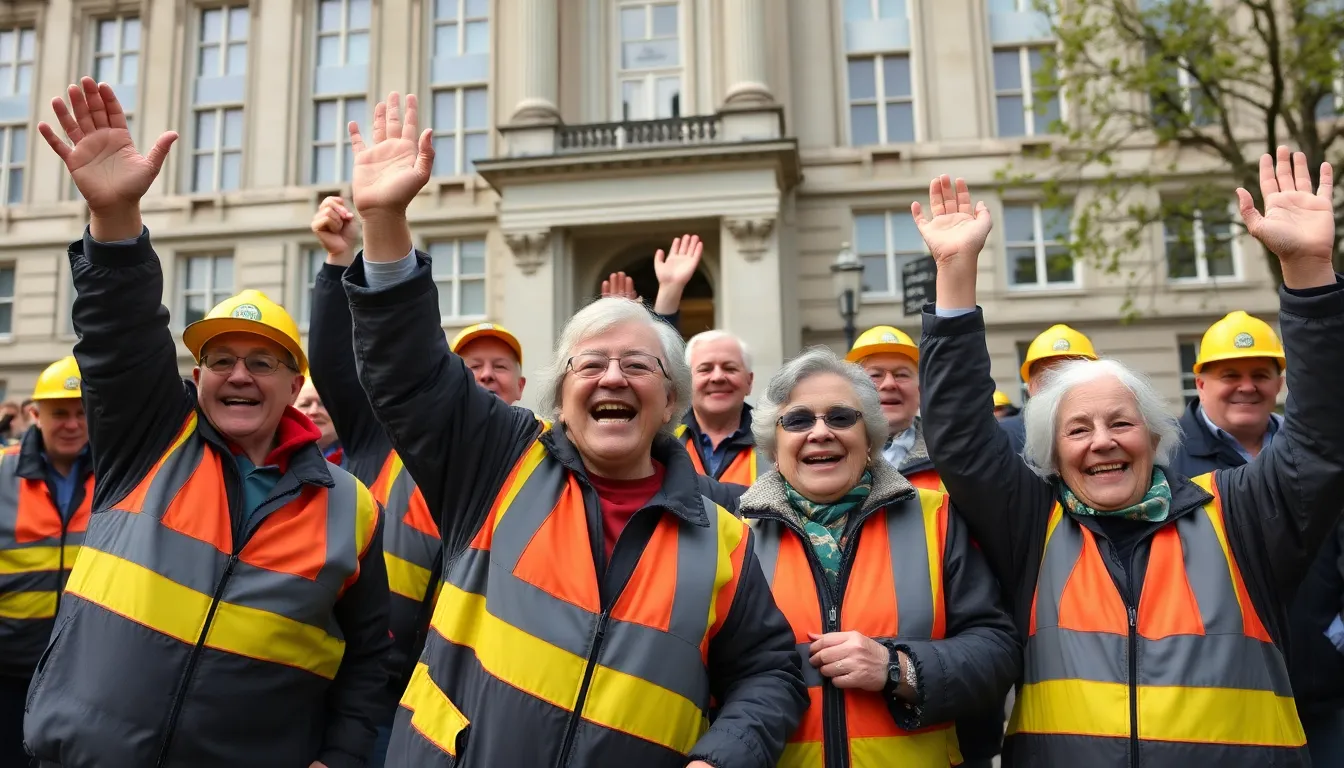
In the mid-term, the pension increase may stimulate local economies as former mineworkers spend their additional income in local businesses. This could lead to a resurgence in small shops, restaurants, and service providers within mining communities, creating opportunities for job growth and economic revitalization. However, there are also risks associated with this increase; if the funding for these pensions is not sustainable, it could lead to future financial strain on the government and potential cuts in other social services.
- Increased financial security for former mineworkers and their families.
- Potential growth in local economies as spending increases.
- Risks of sustainability in pension funding affecting future benefits.
- Opportunities for local businesses to thrive with increased consumer spending.
Ultimately, while the pension boost presents immediate benefits, it also necessitates careful monitoring of its long-term implications on both the beneficiaries and the broader economic landscape. Stakeholders, including local governments and community organizations, must engage in discussions about sustainable financial practices to ensure that this historic increase continues to benefit former mineworkers and their families for years to come.
A: The £100-a-week boost represents an increase in the pensions of former mineworkers, providing them with additional financial support in their retirement. A: Eligibility for the pension increase typically includes former mineworkers who have contributed to the pension scheme during their working years. A: This increase is expected to significantly improve the financial stability of former mineworkers, allowing them to better manage their living expenses. A: The pension boost is set to take effect immediately, with former mineworkers beginning to see the increase in their payments shortly. A: The pension increase was prompted by ongoing advocacy efforts and recognition of the sacrifices made by mineworkers throughout their careers.
Frequently asked questions about the pension boost
Key takeaways and future outlook on mineworker pensions
The recent announcement of a £100-a-week pension boost for former mineworkers marks a significant milestone in recognizing the contributions of these individuals to the UK’s industrial heritage. This increase not only provides much-needed financial relief to many retirees but also serves as a reminder of the ongoing discussions surrounding pension equity and support for workers in historically challenging industries.
As the implications of this boost unfold, it is essential to consider how this change might influence future pension policies and the broader landscape for retired workers across various sectors. The focus on mineworker pensions could spark similar movements for pension reforms in other industries, highlighting the need for equitable treatment and support for all retirees.
- The £100-a-week increase may lead to increased advocacy for pension reforms in other sectors, potentially expanding benefits for various groups of retired workers.
- This development could encourage more comprehensive discussions about the adequacy of pensions and financial support for workers in high-risk industries.
- Monitoring the long-term financial impact on former mineworkers will be crucial, as this boost may improve their quality of life and overall well-being.
- Future government policies may increasingly prioritize the needs of retired workers, reflecting a growing recognition of their contributions to the economy.
- The success of this initiative could serve as a model for other countries facing similar challenges with pension systems and worker support.