


With teams from 32 countries competing for the prestigious title, the stakes are high and the atmosphere is electric. Fans have already begun to gather in the city, filling the streets with national flags, jerseys, and chants as they prepare to support their teams in this global celebration of sport. To learn more about how to navigate this exciting time, check out How to Enjoy the World Cup Without Spoilers.
This World Cup is particularly significant as it marks the first time that the tournament is being co-hosted by three nations: Mexico, the United States, and Canada. The collaboration highlights a new era of international sporting events, emphasizing unity and shared passion for soccer across borders.
In addition to the matches, Mexico City is hosting various cultural events and fan zones, showcasing local traditions and cuisines. This not only enhances the experience for visitors but also positions the city as a key player in the global sports tourism market, which is expected to boost the local economy significantly.
Understanding the significance of Mexico City’s role in the World Cup
As the world turns its attention to the FIFA World Cup, Mexico City stands out as a vibrant backdrop for this prestigious event. Historically, the city has been a melting pot of culture, politics, and sports, making it a fitting host for an occasion that unites nations. The significance of Mexico City in the context of the World Cup is not just about its geographical location; it encompasses a rich tapestry of historical events and milestones that have shaped its identity.
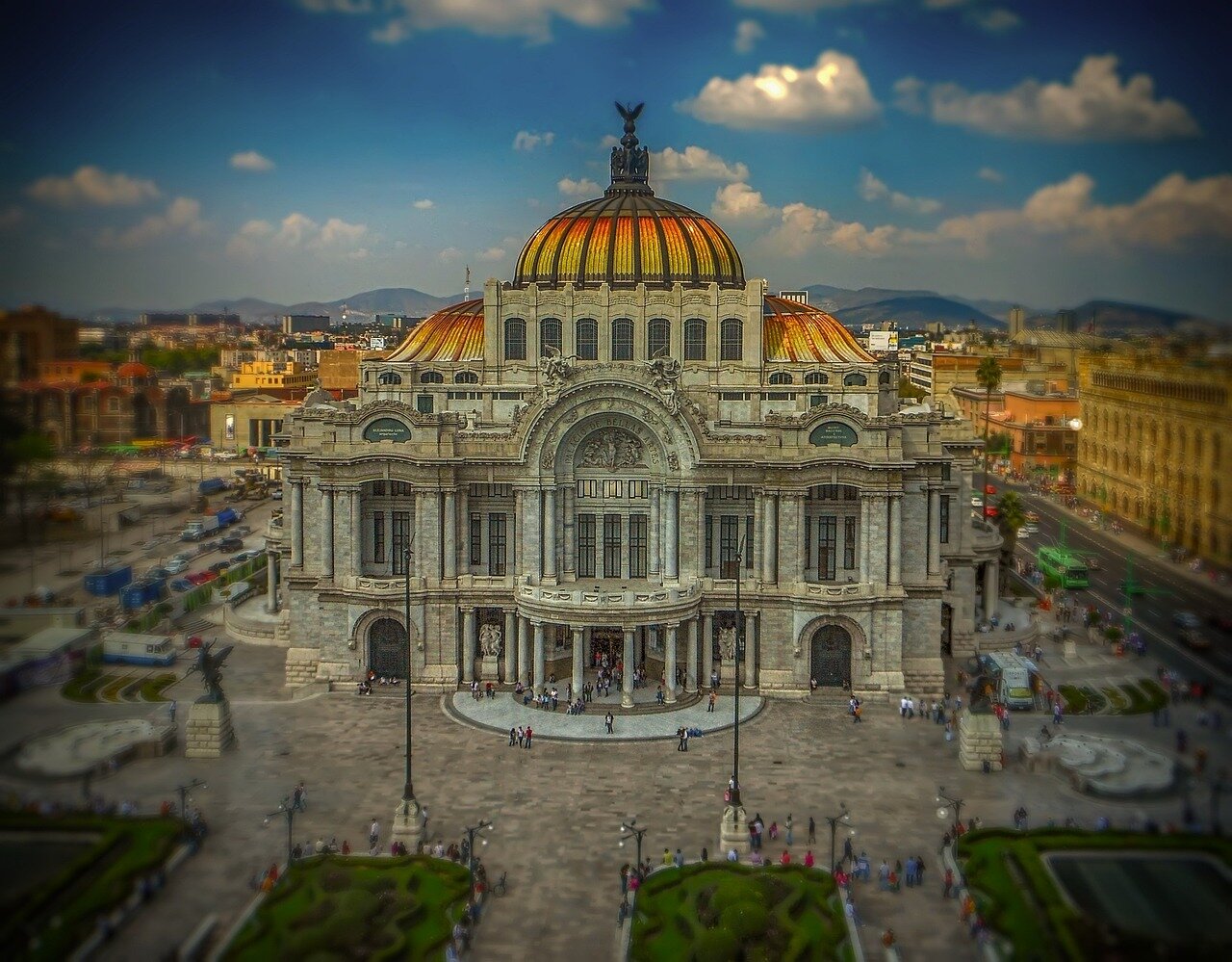
Mexico City’s first encounter with the World Cup came in 1970, when it hosted the tournament for the first time in North America. This moment marked a turning point in the city’s global image, showcasing its capacity to organize large-scale international events. The successful hosting of the tournament not only elevated Mexico’s status on the world stage but also laid the groundwork for future events, including the 1986 World Cup, which further solidified its reputation as a premier destination for sports. For a related insight, consider reading about GB’s Patten and partner Heliovaara’s recent match.
In recent years, the socio-political landscape of Mexico has also played a crucial role in shaping the narrative surrounding the World Cup. With ongoing challenges related to governance, security, and economic inequality, the tournament presents an opportunity for the country to showcase its resilience and unity. The event serves as a platform for Mexico to project a positive image internationally, countering negative perceptions that may arise from its domestic issues.
Economic Impact of Hosting the World Cup
The economic implications of hosting the World Cup cannot be understated. For Mexico City, the influx of tourists and media attention translates into significant financial opportunities. Previous tournaments have shown that hosting such events can lead to increased investment in infrastructure, tourism, and local businesses. As the city prepares to welcome fans from around the globe, stakeholders are hopeful that the World Cup will spur economic growth and create lasting benefits for the community.
Key stakeholders and issues surrounding the event
The commencement of the World Cup in Mexico City brings together a diverse array of stakeholders, each with distinct interests and objectives. Key actors include FIFA, the Mexican government, local businesses, and the citizens of Mexico City. Each of these groups plays a crucial role in shaping the event’s impact on the city and its residents.
FIFA, as the governing body of football worldwide, has a vested interest in ensuring the successful execution of the tournament. Their focus is primarily on maximizing revenue through ticket sales, sponsorships, and broadcasting rights. This financial incentive often leads to tensions with local entities, particularly regarding infrastructure and resource allocation.
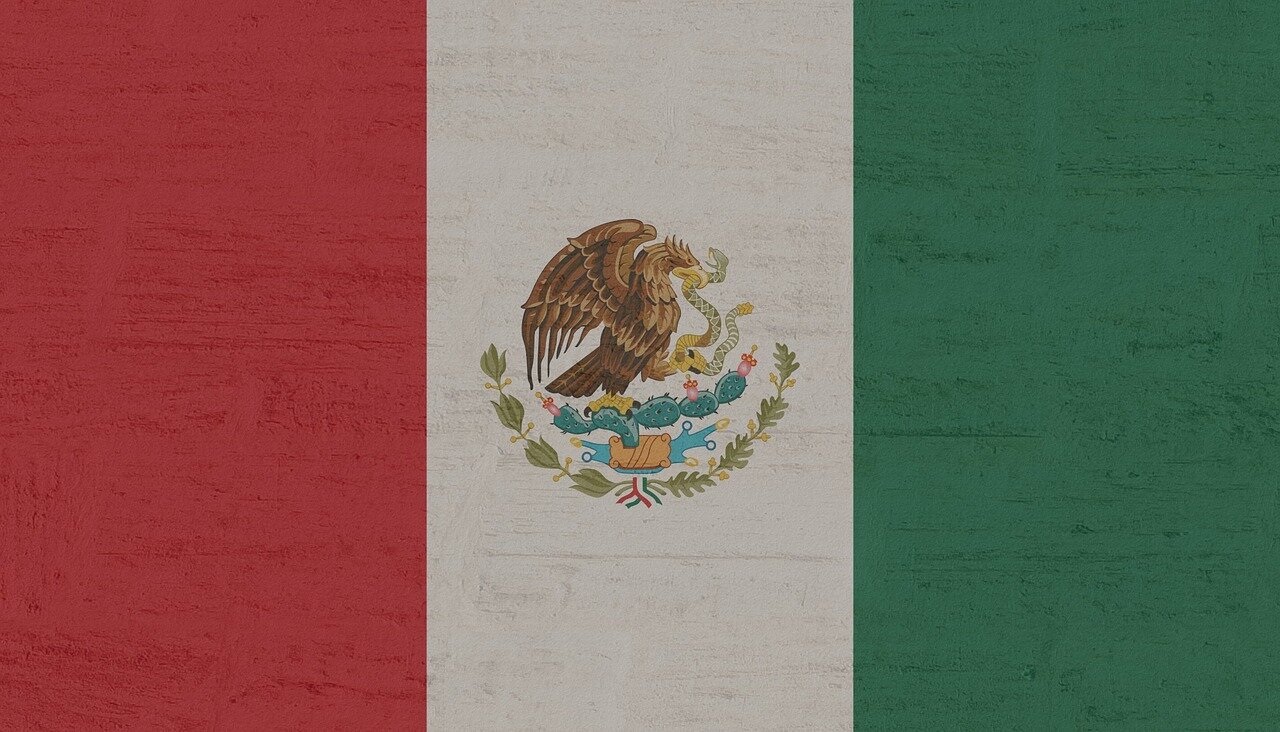
The Mexican government, while eager to showcase the country on a global stage, must navigate complex legal and economic issues associated with hosting such a large-scale event. These include ensuring adequate security measures, managing public funds, and addressing the potential displacement of local communities due to infrastructure projects.
- Economic Impact: The influx of tourists can boost local businesses but may also lead to inflation and increased living costs for residents.
- Infrastructure Development: The need for improved transportation and facilities can strain local resources and lead to long-term changes in urban planning.
- Social Issues: The event may exacerbate existing inequalities, with marginalized communities potentially facing eviction or neglect.
- Environmental Concerns: Large events often raise issues regarding sustainability and the environmental footprint of increased tourism.
Local businesses are poised to benefit from the surge in tourism, yet they also face challenges such as competition from larger corporations and the potential for increased regulation. Citizens of Mexico City, while proud of their city’s role on the world stage, may also have concerns about the social and economic ramifications of the event, particularly if their voices are not adequately represented in the planning process. This dynamic reflects broader trends seen in various sectors, as discussed in articles about the out of control US tipping culture.
How the World Cup affects local communities and economies
The commencement of the World Cup in Mexico City brings a multitude of effects across various groups and industries. Local businesses, hospitality sectors, and transportation services are poised to experience significant fluctuations in demand. As the world turns its eyes to Mexico City, the influx of tourists and fans can lead to both opportunities and challenges for these sectors.
In the short term, local economies are likely to see a boost as fans flock to the city, filling hotels, restaurants, and shops. This surge in visitors can create temporary jobs and increase sales for local vendors. However, the rapid influx may also strain resources, leading to overcrowding and potential disruptions in daily life for residents.
In the mid-term, the impacts could extend beyond immediate financial gains. Local governments may need to implement new policies to manage the increased traffic and ensure public safety, which could lead to longer-term changes in urban planning and infrastructure development. Additionally, the heightened global visibility could foster a sense of pride and community among residents.
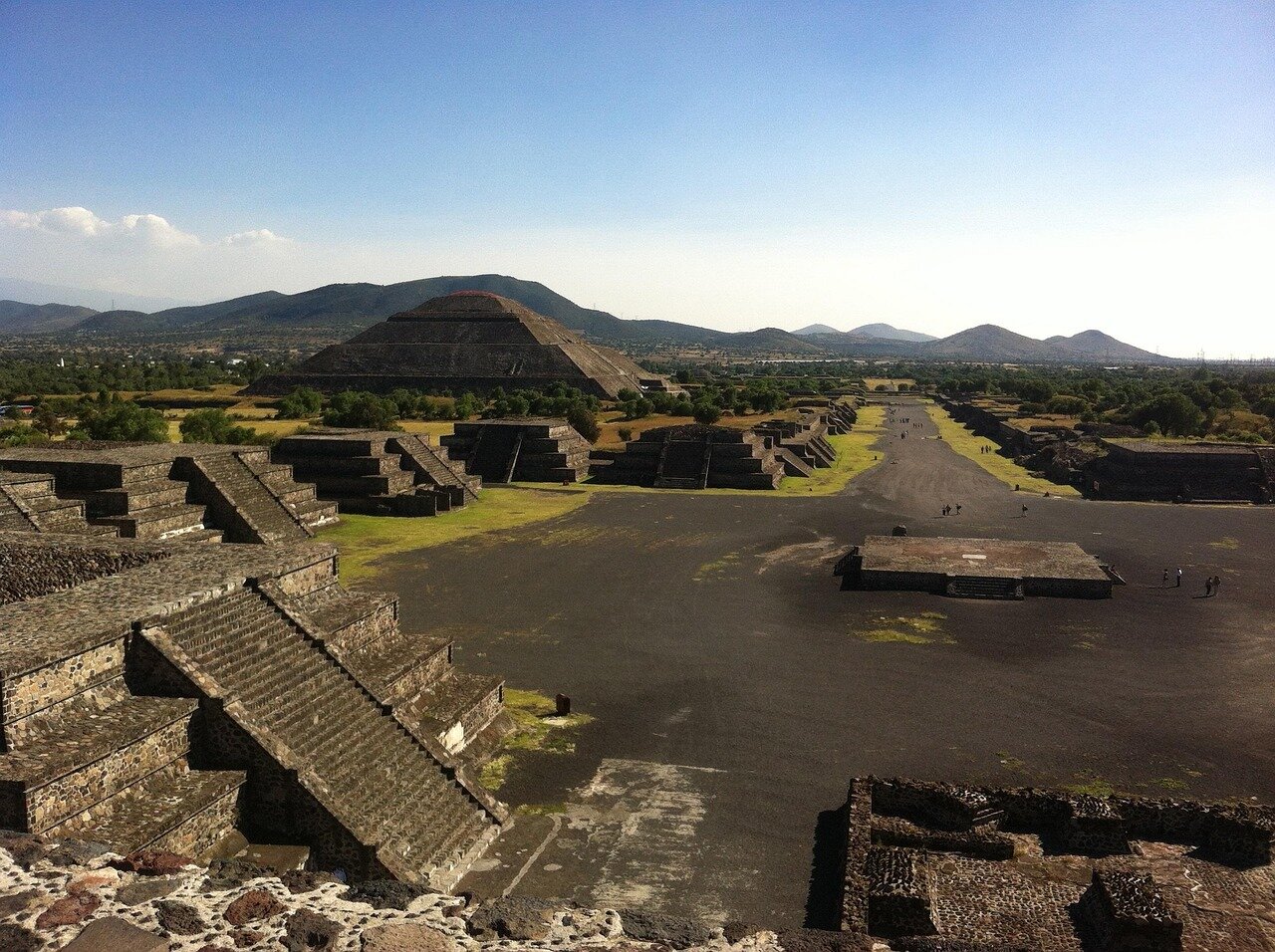
- Economic Boost: Increased spending in local businesses and tourism.
- Job Creation: Temporary employment opportunities in various sectors.
- Infrastructure Strain: Potential challenges in managing public resources and services.
- Global Exposure: Enhanced visibility for local culture and tourism.
- Community Pride: Strengthening of local identity and community bonds.
While the World Cup presents numerous opportunities for economic growth and cultural exchange, it also poses risks such as potential displacement of local residents and increased cost of living. Balancing these factors will be crucial for ensuring that the benefits of the event are felt by all segments of the population.
A: Mexico City will host several matches, cultural events, and fan zones where supporters can gather to celebrate. These events aim to showcase the city’s vibrant culture and hospitality. A: The city has implemented various measures including enhanced public transport, security protocols, and accommodation arrangements to ensure a smooth experience for tourists. A: Local businesses are expected to benefit significantly from increased foot traffic and tourism, with many restaurants, hotels, and shops preparing special offers for visitors. A: Yes, there will be numerous cultural exhibitions, concerts, and street festivals that celebrate both the World Cup and Mexican culture, enriching the overall experience for attendees. A: Fans can participate in guided tours, local culinary experiences, and community events that highlight Mexico’s rich heritage and traditions during their stay.
Frequently Asked Questions about the World Cup in Mexico City
Looking ahead: The future of Mexico City as a global sports destination
As the World Cup unfolds, Mexico City is poised to solidify its status as a premier global sports hub. The city’s rich cultural heritage, coupled with its modern infrastructure, presents a unique opportunity for growth in tourism and international events. Observers should note how this World Cup not only showcases athletic talent but also emphasizes the city’s ability to host large-scale events seamlessly.
The implications of this event extend beyond the immediate excitement of the tournament. The investment in facilities and services may lead to long-term benefits, fostering a vibrant sports culture and attracting future international competitions. The world will be watching how Mexico City manages this opportunity, setting a precedent for future events and enhancing its global reputation.
- Monitor the economic impact on local businesses and tourism during and after the World Cup.
- Watch for developments in infrastructure improvements that could benefit future sporting events.
- Observe how the event influences local sports culture and community engagement.
- Pay attention to international media coverage and its effect on Mexico City’s global image.
- Consider the potential for Mexico City to become a recurring host for major sports events in the future.