


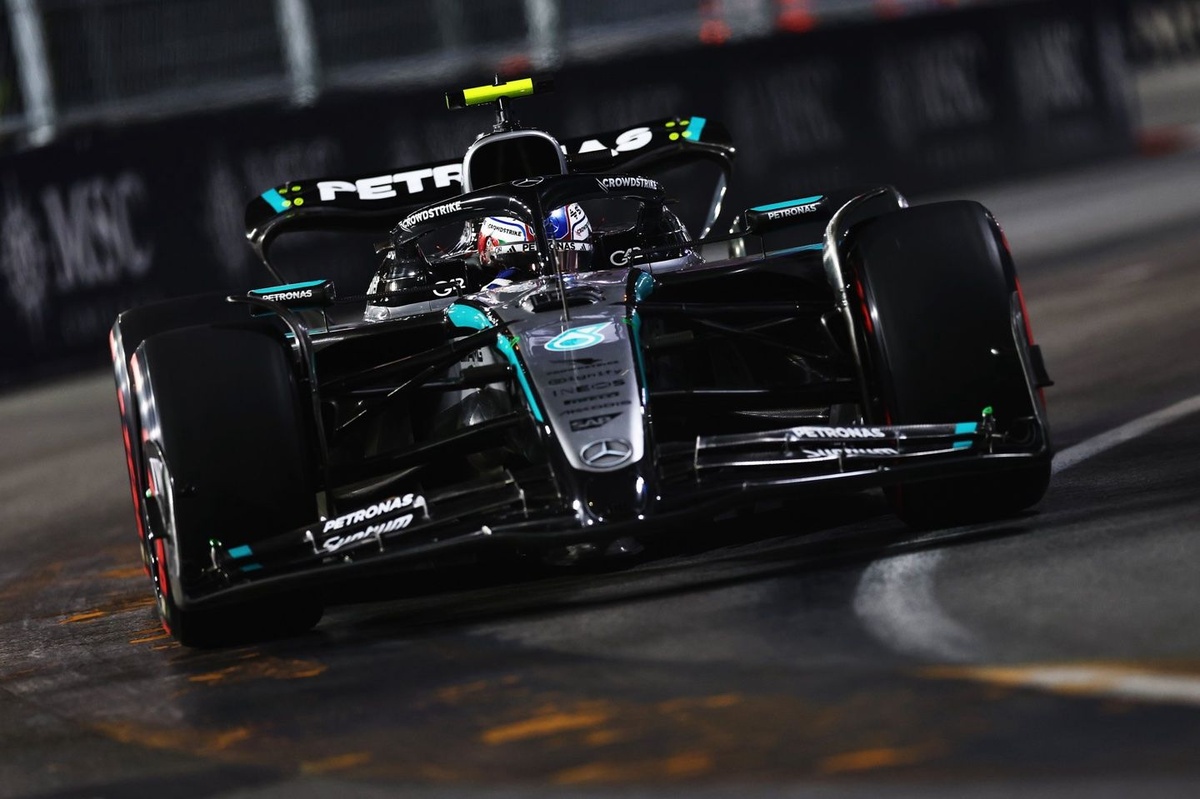
The penalty was issued after Antonelli’s car was observed moving before the lights went out, a violation of the start procedure regulations. Mercedes clarified that Antonelli did not engage the clutch, suggesting that the movement was unintended and possibly linked to the car’s electronic systems. This explanation raises questions about the reliability of technology in competitive racing and the fairness of penalizing drivers for mechanical issues beyond their control. For more on this subject, you can read our article on the impact of technology in sports.
This situation is particularly significant as it highlights the balance between strict adherence to racing rules and the potential for mitigating circumstances that can affect a driver’s performance. The incident has drawn attention not only from fans and analysts but also from regulatory bodies, which may need to reconsider how such penalties are enforced in the future. The outcome of this case could influence how similar situations are handled in upcoming races, especially in light of the evolving technology that impacts performance.
As the Formula 1 community continues to analyze the implications of Antonelli’s penalty, it serves as a reminder of the complexities involved in modern motorsport. With technology playing an increasingly critical role in racing, the discussion surrounding accountability and fairness is likely to intensify in the lead-up to the next Grand Prix. The Mercedes team’s response may set a precedent for how teams defend their drivers against penalties in the future.

Examining the rules governing jump-start penalties in racing
In the world of motorsport, the rules and regulations surrounding jump-start penalties are critical for ensuring fair competition. A jump-start occurs when a driver moves their car forward before the official start signal is given, which can provide an unfair advantage. The governing bodies of racing, such as the FIA (Fédération Internationale de l’Automobile), have established specific guidelines to address this issue, aiming to maintain integrity within the sport.
The penalties for jump-starts have evolved over the years, reflecting the changing dynamics of racing technology and driver behavior. Historically, penalties could range from time penalties to disqualification from the race, depending on the severity of the infraction. The introduction of advanced telemetry and electronic systems has allowed officials to monitor starts more closely, leading to more consistent enforcement of these rules.
The case of Antonelli’s jump-start
The recent incident involving Mercedes driver Antonelli during the Las Vegas race highlights the complexities surrounding jump-start penalties. Despite the controversy, Mercedes argued that Antonelli did not drop the clutch, suggesting that the car’s systems may have inadvertently triggered a jump-start. This raises questions about the role of technology in racing and whether drivers should be held accountable for actions that may be influenced by their vehicle’s electronic systems, much like the regulatory challenges faced in various industries.
Key milestones in the evolution of jump-start penalties include the introduction of automatic penalties for clear violations, which aimed to standardize the enforcement of rules across different racing series. Additionally, precedents set by past incidents have shaped how current cases are viewed, often leading to debates about the balance between driver responsibility and technological influence.

As racing continues to evolve, the discussion surrounding jump-start penalties will likely remain a focal point for teams, drivers, and governing bodies alike, as they navigate the fine line between competition and fairness in the sport.
Key stakeholders and their perspectives on the penalty
The recent jump-start penalty imposed on Mercedes driver Andrea Antonelli during the Las Vegas Grand Prix has sparked a range of reactions from various stakeholders in the motorsport community. Understanding the interests and perspectives of these actors is crucial to grasping the broader implications of the incident.
Mercedes, as a leading Formula 1 team, is primarily concerned with maintaining its competitive edge and reputation in the sport. The team argues that the penalty was unjust, emphasizing that Antonelli did not engage the clutch mechanism, which they believe should have been taken into consideration by the race stewards. This perspective highlights the team’s interest in ensuring fair treatment and consistency in officiating standards.
Race officials and the FIA (Fédération Internationale de l’Automobile) represent the regulatory body that oversees the rules and regulations of Formula 1. Their primary interest lies in upholding the integrity of the sport and ensuring that all teams adhere to established protocols. The decision to penalize Antonelli reflects their commitment to enforcing rules, even if it leads to controversy. This creates a tension between regulatory authority and team interests.
- Legal implications: The penalty raises questions about the clarity and enforcement of racing regulations, potentially leading to legal challenges or calls for rule revisions.
- Economic factors: For Mercedes, a penalty can have significant financial repercussions, affecting sponsorship deals and team morale.
- Fan reactions: Spectators and fans have varied opinions on the penalty, with some supporting strict enforcement of rules while others sympathize with the team’s plight.
Additionally, other teams in the paddock are also stakeholders, as they may view the penalty as a precedent that could affect their own drivers in similar situations. This dynamic creates a competitive atmosphere where teams are keenly aware of how penalties can shift the balance of power within the championship standings.
The implications of the penalty for Antonelli and the team
The recent jump-start penalty imposed on Antonelli during the Las Vegas race has significant ramifications not just for the driver, but for various stakeholders in the motorsport industry. This incident primarily affects the Mercedes-AMG Petronas Formula One Team, their sponsors, and fans who closely follow the sport.
In the short term, the penalty may lead to a negative impact on the team’s performance in the championship standings. This can result in decreased morale among team members and potential financial ramifications as sponsors may reassess their commitment based on performance outcomes. Additionally, fans may express disappointment, which could affect attendance and viewership in subsequent races.
In the mid-term, the incident could trigger discussions within the FIA regarding the enforcement of rules and penalties, potentially leading to policy changes that aim to clarify regulations around jump-starts. This could benefit teams by providing a clearer framework, but it also poses the risk of stricter penalties that might affect drivers’ strategies in future races.
- Risks: Decreased team morale and potential loss of sponsorships.
- Opportunities: Policy revisions may create a more equitable racing environment.
- Impact on fans: Changes in fan engagement and attendance at races.
Moreover, this incident highlights the broader implications for the motorsport community, including how penalties can influence the competitive landscape. Teams may need to adapt their strategies to mitigate risks associated with penalties, potentially leading to innovations in race preparation and execution.
A: A jump-start penalty occurs when a driver moves their car before the race starts, violating the rules. This can lead to time penalties or drive-through penalties depending on the severity. A: Mercedes explained that Antonelli’s jump-start was not intentional and provided technical insights to clarify the situation. They emphasized that the rules were applied consistently. A: Jump-start penalties can significantly affect a driver’s position and strategy in a race. They often lead to lost time and can impact championship standings. A: While it’s uncertain, discussions about refining the rules around jump-start penalties may arise to prevent similar controversies in the future. A: The incident might create mixed perceptions, but if handled well, it could also demonstrate Antonelli’s resilience and ability to learn from mistakes.
Frequently asked questions about the jump-start incident
Key takeaways and future outlook on racing penalties
The recent penalty imposed on Antonelli for a jump-start during the Las Vegas race has sparked discussions about the consistency and clarity of racing regulations. Mercedes’ explanation that “Kimi didn’t even drop the clutch” highlights the nuances in interpreting racing incidents, suggesting that the governing bodies may need to refine their criteria for penalties to ensure fairness and transparency. As teams and drivers adapt to these regulations, the implications for future races could be significant.
Moving forward, it will be crucial for teams to closely monitor the enforcement of penalties and how they impact race strategies. Additionally, the ongoing dialogue between teams and regulatory bodies may lead to changes in how jump-starts and similar infractions are judged, potentially influencing driver behavior and race outcomes.
- Expect increased scrutiny on jump-start incidents and their penalties in future races.
- Teams may adjust their strategies to mitigate the risk of penalties related to starting procedures.
- Continued discussions between teams and race officials could lead to clearer guidelines on penalties.
- Driver training may evolve to emphasize compliance with starting regulations more rigorously.
- Fans and analysts should watch for shifts in how penalties are applied in upcoming events.