


This situation is particularly notable given the film’s high-profile subject, the former First Lady of the United States. The documentary, which delves into her life and experiences in the White House, has garnered attention worldwide, but South African viewers have been left without access, leading to a sense of exclusion from the global conversation surrounding the film. For more on similar topics, check out How Computer Warfare Is Becoming Part of the Pentagon’s Arsenal.
Industry experts suggest that the lack of availability may be linked to various factors, including potential licensing issues or a strategic decision by distributors. This absence highlights broader trends in film distribution, where certain titles may not reach all markets, reflecting the complexities of international media access.
The decision not to screen the documentary in South Africa also raises questions about audience demand and cultural relevance. As global narratives continue to evolve, the impact of such omissions on local audiences and the film industry remains to be seen.
Understanding the background of the documentary’s release
The documentary about Melania Trump has sparked significant interest since its announcement, particularly in the context of her role as First Lady of the United States. However, its absence from South African cinemas highlights a complex interplay of cultural, political, and economic factors that influence film distribution in the region. South Africa’s film industry has a rich history, yet it often grapples with the implications of global politics and local audience preferences, a topic further explored in Wunmi Mosaku’s inspiring journey to an Oscar nomination.
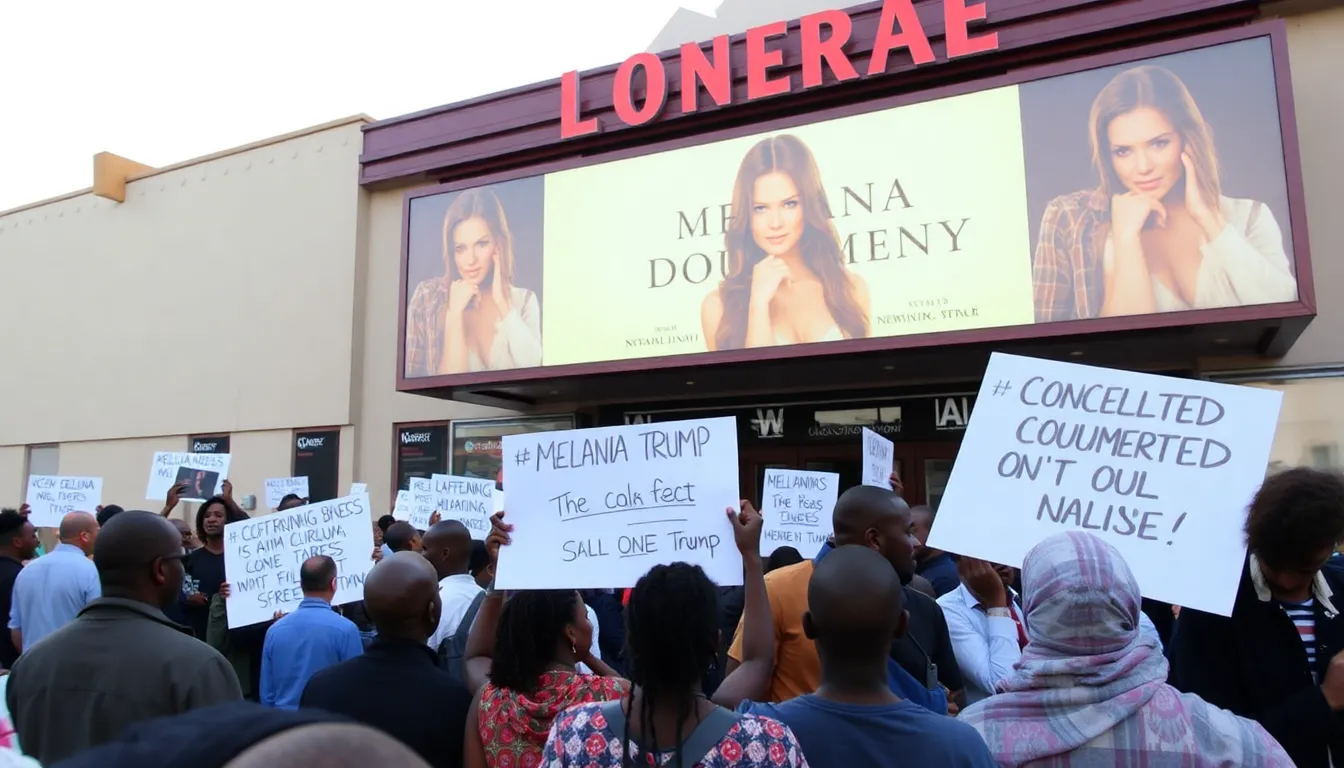
Historically, South Africa’s film market has been shaped by its diverse population and the legacy of apartheid, which has led to a strong demand for content that resonates with local narratives. The documentary’s focus on an American political figure may not align with the interests of South African audiences, who often seek stories that reflect their own experiences and societal issues. This disconnect can result in limited distribution for films that do not cater to local tastes.
Moreover, the political climate in South Africa also plays a crucial role in determining which films are shown in cinemas. The country’s media landscape is influenced by various factors, including government policies, international relations, and public sentiment towards American politics. With the Trump administration being a polarizing topic globally, the documentary may face skepticism or outright rejection from both distributors and audiences in South Africa.
The Economic Considerations of Film Distribution
Economic factors further complicate the situation. The South African film industry is still recovering from the impacts of the COVID-19 pandemic, which has strained resources and altered viewer habits. Distributors are increasingly cautious about investing in films that may not guarantee a return on investment. Given the documentary’s niche appeal, it may not have been deemed financially viable for local cinemas, leading to its absence from the screens.
Examining the stakeholders and reasons behind the documentary’s exclusion
The decision to exclude the Melania Trump documentary from South African cinemas involves multiple stakeholders with varying interests. Key actors include the filmmakers, distribution companies, local cinema chains, and the South African government. Each of these entities plays a role in the broader context of media representation and cultural sensitivity.
Filmmakers and production companies are primarily focused on maximizing viewership and revenue. However, they must also consider the cultural implications of their work, especially when it involves a figure as polarizing as Melania Trump. Local cinema chains, on the other hand, are tasked with curating content that resonates with their audience while also adhering to legal and ethical standards.
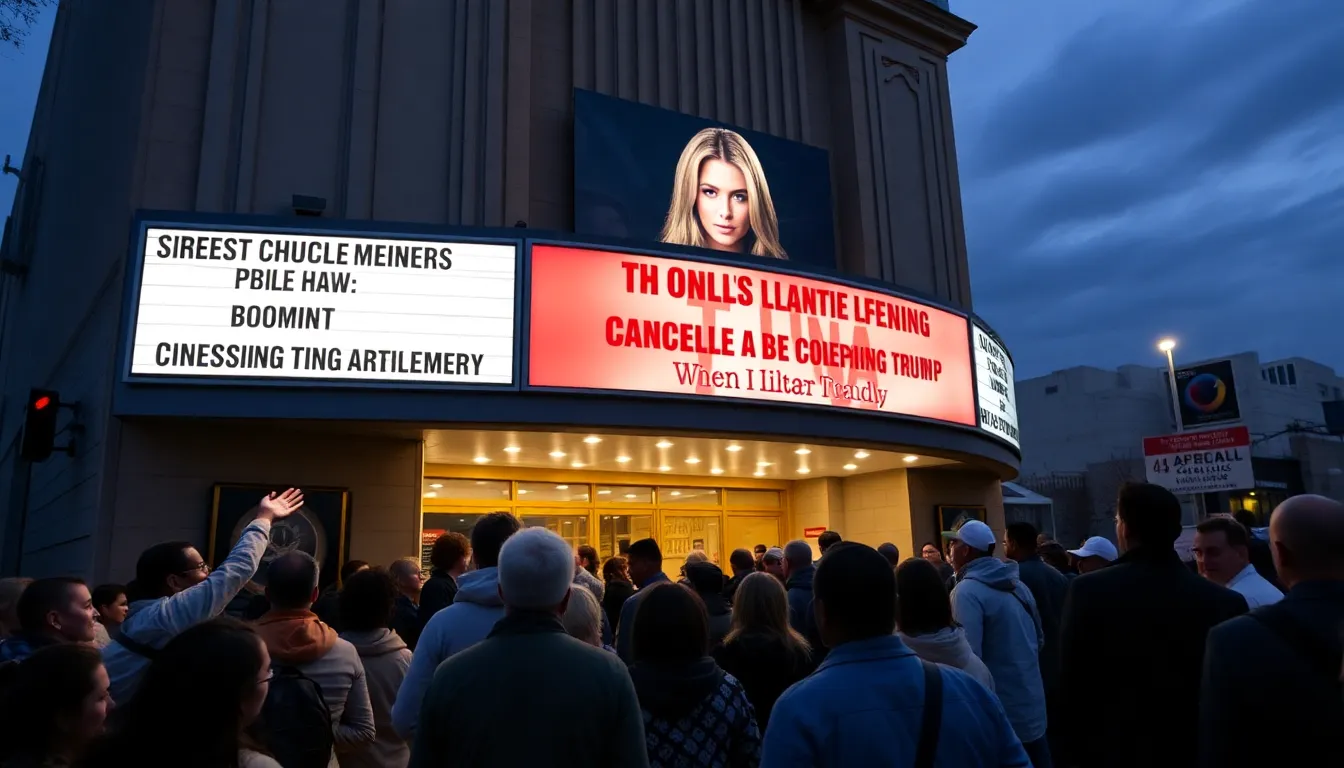
The South African government, including regulatory bodies, is concerned with maintaining a media landscape that reflects the country’s diverse culture and values. This may lead to conflicts when international content is perceived as not aligning with local sensitivities or political climates. Trade-offs often arise when balancing artistic expression against public sentiment and legal frameworks.
- Cultural Sensitivity: The documentary may not align with South African values or perspectives on political figures.
- Legal Regulations: Local laws regarding the distribution of foreign media could impact availability.
- Market Demand: The potential audience’s interest in the documentary plays a crucial role in its release.
- Political Climate: The current political environment may influence how international figures are received.
- Economic Considerations: Financial viability for cinema chains may lead to selective content curation.
In summary, the interplay between these stakeholders highlights the complex dynamics at play in the distribution of international documentaries in South Africa. The exclusion of the Melania Trump documentary serves as a case study in how cultural, legal, and economic factors can shape media availability and public discourse. For insights into trending issues, refer to Understanding Hypershot Codes in January 2026.
The potential impact on audiences and the film industry in South Africa
The absence of the Melania Trump documentary in South African cinemas affects various groups, including local film enthusiasts, cinema operators, and the broader entertainment industry. Audiences who were eager to engage with the film, whether for its political content or celebrity appeal, are left without access to a potentially thought-provoking narrative. This situation may also dampen the enthusiasm for other international documentaries that might not receive distribution in the region.
Cinema operators, particularly smaller independent theaters, may experience a decline in foot traffic as they miss out on a high-profile release that could attract viewers. This can have a ripple effect on their revenue, affecting their ability to showcase diverse content in the future. The documentary’s absence can also influence the overall perception of the South African film market as a viable venue for international films, potentially deterring distributors from considering future releases.
In the mid-term, the lack of access to such documentaries may lead to a gap in public discourse surrounding global political issues, particularly those related to the Trump administration and its impact worldwide. Without these narratives, audiences may miss out on critical insights that could foster informed discussions about leadership, democracy, and media influence. This could ultimately affect civic engagement and awareness among South African audiences.
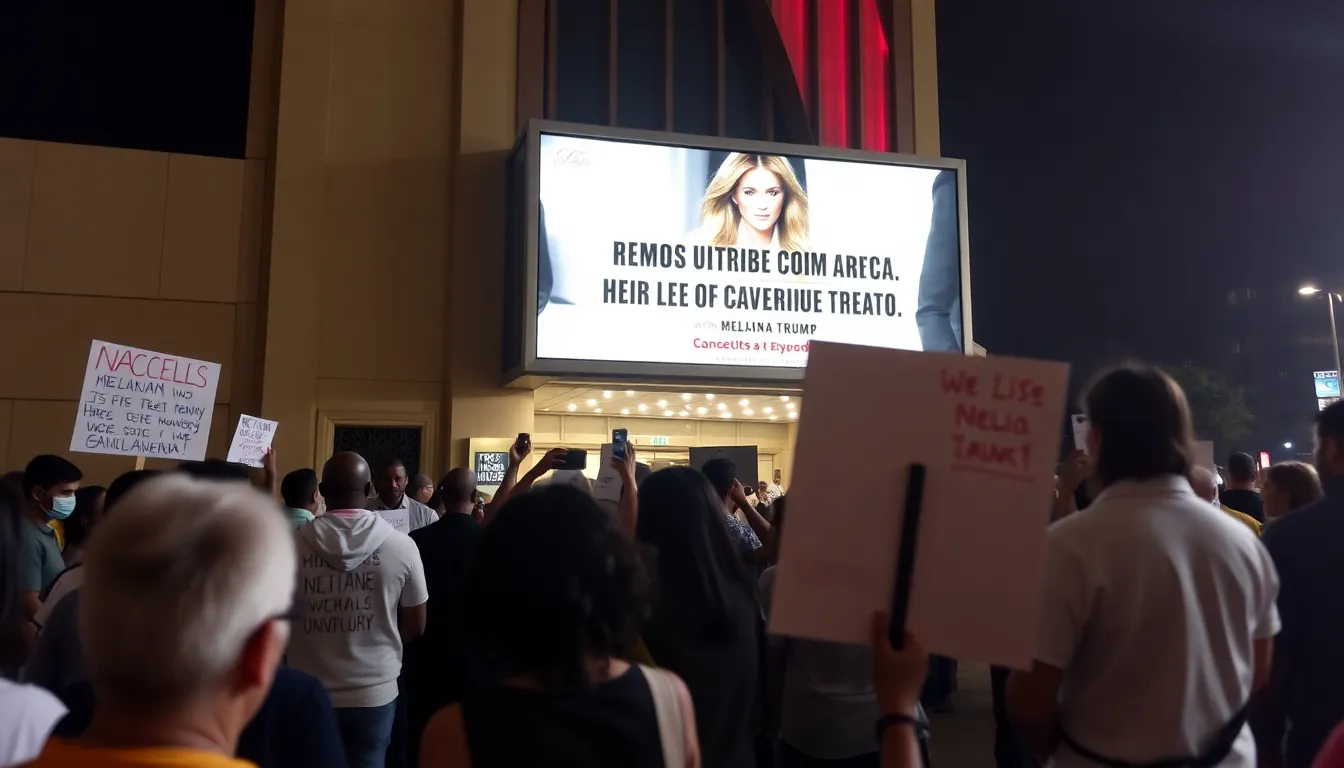
- Risks: Decreased revenue for cinemas, limited access to diverse narratives, and reduced public discourse on important political issues.
- Opportunities: Potential for local filmmakers to fill the gap with original content, increased interest in alternative documentary screenings, and the possibility for online platforms to gain traction.
As audiences seek alternative viewing options, there may be a shift towards streaming services or local productions that address similar themes. This could encourage innovation within the South African film industry, prompting creators to explore narratives that resonate with local and global audiences alike. In this way, the absence of the Melania Trump documentary could inadvertently open doors for new voices and stories to emerge in the cinematic landscape.
A: The documentary’s absence in South African cinemas is attributed to distribution decisions made by the producers and local cinema chains. Factors such as audience interest and market viability may have influenced this choice. A: There is currently no official announcement regarding the documentary’s release on streaming platforms. Viewers are encouraged to stay updated on potential digital distribution. A: The documentary explores Melania Trump’s life, her role as First Lady, and her influence on American culture and politics. It aims to provide an in-depth look at her public and private persona. A: As of now, there are no confirmed plans for future screenings in South Africa. The situation may change depending on demand and distribution negotiations. A: Public reaction has been mixed, with some expressing disappointment over the lack of access while others question the relevance of the documentary to South African audiences.
Frequently asked questions about the documentary
Key takeaways and future outlook for the documentary’s availability
The absence of the Melania Trump documentary in South African cinemas highlights the complexities surrounding international film distribution and audience reception. Factors such as local interest, cultural relevance, and regulatory challenges play significant roles in determining which films reach specific markets. As global streaming platforms continue to expand, the potential for alternative viewing options remains a pivotal consideration for audiences in regions where theatrical releases may not occur.
Going forward, it will be essential to monitor how similar documentaries are received in various international markets and whether they find their way to streaming services that cater to diverse audiences. The evolving landscape of media consumption could influence future distribution strategies for politically-themed documentaries, potentially reshaping how such content is accessed worldwide.
- The documentary’s absence may indicate a lack of local interest in the subject matter, prompting filmmakers to reassess their target audiences.
- Streaming platforms might become the primary avenue for accessing politically-themed content in regions where theatrical releases are limited.
- Future documentaries may need to consider cultural relevance more closely to ensure wider appeal in international markets.
- Regulatory challenges in film distribution may require filmmakers to navigate complex legal landscapes to reach global audiences.
- Increased collaboration between international distributors and local cinemas could enhance the availability of diverse content in various regions.