


After competing in various national championships and gaining valuable experience, Sesks has outlined ambitious goals for the upcoming season. He aims to secure points in multiple events, showcasing his skills and determination to climb the ranks of the WRC. His commitment to training and preparation reflects his desire to make a lasting impact in the sport.
Sesks has been working closely with his team to fine-tune his car and strategies, ensuring he is well-prepared for the challenges ahead. With a focus on improving his driving techniques and adapting to different rally conditions, he is poised to leverage his past experiences to achieve success. The support from his team and fans will play a crucial role in his performance throughout the season.
The return of Martins Sesks to the WRC is not just a personal milestone; it also highlights the growing talent pool in rally racing. As younger drivers like Sesks emerge on the scene, they bring fresh energy and competitiveness to the championship, making it an exciting time for motorsport enthusiasts. The upcoming season promises to deliver thrilling races and memorable moments as new and seasoned drivers vie for victory.
Understanding the background of Sesks’ WRC journey
Martins Sesks, a prominent name in the world of rallying, has been making waves in the motorsport community, particularly with his ambitions regarding the World Rally Championship (WRC). His journey is not just a personal quest for success but also a reflection of the evolving landscape of rallying, influenced by various historical and economic factors. As motorsport continues to grow globally, the WRC has seen an influx of talent from different regions, with drivers like Sesks emerging from the competitive Baltic rally scene.
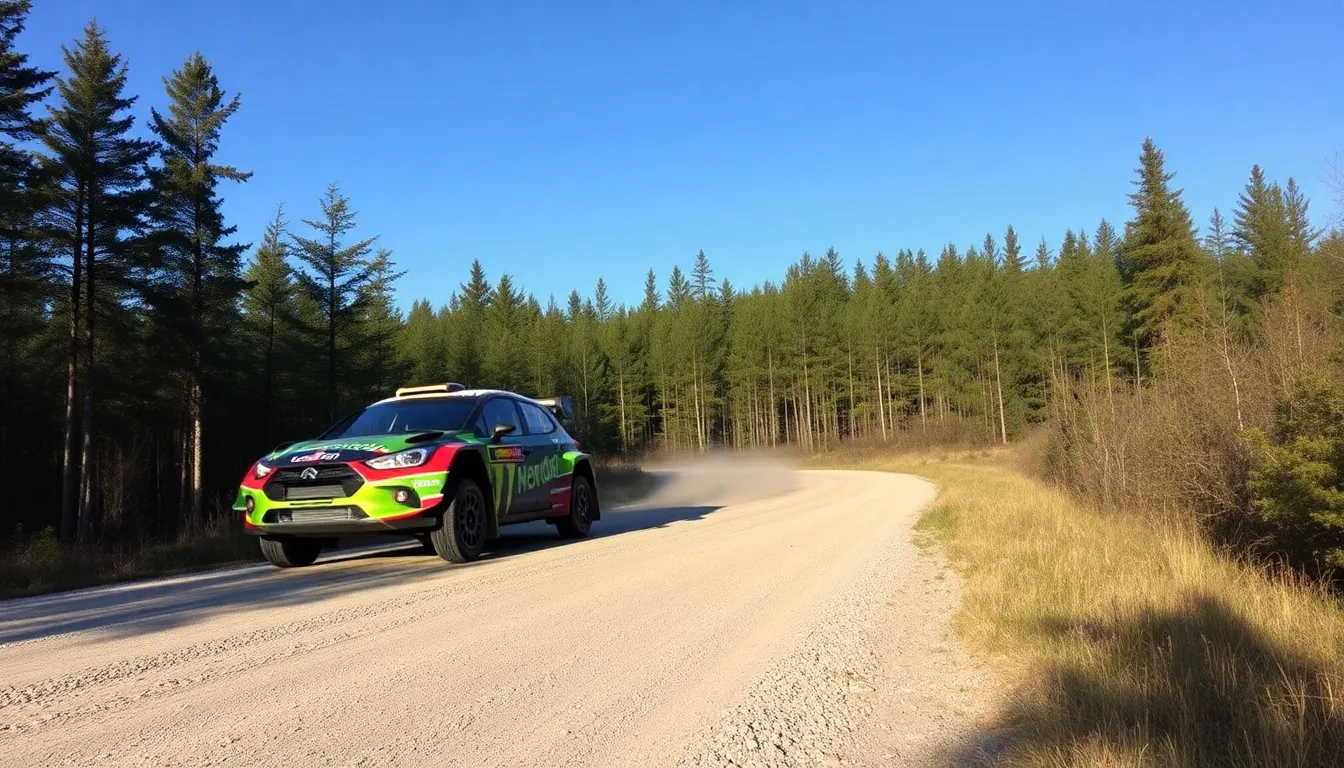
The roots of Sesks’ passion for rallying can be traced back to the rise of motorsport in the Baltic states during the late 20th century. With the dissolution of the Soviet Union, countries like Latvia began to embrace motorsport as a means of national identity and pride. This shift allowed local talents to flourish, and Sesks, who started his career in karting, quickly transitioned to rallying, where he found his true calling. His early successes in national competitions laid the groundwork for his aspirations on the international stage, including the WRC.
Economically, the support for rallying in Latvia has grown, with increased sponsorship opportunities and government backing for sports initiatives. This has provided drivers like Sesks with the resources needed to compete at higher levels. The establishment of rally schools and training programs has also contributed to the development of skilled drivers, creating a competitive pipeline that feeds into the WRC. As Sesks prepares for his return to the WRC, he is not only representing himself but also the burgeoning talent pool from his home country.
The significance of WRC in motorsport
The World Rally Championship has long been considered the pinnacle of rallying, attracting the best drivers and manufacturers from around the globe. The championship’s rich history dates back to its inception in 1973, and it has since evolved into a showcase of cutting-edge technology and exceptional driving skills. For drivers like Sesks, participating in the WRC is a dream that encapsulates years of hard work and dedication, as well as the desire to compete against the best in the sport.
Key challenges and opportunities for Sesks in the WRC
Martins Sesks, a prominent figure in the World Rally Championship (WRC), is gearing up for his return to the competitive racing scene. His participation not only reflects personal ambition but also highlights the interests of various stakeholders involved in the sport, including sponsors, teams, and fans. Each of these actors has distinct motivations that intertwine with Sesks’ performance and the overall dynamics of the championship.
One of the primary stakeholders is the team that supports Sesks, which has invested significant resources into his training and vehicle preparation. Their interest lies in achieving competitive results that can enhance their reputation and attract further sponsorship. Additionally, sponsors are keen to associate their brands with successful athletes, as this can translate into greater visibility and market reach.
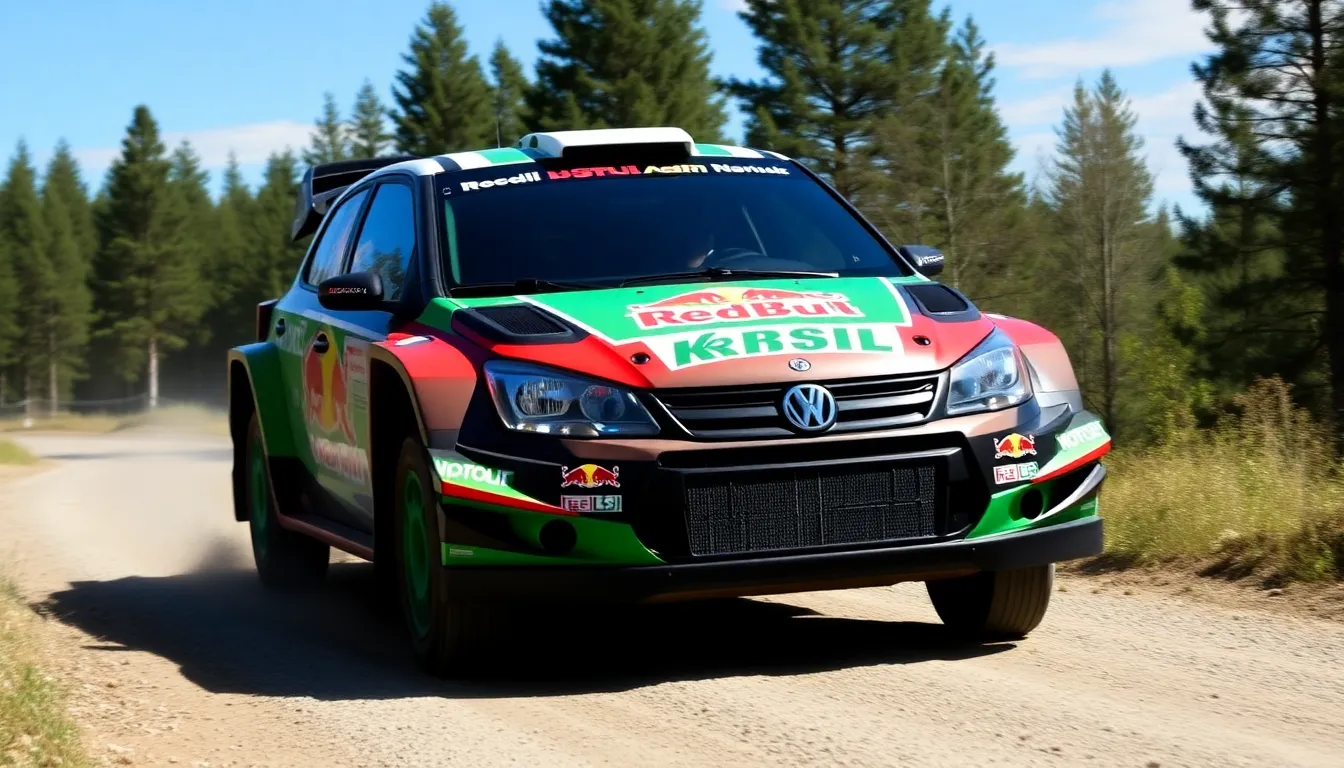
Moreover, fans play a crucial role in the WRC ecosystem. Their enthusiasm and support can influence attendance at events and engagement on social media platforms. Sesks’ ability to connect with fans and deliver exciting performances could enhance his popularity and, in turn, benefit the broader promotional efforts of the WRC.
- Competitive Performance: Sesks must navigate the challenges posed by seasoned competitors, which could impact his standings in the championship.
- Sponsor Expectations: The pressure to deliver results may create conflicts between personal goals and team objectives.
- Fan Engagement: Building a strong rapport with fans is essential for long-term support and sponsorship opportunities.
- Economic Factors: Fluctuations in funding and sponsorship deals can affect team resources and strategic decisions.
- Regulatory Compliance: Adhering to WRC regulations is crucial to avoid penalties that could hinder performance.
As Sesks prepares for his return, balancing these interests and navigating the associated challenges will be vital. The interplay between individual aspirations and collective stakeholder interests will shape the narrative of his season in the WRC.
How Sesks’ return will affect the rally community
The return of Martins Sesks to the World Rally Championship (WRC) is poised to have significant implications for various stakeholders within the rally community. Rally teams, sponsors, and fans are all likely to experience a shift in dynamics as Sesks aims to make his mark once again on the international stage.
In the short term, Sesks’ participation is expected to energize the local and international rally scenes. His presence can attract more spectators and media attention, benefiting local businesses in regions hosting events. This surge in interest could lead to increased sales for hotels, restaurants, and merchandise vendors, creating a ripple effect throughout the economy of the rally locations.
However, the mid-term effects may present both risks and opportunities. Teams may experience heightened competition, which could lead to increased investment in technology and training. While this could elevate the overall quality of the sport, it may also strain smaller teams that lack the resources to keep pace. Additionally, sponsors may reassess their commitments based on performance outcomes, impacting financial stability across the board.
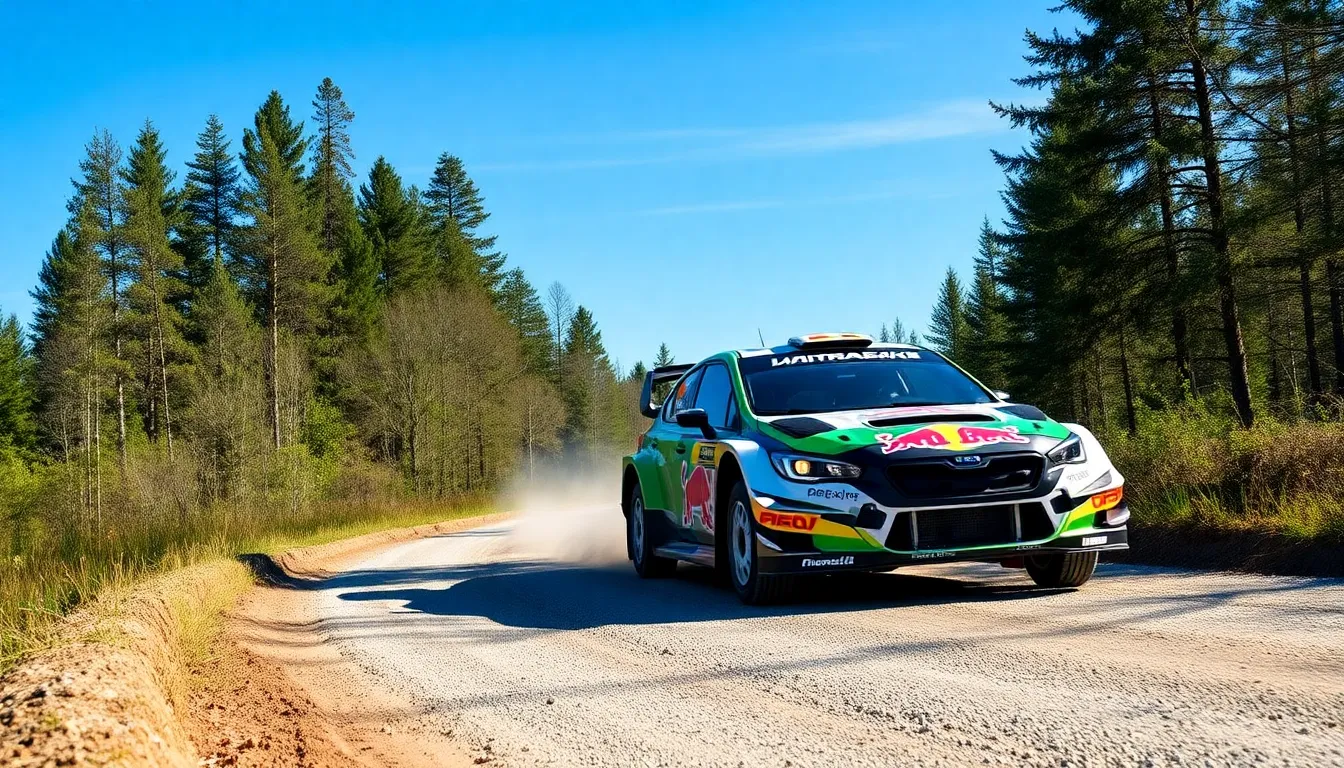
- Increased local economic activity due to heightened event attendance.
- Potential for greater media coverage leading to broader brand exposure.
- Competitive pressure on smaller teams may lead to funding challenges.
- Opportunities for innovation as teams invest in new technologies.
Ultimately, Martins Sesks’ return to the WRC could serve as a catalyst for both growth and challenges within the rally community, shaping the future landscape of the sport for years to come.
A: Martins Sesks aims to secure a top position in the standings and improve his overall performance compared to previous seasons. A: Sesks is set to make his return in the upcoming rally event scheduled for next month. A: Sesks will have to contend with fierce competition from established drivers and adapt to the evolving rally conditions. A: He has been undergoing rigorous training and participating in various rally events to sharpen his skills ahead of the season. A: His return is expected to boost team morale and enhance their competitive edge in the championship.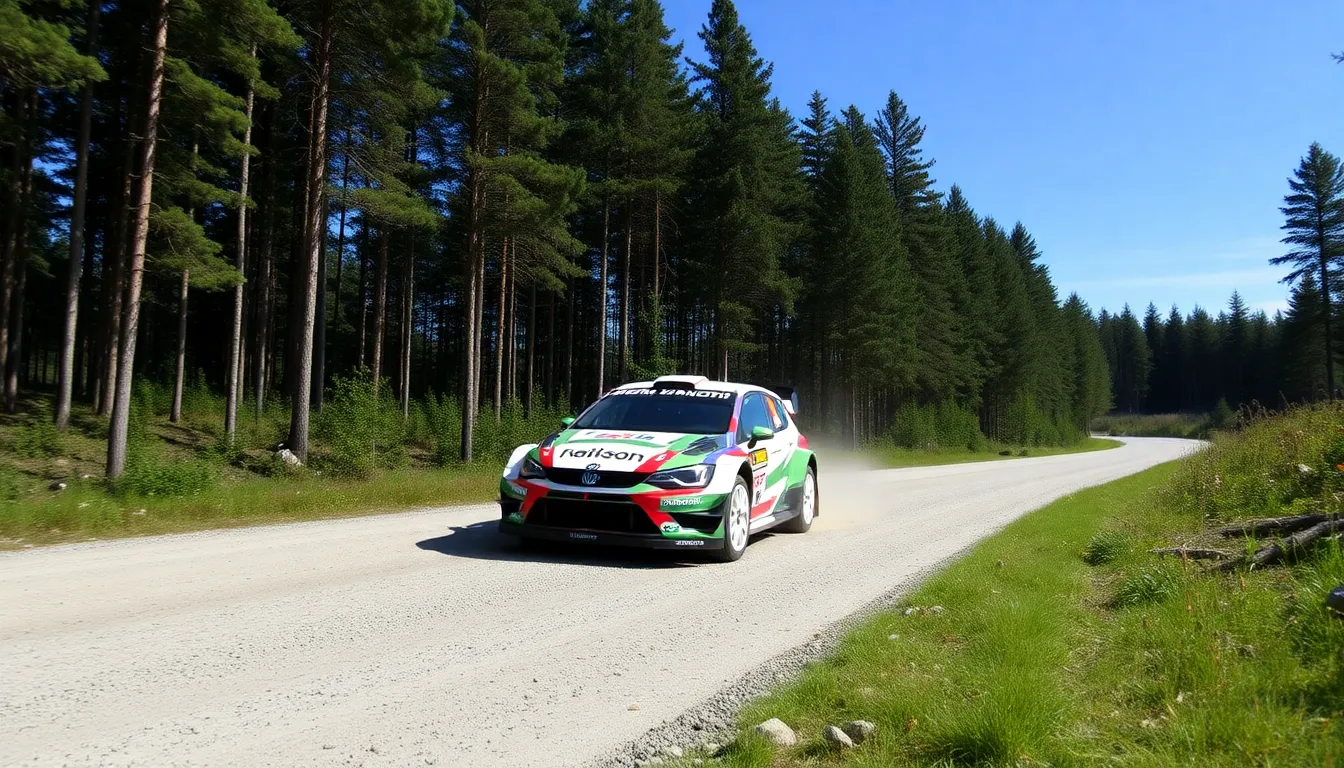
Frequently asked questions about Martins Sesks and WRC
Looking ahead to Sesks’ future in the World Rally Championship
Martins Sesks has made a clear statement of intent as he prepares for his return to the World Rally Championship (WRC). With a focus on building on his past experiences and leveraging the lessons learned, Sesks aims to make a significant impact in the upcoming season. His determination and strategic approach suggest that he is not just looking to participate but to compete at a high level.
As the WRC season unfolds, several factors will be crucial in determining Sesks’ success. His ability to adapt to various terrains, the performance of his team, and the evolving competitive landscape will all play pivotal roles. Observers should keep an eye on how he navigates these challenges and whether he can translate his ambitions into tangible results.
- Watch for Sesks’ performance in early races to gauge his competitiveness against established drivers.
- Monitor the technical developments of his vehicle, as advancements could enhance his performance significantly.
- Consider the impact of weather and terrain variations on his driving strategy throughout the season.
- Evaluate how well Sesks collaborates with his team, as teamwork will be essential for achieving consistent results.
- Keep an eye on his mental resilience, especially during challenging stages of the championship.