


The decision to withdraw from the upcoming races in Jerez and Le Mans was made after a thorough medical assessment. Marquez is currently dealing with a fractured right hand, which requires time for recovery and rehabilitation. This absence marks another setback for the six-time MotoGP champion, who has faced numerous injuries in recent seasons, as discussed in our article about England’s Wood aiming to return.
Marquez’s participation in the championship has been closely monitored, as he has struggled to regain his form since returning from a long injury layoff. His absence from the next two races could significantly impact his standings in the overall championship and the performance of his Repsol Honda team.
The MotoGP community is now left to speculate on how Marquez’s recovery will affect the remainder of the season. With the next race set for May 7, 2023, fans and analysts alike will be watching closely to see if he can return to competitive form after this latest injury setback, similar to how Shaw’s performance was scrutinized following his injury.
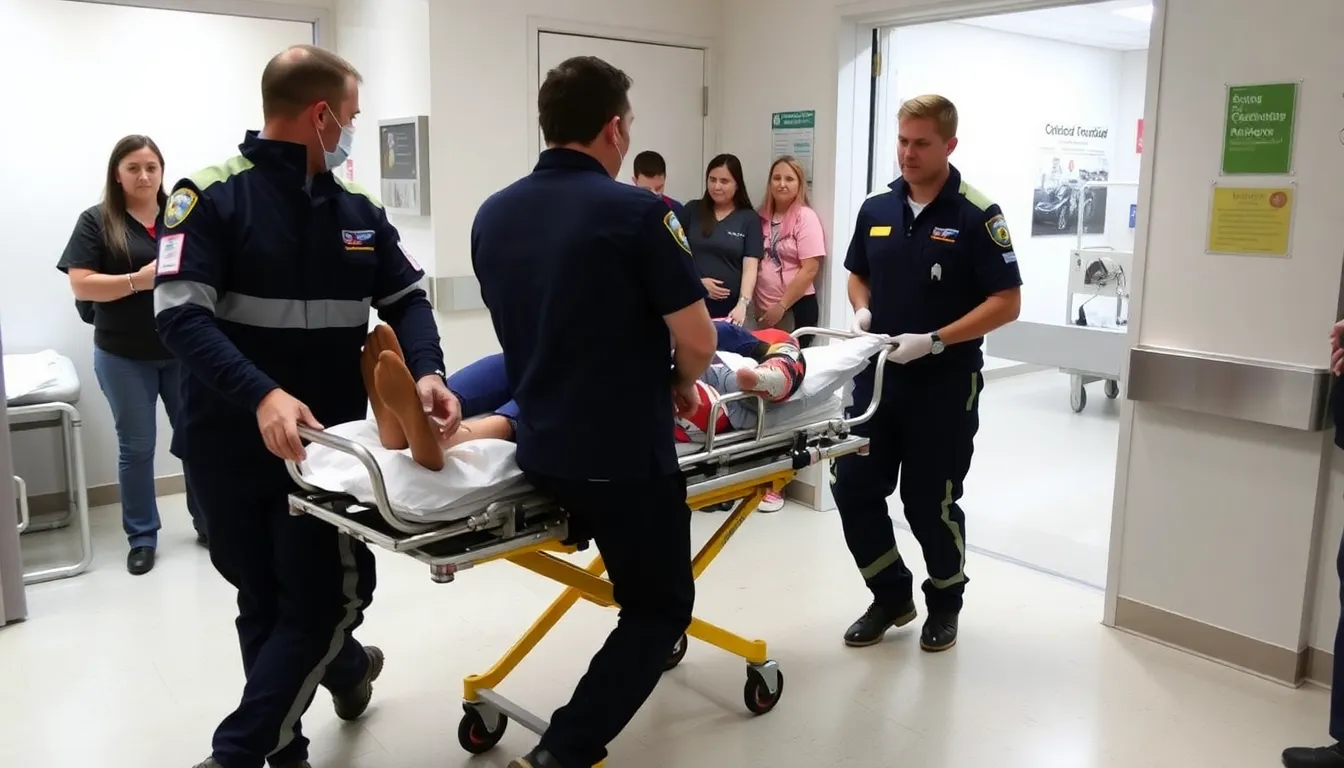
Understanding the circumstances surrounding Marquez’s crash
Marc Marquez, a six-time MotoGP world champion, has been a dominant figure in motorcycle racing since his debut in 2013. His aggressive riding style and remarkable skill have earned him numerous accolades, but they have also led to a series of high-profile crashes. The latest incident, which resulted in him being sidelined for the next two races, raises questions about the physical and psychological toll of competitive racing, especially after his recent recovery from a long-term injury.
The crash occurred during a pivotal race in the current MotoGP season, a time when riders are pushing their limits to secure valuable points. Marquez’s history of injuries, particularly his arm surgery in late 2020, has been a significant factor in his performance and decision-making on the track. This latest setback not only affects his championship standings but also highlights the ongoing challenges riders face in balancing aggression with caution.
The impact of injuries on racing careers
Injuries in motorsport are not uncommon, but the frequency and severity of Marquez’s accidents have sparked discussions about safety protocols and the physical demands placed on riders. Following his return from surgery, Marquez has been under immense pressure to perform, leading to a potential over-exertion that may have contributed to the recent crash. The MotoGP community is now scrutinizing how injuries influence a rider’s ability to compete effectively and safely.
Historically, Marquez’s resilience and determination have been celebrated, but this incident serves as a reminder of the precarious nature of professional racing. The implications of his absence from the upcoming races extend beyond his personal career; they affect team strategies, fan expectations, and the overall dynamics of the championship. As the season progresses, the focus will be on how Marquez recovers and whether he can return to form amidst the growing concerns about rider safety and health in the sport.
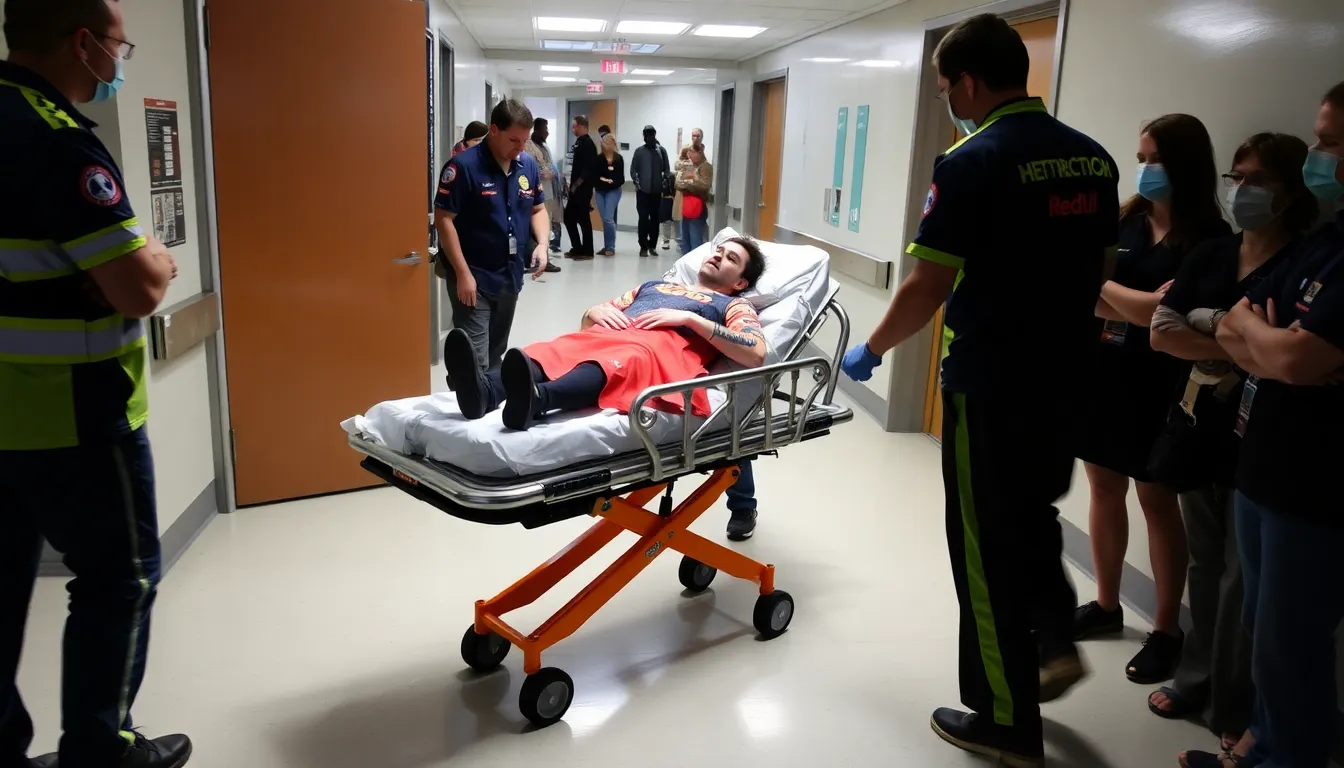
Key implications for Marquez and the racing community
The recent crash involving Marc Marquez has significant ramifications not only for the rider himself but also for the broader motorcycle racing community. As one of the sport’s most prominent figures, his absence from the next two races raises concerns about competitive balance, fan engagement, and the economic implications for teams and sponsors.
Key stakeholders in this situation include Marquez, his team Repsol Honda, MotoGP organizers, sponsors, and fans. Each of these actors has distinct interests that are affected by Marquez’s injury and subsequent absence from the races. Marquez aims to recover fully and return to competitive form, while his team seeks to maintain performance levels in his absence. Sponsors are concerned about the visibility and marketing potential of the races without their star rider.
- Marquez’s recovery: His health and rehabilitation timeline will be crucial in determining his future performance and career longevity.
- Team dynamics: Repsol Honda must adapt its strategies and possibly rely on substitute riders, which could impact team morale and performance.
- Sponsor interests: Brands associated with Marquez may face challenges in marketing and visibility during his absence, affecting their investment returns.
- Fan engagement: The absence of a popular rider like Marquez may lead to decreased viewership and attendance, impacting the overall appeal of the races.
- Regulatory considerations: MotoGP organizers may need to address safety regulations and injury protocols, especially in light of high-profile accidents.
This incident also highlights ongoing discussions around rider safety and the inherent risks of motorcycle racing. With every crash, the sport must grapple with the balance between thrilling competition and the well-being of its athletes. The fallout from Marquez’s crash could lead to renewed calls for enhanced safety measures, which could reshape future racing regulations.
Effects on Marquez’s team and championship standings
The recent crash of Marc Marquez has significant implications for his team, Repsol Honda, as well as the overall championship standings in MotoGP. With Marquez sidelined for the next two races, his absence will be felt deeply within the team dynamics and performance metrics, a situation reminiscent of Ferguson’s hospitalization affecting the team.
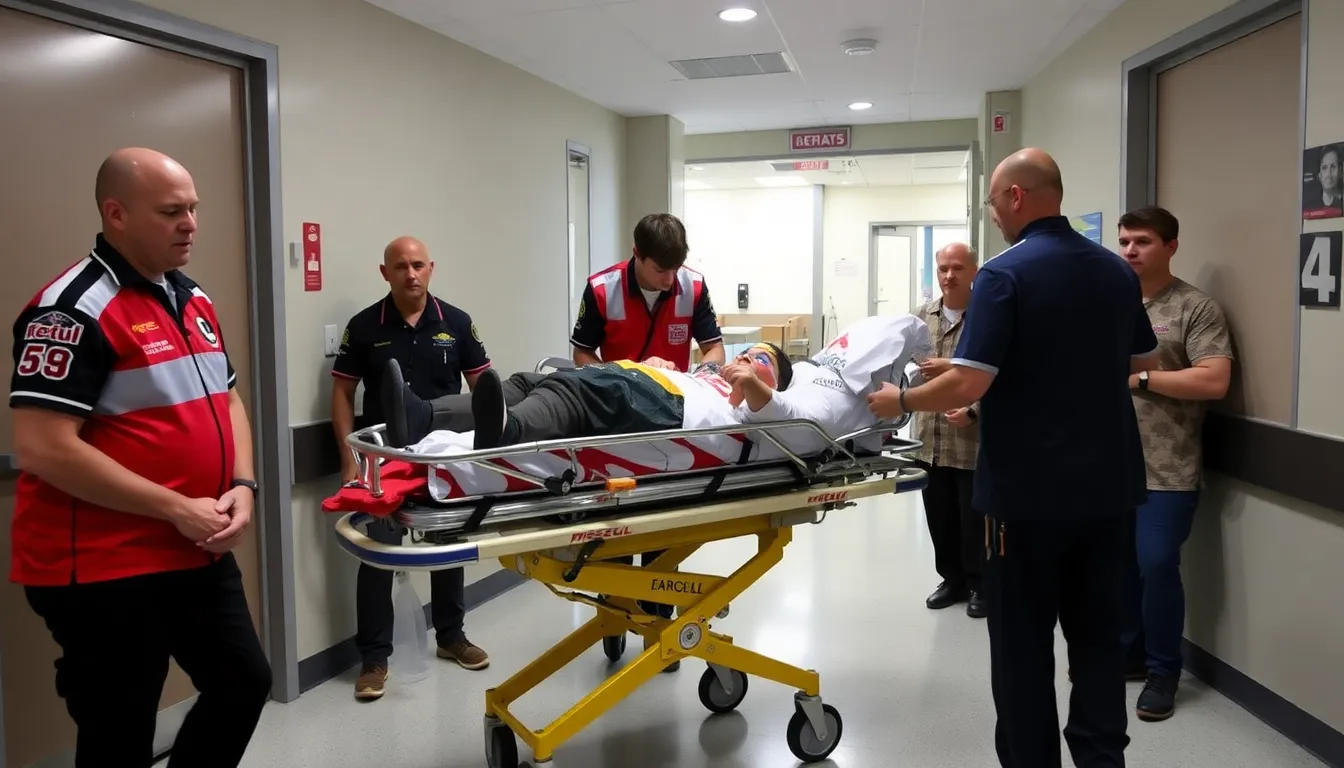
In the short term, the immediate impact will be on the team’s ability to secure points in the championship. Marquez has been a consistent podium finisher, and his absence could lead to decreased performance and lower standings for Repsol Honda. This could also influence team morale, as the pressure mounts on other riders to perform without their star competitor.
From a broader perspective, the crash affects the entire MotoGP ecosystem, including sponsors, fans, and the media. Sponsors may see a decline in visibility and engagement, which could prompt them to reconsider their investments in the team. Fans may feel disheartened by the absence of a top contender, potentially affecting attendance at races and viewership numbers.
- Short-term risks: Decreased team performance, loss of sponsorship engagement, and reduced fan attendance.
- Mid-term risks: Potential shifts in championship standings and team restructuring.
- Opportunities: Emerging talent within the team can step up, creating new fan support and sponsorship opportunities.
Moreover, the incident highlights the inherent risks of motorsport, which could lead to discussions around safety regulations and policies within the industry. Stakeholders may push for enhanced safety measures to protect riders, which could result in new investments in technology and training. This could ultimately benefit the sport in the long run by prioritizing rider safety while also fostering innovation.
A: Marc Marquez is out due to injuries he sustained in a recent crash during a race. Medical evaluations confirmed that he requires time to recover before returning to the track. A: Marquez’s absence will significantly impact his team as they will have to adjust their strategies and possibly rely on a substitute rider. This could affect their performance in the championship. A: While no specific date has been confirmed, Marquez’s team is optimistic about his recovery. Updates will be provided as his rehabilitation progresses. A: Marquez’s absence could alter the dynamics of the championship standings, potentially allowing competitors to gain crucial points in his absence. A: Yes, Marquez has faced injuries in previous seasons, which have occasionally sidelined him. His experience with recovery may aid him in returning to form.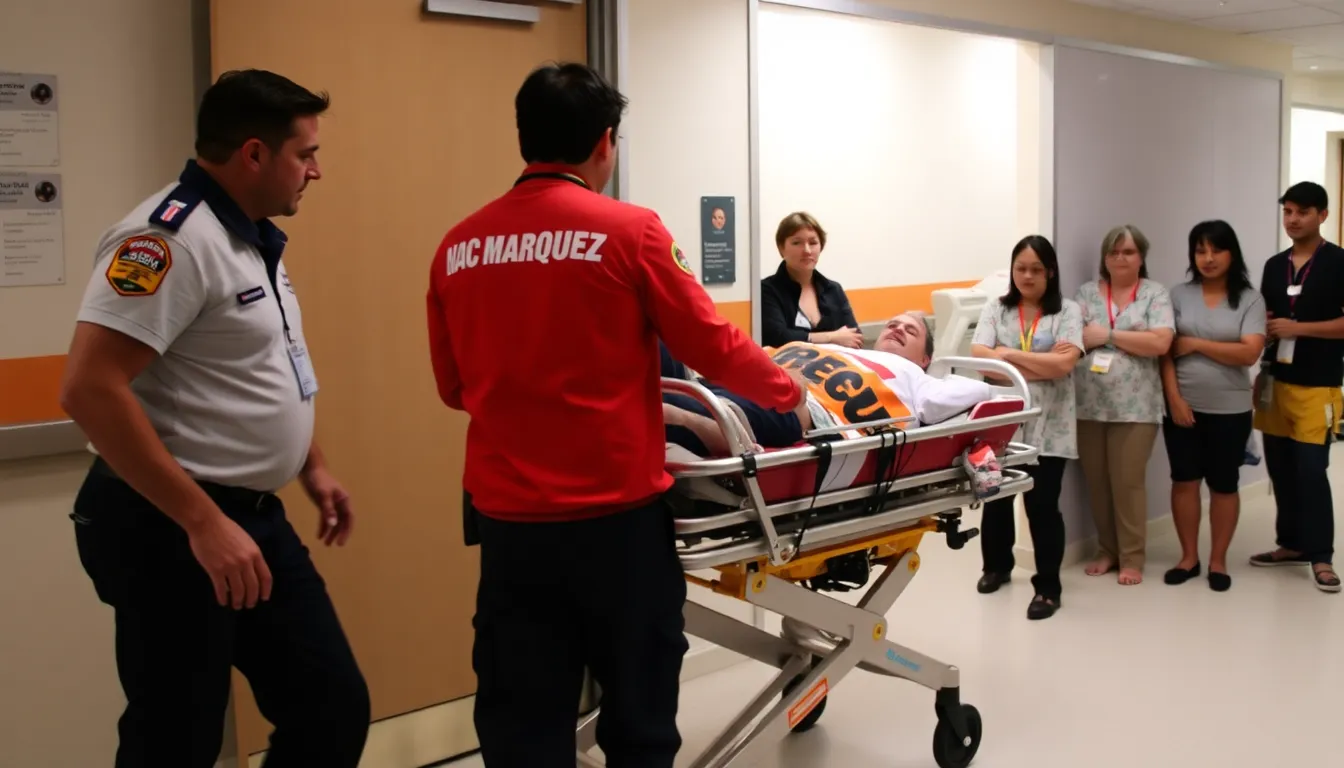
Frequently asked questions about Marquez’s situation
Looking ahead: Marquez’s recovery and future races
As Marc Marquez steps back from the next two races following his recent crash, the implications for his season and the championship landscape are significant. His absence not only affects his personal quest for points but also alters the competitive dynamics among his rivals. Teams and fans alike will be closely monitoring how his recovery progresses and what it means for his performance upon return.
In the interim, the focus will shift to how other riders capitalize on this opportunity. Marquez’s team will need to strategize carefully to ensure he returns to form quickly, while the remaining competitors will be eager to gain ground in the standings. This period will serve as a critical juncture for both Marquez and the championship as a whole.
- Monitor Marquez’s rehabilitation process, as it will influence his readiness for upcoming races.
- Watch for shifts in team strategies, particularly from those looking to exploit Marquez’s absence.
- Evaluate the performance of rival riders who may gain crucial points in the championship during this time.
- Consider the long-term impact of this injury on Marquez’s career trajectory and future seasons.
- Keep an eye on fan and media reactions, which could affect team dynamics and Marquez’s morale.