


Notably, during the 2022 Mid-Autumn Festival, sales of premium durians saw a significant spike, as consumers sought unique gifts for family and friends, highlighting the growing appetite for this luxury fruit, which can be further explored in related articles about the cultural aspects of luxury items.
Key players in the durian market include both local Malaysian farmers and international exporters who are capitalizing on this trend. Companies are investing in branding and marketing strategies to position their durians as premium products, often emphasizing their unique origins and quality. The collaboration between farmers and tech companies has also led to innovations in logistics, ensuring that these perishable goods reach consumers quickly and in optimal condition.
This shift in consumer behavior is significant as it not only reflects changing tastes but also impacts agricultural practices and trade dynamics in Southeast Asia. As more farmers adopt sustainable practices to cultivate these luxury varieties, the economic implications for local communities are profound. The luxury durian market is not just a trend; it represents a broader transformation in how food is perceived and valued in China and beyond.
Understanding the cultural significance of durian in Asia
Durian, often referred to as the “king of fruits,” holds a prominent place in the culinary landscape of Southeast Asia. Its unique aroma and flavor have garnered both fervent admirers and staunch detractors. Historically, the fruit has been celebrated in various cultures, particularly in countries like Thailand, Malaysia, and Indonesia, where it is not only a staple food but also a symbol of luxury and indulgence.
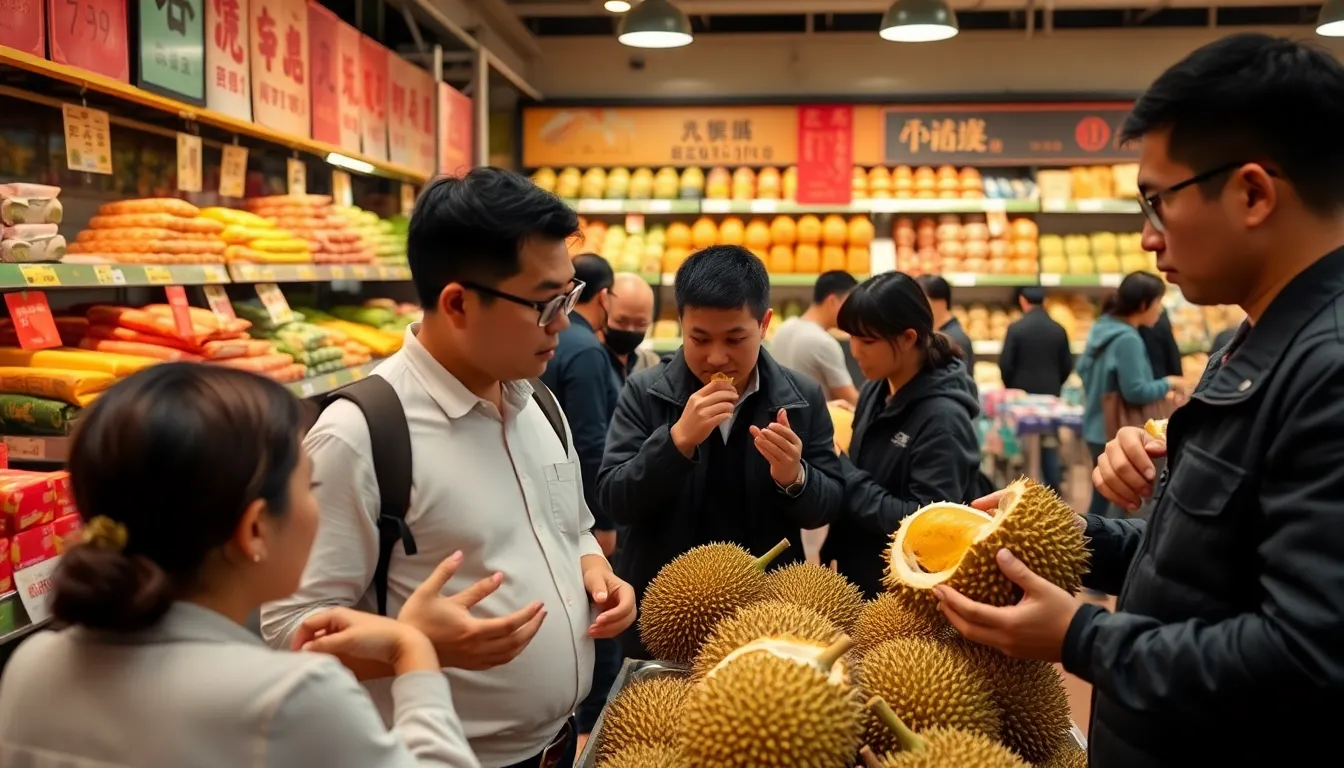
The cultural reverence for durian can be traced back centuries. In many Asian societies, the fruit is associated with traditional celebrations and feasts, often served during significant occasions such as weddings and festivals. Its seasonal availability adds to its allure, making it a highly anticipated treat. As a result, durian has evolved from a local delicacy to a sought-after luxury item, especially among affluent consumers.
The rise of durian in the global market
This shift can be attributed to several factors, including changing consumer preferences and the increasing influence of social media, much like the recent surge in popularity of Gen Z’s first great American band.
Political and economic factors have also played a significant role in the durian trade. Trade agreements between Southeast Asian countries and China have facilitated the export of durian, making it more accessible to a broader audience. Additionally, the rise of e-commerce platforms has allowed consumers to purchase fresh durian directly from producers, further driving its popularity and establishing it as a luxury fruit in the Chinese market.
As the durian industry continues to evolve, key milestones such as the establishment of specialized farms and the introduction of high-quality durian varieties have contributed to its premium status. The fruit’s unique characteristics and the growing appreciation for its culinary potential position durian as not just a fruit, but a lucrative commodity in the global marketplace.
Key stakeholders in the luxury durian industry
The luxury durian market, often referred to as the ‘Hermès of durian’, has attracted various stakeholders, each with distinct interests and motivations. The primary actors include local farmers, exporters, retailers, and consumers, as well as governmental bodies overseeing agricultural practices and trade regulations.
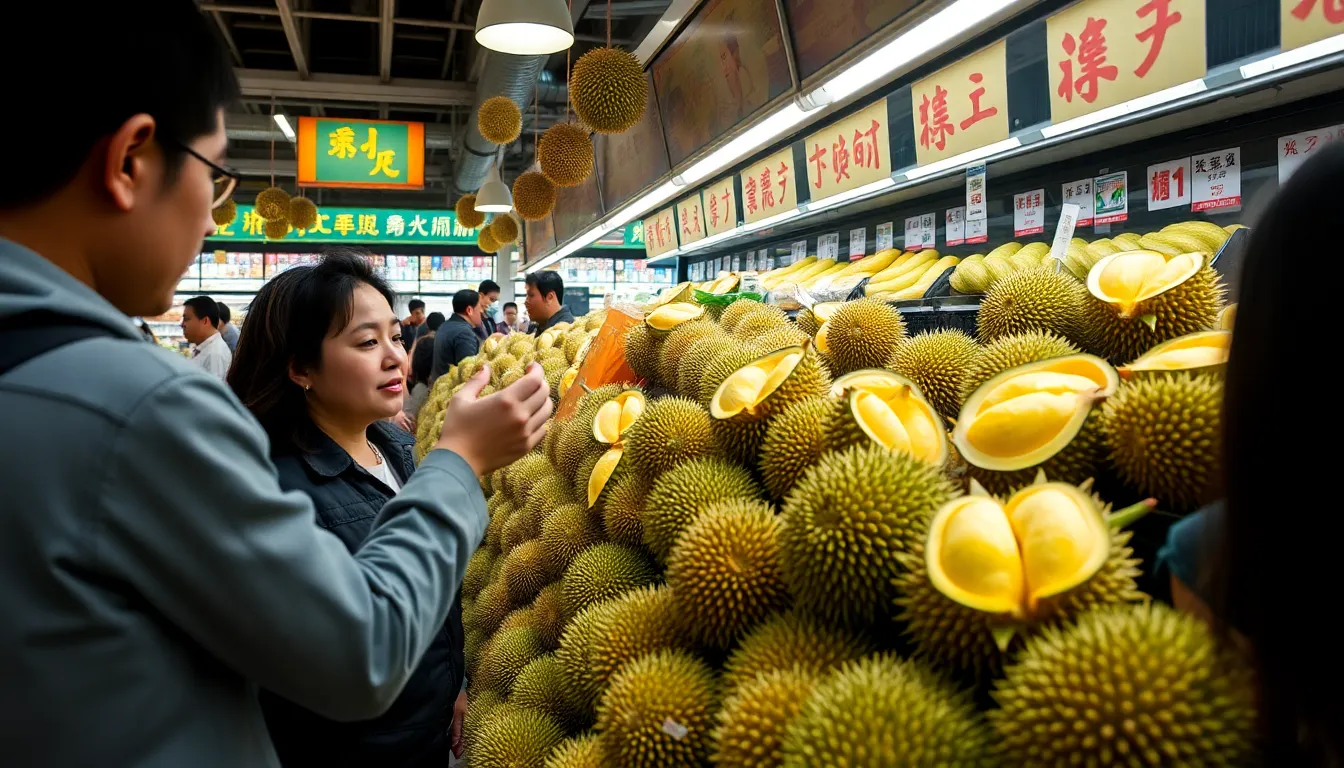
As the demand for luxury durians surges, farmers are increasingly investing in better farming techniques and sustainable practices to enhance their product’s appeal, a trend that parallels the evolving landscape of charitable fundraising to support vital causes.
Exporters play a crucial role in connecting farmers with the lucrative Chinese market, which has a growing appetite for premium durians. Their interests often align with ensuring a steady supply chain, maintaining product quality, and complying with international trade regulations. However, conflicts may arise over pricing strategies and profit-sharing with farmers, especially as competition intensifies.
- Trade-offs: Balancing quality and profit margins can create tension between farmers and exporters.
- Legal issues: Compliance with agricultural standards and export regulations is critical for market access.
- Consumer preferences: Understanding the evolving tastes of Chinese consumers is essential for retailers to succeed.
Retailers, particularly those in China, are also significant stakeholders, as they cater to affluent consumers seeking luxury food experiences. Their interests revolve around branding, marketing, and creating a unique shopping experience that highlights the exclusivity of luxury durians. However, they must navigate challenges such as fluctuating supply and changing consumer preferences.
Finally, governmental bodies in both the producing and consuming countries play a vital role in shaping the industry through regulations, trade agreements, and agricultural policies. Their interests include promoting local agriculture, ensuring food safety, and facilitating trade. Conflicts may arise when regulations hinder trade or when local policies do not align with international market demands.
The impact of luxury durians on local economies
The emergence of luxury durians, often referred to as the “Hermès of durians,” is significantly reshaping local economies in Southeast Asia, particularly in countries like Malaysia and Thailand. These regions, known for their high-quality durian production, are experiencing a surge in demand from affluent Chinese consumers eager for premium fruit. This trend not only bolsters the agricultural sector but also stimulates related industries, including logistics, marketing, and retail.
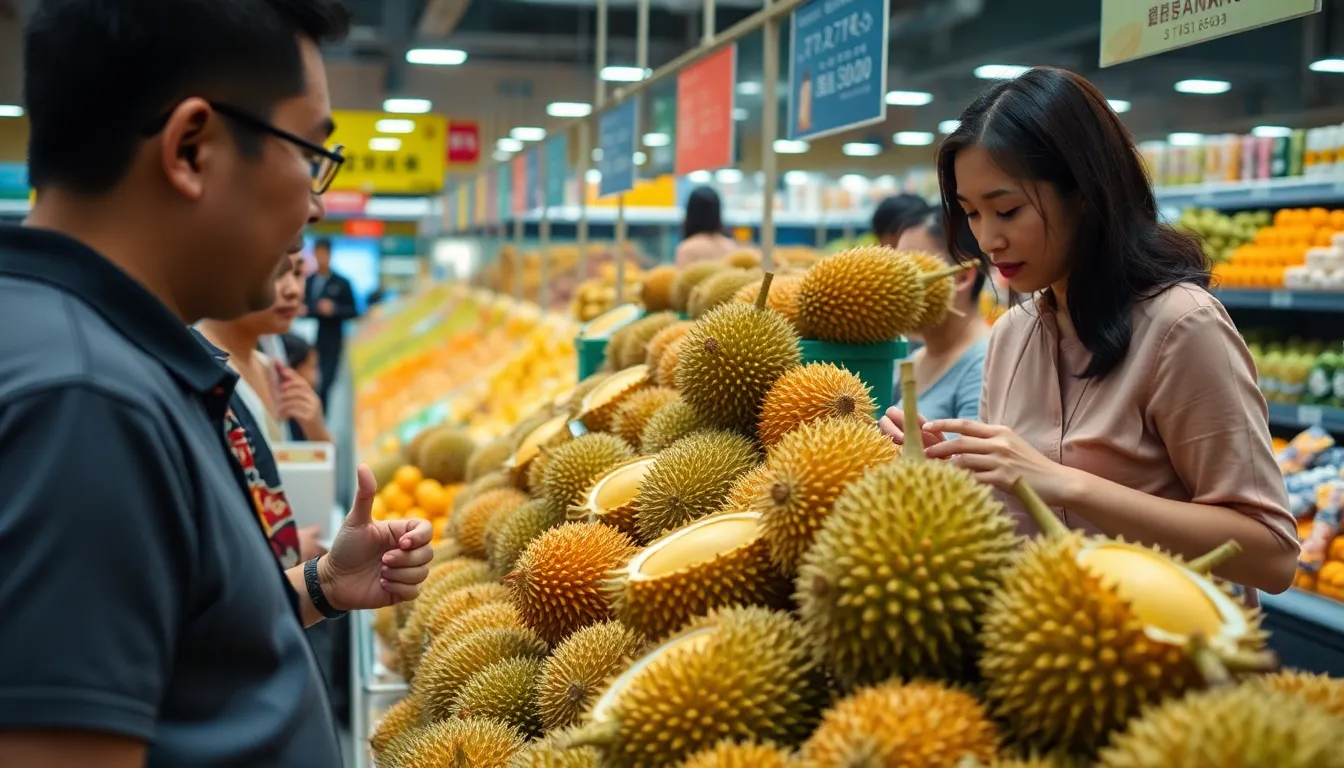
In the short term, farmers and local producers are witnessing increased income as they cater to the growing appetite for luxury durians. This influx of cash can lead to improved living standards for many rural families. However, the rapid rise in demand may also result in overproduction, potentially destabilizing prices if supply exceeds market needs. Additionally, the focus on luxury varieties could marginalize traditional durian types, risking biodiversity and the livelihoods of those who rely on them.
In the mid-term, this luxury fruit phenomenon could lead to significant shifts in agricultural policies. Governments might be prompted to invest in better farming practices, quality control, and export regulations to maintain the reputation of their premium products. Conversely, there is a risk that the emphasis on high-value crops could divert resources away from staple crops, impacting food security in these regions.
- Economic Growth: Increased income for farmers and local businesses.
- Market Diversification: Opportunities for new businesses in logistics and marketing.
- Environmental Risks: Potential overproduction and loss of traditional varieties.
- Policy Changes: Possible shifts in agricultural focus and resource allocation.
Moreover, the luxury durian market presents unique opportunities for branding and tourism. Regions known for their premium durians can leverage this trend to attract tourists, creating new revenue streams. However, the challenge lies in balancing the allure of luxury with the sustainability of local agriculture, ensuring that the benefits of this booming market are equitably distributed among all stakeholders involved.
A: Durians are considered a luxury fruit due to their unique flavor, rarity, and high price in certain markets, particularly in China. The cultivation and harvesting of premium durians require specific conditions and expertise, which adds to their exclusivity. A: The demand for durians in China has surged, driven by a growing middle class and increasing interest in exotic fruits. This trend is leading to higher prices and more investment in durian cultivation. A: Yes, there are several varieties of durians, each with distinct flavors and textures. Some of the most sought-after include Musang King and D24, which are known for their rich taste and creamy consistency. A: The luxury durian market has significant economic implications, including job creation in agriculture and increased export revenues for producing countries. It also encourages sustainable farming practices. A: Consumers often perceive luxury durians as a status symbol, associating them with quality and exclusivity. This perception drives demand among affluent buyers.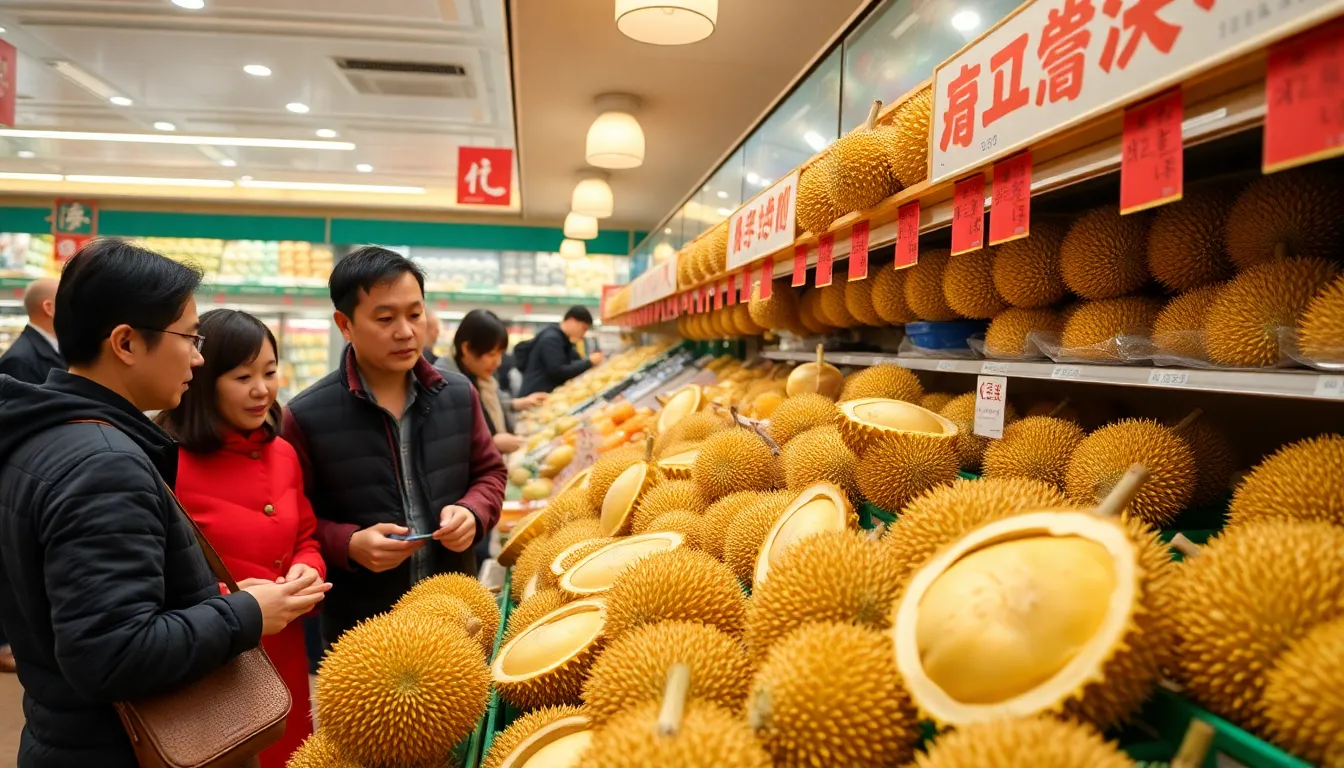
Frequently asked questions about luxury durians
Future outlook for the luxury durian market
The burgeoning demand for luxury durians in China highlights a significant shift in consumer preferences towards premium agricultural products. As the market evolves, producers and retailers must adapt to meet the expectations of affluent consumers who are willing to pay a premium for quality and exclusivity. This trend not only creates opportunities for growth within the durian sector but also sets a precedent for other exotic fruits seeking to establish themselves in high-end markets.
As the luxury durian market continues to expand, stakeholders should remain vigilant about emerging trends, such as sustainability practices and innovative marketing strategies that resonate with health-conscious consumers. The interplay between tradition and modernity will be crucial in shaping the future of this niche market, making it essential for businesses to stay ahead of consumer demands and preferences.
- Monitor the impact of sustainability initiatives on consumer purchasing decisions in the luxury fruit segment.
- Observe the role of digital marketing and e-commerce in reaching affluent consumers seeking exclusive products.
- Evaluate how traditional cultivation methods can be blended with modern agricultural practices to enhance product quality.
- Stay informed about potential regulatory changes affecting the import and sale of luxury fruits in key markets.
- Consider the implications of shifting demographics in China, particularly among younger consumers who may drive future demand.