


Major aircraft manufacturers, such as Bombardier, Gulfstream, and Dassault, are responding to this trend by unveiling new models specifically designed for the Asian market. These jets feature state-of-the-art technology, spacious interiors, and bespoke customization options, catering to the unique tastes and needs of affluent clients. The introduction of these luxurious jets is set to redefine private air travel in the region. Learn more about the business strategies driving these innovations.
Additionally, factors such as the ongoing recovery from the COVID-19 pandemic and geopolitical tensions have led to an increased focus on privacy and safety among travelers. Many wealthy individuals are opting for private jets as a means to avoid crowded commercial flights and ensure a more controlled travel experience. This shift is further fueling the demand for high-end aviation services.
Industry experts predict that this trend will continue to grow, with Asia becoming a significant player in the global private jet market. As more individuals accumulate wealth and seek exclusive travel experiences, manufacturers are likely to invest further in innovation and service offerings to capture this lucrative segment of the market; this echoes similar trends seen in other luxury sectors like fashion and automobiles.
The rise of wealth in Asia and its impact on aviation
Over the past two decades, Asia has witnessed an unprecedented surge in wealth, driven by rapid economic growth, urbanization, and an expanding middle class. This transformation has been particularly pronounced in countries like China and India, where the number of ultra-high-net-worth individuals (UHNWIs) has skyrocketed. According to recent reports, Asia now accounts for a significant portion of the world’s billionaires, leading to an increased demand for luxury goods and services, including private jets.
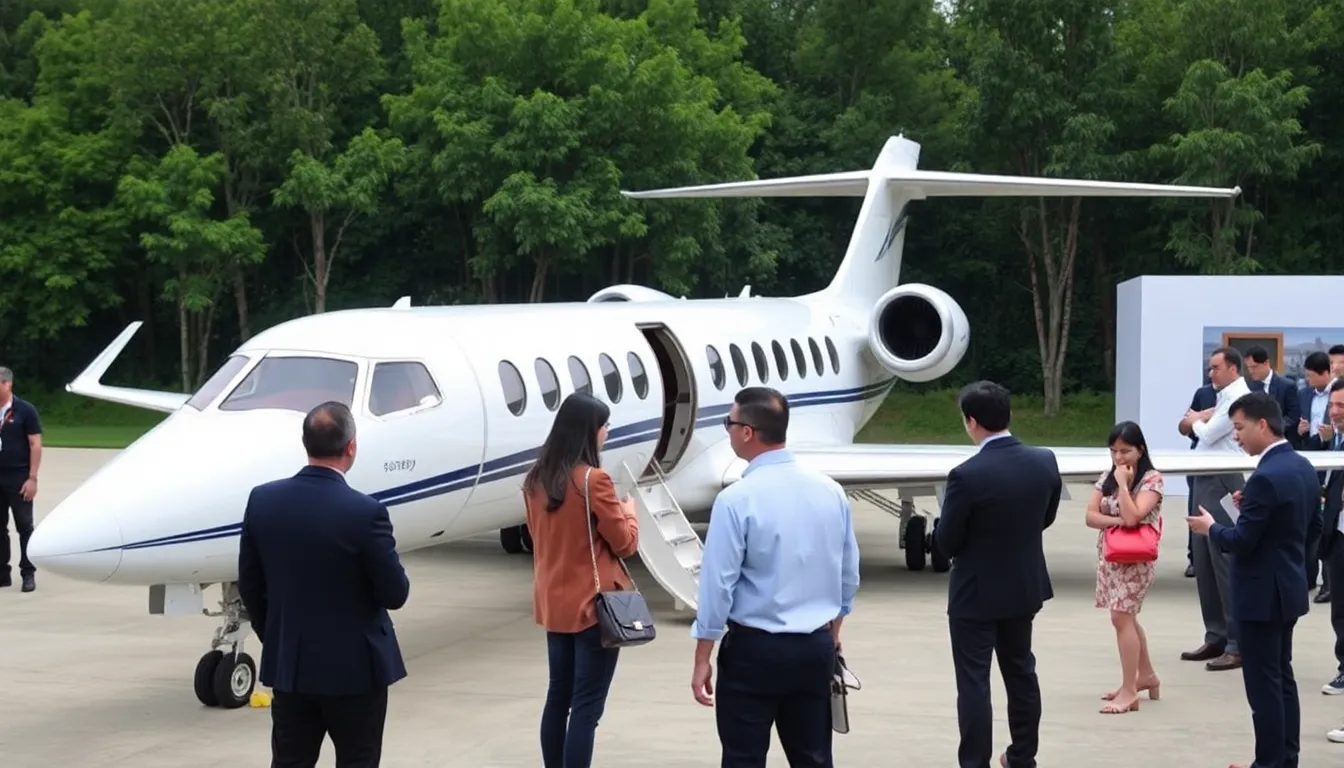
The aviation industry has historically been influenced by economic cycles, but the recent boom in Asia’s wealth has created a unique opportunity for plane manufacturers. As more individuals seek privacy, convenience, and status, private jets have become symbols of success. This trend has prompted major aircraft manufacturers to tailor their offerings to meet the specific needs and preferences of Asia’s elite, focusing on luxurious interiors, advanced technology, and personalized services.
Milestones in Asia’s aviation market
Several key milestones have shaped the landscape of private aviation in Asia. The introduction of the Gulfstream G650 in 2012, for instance, marked a turning point in the industry, showcasing unprecedented range and luxury. This model quickly became a favorite among Asia’s wealthy elite, setting a new standard for private jet travel.
Furthermore, the establishment of private jet terminals and services in major Asian cities has facilitated the growth of this market. Countries like China have seen a rapid expansion of general aviation infrastructure, allowing for easier access and more efficient travel options. As a result, the private jet market in Asia is projected to continue its upward trajectory, with manufacturers eager to capitalize on this lucrative segment.
In addition, geopolitical factors have also played a role in the rise of private aviation in Asia. As trade tensions and regulatory changes shift the dynamics of international business, many affluent individuals are opting for private jets to navigate the complexities of global travel. This has further solidified the demand for luxury aircraft tailored to the unique needs of Asia’s super-rich.
Key players and their strategies in the luxury jet market
The luxury private jet market has seen significant growth, particularly in Asia, where the super-rich are increasingly investing in bespoke aircraft. Key players in this sector include major aircraft manufacturers such as Gulfstream, Bombardier, and Dassault Aviation, each vying for a share of this lucrative market. These companies are not only competing on the quality and features of their jets but also on the level of customization and service they can provide to wealthy clients.
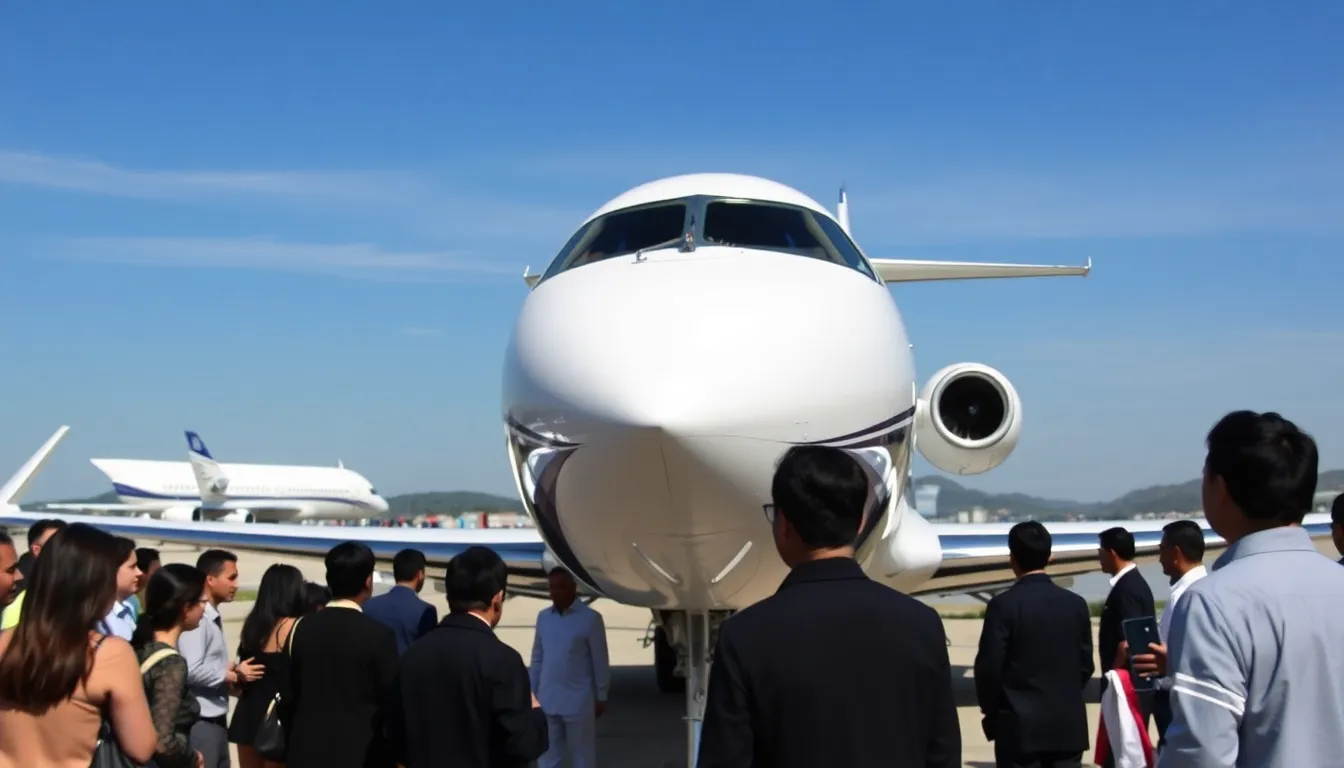
Governments in the Asia-Pacific region play a crucial role as well, as regulatory frameworks and taxation policies can significantly impact the private jet market. Countries like China and India are seeing a rise in wealth among their citizens, prompting a shift in regulations to accommodate the growing demand for private aviation. This creates opportunities for manufacturers but also introduces challenges related to compliance and market entry strategies.
Additionally, the interests of the stakeholders often conflict. For instance, while manufacturers aim to maximize profits through high-end features and luxury services, they must also consider environmental regulations and sustainability concerns. The aviation industry is under increasing pressure to reduce its carbon footprint, which may lead to trade-offs between luxury and eco-friendliness.
- Customization Demand: Clients are seeking highly personalized jets, leading manufacturers to invest heavily in bespoke options.
- Regulatory Challenges: Navigating complex regulations across different countries can hinder market entry and expansion.
- Environmental Concerns: The push for sustainable aviation solutions creates a tension between luxury and ecological responsibility.
- Competition Dynamics: Established players face new entrants, increasing competition and driving innovation in the market.
- Service and Maintenance: Post-sale services are becoming a critical differentiator in retaining clients and ensuring satisfaction.
How the luxury jet market is reshaping the aviation industry
The surge in demand for luxury private jets is significantly impacting various groups and industries, particularly in Asia, where a growing number of super-rich individuals are seeking bespoke travel experiences. This trend is not limited to aircraft manufacturers; it also encompasses luxury service providers, real estate developers, and tourism operators, all vying for the attention of this affluent clientele.
In the short term, the luxury jet market is likely to create a ripple effect across the aviation industry. Aircraft manufacturers are ramping up production, leading to increased job opportunities in manufacturing and design sectors. Additionally, airports may need to enhance their facilities to accommodate the influx of private jets, which could involve expanding terminals and improving ground services.
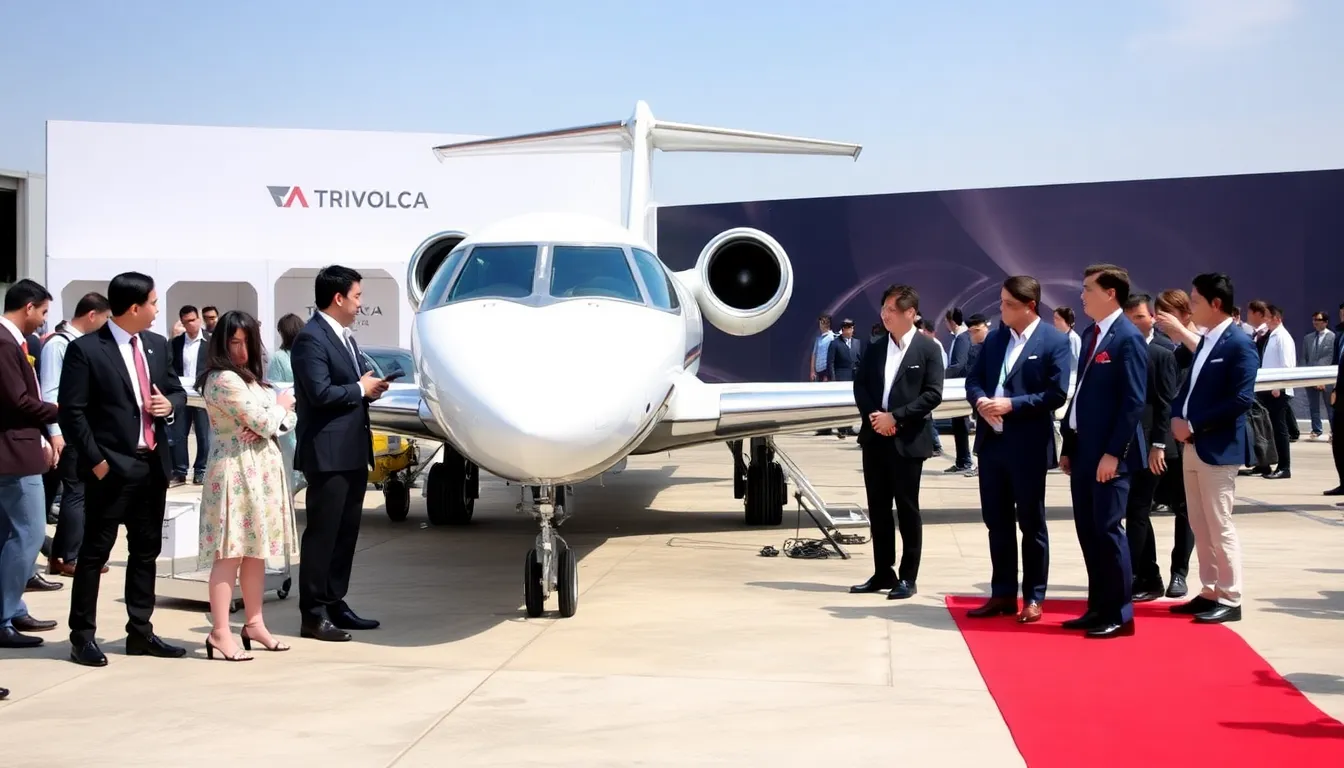
Mid-term impacts may include shifts in travel patterns, as wealthy individuals opt for private flights over commercial airlines, affecting airline revenues and potentially leading to service reductions in certain routes. This shift could also prompt policy changes, as governments may need to address air traffic regulations and airport capacity to manage the growing number of private flights.
- Opportunities: Growth in luxury travel services, including concierge and bespoke travel planning.
- Risks: Increased environmental concerns related to carbon footprints of private jets.
- Market Dynamics: Potential for new entrants in the luxury aviation market, increasing competition.
As the luxury jet market continues to evolve, stakeholders must navigate these changes carefully, balancing the demand for opulence with the responsibility of sustainable practices in aviation.
A: Luxury private jets often include spacious cabins, high-end amenities, and advanced technology for comfort and convenience. Customization options are also available to meet the specific needs of wealthy clients. A: The demand for private jets in Asia has significantly increased due to rising wealth among the super-rich. This trend has led manufacturers to focus on this lucrative market segment. A: Major players in the luxury jet market include Bombardier, Gulfstream, and Dassault. These companies are actively developing new models tailored for Asian clients. A: Owning a private jet offers flexibility in travel, privacy, and the ability to reach remote destinations quickly. It also provides a level of luxury and comfort that commercial flights cannot match. A: Yes, private jets contribute to carbon emissions and environmental concerns. Many manufacturers are exploring sustainable aviation fuels and more efficient designs to mitigate these impacts.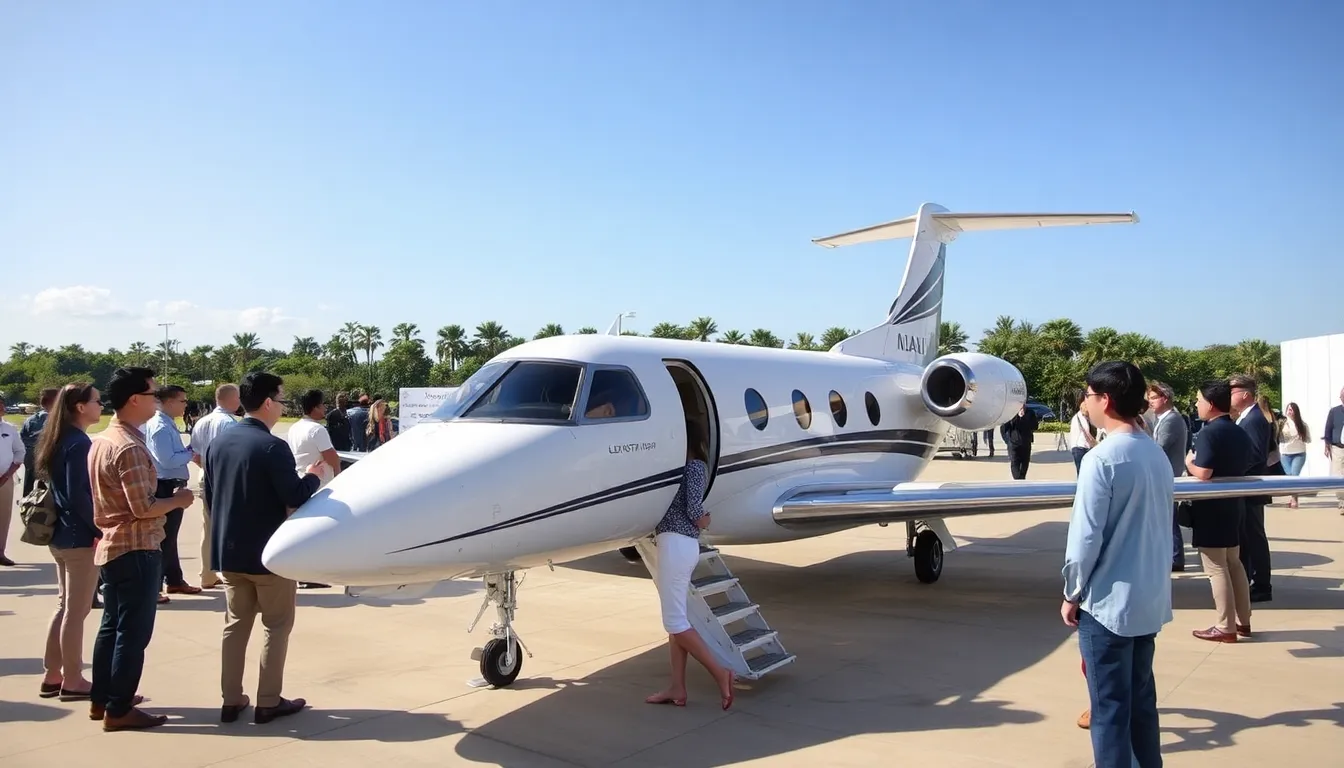
Frequently asked questions about private jets in Asia
Future trends and key takeaways in the private jet sector
The private jet industry is experiencing a transformative phase, driven by the increasing wealth of Asia’s super-rich. As manufacturers innovate to cater to this affluent demographic, the demand for luxury and customized features in private jets is expected to rise significantly. This trend not only reflects the evolving preferences of high-net-worth individuals but also highlights the competitive landscape among plane makers vying for a share of this lucrative market.
Looking ahead, several key factors will shape the future of private aviation. From advancements in technology to shifting consumer expectations, stakeholders must remain agile to capitalize on emerging opportunities while navigating potential challenges.
- Customization Demand: Expect a surge in bespoke features as clients seek personalized experiences that reflect their lifestyles and preferences.
- Technological Advancements: Innovations in materials and avionics will enhance performance and safety, making private jets more appealing to potential buyers.
- Sustainability Focus: As environmental concerns grow, manufacturers may prioritize sustainable practices and eco-friendly technologies in jet design.
- Market Expansion: Emerging markets in Asia will likely see increased investments in private aviation, presenting new opportunities for manufacturers.
- Competitive Landscape: As established players and new entrants compete, differentiation through luxury offerings and service quality will be crucial for success.