


The report, which draws on data spanning several decades, indicates that the gap between the wealthiest households and those at the lower end of the income spectrum continues to widen. As of 2023, many families are struggling to meet basic needs, with the cost of living outpacing wage growth, leading to increased financial strain. This situation is exacerbated by recent global economic disruptions, including the impact of the COVID-19 pandemic and ongoing geopolitical tensions, which is echoed in the discussions around businesses facing extinction.
Key factors contributing to this prolonged stagnation include limited access to quality education and job opportunities, as well as systemic barriers that hinder upward mobility. The thinktank’s findings have prompted calls for urgent policy interventions aimed at addressing these inequalities. Without significant changes, the prospect of improved living standards for lower-income families remains bleak.
This situation not only affects the individuals and families directly involved but also poses broader implications for social cohesion and economic stability in the UK. As the gap between income levels continues to grow, the potential for increased social unrest and economic disparity becomes a pressing concern for policymakers and community leaders alike, as highlighted by the recent controversies.
Understanding the economic landscape affecting low-income households
The economic challenges faced by lower-income families in the UK have deep historical roots, intertwined with political decisions and socio-economic shifts over the decades. Since the industrial revolution, economic growth has often been unevenly distributed, leading to stark disparities in living standards between different income groups. The decline of traditional industries in the late 20th century, coupled with the rise of a service-oriented economy, has disproportionately affected those in lower-income brackets, making upward mobility increasingly difficult.
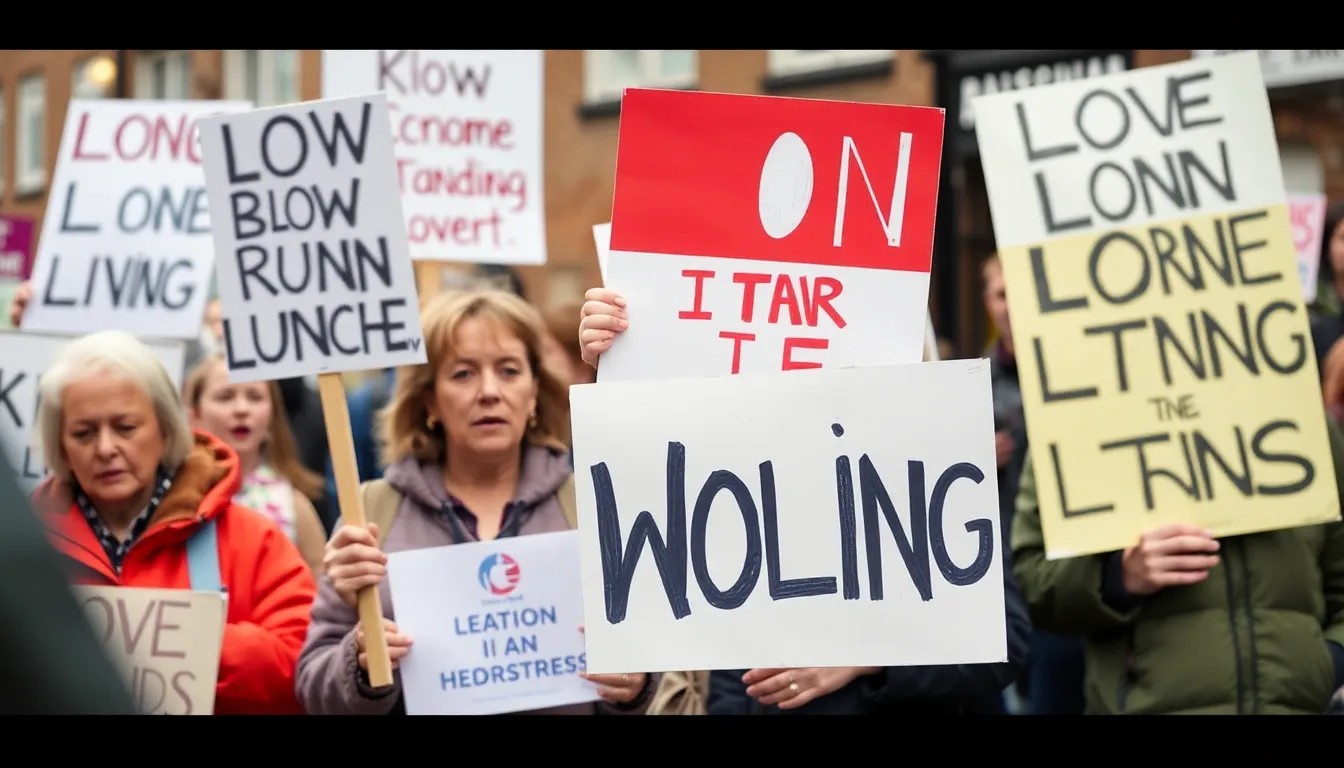
In recent years, a series of government policies aimed at austerity have further exacerbated the situation. Cuts to welfare programs and public services have left many families struggling to make ends meet. The introduction of Universal Credit, while intended to streamline benefits, has faced criticism for its implementation and impact on vulnerable households, leading to delays and financial instability for many. This has contributed to a growing sentiment among lower-income families that their economic prospects are bleak.
Key Milestones in Economic Policy
Several key milestones have shaped the current economic landscape for low-income families. The late 1970s and early 1980s saw significant shifts in economic policy with the rise of neoliberalism, which emphasized deregulation and reduced government intervention in the economy. This shift resulted in job losses in manufacturing and a growing divide between the wealthy and the poor. The 2008 financial crisis further intensified these inequalities, with the subsequent recovery favoring higher-income earners while many lower-income households faced stagnation.
Moreover, the COVID-19 pandemic has highlighted and widened existing inequalities. While government support measures were introduced to mitigate the impact of the crisis, many low-income families found themselves on the edge, with rising living costs and stagnant wages. The thinktank’s recent findings, suggesting a staggering 137-year wait for living standards to double for these families, serve as a stark reminder of the long-standing systemic issues that need urgent attention.
Key stakeholders and issues surrounding living standards
The issue of living standards for lower-income families in the UK has drawn attention from various stakeholders, each with distinct interests. Key actors include government bodies, think tanks, non-profit organizations, and the families themselves. The Joseph Rowntree Foundation, a prominent think tank, has highlighted the alarming projection that it may take 137 years for living standards to double for these families, prompting urgent discussions about economic policies and social welfare programs.
Government agencies, particularly those involved in social services and economic planning, are crucial stakeholders. Their interests lie in formulating policies that can effectively address poverty and improve living standards. However, they often face constraints such as budget limitations and competing priorities, which can lead to conflicts with the needs of lower-income families, raising questions about the adequacy of current welfare provisions and the effectiveness of existing economic strategies like those discussed in recent policy debates.
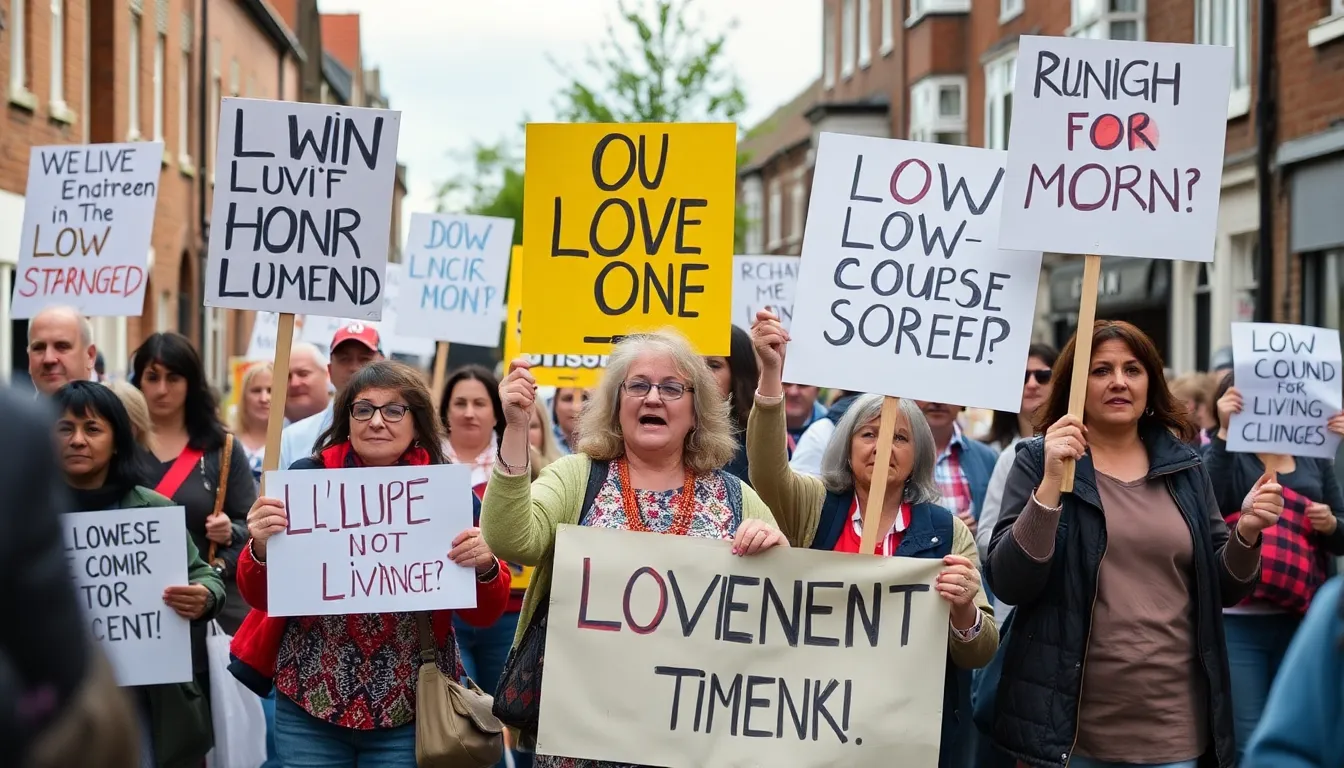
Non-profit organizations and advocacy groups play a vital role in representing the interests of lower-income families. They work to raise awareness about the challenges these families face and lobby for changes in policy to ensure better living conditions. However, their efforts may be hampered by political opposition or a lack of funding, leading to trade-offs between immediate support and long-term solutions.
- Economic Inequality: The widening gap between different income groups exacerbates living standards issues, creating a cycle of poverty.
- Policy Limitations: Current government policies may not adequately address the unique challenges faced by lower-income families.
- Funding Constraints: Non-profits often struggle to secure funding, limiting their capacity to effect change.
- Public Perception: Societal attitudes towards poverty can influence political will and resource allocation.
- Long-Term Solutions vs. Immediate Relief: Balancing short-term assistance with sustainable economic policies remains a challenge.
The economic implications of these issues are significant, as failing to address the needs of lower-income families can lead to broader societal challenges, including increased healthcare costs and reduced economic productivity. Understanding the interplay between these stakeholders and the issues they face is essential for developing effective strategies to improve living standards in the UK.
The profound effects on families and the broader economy
Lower-income families in the UK are facing an alarming prospect of a 137-year wait for their living standards to double, according to a recent report from a leading thinktank. This prolonged stagnation not only affects the families directly involved but also has far-reaching implications for various sectors of the economy and society at large.
The most immediate impact is felt by families struggling to make ends meet. With stagnant wages and rising living costs, many are forced to prioritize basic necessities such as food, housing, and healthcare. This can lead to increased stress and health issues, affecting both physical and mental well-being. Additionally, children in these families may experience educational disadvantages, which can perpetuate the cycle of poverty.
Industries reliant on consumer spending, such as retail and hospitality, may also feel the pinch as lower-income households cut back on discretionary spending. In the mid-term, this could result in reduced sales and profits for businesses, potentially leading to layoffs and a further decline in economic activity. Conversely, sectors such as social services and community organizations may see increased demand for support services as families seek assistance.
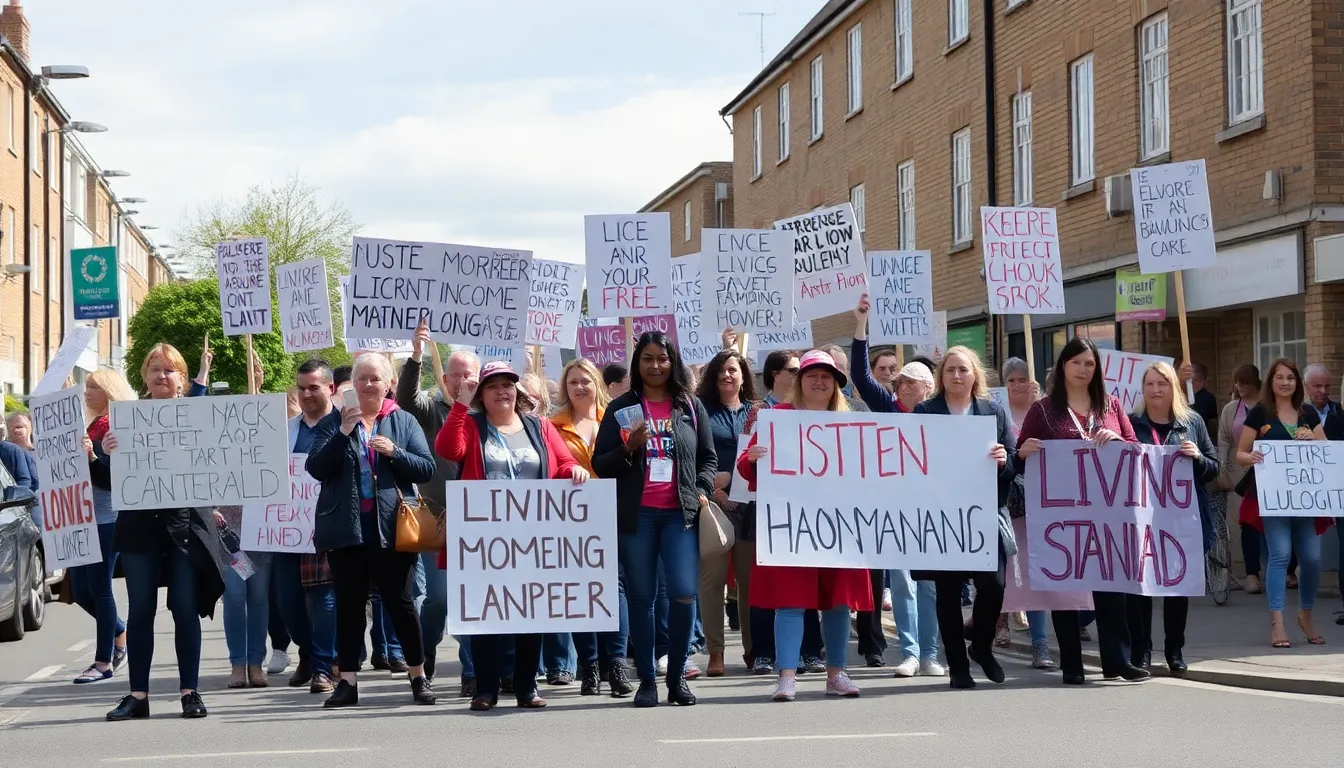
- Short-term risks: Increased poverty rates and social unrest.
- Mid-term opportunities: Potential growth in social enterprises and community-focused businesses.
- Policy implications: Necessity for government intervention and reforms to address income inequality.
Regions with higher concentrations of lower-income families, such as urban centers, may experience more pronounced effects. Local economies could suffer from a decline in consumer confidence, leading to a vicious cycle of declining investment and job opportunities. However, this situation may also prompt policymakers to reconsider their approaches, leading to innovative solutions and programs aimed at alleviating poverty and improving living standards.
A: The report indicates that lower-income families in the UK may have to wait 137 years for their living standards to double, reflecting a significant economic disparity. A: Factors include stagnant wages, rising living costs, and economic policies that have not adequately addressed the needs of low-income households. A: Children in these families may face educational disadvantages and limited access to resources, impacting their long-term opportunities and well-being. A: Solutions may involve policy reforms aimed at increasing wages, improving access to education, and providing better social support systems. A: Yes, various think tanks and non-profits are actively researching and advocating for policies that aim to improve the living standards of lower-income families.
Frequently asked questions about living standards and economic impact
Key insights and future outlook on living standards for lower-income families
The findings from the UK thinktank highlight a concerning trend for lower-income families, revealing that the anticipated timeline for their living standards to double stretches to an alarming 137 years. This stark reality underscores the systemic challenges that these families face, exacerbated by economic pressures and policy shortcomings. As the gap between higher and lower income households continues to widen, it becomes increasingly critical to address the underlying factors contributing to this disparity.
Looking ahead, it is essential to monitor the evolving landscape of economic policies and social support systems aimed at alleviating poverty. The long wait for improved living standards calls for urgent action from policymakers, community organizations, and stakeholders to implement effective measures that can provide immediate relief and foster sustainable growth for lower-income families.
- Increased advocacy for policies that directly address income inequality may gain momentum as public awareness rises.
- Monitoring the impact of social welfare programs will be crucial in assessing their effectiveness in improving living standards.
- Community initiatives focused on education and job training could play a pivotal role in empowering lower-income families.
- Economic shifts, such as inflation and housing market changes, should be closely watched for their effects on disposable income.
- Engagement with local governments to support targeted interventions may lead to more immediate improvements in living conditions.