


Key figures within Labour are advocating for a more flexible approach to the Brexit negotiations, emphasizing the need for a closer relationship with the EU. This includes discussions around potential reforms to trade agreements that could alleviate the pressures faced by businesses and consumers alike. For a broader understanding of recent economic predictions, you might want to explore how UK house prices are projected to change.
As the next general election approaches, Labour’s stance on Brexit is becoming a pivotal aspect of its campaign. With recent polls indicating a swing in public opinion, the party aims to capitalize on the growing frustration over the economic fallout from Brexit. By prioritizing this issue, Labour hopes to galvanize support and present a clear vision for a post-Brexit Britain that addresses the concerns of its citizens.
The Labour Party’s renewed focus on Brexit is not just a political maneuver; it reflects a broader desire for change among the electorate. As debates continue and public discourse evolves, the party is positioning itself to take decisive action should it gain power, potentially reshaping the UK’s relationship with Europe for years to come, similar to how various sectors are impacted, revealing deeper layers when viewing economic shifts.
The historical context of Brexit and Labour’s position
The decision for the United Kingdom to leave the European Union, commonly referred to as Brexit, was solidified by a referendum held on June 23, 2016. The outcome, with 51.9% voting to leave, marked a significant turning point in British politics and society. The Leave campaign capitalized on public discontent regarding immigration, sovereignty, and economic control, while the Remain campaign struggled to effectively counter these narratives, leading to a deeply polarized electorate.
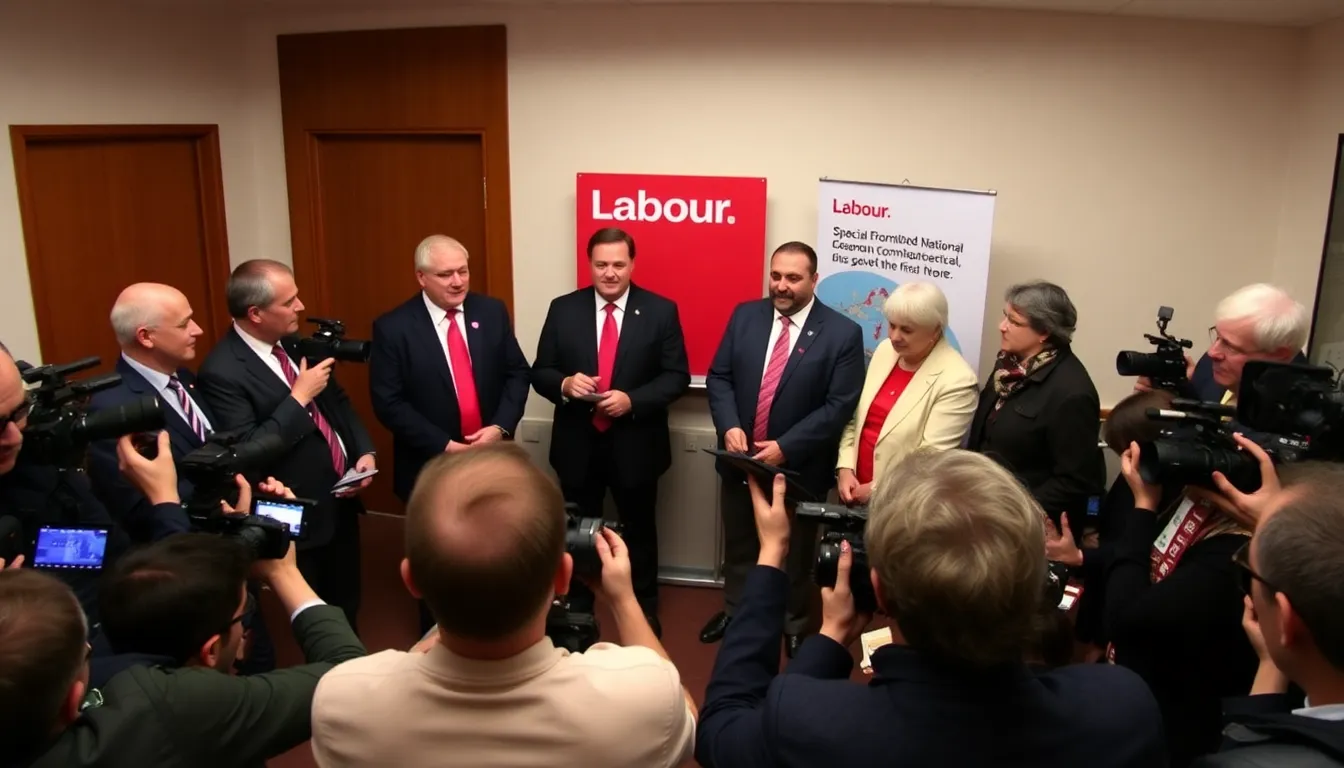
Following the referendum, the political landscape in the UK underwent dramatic changes. The Conservative Party, under Prime Minister Theresa May, faced immense challenges in negotiating a withdrawal agreement that would satisfy both hardline Brexiteers and those who advocated for a softer exit. Labour, under Jeremy Corbyn, adopted a somewhat ambiguous position on Brexit, which alienated many voters who were looking for clear leadership and direction amidst the chaos.
As the negotiations progressed, key milestones included the triggering of Article 50 in March 2017, which formally began the UK’s exit process, and the subsequent failure of May’s deal to pass through Parliament multiple times. This political deadlock contributed to a general election in December 2019, where Labour suffered significant losses, largely attributed to its unclear stance on Brexit, leading to Boris Johnson’s government securing a decisive mandate to “Get Brexit Done.”
Labour’s evolving stance
In the wake of the 2019 election defeat, Labour began reassessing its approach to Brexit. Under the leadership of Keir Starmer, the party has sought to clarify its position, advocating for a reevaluation of the terms of the UK’s departure from the EU. This shift reflects a broader recognition of the economic and social ramifications of the existing deal, as well as a desire to reconnect with disillusioned voters. The party’s renewed focus on undoing the detrimental aspects of Brexit represents a significant evolution in its political strategy, aiming to reclaim its relevance in a post-Brexit landscape.
Key stakeholders and the implications of Labour’s strategy
The ongoing debate surrounding Brexit continues to polarize British society, with Labour’s recent shift in strategy drawing attention from various stakeholders. Key actors include the Labour Party, the Conservative government, businesses affected by Brexit, and the general public, each with distinct interests and concerns.
The Labour Party, under its current leadership, is keen to regain public trust by addressing the perceived shortcomings of the existing Brexit deal. Their interest lies in presenting an alternative that promises economic stability and a more favorable relationship with the European Union, a shift that may resonate with audiences drawn by discussions surrounding the impact of political narratives.
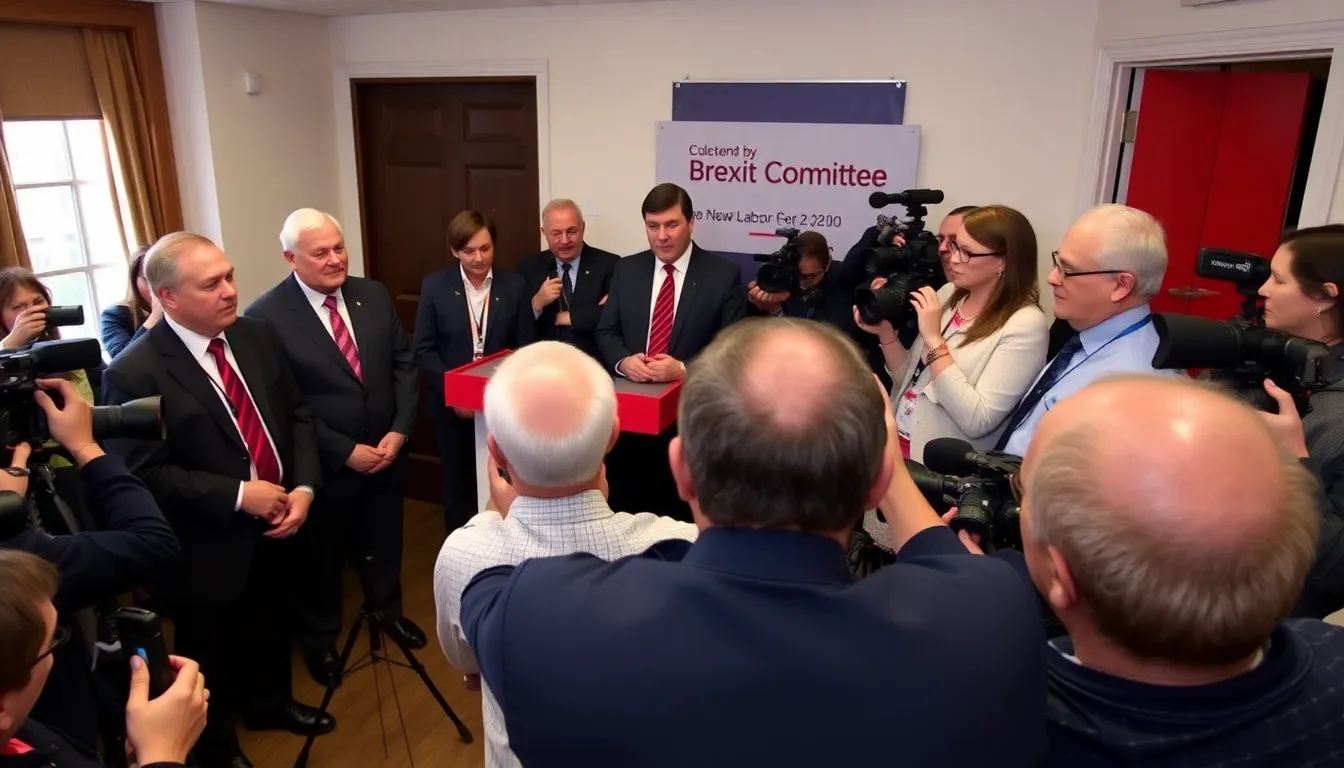
On the other hand, the Conservative government has a vested interest in maintaining the status quo, as any significant changes proposed by Labour could undermine their narrative of a successful Brexit. This creates a conflict of interests, as the government may resist any attempts to re-negotiate terms that could be seen as a retreat from their original promises.
- Economic Impact: Businesses are concerned about the economic implications of Labour’s proposed changes, particularly regarding trade agreements and tariffs.
- Public Sentiment: The general public remains divided on Brexit, with many uncertain about the benefits of Labour’s strategy compared to the current deal.
- Legal Considerations: Any attempts to alter the Brexit deal could face significant legal challenges, complicating Labour’s efforts to implement their strategy.
In addition to these actors, various advocacy groups and NGOs are closely monitoring the situation, advocating for the interests of specific sectors such as agriculture, manufacturing, and services. Their involvement highlights the broader implications of Labour’s strategy, as different sectors may have conflicting priorities regarding Brexit.
How this shift affects the British public and economy
The recent developments in Labour’s approach to Brexit have significant implications for various groups across the UK. Key sectors such as manufacturing, agriculture, and services, particularly those reliant on trade with the EU, are poised for change. Regions that have been heavily impacted by Brexit, such as Northern Ireland and coastal towns dependent on fishing, may experience both challenges and new opportunities as policies evolve.
In the short term, businesses may face uncertainty as negotiations unfold. Companies that have struggled with supply chain disruptions and increased tariffs could see relief if a more favorable deal is reached. Conversely, there is a risk that prolonged discussions could lead to further instability, affecting consumer confidence and spending.
In the mid-term, if Labour successfully navigates the complexities of Brexit renegotiation, we could witness a revitalization of local economies. This shift may lead to job creation in sectors that were previously stifled by the existing deal. Areas such as technology and renewable energy might find new avenues for growth as the UK re-establishes its relationship with Europe.
- Short-term impacts: Business uncertainty, potential supply chain relief, consumer confidence fluctuations.
- Mid-term impacts: Job creation in key sectors, economic revitalization in affected regions.
- Risks: Prolonged negotiations, potential for further instability.
- Opportunities: Growth in technology and renewable energy sectors, improved trade relations.
Overall, the evolving political landscape presents a critical moment for the British public and economy, with the potential for both significant risks and transformative opportunities on the horizon.
A: Labour is increasingly vocal about its desire to renegotiate or reverse the current Brexit deal, aiming to address the concerns of those affected by its implications. A: By taking a strong stance on Brexit, Labour could sway public opinion in its favor, especially among those who feel negatively impacted by the deal. A: Labour must navigate internal party divisions, public skepticism, and the complexities of negotiations with the EU to effectively advocate for a better deal. A: A successful strategy on Brexit could enhance Labour’s appeal to voters, potentially improving its chances in upcoming elections. A: Labour is considering various policies aimed at protecting workers’ rights and ensuring trade agreements that benefit the UK economy.
Frequently asked questions about Labour’s Brexit strategy
Looking ahead: Labour’s potential impact on Brexit negotiations
As Labour positions itself more assertively in the Brexit discourse, the party’s renewed confidence could reshape the landscape of future negotiations. With a focus on addressing the shortcomings of the current deal, Labour’s approach may not only influence public sentiment but also impact economic stability and international relations. The potential for a more collaborative stance with the EU could pave the way for revised agreements that better serve Britain’s interests.
Observers should note how Labour’s strategies evolve as they seek to engage with various stakeholders, including businesses and grassroots movements. The party’s ability to unite differing opinions within the UK on Brexit will be crucial in determining the effectiveness of their proposals and the overall direction of the negotiations.
- Monitor Labour’s engagement with business leaders to gauge support for potential changes to the Brexit deal.
- Watch for shifts in public opinion as Labour articulates its vision for a revised agreement with the EU.
- Consider the implications of Labour’s strategy on Scotland and Northern Ireland, where Brexit sentiments vary significantly.
- Evaluate how Labour’s proposals might influence future trade agreements beyond the EU.
- Assess the potential for Labour to leverage public dissatisfaction with the current deal to gain political momentum.