


During the test, the Galaxy Z Trifold reportedly succumbed to pressure at a relatively low threshold, leading to visible damage. This incident comes shortly after the device’s launch on October 27, 2023, where it was marketed as a groundbreaking innovation in the foldable phone market. The findings have sparked discussions about the durability of foldable technology, which has been a point of contention since the introduction of similar devices like the Galaxy Fold.
The implications of this testing extend beyond consumer confidence; they also affect Samsung’s reputation as a leader in smartphone innovation. As competitors continue to enter the foldable market, the performance of the Galaxy Z Trifold could influence purchasing decisions. Analysts suggest that if Samsung cannot address these durability issues, it may face challenges in maintaining its market share in the evolving landscape of mobile technology.
This incident highlights the ongoing tension between innovation and practicality in the tech industry. While foldable devices promise enhanced functionality, the fragility exposed by JerryRigEverything’s test raises questions about whether consumers are willing to compromise on durability for the sake of novelty. As the market continues to develop, the balance between these two factors will be critical for manufacturers moving forward.
Understanding the significance of foldable phone durability
The evolution of smartphones has been marked by rapid technological advancements, particularly in the realm of design and functionality. Among the most significant innovations in recent years has been the introduction of foldable phones, which promise to combine the portability of a smartphone with the larger display of a tablet. However, the durability of these devices remains a critical concern, as evidenced by recent tests conducted by popular tech reviewers like JerryRigEverything.
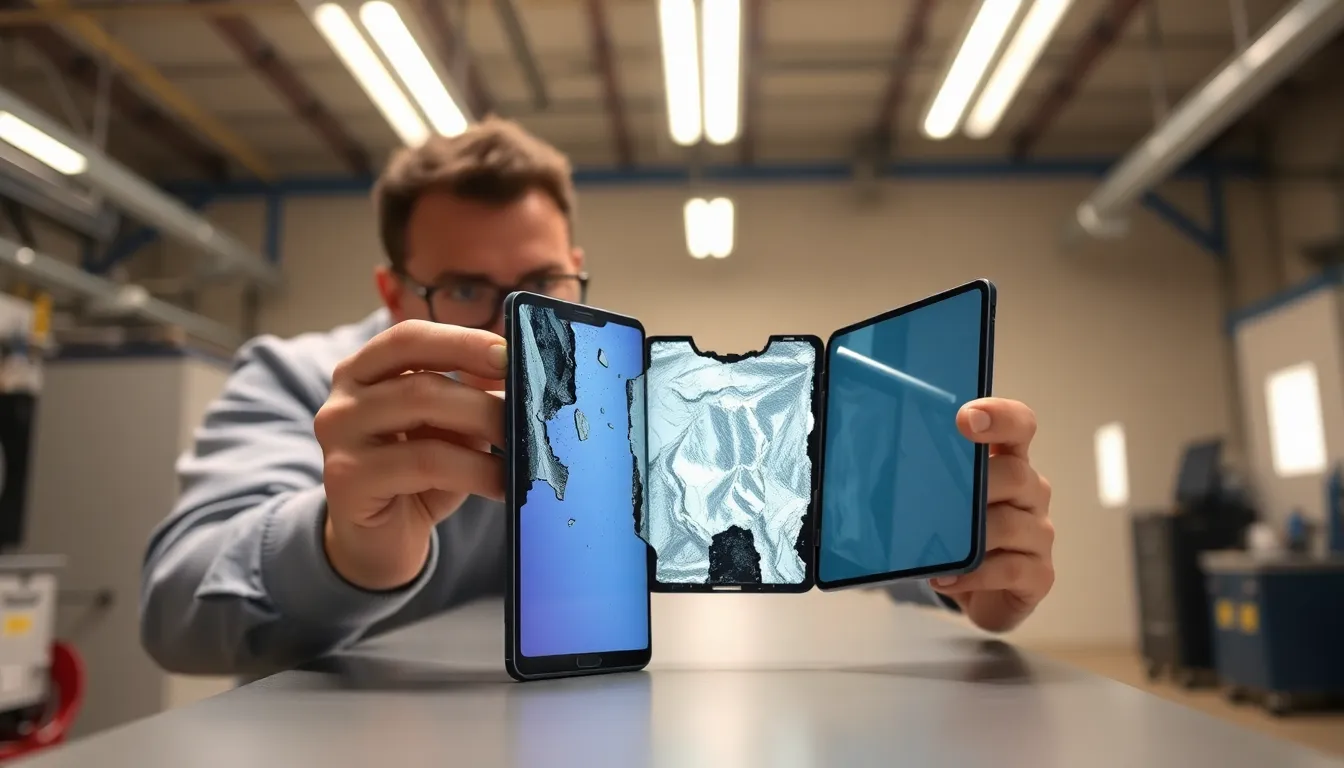
Samsung has been at the forefront of foldable phone technology, launching several iterations of its Galaxy Z series. The Galaxy Z Trifold represents a bold step in this direction, attempting to push the boundaries of what a foldable device can achieve. However, the device’s performance during durability tests has raised questions about its long-term viability, leading to discussions about the challenges manufacturers face in balancing innovation with robustness, similar to concerns raised in other tech innovations.
The Impact of Durability Tests
Durability tests, such as those conducted by JerryRigEverything, serve as a critical benchmark for consumers and manufacturers alike. These tests not only highlight the physical resilience of devices but also reflect the broader societal expectations for technology to withstand everyday use. As foldable phones become more mainstream, the scrutiny surrounding their durability is likely to increase, influencing consumer purchasing decisions and manufacturer design strategies.
Historically, the launch of new phone models has often been accompanied by scrutiny over their durability. For instance, the initial release of the iPhone 6 faced backlash due to reports of bending under pressure, prompting Apple to address the issue in subsequent models. Similarly, Samsung’s experience with the Galaxy Fold’s early failures has set a precedent for the importance of rigorous testing before market release.
The ongoing dialogue about foldable phone durability highlights not only technological challenges but also economic implications. As competition intensifies in the smartphone market, manufacturers must invest in research and development to ensure their products meet consumer expectations while remaining financially viable. The outcome of these durability tests could significantly impact Samsung’s reputation and sales, underscoring the delicate balance between innovation and consumer trust.
Analyzing the implications for Samsung and the foldable market
The recent incident involving JerryRigEverything’s bend test on the Samsung Galaxy Z Trifold has raised significant concerns among various stakeholders in the technology sector. Samsung, as a leading manufacturer of foldable smartphones, has a vested interest in maintaining its reputation for durability and innovation. This event not only impacts Samsung’s brand image but also the broader perception of foldable technology.
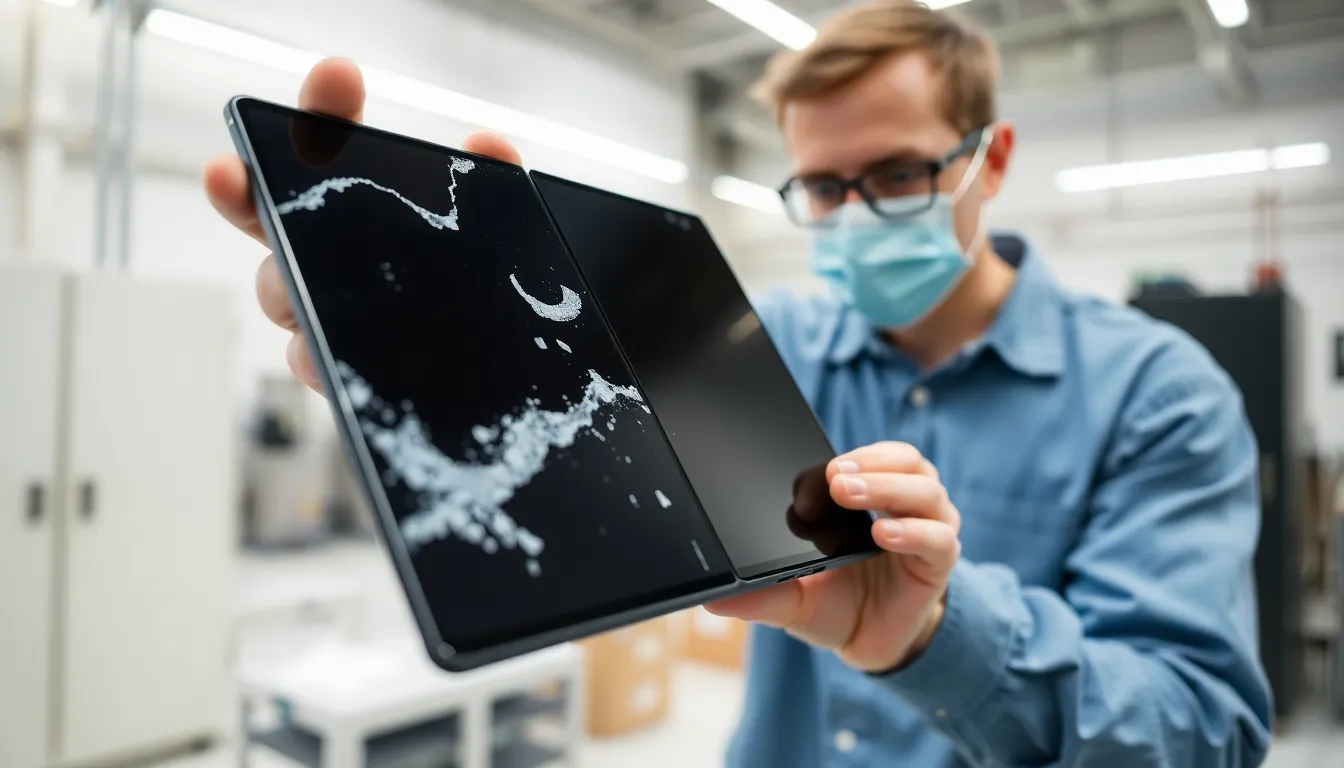
Consumers are another key actor in this scenario. Their trust in the durability of foldable devices is crucial for the market’s growth. If the Galaxy Z Trifold is perceived as fragile, potential buyers may hesitate to invest in foldable smartphones, which could slow down the adoption rate of this emerging technology. Additionally, competitors in the smartphone market are closely monitoring the situation, as any setbacks for Samsung could present opportunities for them to capture market share.
Legal and economic implications also arise from this incident. Samsung may face increased scrutiny regarding product testing and quality assurance processes. If consumers begin to voice dissatisfaction or file complaints, it could lead to legal challenges that might affect the company’s bottom line. Furthermore, the economic landscape for foldable devices could shift, with investors reassessing the viability of Samsung’s foldable line in light of this incident.
- Consumer Trust: The durability of foldable devices is paramount for consumer confidence.
- Market Competition: Competitors may leverage this incident to promote their own products.
- Legal Scrutiny: Potential for lawsuits or regulatory challenges regarding product quality.
- Investment Sentiment: Investors may reconsider their positions in Samsung’s foldable technology.
- Innovation Pressure: Samsung may need to expedite improvements to regain consumer trust.
Potential effects on consumer trust and sales
The recent bend test conducted by JerryRigEverything on the Samsung Galaxy Z Trifold has raised significant concerns among various groups, particularly consumers, tech enthusiasts, and industry analysts. As the foldable smartphone market continues to grow, the durability of such devices is paramount for consumer confidence. This incident could lead to a decline in trust not only in Samsung but also in other manufacturers of foldable technology, a topic also explored in different industries.
In the short term, consumers may hesitate to invest in foldable smartphones, fearing similar issues with durability. This could result in a temporary dip in sales for Samsung and potentially other brands that have adopted similar designs. Retailers and distributors may also feel the impact as they face increased returns and warranty claims from dissatisfied customers.
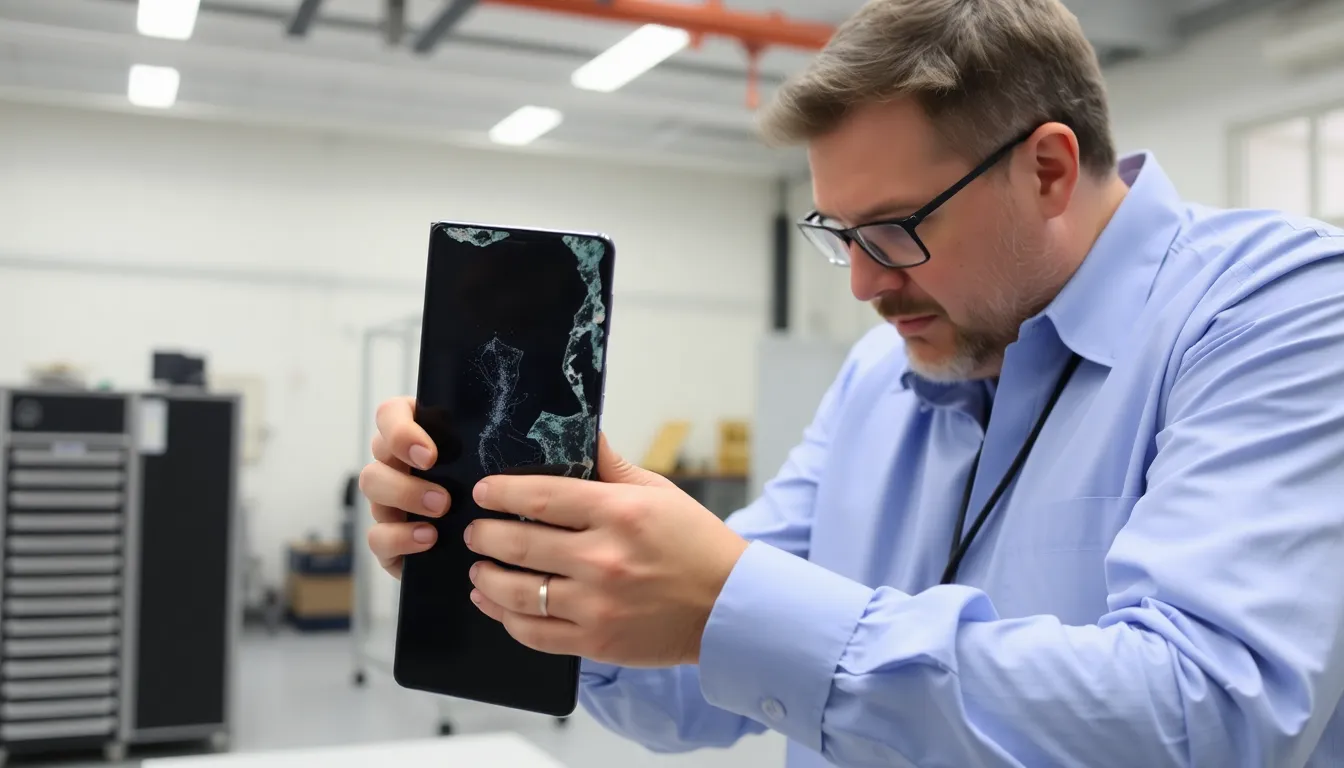
Mid-term impacts could extend beyond sales figures. If consumer trust diminishes, it may prompt companies to reconsider their marketing strategies and product designs, leading to a shift in how foldable devices are manufactured. This situation could also ignite discussions around regulatory policies for product testing and consumer safety standards in the tech industry.
- Increased scrutiny on product durability and testing standards.
- Potential for innovation in materials and design to enhance device resilience.
- Opportunities for competitors to capitalize on consumer skepticism.
- Changes in marketing strategies focusing on reliability and quality assurance.
While risks are evident, there are also opportunities for brands that can effectively address these concerns. Companies that prioritize transparency and demonstrate improvements in their foldable devices may regain consumer trust and even attract new customers. Furthermore, this incident could inspire advancements in technology that lead to more robust, reliable products in the long run.
A: JerryRigEverything conducted a bend test on the Galaxy Z Trifold, which resulted in the device breaking, highlighting concerns over its structural integrity. A: This incident may negatively impact Samsung’s reputation as a leader in foldable technology, raising questions about the durability of their devices. A: Yes, foldable phones often have more complex mechanisms and materials that can make them more susceptible to damage compared to traditional smartphones. A: Consumers should consider the durability of the device, warranty options, and user reviews to make an informed decision. A: It is likely that Samsung will address this issue, possibly by improving the design or providing clearer information about the device’s durability.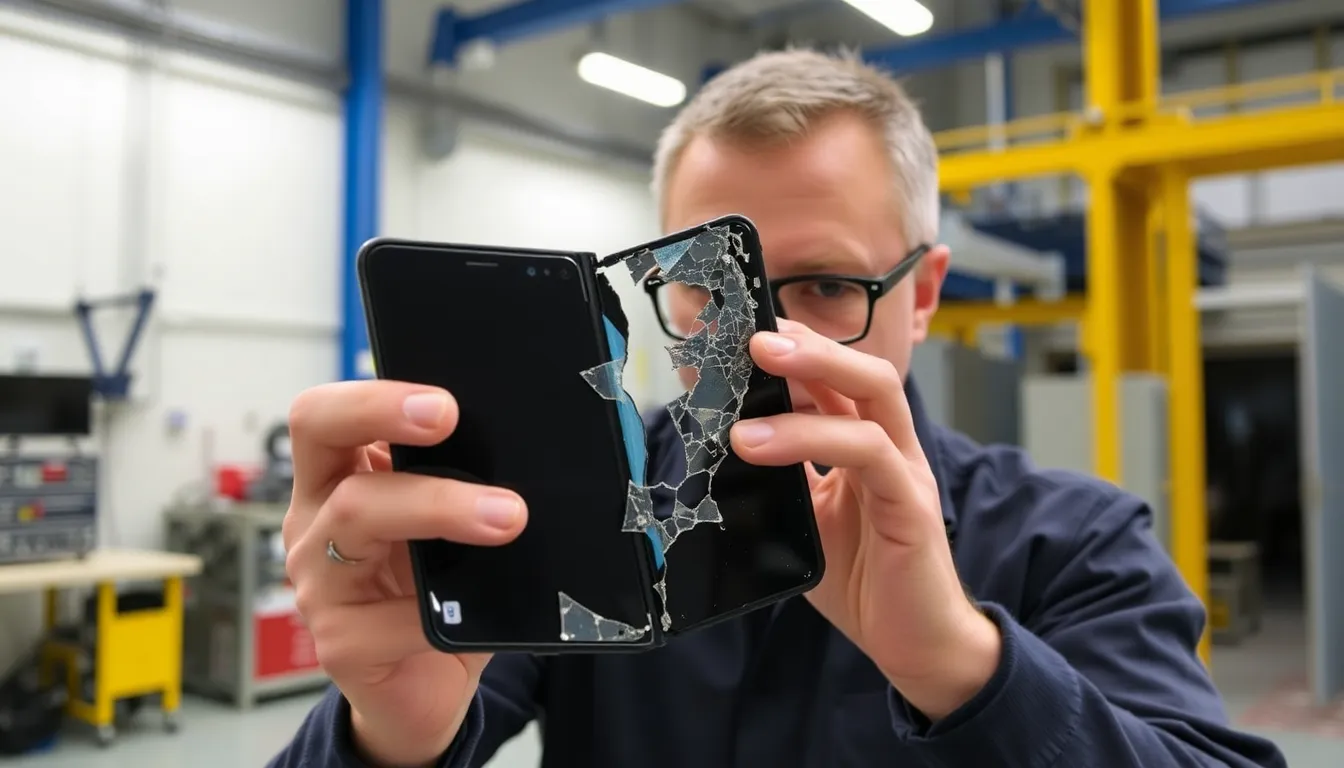
Frequently asked questions about the Galaxy Z Trifold
Key takeaways and future outlook for foldable devices
The recent durability test conducted by JerryRigEverything on the Samsung Galaxy Z Trifold has raised significant questions about the resilience of foldable smartphones. As the technology continues to evolve, the implications of such tests are crucial for manufacturers and consumers alike. The findings highlight not only the physical limitations of current foldable designs but also the expectations consumers have for longevity and performance.
Moving forward, it will be essential for manufacturers to address these durability concerns in future iterations. As foldable devices gain popularity, understanding the balance between innovation and practicality will be key to maintaining consumer trust and satisfaction.
- Durability improvements: Future models may need to incorporate more robust materials to withstand everyday use.
- Consumer expectations: As foldable technology matures, consumers will likely demand higher durability standards.
- Design considerations: Manufacturers might explore alternative hinge mechanisms to enhance the longevity of foldable devices.
- Market competition: Brands will need to differentiate themselves not just through features but also through the reliability of their foldable offerings.