


In addition to energy prices, the war has led to increased inflation rates in many countries, particularly those reliant on oil imports. For instance, nations in Europe and Asia are grappling with rising costs of living, prompting governments to implement measures aimed at stabilizing their economies. The International Monetary Fund has projected a slowdown in global economic growth, revising its forecasts for 2024 downward.
Trade routes, particularly in the Strait of Hormuz, have also come under scrutiny as military tensions rise. This vital shipping lane, through which a significant portion of the world’s oil passes, has seen increased naval presence from various countries, raising concerns about potential blockades or disruptions. Such developments could further exacerbate supply chain issues that have already been strained by the pandemic and other geopolitical conflicts. For more information on these ongoing changes, read our latest updates on current events.
The war has also prompted shifts in international alliances and trade partnerships. Countries like Russia and China have sought to bolster their ties with Iran, potentially altering the dynamics of global trade. As these nations collaborate on energy and military fronts, Western nations are reassessing their strategies in the region, which could lead to a reconfiguration of global economic power structures in the coming years.
Historical background of the Iran War and its economic implications
The Iran War, which began in 1980 with Iraq’s invasion of Iran, marked a significant turning point in the geopolitical landscape of the Middle East. The conflict lasted for eight years and resulted in devastating human and economic costs for both nations. The war not only altered the political dynamics in the region but also had profound implications for the global economy, particularly in the context of oil supply and demand.
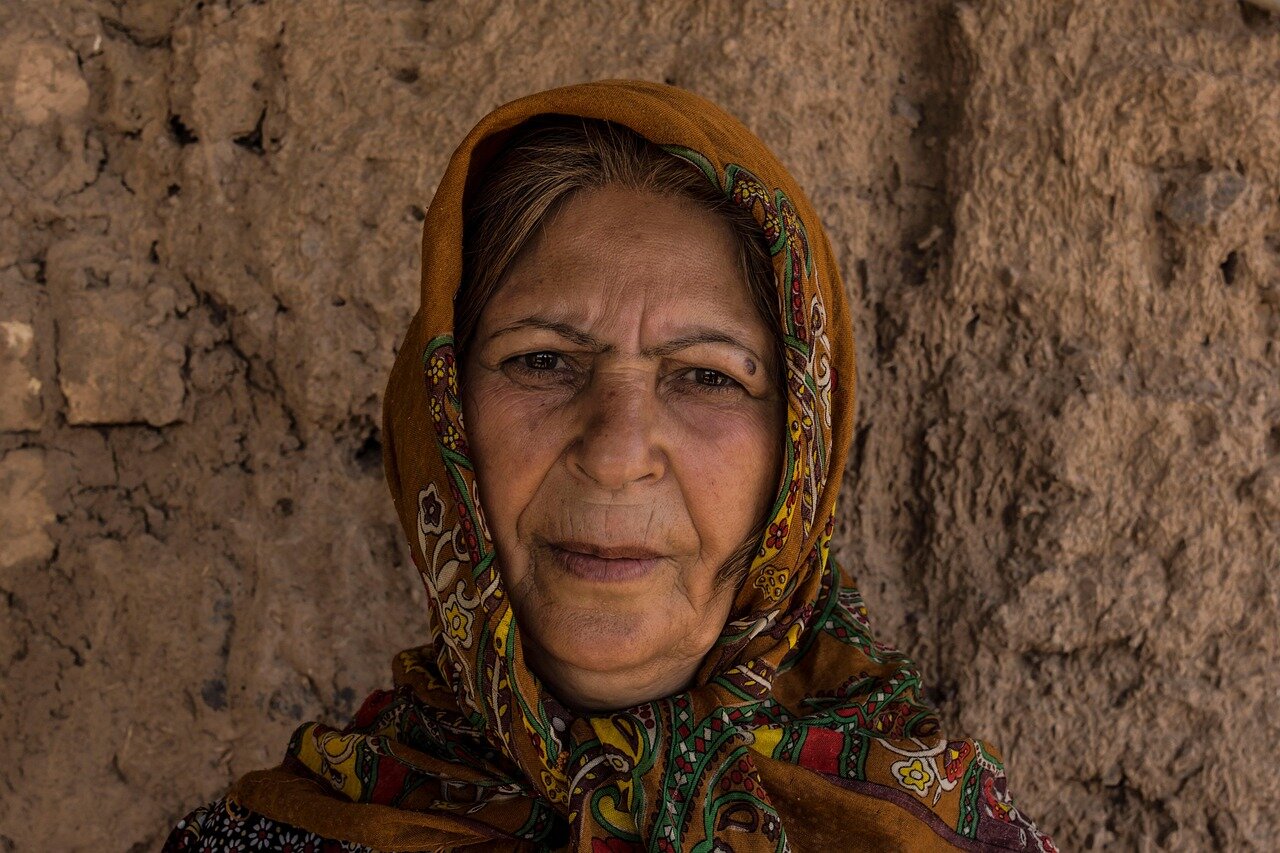
One of the key milestones leading to the war was the 1979 Iranian Revolution, which overthrew the pro-Western Shah and established an Islamic Republic under Ayatollah Khomeini. This shift alarmed neighboring Iraq, led by Saddam Hussein, who feared that the revolutionary fervor might inspire similar uprisings within his borders. The war that ensued was characterized by brutal trench warfare, widespread use of chemical weapons, and significant civilian casualties, which collectively contributed to a humanitarian crisis.
The economic ramifications of the Iran War were felt far beyond the borders of the two nations involved. As the conflict disrupted oil production in Iran, a major oil exporter, the global oil market faced severe fluctuations. Prices skyrocketed, leading to inflationary pressures in many countries and prompting a reevaluation of energy policies worldwide. The war also solidified the role of the Gulf states as crucial players in the oil market, as they ramped up production to compensate for the shortfall from Iran. To explore the broader implications of such conflicts on today’s economy, check out our article on latest current events.
Impact on Global Trade and Alliances
The Iran War reshaped international alliances and trade relationships, particularly in the context of energy security. The United States, which initially supported Iraq, found itself increasingly entangled in the region’s complexities. The war laid the groundwork for future conflicts and interventions, as Western powers sought to secure their interests in oil-rich regions. Additionally, the war’s aftermath contributed to the rise of militant groups and ongoing instability, which continue to affect global trade routes and economic stability today. For insights into how these issues are evolving, you may refer to our latest coverage.
Key stakeholders and issues arising from the conflict
The Iran War has reshaped the global economic landscape, involving a complex interplay of various stakeholders including governments, multinational corporations, and international organizations. Each of these actors has distinct interests that influence their responses to the conflict and its economic ramifications.
One of the primary stakeholders is the Iranian government, which seeks to maintain its sovereignty and economic stability amidst international sanctions and military pressures. The Iranian regime is focused on securing trade partnerships that can circumvent these sanctions, particularly with nations like Russia and China, which have shown willingness to engage economically with Iran.
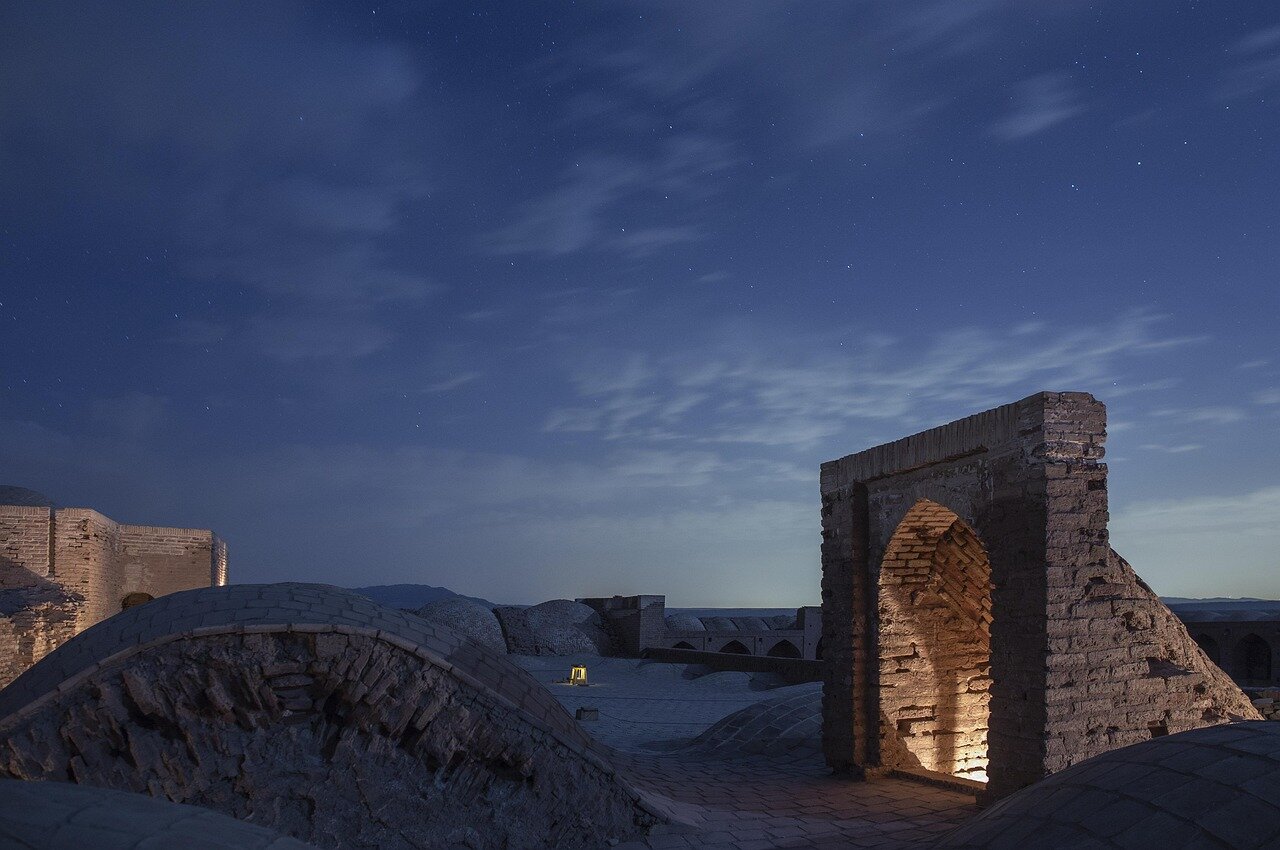
On the other hand, the United States and its allies, including European nations, are primarily concerned with curbing Iran’s influence in the Middle East. Their interests are rooted in national security and the protection of global oil markets. The U.S. has implemented a series of sanctions aimed at crippling Iran’s economy, which has led to significant trade-offs for both sides.
- Energy Markets: The war has caused fluctuations in global oil prices, impacting both producers and consumers worldwide.
- Trade Relations: Countries are reevaluating their trade relations with Iran, leading to shifts in alliances and economic partnerships.
- Humanitarian Issues: The conflict has raised concerns about humanitarian aid and the economic plight of the Iranian populace, complicating international responses.
- Legal Implications: The sanctions imposed raise questions about international law and the legitimacy of economic coercion as a tool of foreign policy.
Furthermore, multinational corporations are navigating a challenging environment where compliance with sanctions can lead to significant legal and financial repercussions. Companies in sectors such as energy, technology, and finance must weigh the risks of engaging with Iranian markets against potential losses from sanctions violations, creating a precarious balance in their operations.
How the Iran War has affected global markets and economies
The Iran War has had far-reaching consequences, impacting various groups, industries, and regions across the globe. One of the most affected sectors is the energy industry, particularly oil and gas, as Iran is a significant player in the global oil market. Disruptions in supply chains and fluctuations in oil prices have immediate effects on consumers, businesses, and governments worldwide.
Additionally, regions such as the Middle East, Europe, and Asia are experiencing heightened geopolitical tensions. Countries reliant on Iranian oil or those involved in trade with Iran face uncertainty, which can lead to shifts in economic policies and alliances. The war also impacts the defense industry, as nations may increase military spending in response to perceived threats.
Short-term impacts include rising fuel prices and inflation, which can strain household budgets and reduce disposable income. Businesses may face increased operational costs, particularly those in transportation and manufacturing sectors that depend on oil. In the mid-term, we could see a shift in global supply chains as companies seek to minimize risks associated with instability in the region.
- Risks: Economic instability, increased inflation, and potential recession in affected regions.
- Opportunities: Growth in renewable energy sectors, increased defense contracts, and potential shifts in trade routes.
As policymakers respond to these challenges, we may see new regulations and strategies aimed at stabilizing economies and ensuring energy security. The long-term effects of the Iran War on global markets will depend on the resolution of the conflict and the adaptability of industries to these new realities.
A: The Iran War has led to significant fluctuations in oil prices due to supply chain disruptions and geopolitical tensions. This volatility has affected not only oil-exporting nations but also global markets reliant on stable oil prices. A: Long-term effects include shifts in trade relationships, increased military spending, and changes in energy policies worldwide. These factors contribute to a more unstable economic environment. A: Key stakeholders include governments of oil-dependent countries, multinational corporations in the energy sector, and consumers affected by rising prices. Each group faces unique challenges and opportunities. A: Recovery is possible but may take time, as countries adjust to new economic realities. The pace of recovery will depend on diplomatic resolutions and market adaptations. A: Sanctions have a profound impact on Iran’s economy and its trade relationships. They also create ripple effects in global markets, influencing prices and availability of goods.
Frequently asked questions about the economic impact of the Iran War
Key takeaways and future outlook on the global economy
The Iran War has ushered in a new era for the global economy, reshaping trade dynamics and energy markets. As nations adapt to the shifting landscape, the long-term implications of this conflict will continue to unfold, influencing economic policies and international relations. Understanding these changes will be crucial for businesses and governments navigating the complexities of a post-war world.
Monitoring key trends and potential scenarios will provide valuable insights into the evolving economic environment. Stakeholders must remain vigilant as they assess the ramifications of the war on supply chains, energy prices, and geopolitical alliances.
- Energy Market Volatility: Expect fluctuations in oil prices as countries adjust to new supply chains and sanctions, impacting global inflation rates.
- Shifts in Trade Alliances: Watch for the emergence of new trade partnerships as nations seek to diversify their economic ties away from conflict zones.
- Investment in Defense Industries: Increased government spending on defense may stimulate certain sectors, leading to economic growth in those areas.
- Humanitarian Aid and Reconstruction Efforts: Significant opportunities will arise in the fields of reconstruction and humanitarian assistance, driving demand for international cooperation.
- Technological Advancements: Innovations in energy efficiency and renewable energy may accelerate as countries seek to reduce reliance on unstable regions.