


Social media platforms, particularly Instagram and TikTok, have amplified the trend of mobile photography, encouraging users to share visually stunning images and videos captured on their iPhones. Recent statistics reveal that over 1 billion photos are shared on Instagram daily, with a significant portion taken using smartphones. This surge in visual content has prompted many users to seek out tips and hacks to maximize their iPhone camera’s potential, such as exploring the latest trends in tech.
Moreover, the rise of online communities and tutorial content focused on smartphone photography has made knowledge more accessible than ever. Platforms like YouTube and photography blogs frequently publish guides on camera hacks, catering to both novice and experienced photographers. This shift not only democratizes photography but also fosters a culture of creativity among iPhone users, similar to what teenagers express in their opinions on social media.
In response to these trends, brands and influencers are increasingly collaborating to showcase the capabilities of the iPhone camera. Recent campaigns highlight the versatility of mobile photography, emphasizing how simple hacks can transform everyday moments into visually captivating stories. As a result, understanding and applying these techniques has become essential for anyone looking to elevate their photography game.

Understanding the Evolution of Smartphone Cameras
The evolution of smartphone cameras has been a remarkable journey that reflects advancements in technology and shifts in consumer behavior. Since the introduction of the first camera phone in 2000, which featured a mere 0.3-megapixel lens, the landscape of photography has dramatically transformed. As smartphones became ubiquitous, the demand for high-quality images grew, prompting manufacturers to innovate continuously.
In 2007, Apple launched the first iPhone, which included a 2-megapixel camera. This marked a significant milestone in mobile photography, as it combined a user-friendly interface with advanced features that appealed to a wide audience. The subsequent iterations of the iPhone saw rapid improvements in camera technology, including higher megapixel counts, better low-light performance, and the introduction of features like autofocus and image stabilization.
The Impact of Social Media
The rise of social media platforms has played a crucial role in shaping the demand for better smartphone cameras. As platforms like Instagram and Snapchat gained popularity, users sought to share high-quality photos and videos instantly. This shift not only influenced consumer expectations but also prompted smartphone manufacturers to prioritize camera capabilities in their marketing strategies.
By 2016, the iPhone 7 Plus introduced dual-camera technology, allowing for enhanced depth perception and portrait modes. This innovation was a game-changer, as it enabled users to create professional-looking images without the need for bulky equipment. The integration of artificial intelligence and computational photography further revolutionized the way users capture and edit photos, making advanced techniques accessible to the everyday user, which is increasingly discussed in content surrounding technology and safety.
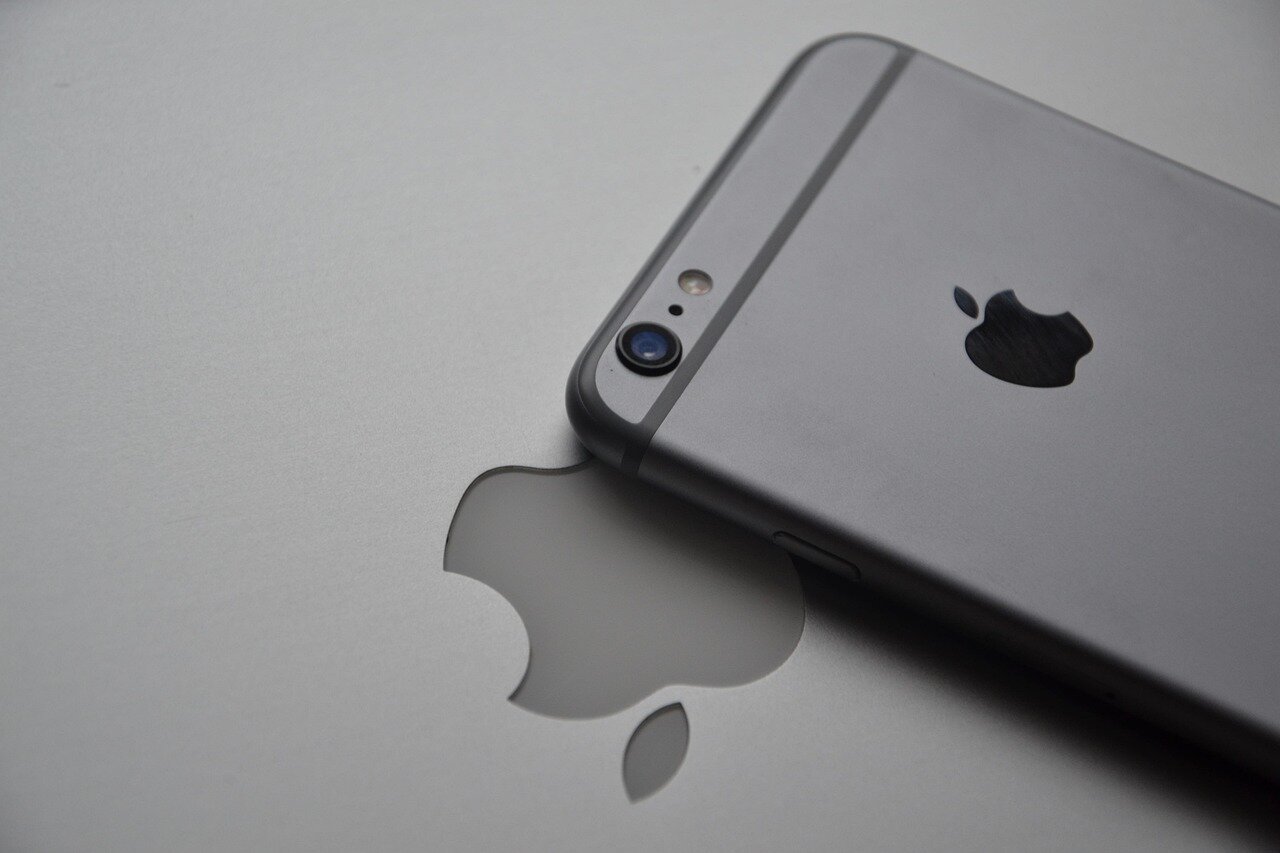
Today, iPhone users have access to a plethora of camera hacks and features that empower them to maximize their photography skills. Understanding the historical context of smartphone cameras helps users appreciate the tools at their disposal and encourages them to explore creative possibilities in their photography journey.
Key Issues and Stakeholders in Mobile Photography
As mobile photography continues to evolve, various stakeholders play crucial roles in shaping the landscape of camera technology and user experience. The primary actors include smartphone manufacturers, app developers, content creators, and consumers. Each group has distinct interests that influence the development and use of camera hacks.
Smartphone manufacturers, such as Apple, invest heavily in camera technology to enhance user satisfaction and differentiate their products in a competitive market. Their interest lies in ensuring that users can maximize the capabilities of their devices, thus fostering brand loyalty. In contrast, app developers focus on creating innovative software solutions that complement the hardware capabilities of smartphones, aiming to attract users who seek enhanced photography experiences.
Content creators, including photographers and influencers, leverage camera hacks to improve their work quality and engagement on social media platforms. Their needs often drive the demand for new features and functionalities, which can create tension between user expectations and the limitations of existing technology. Furthermore, consumers are increasingly aware of their rights regarding digital content, which raises legal issues surrounding copyright and usage rights when utilizing camera hacks.

- Conflicts over intellectual property: As users share and modify images, debates arise over ownership and copyright infringement.
- Trade-offs in user experience: While camera hacks can enhance functionality, they may also lead to software instability or security vulnerabilities.
- Legal implications of content sharing: Users must navigate the complexities of copyright laws when sharing modified images online.
- Economic impact on app development: The demand for innovative photography apps can drive investment but also lead to market saturation.
In summary, the interplay between these stakeholders and the key issues they face highlights the complexities of mobile photography. Understanding these dynamics is essential for users looking to fully leverage the potential of their iPhone cameras while navigating the associated challenges.
How Camera Hacks Affect iPhone Users and the Market
The rise of camera hacks for iPhone users has significant implications for various groups, including everyday consumers, content creators, and businesses in the photography and social media industries. As users adopt these hacks to enhance their photography skills, the demand for innovative features and accessories will likely increase, influencing market trends and consumer behavior.
In the short term, individuals experimenting with camera hacks may experience an immediate boost in their photography capabilities, leading to higher engagement on social media platforms. This surge in user-generated content can create opportunities for brands to collaborate with influencers and leverage authentic marketing strategies. However, there is also a risk of oversaturation in the market, as more users share similar content, making it challenging for individual creators to stand out.
In the mid-term, industries such as tourism, events, and e-commerce may feel the impact as visually appealing content becomes essential for attracting customers. Businesses may need to adapt their marketing strategies to incorporate user-generated content that showcases their products or services in a more relatable way. Additionally, the increased focus on high-quality images could drive innovation in smartphone technology and accessories, creating new opportunities for manufacturers.
- Short-term impacts: Increased engagement and content creation on social media.
- Mid-term impacts: Shift in marketing strategies for businesses and growth in accessory demand.
- Risks: Content oversaturation and challenges for individual creators to differentiate themselves.
- Opportunities: Enhanced collaboration between brands and content creators, driving innovation in smartphone technology.
Regions with a high concentration of social media users, particularly urban areas, are likely to see the most significant effects. As camera hacks become more widely known, the potential for viral trends could lead to a broader global influence, impacting how photography is perceived and utilized in everyday life.
A: Some quick hacks include using the volume buttons as shutter release, enabling grid lines for better composition, and using burst mode for action shots. A: To enhance low-light photography, try using night mode, keeping your phone steady, and utilizing external lighting sources when possible. A: Yes, the Photos app on your iPhone offers a variety of editing tools, including filters, cropping, and adjustments for brightness and contrast. A: To make the most of portrait mode, ensure good lighting, focus on your subject, and experiment with different backgrounds for a more dynamic shot. A: Yes, apps like Snapseed, VSCO, and Lightroom offer advanced editing features and additional camera controls that can enhance your photography.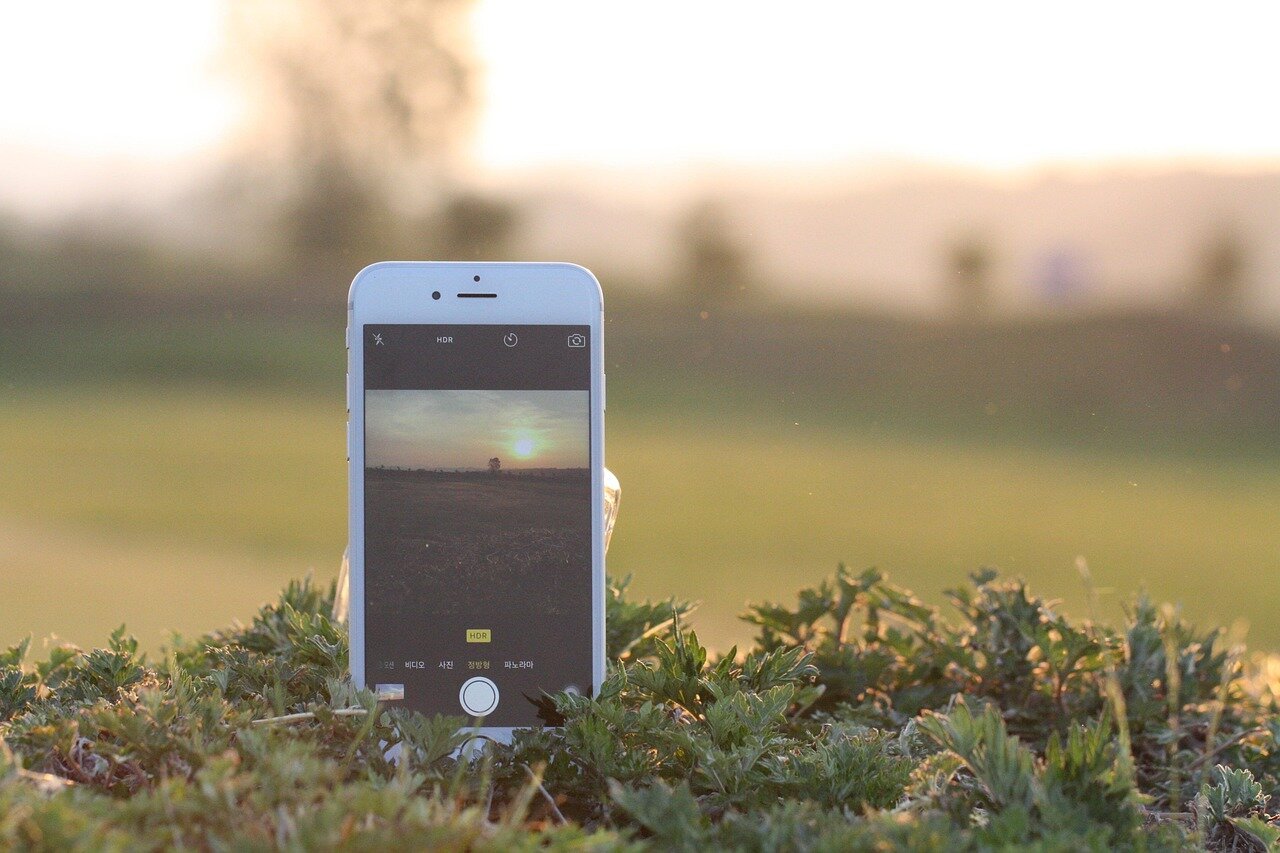
Frequently Asked Questions About iPhone Camera Hacks
Key Takeaways and Future of iPhone Photography
The evolution of iPhone photography continues to empower users with innovative features and hacks that enhance their creative potential. By mastering these techniques, iPhone users can elevate their photography skills, capturing stunning images that reflect their unique perspectives. As technology advances, staying informed about new updates and tools will be crucial for maximizing the capabilities of the device.
Looking ahead, the integration of artificial intelligence and machine learning in camera functionalities promises to further revolutionize how users approach photography. Embracing these changes will not only improve the quality of images but also streamline the editing process, making it more accessible for everyone.
- Experiment with different camera modes to discover unique perspectives and styles that suit your photography needs.
- Utilize editing apps to enhance your photos post-capture, allowing for a more polished final product.
- Stay updated on software updates, as new features can significantly improve your photography experience.
- Engage with photography communities to share insights and learn from others’ experiences, fostering growth and inspiration.
- Practice consistently to develop your skills and confidence, making the most of the tools at your disposal.