


The Environment Agency has reported a sharp increase in illegal dumping incidents, with over 1,000 new sites identified in the last year alone. This surge has raised alarms among local authorities and environmental groups, who are calling for more stringent enforcement measures to combat this growing issue.
Illegal waste tipping not only harms the environment but also undermines legitimate waste management businesses, which adhere to regulations and contribute to the economy. For more information on the impact of waste management practices, check out our article on financial consequences of waste management.
Authorities are now ramping up efforts to tackle this problem, including increased surveillance and the imposition of heavier fines on offenders. However, the scale of the issue suggests that more comprehensive strategies are needed to effectively deter illegal dumping and protect communities from its harmful effects.
Understanding the background of illegal waste disposal
Historically, the rise of illegal waste tipping can be traced back to the deregulation of waste management practices in the late 20th century. You can read more about regulatory challenges in our piece on Newark Museum’s new policies.
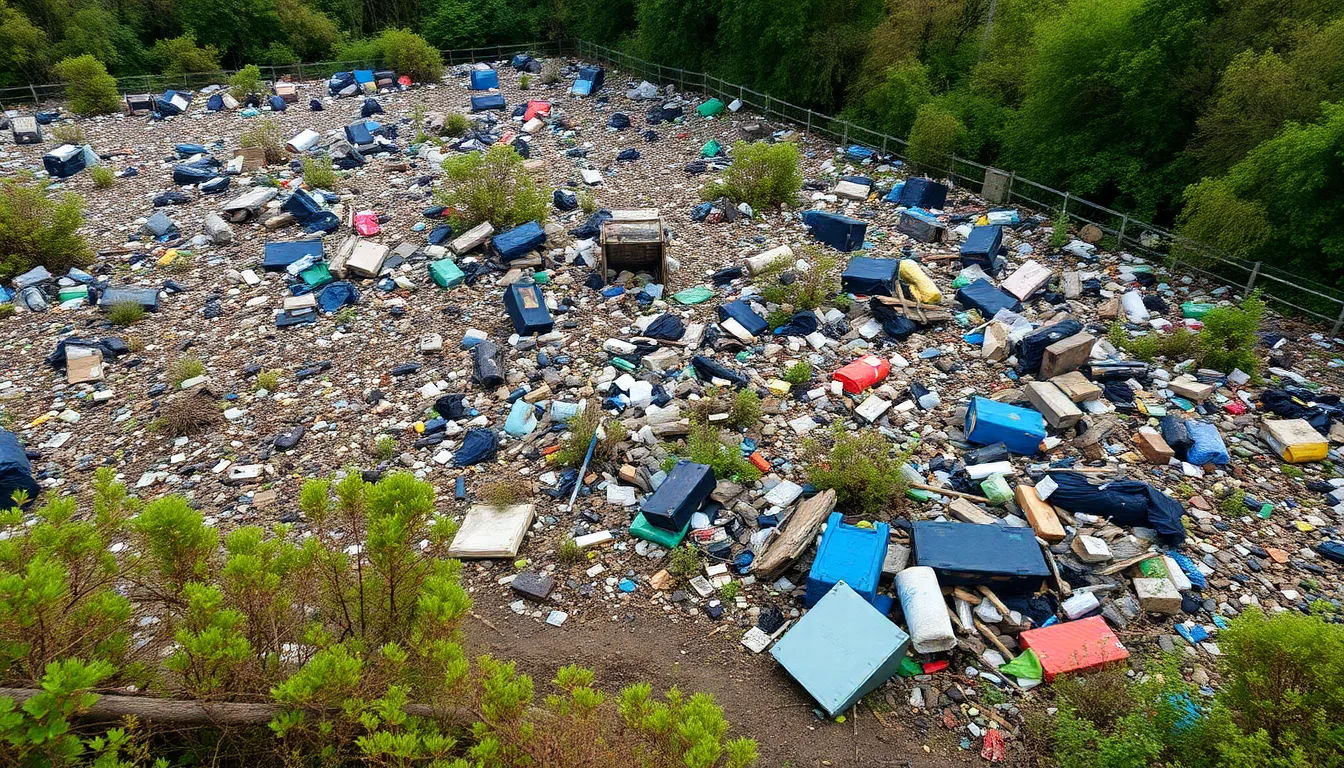
In the early 2000s, the UK government introduced stricter regulations aimed at reducing landfill use and encouraging recycling. However, these measures inadvertently created a lucrative opportunity for illegal operators who sought to evade costs associated with legal disposal methods. The emergence of ‘super sites’large-scale illegal dumping groundsexemplifies this trend, where organized crime groups exploit regulatory loopholes and lack of enforcement to maximize profit.
The role of economic factors
Economic factors have played a significant role in the proliferation of illegal waste sites. With rising disposal fees and stringent regulations, many small businesses and individuals have turned to illegal dumping as a cheaper alternative. The financial burden of proper waste disposal can be overwhelming, especially for those operating on thin margins. This has led to a culture where illegal tipping is seen as a viable option, further exacerbating the environmental and social issues associated with waste management.
However, despite ongoing efforts, the number of illegal sites continues to grow, highlighting the need for a comprehensive strategy that addresses both the economic incentives driving illegal dumping and the enforcement of existing regulations. For a closer look at community responses to environmental issues, see our article on community action against environmental degradation.
Key stakeholders and issues surrounding illegal waste sites
The issue of illegal waste tipping in England involves a complex network of stakeholders, each with distinct interests and concerns. Key actors include local governments, environmental agencies, waste management companies, and community groups. Local authorities are primarily focused on maintaining public health and environmental safety, while waste management companies seek to operate profitably within legal frameworks. Community groups often advocate for environmental protection and public awareness regarding the impacts of illegal dumping.
One of the primary conflicts arises between the need for affordable waste disposal solutions and the enforcement of environmental regulations. Many illegal waste sites offer lower disposal costs, which can attract businesses looking to cut expenses. However, this often comes at the expense of proper waste management practices, leading to significant environmental degradation and health risks for nearby communities.
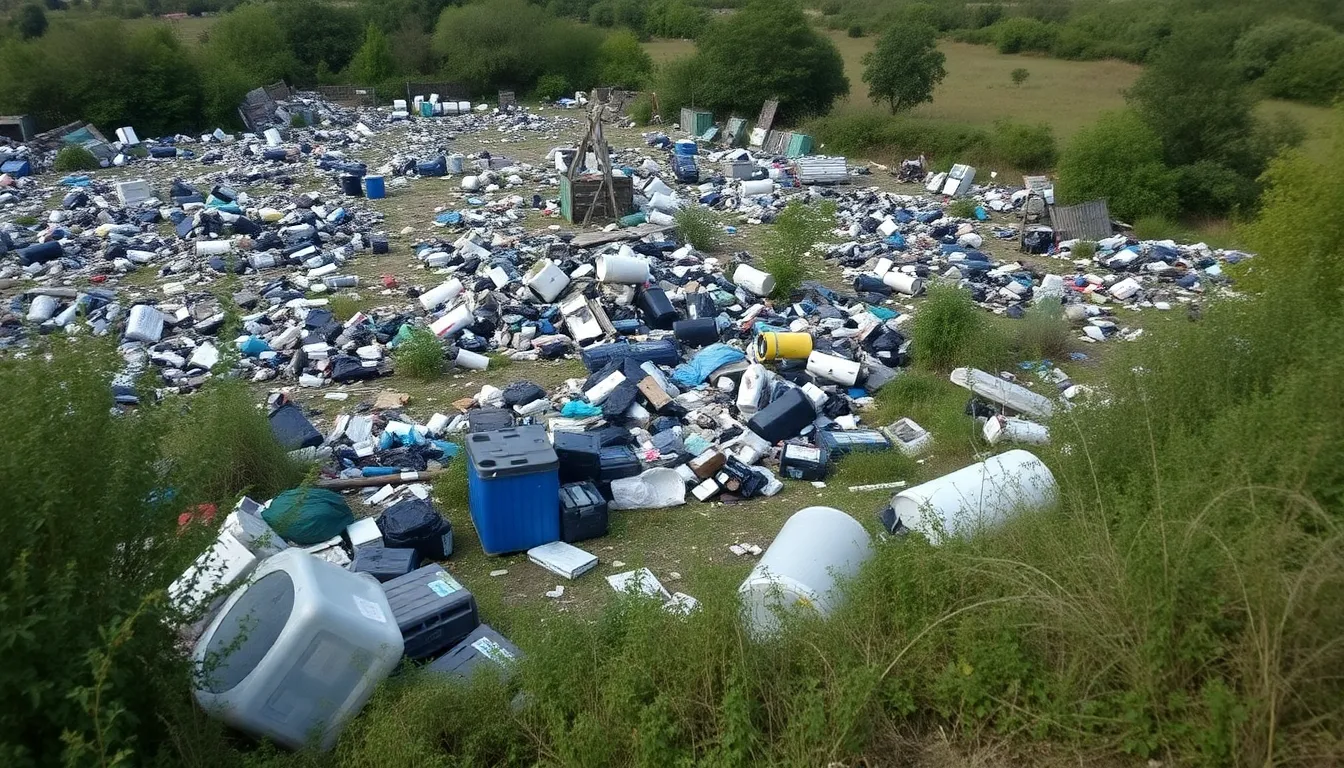
Legal issues are also significant in this context. The Environment Agency is tasked with regulating waste management practices, but enforcement can be challenging due to limited resources and the sheer number of illegal sites. Furthermore, the penalties for illegal dumping may not deter offenders, leading to a cycle of non-compliance. This raises questions about the adequacy of existing laws and the need for stricter regulations or enhanced enforcement mechanisms.
- Economic interests: Businesses may prioritize cost savings over compliance with waste disposal regulations.
- Environmental impact: Illegal sites contribute to pollution and can harm local ecosystems.
- Public health concerns: Proximity to illegal waste sites can pose health risks to surrounding communities.
- Regulatory challenges: The Environment Agency faces difficulties in monitoring and enforcing waste management laws.
- Community activism: Local groups are increasingly mobilizing to raise awareness and advocate for better waste management practices.
In summary, the dynamics surrounding illegal waste tipping in England highlight a clash of economic, environmental, and social interests. Understanding these key stakeholders and the issues at play is essential for addressing the challenges posed by illegal waste sites effectively.
Impact of illegal waste tips on communities and the environment
The proliferation of illegal waste tips across England, including 11 identified ‘super sites’, poses significant risks to various groups and industries. Local communities, particularly those situated near these sites, face immediate health hazards due to pollution and potential contamination of air and water sources. Vulnerable populations, such as low-income families and children, are disproportionately affected, exacerbating existing inequalities.
Industries related to waste management and recycling are also impacted, as illegal dumping undermines legitimate businesses that adhere to environmental regulations. This creates an uneven playing field, driving down prices and potentially leading to job losses in the legal sector. Additionally, local governments and environmental agencies may face increased operational costs as they work to address the consequences of illegal waste disposal.
In the short term, residents may experience unpleasant odors, increased pests, and a decline in property values. These factors can disrupt daily life and community cohesion. In the mid-term, the strain on local resources can lead to heightened tensions between residents and authorities, as communities demand action and accountability for the environmental degradation they are experiencing.
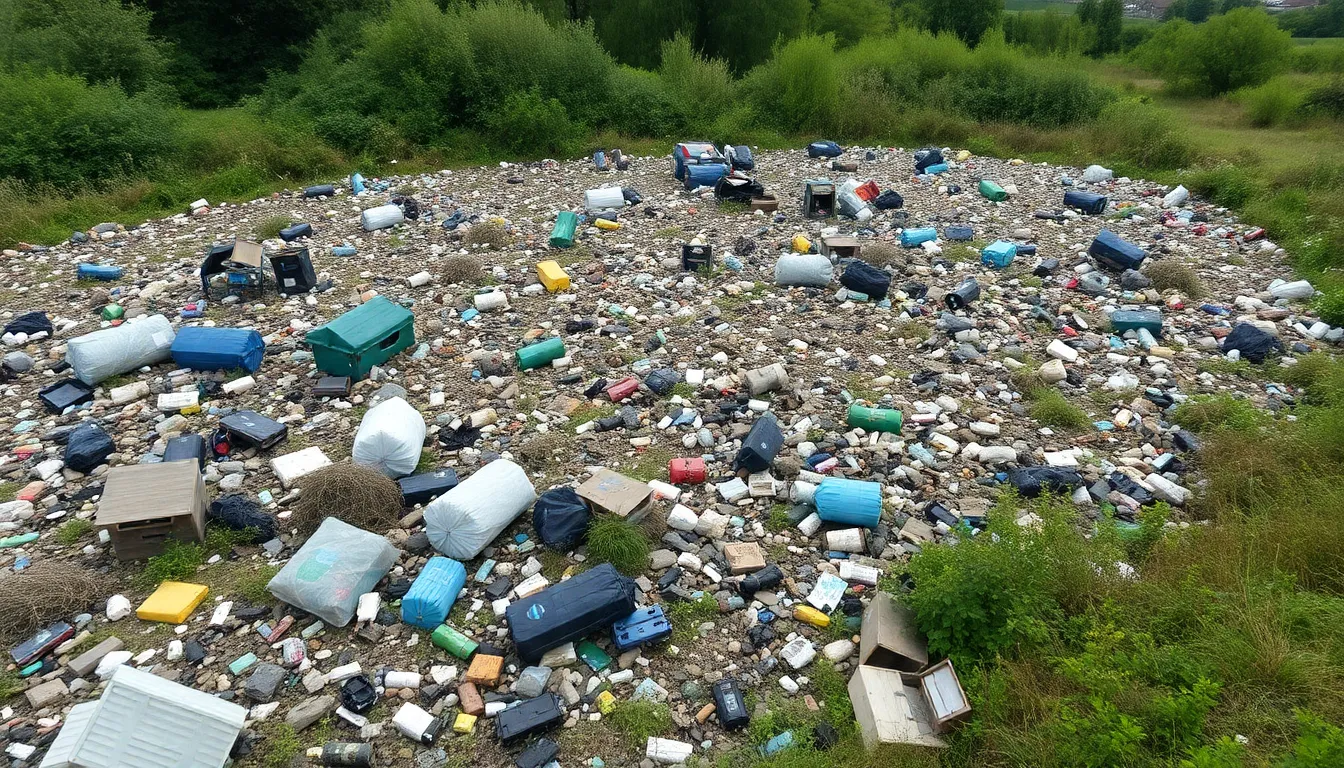
- Health Risks: Increased exposure to hazardous materials can lead to respiratory issues and other health problems.
- Economic Impact: Local businesses may suffer from reduced foot traffic and investment due to perceived environmental risks.
- Policy Changes: Increased scrutiny may prompt stricter regulations and enforcement on waste management practices.
- Community Action: The situation may galvanize community groups to advocate for better waste management solutions and environmental protections.
While the risks associated with illegal waste tips are significant, there may also be opportunities for innovation in waste management practices. The crisis can serve as a catalyst for developing new technologies and strategies for sustainable waste disposal, potentially leading to job creation in green industries. Furthermore, increased public awareness could drive demand for environmentally responsible practices, fostering a more sustainable future.
A: Illegal waste tips are sites where waste is disposed of without proper authorization or regulation. These sites can pose significant environmental hazards. A: Reports indicate that there are hundreds of illegal waste tips across England, with 11 identified as ‘super sites’ due to their size and impact. A: Illegal waste tipping can lead to severe environmental damage, health risks for local communities, and significant costs for local authorities to clean up. A: Local authorities and environmental agencies are primarily responsible for monitoring waste disposal practices and enforcing regulations. A: Authorities are increasing inspections, imposing fines, and collaborating with environmental organizations to tackle illegal waste disposal.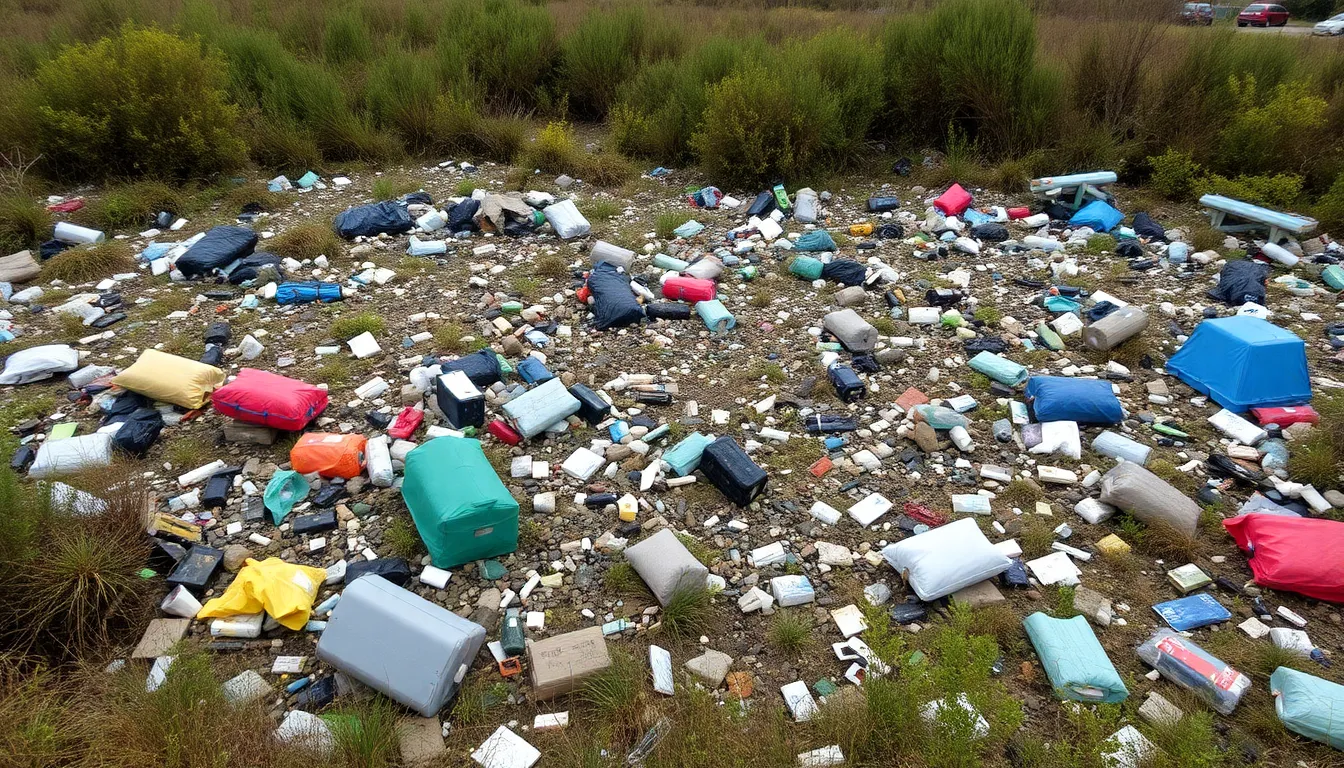
Frequently asked questions about illegal waste tips
Key points and future outlook on illegal waste management
The presence of hundreds of illegal waste tips across England, particularly the alarming rise of 11 ‘super sites’, underscores a significant challenge for environmental regulation and public health. These unregulated sites not only threaten local ecosystems but also place additional burdens on legitimate waste management systems. As authorities grapple with enforcement and remediation, the implications for communities and the environment are profound.
Moving forward, it is crucial for policymakers to prioritize stronger regulations and enforcement mechanisms to combat illegal dumping. Public awareness campaigns and community engagement will also play essential roles in mitigating the risks associated with these waste sites. The collaboration between local governments, environmental agencies, and citizens will be key to addressing this growing issue effectively.
- Increased inspections and penalties for illegal dumping may deter future violations.
- Investment in legal waste management infrastructure is necessary to accommodate rising waste volumes.
- Community involvement in monitoring and reporting illegal sites could enhance enforcement efforts.
- Public education on proper waste disposal can reduce reliance on illegal dumping options.
- Collaboration between local authorities and environmental organizations may lead to more effective solutions.