


Klein’s contributions to the music scene spanned several decades, during which he played a pivotal role in signing and promoting iconic bands and musicians, including Madonna, The Ramones, and Green Day, leaving an indelible mark on popular music.
In addition to his achievements in the music industry, Klein was also an active political advocate. He used his platform to support various social causes, often blending his passion for music with his commitment to activism. His dual legacy as a music executive and a political voice highlights the interconnectedness of culture and social issues.
The response to Klein’s passing has been widespread, with tributes pouring in from artists, colleagues, and fans alike. Many have expressed their gratitude for his contributions to music and his unwavering dedication to advocating for change. As the industry reflects on his life, the impact of his work continues to resonate.
A look back at Howie Klein’s influential career and activism
Howie Klein, who passed away at the age of 77, was not just a prominent figure in the music industry but also an ardent political activist, much like those involved in social justice movements. His career spanned several decades, during which he played pivotal roles at Sire and Reprise Records, helping to shape the sound of modern music.
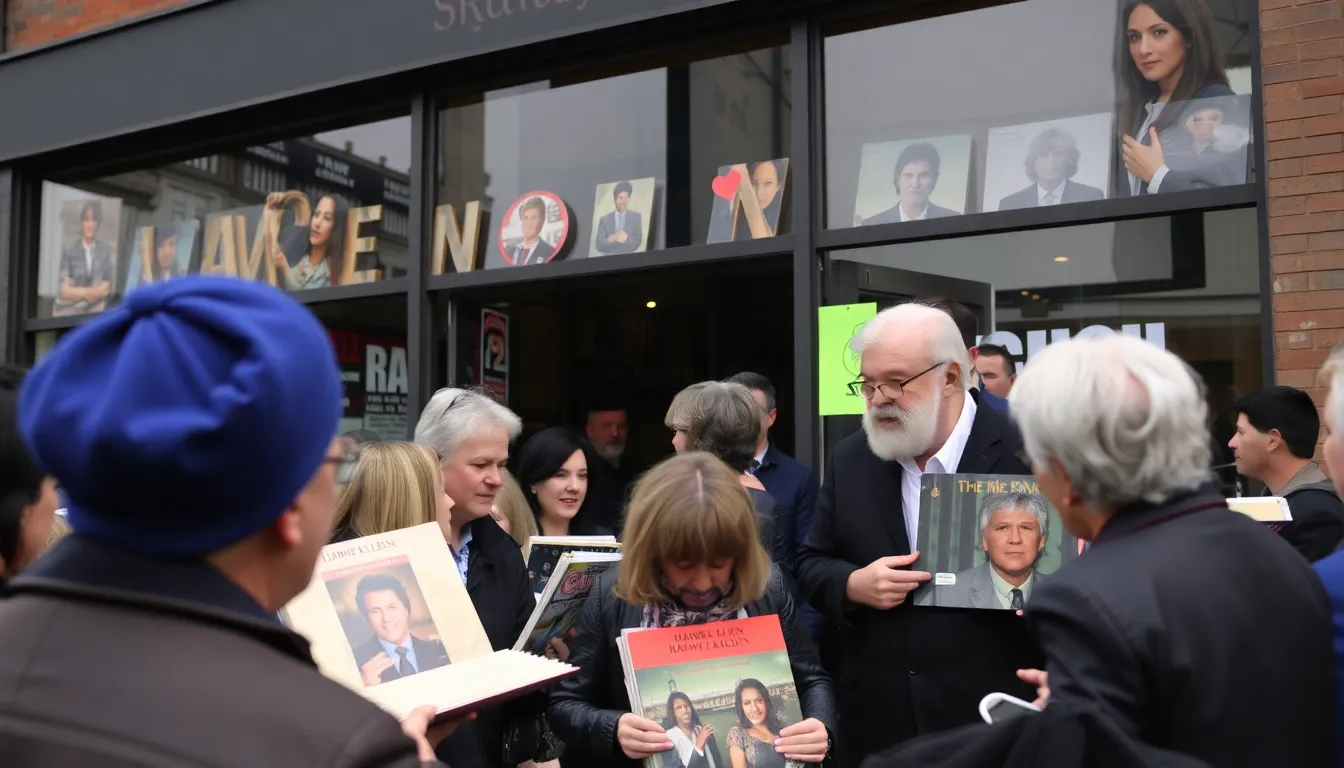
Klein began his career in the music industry in the 1970s, a time when rock and punk music were gaining traction and changing the cultural landscape. His work with Sire Records introduced the world to iconic artists such as Madonna, The Ramones, and Talking Heads. These artists not only transformed the music scene but also reflected the political and social upheavals of the era, including the fight for civil rights and the anti-establishment sentiments of the time. Klein’s keen ear for talent and his commitment to artistic integrity helped to foster a generation of musicians who would go on to influence countless others.
In addition to his contributions to music, Klein was deeply involved in political activism. He was a vocal supporter of progressive causes, often using his influence to advocate for candidates and policies that aligned with his values. His activism was particularly evident during the rise of the anti-war movement and the fight for LGBTQ+ rights, where he leveraged his connections in the entertainment industry to raise awareness and funds for various initiatives. Klein’s dedication to these causes exemplified the intersection of art and activism, showcasing how cultural leaders can impact societal change.
Milestones in a Legacy of Change
Throughout his life, Klein achieved several key milestones that underscored his commitment to both music and activism. In the 1980s, he was instrumental in organizing benefit concerts that raised millions for AIDS research, a cause that was particularly close to his heart. His efforts not only brought attention to the epidemic but also helped to destigmatize the disease within the music community and beyond. Klein’s legacy is marked by these significant contributions, which continue to inspire new generations of artists and activists alike.
The impact of Klein’s work on artists and the music landscape
Howie Klein’s passing at the age of 77 marks a significant loss for the music industry, particularly for artists and organizations that benefited from his advocacy and leadership. As a top executive at Sire and Reprise Records, Klein was instrumental in shaping the careers of numerous influential artists, fostering a creative environment that prioritized artistic integrity over commercial pressures. His commitment to empowering musicians has left a lasting legacy in the music landscape.
Key stakeholders in this narrative include record labels, artists, and fans. Record labels, such as Sire and Reprise, have a vested interest in maintaining the balance between profitability and artistic expression. Artists rely on executives like Klein to navigate the complexities of the music industry, ensuring their work reaches audiences while retaining their creative vision. Fans, as the ultimate consumers, are impacted by the decisions made by these stakeholders, as they influence the type of music that gets produced and promoted.
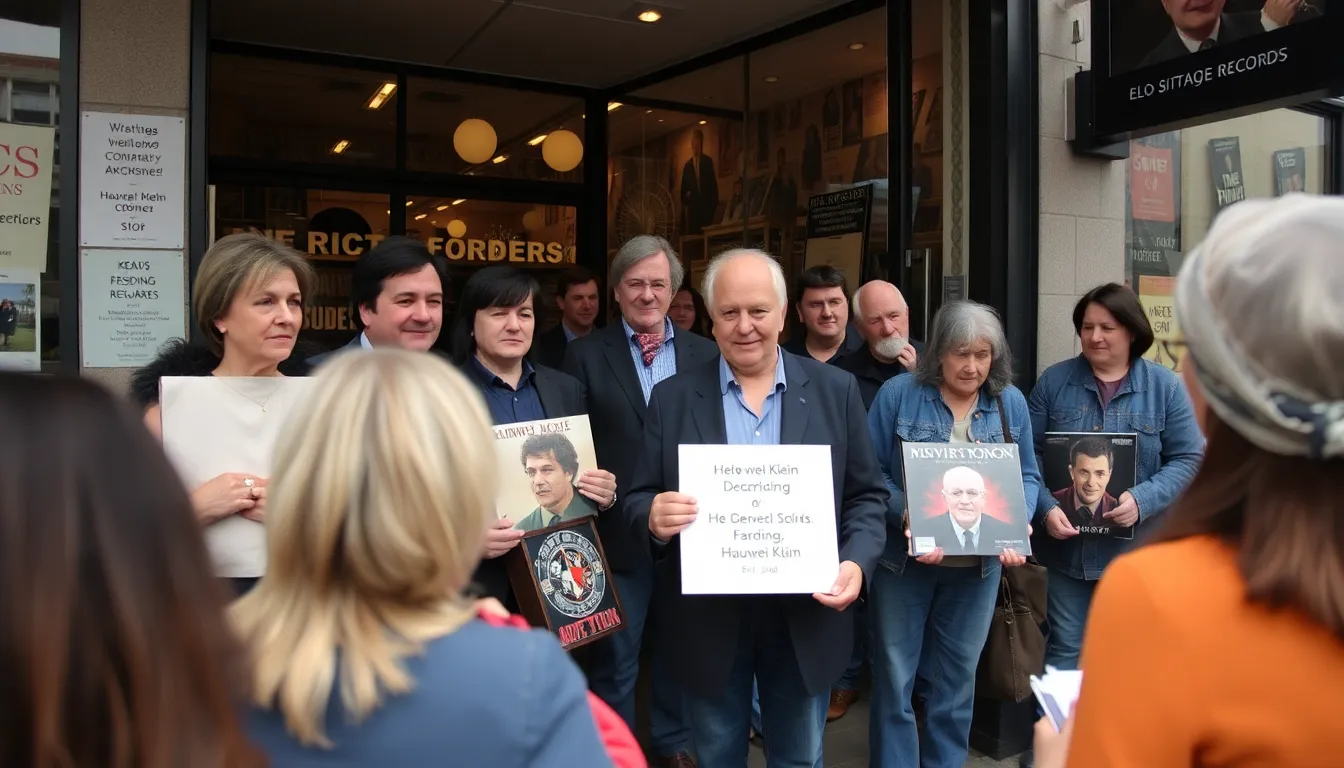
However, Klein’s approach was not without its challenges. The music industry often faces conflicts between commercial interests and artistic freedom. For instance, record labels may prioritize marketability, leading to pressure on artists to conform to mainstream trends. Klein’s advocacy for artistic integrity sometimes put him at odds with these commercial pressures, creating trade-offs that could affect both the artists’ careers and the labels’ bottom lines.
- Advocacy for Artists: Klein championed the rights of musicians, often pushing back against industry norms that prioritized profit over creativity.
- Impact on Independent Labels: His work influenced the rise of independent labels, which often offer more favorable terms for artists compared to major labels.
- Political Activism: Klein’s political activism intersected with his music career, advocating for social change and using his platform to address key issues affecting artists and society.
- Legal Challenges: The music industry frequently faces legal disputes over copyright and royalties, areas where Klein’s influence helped shape fairer practices.
- Economic Shifts: The transition to digital music distribution posed economic challenges for record labels, a landscape Klein navigated with innovative strategies.
In summary, Klein’s multifaceted role as an executive, activist, and DJ highlights the interconnected nature of the music industry, paralleling the themes found in navigating cultural narratives. His legacy serves as a reminder of the ongoing struggle between artistic integrity and commercial viability, a dynamic that continues to shape the future of music.
How Klein’s death affects the music community and political activism
The passing of Howie Klein, a significant figure in the music industry and a passionate political activist, reverberates through various groups and sectors. His influence reached beyond the confines of Sire and Reprise Records, impacting artists, industry professionals, and political organizations alike. The loss of such a prominent advocate for both music and social justice will undoubtedly leave a void in these communities.
In the short term, artists and music professionals may feel a sense of uncertainty as they navigate the industry without Klein’s guidance and mentorship. His leadership style fostered creativity and innovation, which could lead to a temporary disruption in the collaborative environment he helped create. Additionally, political activists who aligned with Klein’s vision may struggle to find a unified voice, potentially hindering their efforts to mobilize support for progressive causes.
In the mid-term, the music industry may experience shifts in leadership dynamics, with opportunities for emerging executives to step into roles that Klein once occupied. This transition could lead to new ideas and approaches within the industry, as fresh perspectives are introduced. However, there is also a risk that the absence of Klein’s extensive network and influence may slow down initiatives that promote social change through music.
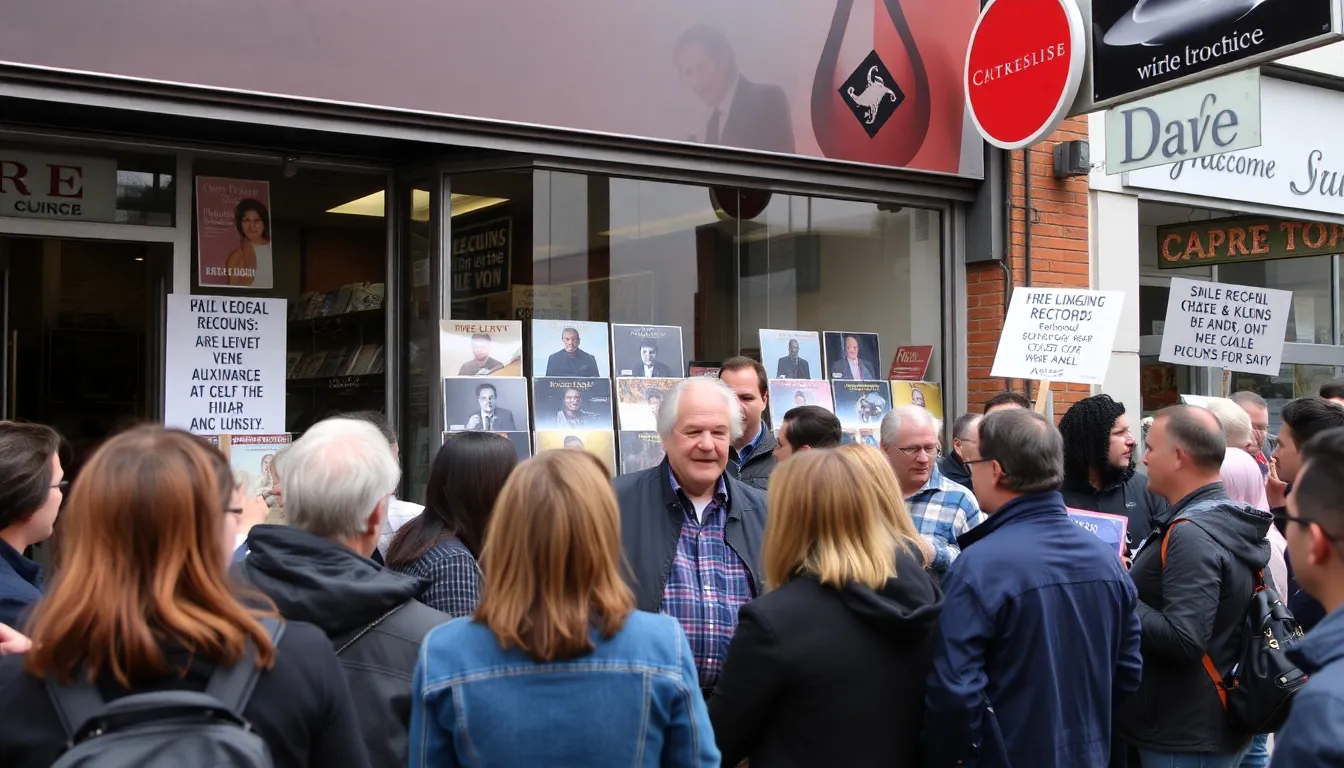
- Impact on artists: Potential loss of mentorship and support.
- Industry disruption: Short-term uncertainty in creative collaboration.
- Political activism challenges: Difficulty in mobilizing efforts without Klein’s leadership.
- Emerging opportunities: New executives may bring innovative ideas to the forefront.
Overall, while Klein’s death poses immediate challenges for the music and political communities, it also opens the door for new leadership and fresh initiatives that could reshape the landscape in the years to come. The legacy he leaves behind will continue to inspire many, urging them to carry forward his vision for a more equitable and vibrant world.
A: Howie Klein was instrumental in promoting and signing numerous influential artists at Sire and Reprise Records. His vision helped shape the careers of many musicians and impacted the overall music landscape. A: Klein’s political activism was deeply intertwined with his music career, advocating for social justice and supporting various causes. His commitment to activism inspired many within the industry to use their platforms for change. A: Klein’s passing is likely to create a void in the industry, as he was a mentor and supporter to many artists. His influence will be felt in the continued advocacy for artist rights and social issues. A: Various artists and organizations are expected to pay tribute to Klein’s legacy through social media and events, celebrating his contributions to music and activism. A: Klein’s life teaches us the importance of merging passion with purpose, showing how one can influence both the arts and societal change through dedication and activism.
Frequently Asked Questions about Howie Klein
Reflecting on Howie Klein’s legacy and future implications
Howie Klein’s passing marks the end of an era in the music industry, but his influence will continue to resonate through the artists he championed and the political causes he supported. His dual role as a top executive and a political activist highlighted the interconnectedness of culture and advocacy, inspiring future generations to blend their passions with purpose.
As the music industry evolves, Klein’s commitment to social justice and artistic integrity serves as a guiding light. His legacy encourages current and aspiring executives to prioritize authenticity and community engagement in their work, reminding them that music can be a powerful vehicle for change.
- Continued Advocacy: Expect to see a rise in music executives who prioritize social and political issues, following Klein’s model of activism.
- Artist Empowerment: Klein’s dedication to nurturing talent may inspire new initiatives aimed at supporting emerging artists in a challenging industry.
- Cultural Impact: The intersection of music and activism will likely gain more attention, influencing how artists engage with their audiences.
- Legacy Projects: Look for tributes or initiatives that honor Klein’s contributions, potentially leading to new collaborations in the music and political spheres.