


Authorities have issued warnings for vulnerable populations, emphasizing the importance of hydration and limiting outdoor activities during peak hours, especially in light of recent findings on health risks associated with extreme temperatures.
Farmers, who traditionally rely on the cooler hours of the day for planting and harvesting, are facing crop failures and declining yields. The agricultural sector, which employs a significant portion of the population, is experiencing economic strain, raising concerns over food security and livelihoods.
In urban areas, the heat has led to increased energy consumption as air conditioning units work overtime to provide relief. This surge in demand has strained local power grids, resulting in frequent outages and highlighting the need for improved infrastructure to cope with climate extremes.

The urgency for adaptive measures and long-term solutions has never been more critical, similar to the considerations for public health in facing rising temperatures.
Understanding the climate crisis in the hottest regions
The phenomenon of extreme heat in regions like Phalodi, India, where temperatures can soar to 47°C, is not merely a statistical anomaly but a reflection of broader climatic changes driven by human activity. Historically, India has faced seasonal variations in temperature, but the increasing frequency and intensity of heatwaves over the past few decades signal a deeper, systemic issue related to climate change. This shift is largely attributed to industrialization, deforestation, and the burning of fossil fuels, which have exacerbated greenhouse gas emissions and disrupted local climates.
Politically, the response to climate change in India has been characterized by a mix of ambition and inertia. While the Indian government has made commitments to reduce carbon emissions and invest in renewable energy, the rapid pace of urbanization and economic development often takes precedence over environmental considerations. This has led to a situation where immediate economic needs overshadow long-term sustainability, leaving vulnerable populations in the hottest regions to bear the brunt of extreme weather events without adequate support or infrastructure.
Economically, the impact of rising temperatures extends beyond discomfort; it poses significant risks to agriculture, water supply, and public health. Regions that rely heavily on agriculture are particularly susceptible, as prolonged heat can lead to crop failures and food insecurity. The economic ramifications are profound, as rural communities face dwindling harvests, while urban areas grapple with increased energy demands for cooling, further straining resources and infrastructure.

Key milestones in climate awareness
Over the years, several key milestones have marked the evolution of climate awareness in India. The 2008 National Action Plan on Climate Change was a pivotal moment, recognizing the need for a structured approach to combat climate change. More recently, the 2015 Paris Agreement saw India commit to reducing its carbon footprint while still pursuing economic growth. However, as temperatures continue to rise, the urgency for action has never been greater, prompting calls for more immediate and effective measures to address the ongoing climate crisis.
Examining the implications for residents and local economies
The unprecedented rise in temperatures in the hottest place in India has significant implications for various stakeholders. Residents, local businesses, government agencies, and environmental organizations are all affected, each with distinct interests and concerns. Understanding these dynamics is crucial for grasping the broader impact of climate change on daily life and economic stability in the region.
For residents, the immediate concern is the health risks associated with extreme heat. Prolonged exposure to temperatures exceeding 47°C can lead to heat-related illnesses and exacerbate existing health conditions. Moreover, the changing climate disrupts daily routines, blurring the lines between morning and night as the heat persists throughout the day. This alteration in lifestyle presents unique challenges for families, particularly those with children and the elderly.
This situation leads to economic trade-offs, as individuals must choose between investing in heat-resistant crops or seeking alternative livelihoods that can withstand climate extremes.

- Health Risks: Increased incidence of heat-related illnesses among residents.
- Agricultural Challenges: Difficulty in sustaining crops and livestock due to extreme heat.
- Economic Trade-offs: Decisions between investing in climate adaptation or changing livelihoods.
- Tourism Decline: Reduced visitor numbers affecting local businesses and services.
- Government Response: Need for effective policies to address climate adaptation and public health.
Government agencies are tasked with the responsibility of implementing policies that address these issues. However, there is often a conflict between immediate economic interests and long-term sustainability goals. Legal frameworks may need to evolve to support new agricultural practices and ensure public health measures are in place. Additionally, environmental organizations advocate for stronger climate action, seeking to balance economic growth with ecological preservation.
How rising temperatures affect health and productivity
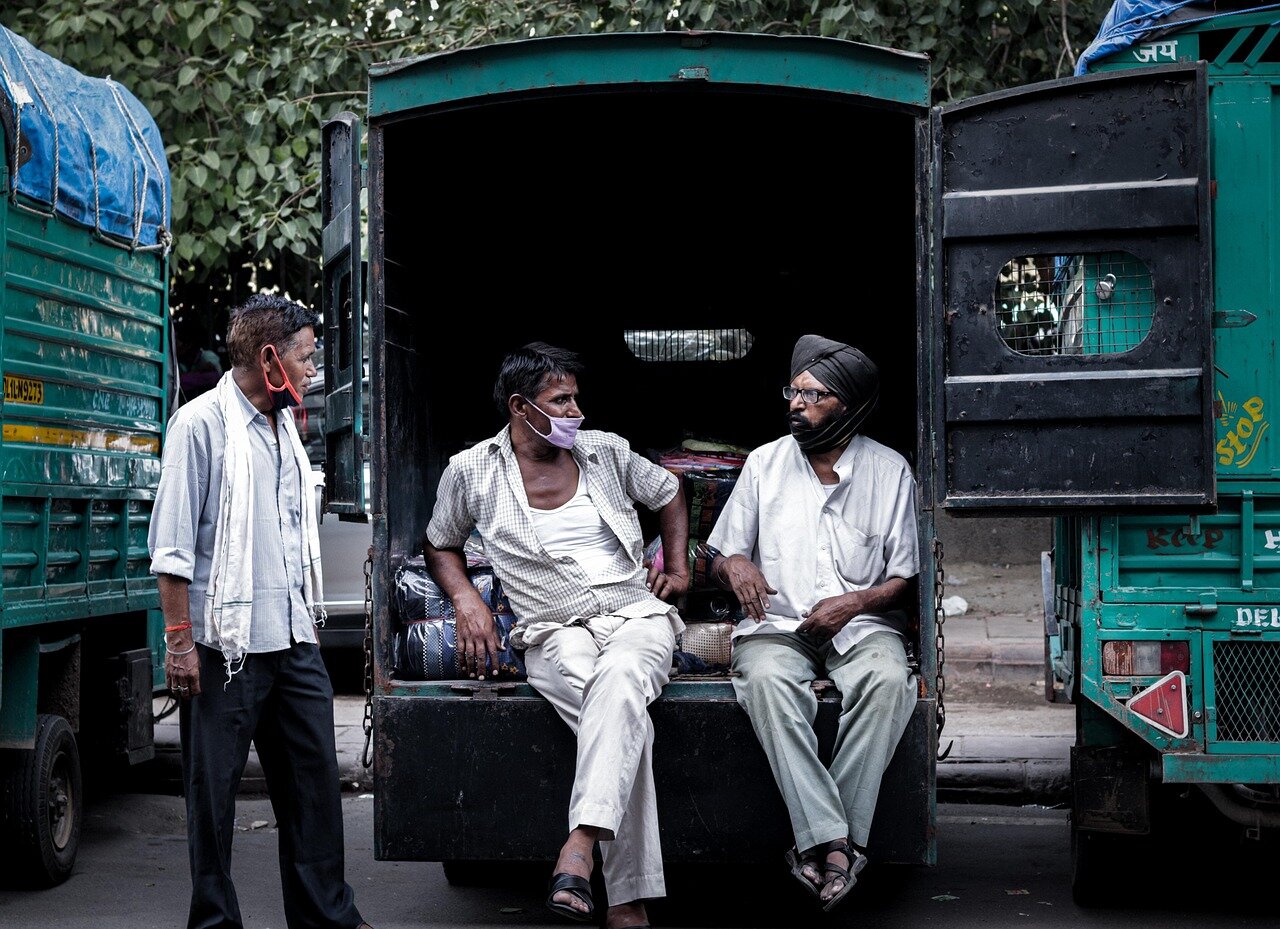
The extreme heat in regions like Rajasthan, India, where temperatures can soar to 47°C, profoundly impacts various groups, industries, and the overall population. Vulnerable populations, including the elderly, children, and outdoor laborers, face heightened health risks such as heat exhaustion and dehydration. The agricultural sector, which is heavily reliant on predictable weather patterns, also suffers as crops become less viable in extreme heat, affecting food security and farmer livelihoods.
In the short term, daily life is disrupted as people adapt to the extreme conditions. Work hours may shift to early mornings or late evenings to avoid the harsh midday sun, impacting productivity across sectors such as construction and agriculture. Schools may also adjust schedules, leading to a ripple effect on family routines and economic activities. The increased heat can lead to a spike in health-related issues, placing additional strain on healthcare systems.
Mid-term impacts could include changes in local and national policies as governments respond to the growing crisis. There may be increased investments in cooling infrastructure, such as public air conditioning systems and heat-resilient buildings. Additionally, industries may need to innovate and adapt their practices to maintain productivity, potentially leading to new technologies and job opportunities in the green and renewable energy sectors.
- Health risks: Increased incidence of heat-related illnesses.
- Economic shifts: Changes in work hours and productivity loss.
- Policy changes: New regulations and investments in climate resilience.
- Innovation opportunities: Development of heat-resistant crops and cooling technologies.
While the risks are significant, there are also potential opportunities for businesses to pivot towards sustainable practices. Companies that invest in energy-efficient technologies or provide solutions to mitigate heat effects may find new markets and revenue streams. The urgency of the situation can drive innovation and collaboration across sectors, fostering a more resilient economy in the face of climate challenges.
A: The primary causes include climate change, urbanization, and deforestation, which exacerbate heat conditions in already vulnerable areas. A: Residents often struggle with disrupted sleep patterns, decreased productivity, and increased health risks such as heatstroke and dehydration. A: Local governments are implementing heat action plans, promoting awareness, and providing resources for vulnerable populations. A: Long-term solutions include sustainable urban planning, increased green spaces, and investment in renewable energy to reduce heat emissions. A: Current temperatures are significantly higher than historical averages, indicating a troubling trend linked to climate change.
Frequently asked questions about extreme heat
Key takeaways and future outlook on heat challenges
The extreme temperatures recorded in India, particularly in regions experiencing 47°C heat, signify a critical shift in climate patterns that could redefine daily life. As mornings and nights blend into a continuous stretch of heat, the impacts extend beyond discomfort, influencing health, agriculture, and urban planning. Understanding these changes is essential for adapting to a future where such temperatures may become the norm.
Monitoring these developments will be crucial for policymakers, businesses, and communities. Proactive measures will be necessary to mitigate the effects of rising temperatures on public health and food security, as well as to rethink infrastructure to accommodate a hotter climate.
- Invest in heat-resilient infrastructure to ensure public safety and comfort.
- Enhance public health initiatives to address heat-related illnesses, particularly among vulnerable populations.
- Promote agricultural practices that are adaptable to extreme heat conditions to secure food supply.
- Encourage community awareness programs that educate residents on coping strategies during heatwaves.
- Support research into climate adaptation technologies that can help manage the impacts of rising temperatures.