


Hospital administrators have reported that the strike has resulted in the cancellation of thousands of elective surgeries and routine check-ups, impacting patient care and delaying critical medical services. As discussed in a recent article on corridor care in NHS, many hospitals are operating with reduced staff, which has strained resources and increased wait times for emergency services.
The situation is further complicated by the ongoing flu season, which typically sees a surge in patient numbers. With fewer healthcare workers available, hospitals are facing unprecedented challenges in managing both routine and urgent care needs, raising concerns about patient safety and health outcomes.
Negotiations between the unions and hospital management are ongoing, but no agreement has been reached as of now. Both sides remain at an impasse, with union leaders emphasizing the necessity of fair compensation while hospital officials warn that prolonged strikes could jeopardize the overall healthcare system.

Background on the reasons behind the hospital strike
The current hospital strike is rooted in a complex interplay of historical, political, and economic factors that have evolved over the past several decades. The healthcare system has faced increasing pressures due to budget cuts, rising operational costs, and a growing demand for services. These challenges have often led to tensions between healthcare workers and hospital administrations, culminating in strikes as a form of protest against inadequate working conditions and compensation.
Historically, labor strikes in the healthcare sector are not new. The 1980s and 1990s saw significant labor movements advocating for better wages and working conditions. However, recent years have witnessed an escalation in these conflicts, especially as the COVID-19 pandemic highlighted the vulnerabilities within the healthcare system. Frontline workers have become increasingly vocal about their grievances, leading to a series of strikes across various regions, reminding us of historic struggles for basic rights.
The Economic Impact of Healthcare Funding Cuts
Economic factors play a pivotal role in the current strike. Many hospitals have faced funding cuts from governmental sources, which have forced them to make difficult decisions regarding staffing and resources. As a result, healthcare professionals have found themselves overworked and underpaid, prompting calls for fair compensation and improved working conditions. The ongoing inflationary pressures have further exacerbated these issues, making it increasingly difficult for healthcare workers to sustain their livelihoods.
In addition to economic challenges, political decisions regarding healthcare policies have also influenced the current situation. Legislative changes aimed at reducing healthcare spending have often overlooked the needs of healthcare workers, leading to widespread dissatisfaction. As negotiations between unions and hospital administrations continue, the lack of meaningful dialogue has left many workers feeling undervalued and compelled to take action.

As the strike unfolds, it serves as a critical reminder of the ongoing struggles within the healthcare sector. The cancellations and disruptions resulting from the strike underscore the urgent need for systemic reform to address the underlying issues that have led to this situation. The impact on patients and the healthcare system as a whole highlights the interconnectedness of labor rights and public health, making it a pressing concern for all stakeholders involved.
Key stakeholders and issues surrounding the strike
The ongoing hospital strike has brought to light various stakeholders, each with distinct interests and concerns. The primary actors include healthcare workers, hospital management, government representatives, and patients. Understanding their roles and the conflicts arising from this situation is crucial for grasping the broader implications of the strike.
Healthcare workers, including nurses and doctors, are at the forefront of the strike, advocating for better working conditions, fair wages, and adequate staffing levels. Their primary interest lies in ensuring that they can provide quality care without being overburdened. Conversely, hospital management is focused on maintaining operational efficiency and controlling costs, which often leads to tensions with the striking workers.
Government representatives also play a significant role, as they may be called upon to mediate the dispute or implement policies that address the underlying issues. Their interests often align with public health objectives, ensuring that healthcare services remain accessible to the population. However, they also face the challenge of balancing budget constraints and public expectations, similar to the dilemmas faced by those navigating conflict in challenging situations.
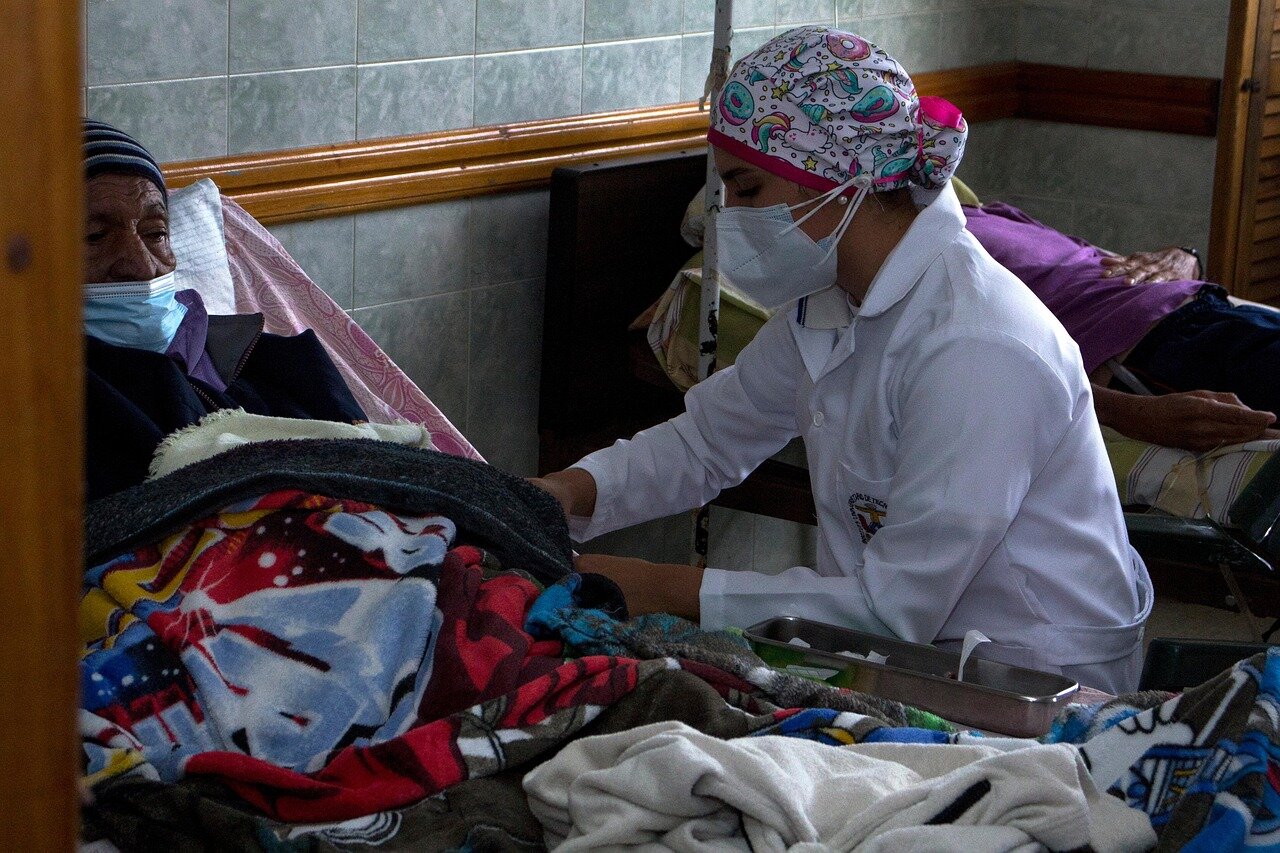
Patients are perhaps the most affected group, as the strike leads to unavoidable cancellations of elective surgeries and other medical services. This situation raises ethical concerns regarding patient care and access to necessary treatments. The conflict between the rights of workers to strike and the rights of patients to receive care creates a complex legal and moral landscape.
- Healthcare workers’ demands: Better wages, improved working conditions, and adequate staffing.
- Hospital management’s concerns: Operational efficiency and cost control amidst rising healthcare demands.
- Government’s role: Mediation and policy implementation to address healthcare challenges.
- Patient impact: Cancellations of surgeries and potential delays in receiving care.
- Legal and ethical issues: Balancing workers’ rights with patient care rights.
The impact of cancellations on patients and healthcare services
The ongoing hospital strike has led to widespread cancellations of non-urgent procedures, impacting various groups within the healthcare system. Patients requiring routine surgeries, diagnostic tests, and follow-up appointments are among the most affected. Additionally, healthcare workers, including nurses and support staff, face job insecurity and increased workloads, further straining the system.
Regions with a higher concentration of healthcare facilities are experiencing significant disruptions. Urban centers may see more immediate effects due to their reliance on hospitals for specialized care, while rural areas may face longer travel times for available services. This disparity in access can exacerbate health inequalities, particularly for vulnerable populations.

In the short term, patients may experience delays in receiving essential care, leading to a potential deterioration in health outcomes. Businesses reliant on a healthy workforce, such as local gyms and wellness centers, may also feel the ripple effects of a less healthy community. In the mid-term, healthcare policies may shift as stakeholders push for reforms to address the underlying issues causing the strike.
- Increased wait times for medical procedures.
- Potential rise in emergency room visits due to untreated conditions.
- Heightened public awareness of healthcare worker conditions.
- Opportunities for telehealth services to expand.
While the immediate impacts are largely negative, there are potential opportunities for systemic change. The strike may prompt discussions about better working conditions for healthcare staff, leading to improved recruitment and retention strategies. Furthermore, the crisis may accelerate the adoption of technology in healthcare, offering long-term benefits if managed effectively.
A: Many elective surgeries, routine check-ups, and outpatient services are being cancelled, leading to delays in patient care. A: The duration of the strike is uncertain and depends on negotiations between hospital management and the striking staff. A: The staff are demanding better pay, improved working conditions, and increased staffing levels to ensure patient safety. A: Hospitals are prioritizing emergency services and are working with reduced staff, leading to longer wait times for patients. A: Yes, there may be legal challenges regarding the strike, especially if it violates any existing labor agreements.
Frequently asked questions about the hospital strike
Outlook and key points regarding the ongoing strike
The ongoing hospital strike has resulted in significant disruptions, with patient cancellations becoming a stark reality for many healthcare facilities. As negotiations continue, it is crucial to understand the broader implications of this labor action, particularly for patients, healthcare providers, and the overall healthcare system. The strike not only highlights the challenges faced by healthcare workers but also raises questions about the sustainability of patient care during prolonged labor disputes.
As stakeholders navigate this complex situation, several scenarios may unfold that could impact the future of healthcare delivery. Monitoring these developments will be essential for anticipating potential changes in patient care and hospital operations.
- Patient Impact: Many patients may experience delays in necessary treatments, leading to worsened health outcomes if the strike continues.
- Negotiation Dynamics: The outcome of negotiations could set a precedent for future labor disputes within the healthcare sector.
- Public Response: Increased public awareness and support for healthcare workers may influence the speed and terms of negotiations.
- Operational Adjustments: Hospitals may need to develop contingency plans to manage patient care during ongoing disruptions.
- Long-term Changes: This strike may prompt systemic changes in how healthcare institutions address worker grievances and patient care protocols.