


Investments in stadium upgrades and transportation improvements are essential to accommodate the influx of tourists and ensure a memorable experience for both visitors and locals. For more on the economic implications, check out the article on brands banned from the World Cup.
The excitement surrounding the tournament has led to increased engagement in local leagues and youth programs, fostering a sense of community and inspiring the next generation of players. Indeed, this national passion can be compared to the major changes in A&E services during ongoing strikes, where unity plays a critical role.
In addition to the sporting aspects, the event presents an opportunity for Mexico to showcase its rich culture and hospitality on a global stage. With a diverse array of cultural activities planned alongside the matches, the World Cup is poised to leave a lasting impact beyond just football. As the countdown continues, the spirit of optimism and anticipation grows stronger, making this a pivotal moment for the nation.
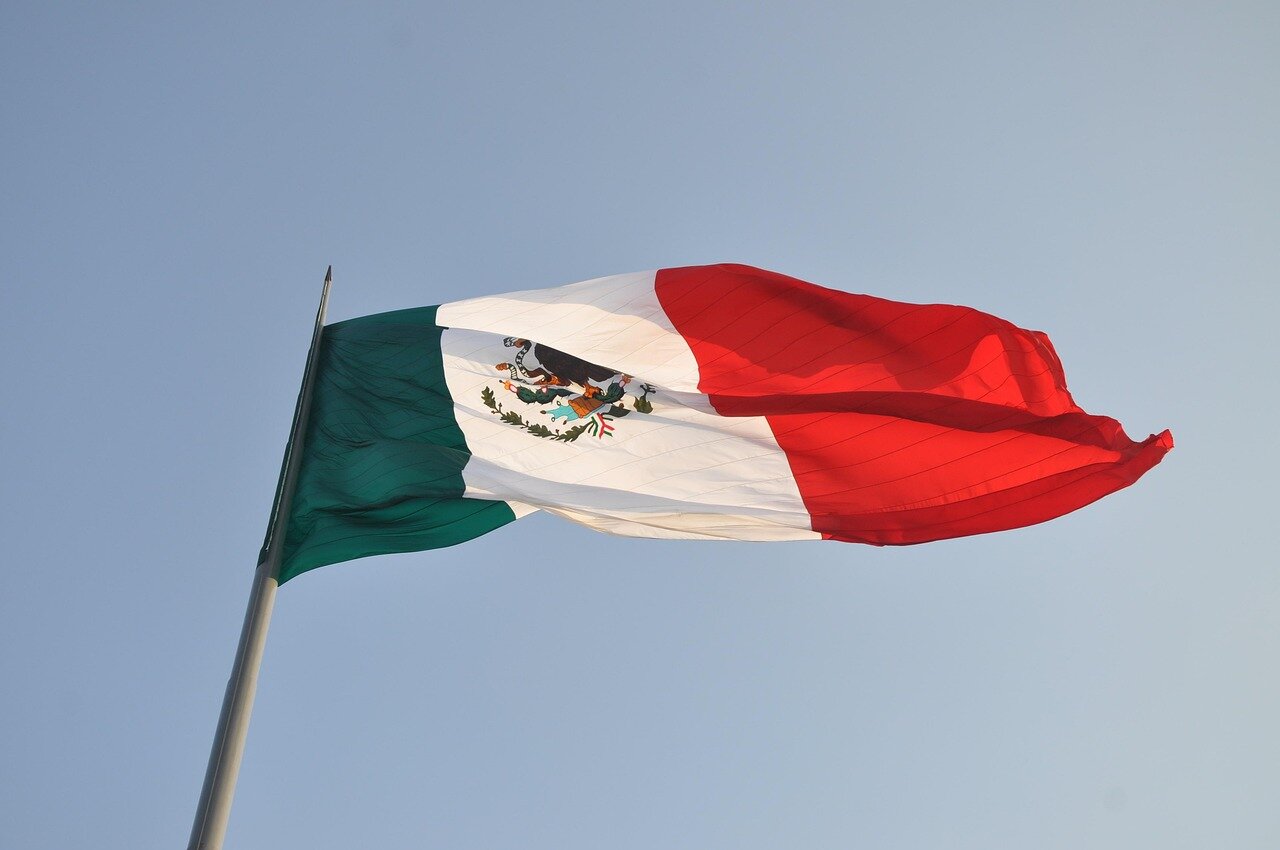
Understanding Mexico’s historical relationship with football and the World Cup
Football has long been a significant part of Mexico’s cultural identity, transcending mere sport to become a source of national pride and unity. The sport was introduced to Mexico in the late 19th century by British immigrants, quickly gaining popularity among the local population. By the early 20th century, football clubs began to emerge, and the establishment of the Mexican Football Federation in 1927 marked the formal organization of the sport in the country.
Mexico’s relationship with the FIFA World Cup began in 1930, when the nation participated in the inaugural tournament held in Uruguay. Although Mexico did not advance past the group stage, this participation laid the groundwork for a deep-rooted passion for the World Cup. The 1970 and 1986 tournaments, both hosted by Mexico, became pivotal moments in the country’s football history, showcasing the nation’s ability to organize large-scale international events and solidifying its status as a footballing nation.
The socio-political impact of football in Mexico
Football in Mexico has often mirrored the country’s socio-political landscape. The sport has served as a platform for social change, reflecting issues such as class disparity and national identity. During times of political unrest, football matches have provided a sense of escapism and hope for many Mexicans. The national team’s performances in the World Cup have historically united citizens, fostering a shared sense of hope and resilience, particularly during challenging economic periods.
As the nation prepares for the upcoming World Cup, the historical significance of football in Mexico serves as a reminder of the sport’s potential to inspire and unite the population. This spirit of unity is something shared across many events, similar to South Korea’s recent investment plan which aims to galvanize national pride.

Key stakeholders and their roles in shaping the World Cup experience
The upcoming World Cup in Mexico has generated significant interest from various stakeholders, each with their own motivations and concerns. These stakeholders include local government authorities, sports organizations, businesses, and the general public. Understanding their roles and interests is crucial for comprehending the broader implications of the event.
Local government authorities are primarily focused on the economic benefits that the World Cup can bring. They aim to enhance infrastructure, promote tourism, and create job opportunities. However, there are concerns about the sustainability of these investments and whether the benefits will be equitably distributed among the population.
International sports organizations, particularly FIFA, play a pivotal role in the event’s organization. Their interests lie in maximizing revenue through broadcasting rights, sponsorships, and ticket sales. This financial focus can sometimes lead to conflicts with local stakeholders, especially when it comes to prioritizing profit over community needs and welfare.
- Economic Development: The potential for increased tourism and investment in local businesses.
- Infrastructure Challenges: The need for improved transportation and facilities, which may affect local communities.
- Social Issues: The risk of displacement and gentrification as areas are redeveloped for the event.
- Public Sentiment: The general populace’s hopes for national pride versus concerns about costs and logistics.
Businesses, particularly those in the hospitality and retail sectors, are also key players. They stand to gain from the influx of visitors, but they may face challenges such as rising costs and competition for resources. Additionally, the balance between meeting the demands of tourists and serving local residents is a delicate one that needs careful management.
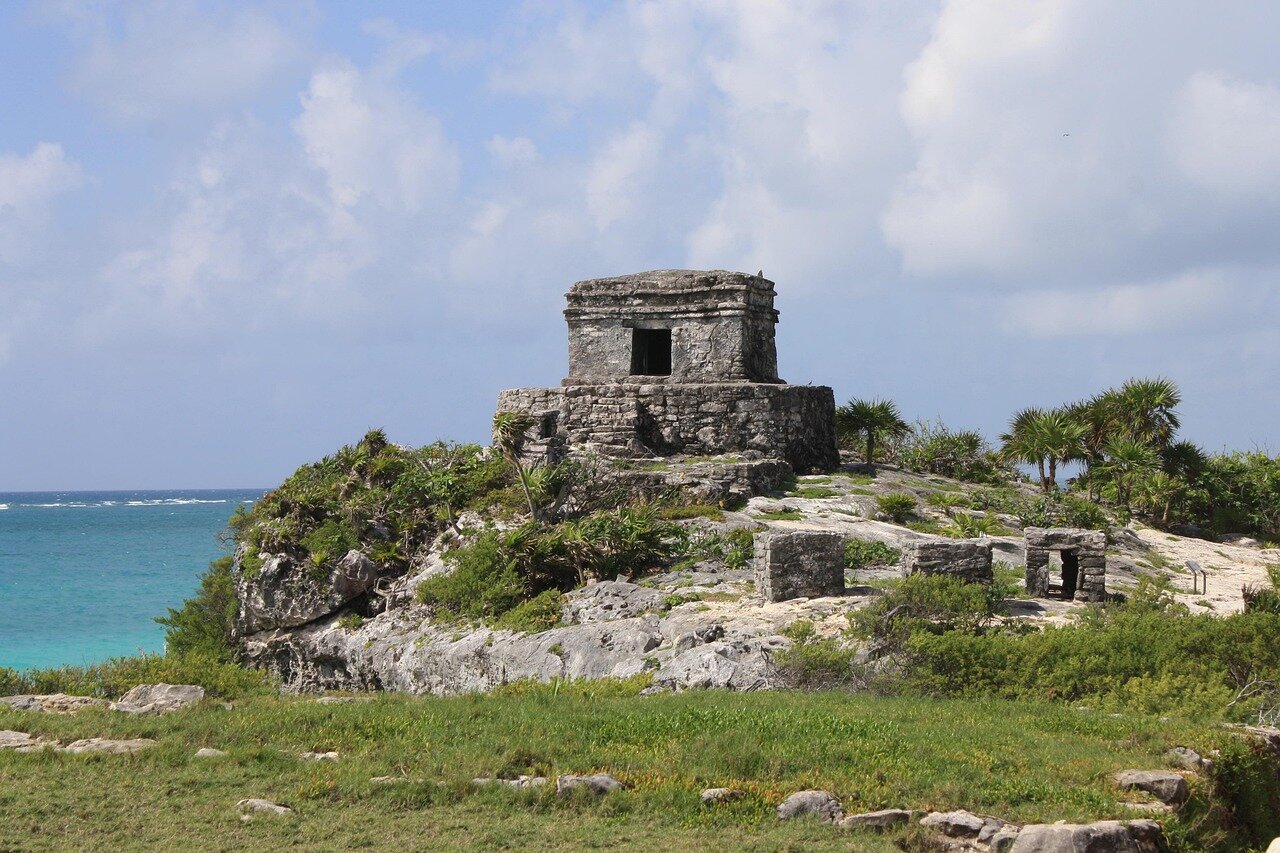
How the World Cup is expected to impact Mexican society and economy
The upcoming World Cup is set to have a profound impact on various groups and sectors within Mexico. From local businesses to the tourism industry, the event is anticipated to bring both challenges and opportunities. The excitement surrounding the tournament could uplift the spirits of the population, fostering a sense of national pride and unity.
Regions with a strong football culture, such as Mexico City, Guadalajara, and Monterrey, will likely experience a surge in economic activity. Local restaurants, bars, and hotels are expected to benefit from increased foot traffic as fans gather to watch matches. Additionally, the hospitality sector may see a boost in bookings, creating temporary jobs and stimulating local economies.
However, there are risks associated with the influx of visitors. Infrastructure strain, particularly in transportation and public services, could lead to challenges in managing large crowds. Moreover, the event may exacerbate existing social issues, such as crime or inequality, if not properly addressed by local authorities.
- Short-term opportunities: Increased sales for local businesses and enhanced tourism revenue.
- Mid-term impacts: Potential improvements in infrastructure and public services, driven by demand.
- Risks: Strain on resources and potential social unrest if issues are not managed effectively.
Overall, while the World Cup presents significant opportunities for economic growth and social cohesion, it is crucial for stakeholders to remain vigilant about the associated risks, ensuring that the benefits are maximized for all segments of society.
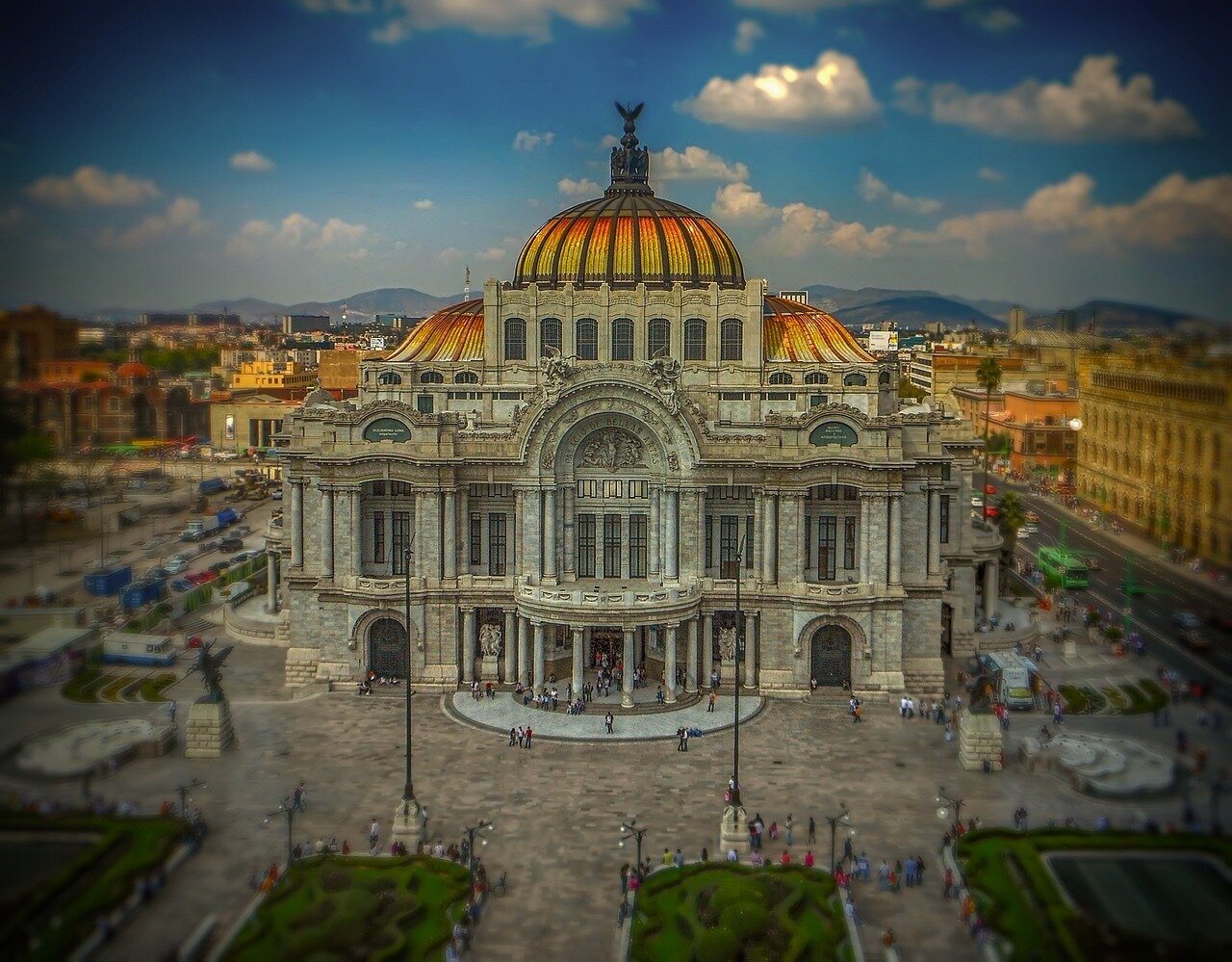
A: The World Cup represents a chance for national pride and unity, bringing people together to celebrate their love for football. It also serves as an opportunity to showcase Mexico’s culture on a global stage. A: The influx of tourists and global attention can boost local businesses and create jobs. Additionally, infrastructure improvements made for the event can have long-term economic benefits. A: Mexico must address issues such as security, infrastructure readiness, and ensuring a positive experience for visitors. These challenges require careful planning and collaboration among various stakeholders. A: Fans can participate by attending matches, engaging in local events, and supporting their teams through social media. Community celebrations and viewing parties are also great ways to join in the excitement.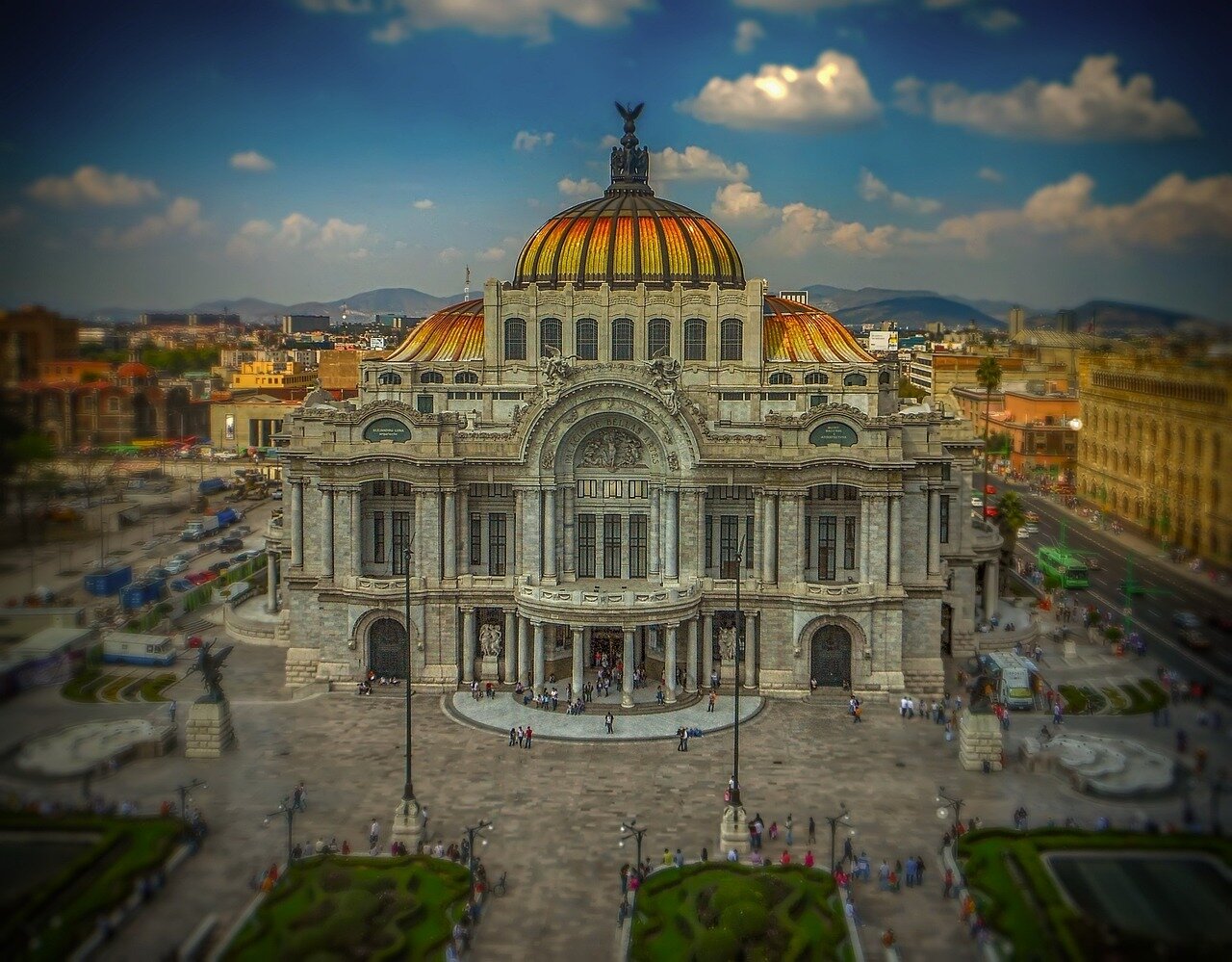
Frequently asked questions about the World Cup and its significance for Mexico
Looking ahead: The potential legacy of the World Cup in Mexico
The recent World Cup has ignited a renewed sense of hope and unity across Mexico, showcasing the country’s resilience and passion for football. As the nation reflects on the tournament, it becomes clear that the impact extends beyond the pitch, influencing social, economic, and cultural spheres. The excitement generated by the games has the potential to foster long-term benefits that could reshape the Mexican landscape.
In the coming years, it will be crucial to monitor how this newfound optimism translates into tangible outcomes. The synergy between the government, private sector, and local communities will play a pivotal role in ensuring that the momentum created during the World Cup is harnessed effectively. Observing these developments will provide valuable insights into Mexico’s trajectory moving forward.
- Community Engagement: Continued investment in grassroots football programs can strengthen community ties and promote youth participation in sports.
- Economic Opportunities: The influx of tourism during the World Cup may lead to sustained economic growth, particularly in hospitality and infrastructure sectors.
- Cultural Exchange: The event has opened doors for cultural diplomacy, potentially enhancing Mexico’s global image and fostering international relationships.
- Social Cohesion: The tournament has the potential to unite diverse populations within Mexico, encouraging dialogue and collaboration across different communities.