


According to a report from the Anti-Defamation League (ADL) published in 2022, nearly 50% of gamers reported encountering extremist content while playing online. This alarming statistic highlights the pervasive nature of hate speech and recruitment tactics within gaming communities. Games such as “Fortnite” and “Call of Duty” have been identified as common venues for these groups to engage with potential recruits.
In response to this growing issue, various gaming companies and platforms have begun implementing stricter moderation policies and reporting mechanisms. For instance, in 2023, a major gaming platform announced new guidelines aimed at curbing hate speech and promoting inclusivity. However, critics argue that these measures are often insufficient and that more proactive steps are needed to protect young players from radicalization.
The rise of hate group recruitment in online gaming is not only a concern for individual players but also poses broader societal implications. As these groups gain traction among youth, the potential for increased polarization and violence becomes a pressing issue. Understanding the dynamics of this recruitment strategy is crucial for developing effective countermeasures and fostering safer online environments for gamers of all ages.

The historical context of online gaming and extremist ideologies
Online gaming has evolved significantly since its inception in the late 20th century, transitioning from simple text-based games to complex, immersive worlds that attract millions of players worldwide. This rapid growth has created a fertile ground for various communities to form, including those that harbor extremist ideologies. The anonymity and global reach of online platforms have made them appealing venues for hate groups seeking to recruit and radicalize young individuals, similar to the challenges discussed in recent business trends.
In the early 2000s, the rise of multiplayer online games introduced social interaction on an unprecedented scale. Players from diverse backgrounds could connect, collaborate, and compete. However, this same feature has also allowed extremist groups to exploit the platforms, using chat functions and forums to spread their ideologies. The recruitment strategies employed by these groups have become increasingly sophisticated, often targeting vulnerable youth who may feel isolated or disenfranchised.
The evolution of recruitment tactics
Historically, recruitment by hate groups relied heavily on physical presence and face-to-face interactions. However, the advent of the internet and online gaming has transformed these tactics. Groups such as the alt-right and neo-Nazis have adapted their messaging to fit the digital landscape, utilizing memes, gaming culture references, and in-game events to engage potential recruits. This shift has made it easier for them to reach a broader audience, particularly younger individuals who are more immersed in the gaming culture.
Key milestones in this evolution include the emergence of platforms like Discord and Twitch, which have become popular among gamers and have also been co-opted by extremist groups. These platforms allow for real-time communication and community building, making it easier for hate groups to foster a sense of belonging among potential recruits. As a result, the intersection of online gaming and extremist ideologies has become a pressing concern for parents, educators, and policymakers alike.

Examining the tactics used by hate groups in gaming communities
The rise of online gaming has created a unique environment where individuals can connect and interact across geographical boundaries. Unfortunately, this space has also become a breeding ground for hate groups seeking to recruit young individuals. These groups exploit the anonymity and accessibility of gaming platforms to spread their ideologies and recruit new members.
Key actors in this scenario include hate groups, gaming companies, parents, and law enforcement agencies. Hate groups are primarily interested in expanding their reach and influence among vulnerable youth. Gaming companies, on the other hand, aim to maintain a safe and inclusive environment for their users while also protecting their brand reputation. Parents are concerned about the safety of their children in online spaces, while law enforcement agencies are tasked with monitoring and mitigating the influence of extremist ideologies.
Conflicts arise as gaming companies balance the need for user freedom with the responsibility to monitor and regulate content. Many companies have implemented reporting systems and community guidelines to combat hate speech, yet these measures can sometimes infringe on free expression, leading to debates about censorship. Furthermore, the economic interests of gaming companies may conflict with the ethical imperative to create a safe space, as aggressive moderation could deter users.
- Hate groups utilize in-game chat features to disseminate propaganda and recruit players.
- Gaming platforms face challenges in effectively moderating content without overstepping user rights.
- Parents often lack awareness of the potential dangers present in online gaming communities.
- Law enforcement agencies are increasingly focusing on online radicalization as a pressing issue.
- Legal frameworks surrounding online hate speech vary significantly across different jurisdictions.
As these dynamics unfold, it becomes crucial for all stakeholders to engage in dialogue and develop strategies that address the recruitment tactics of hate groups while fostering a positive gaming environment. This multifaceted challenge requires collaboration among gaming companies, parents, and authorities to protect vulnerable youth from extremist influences, paralleling the need for understanding effective health measures in other areas.
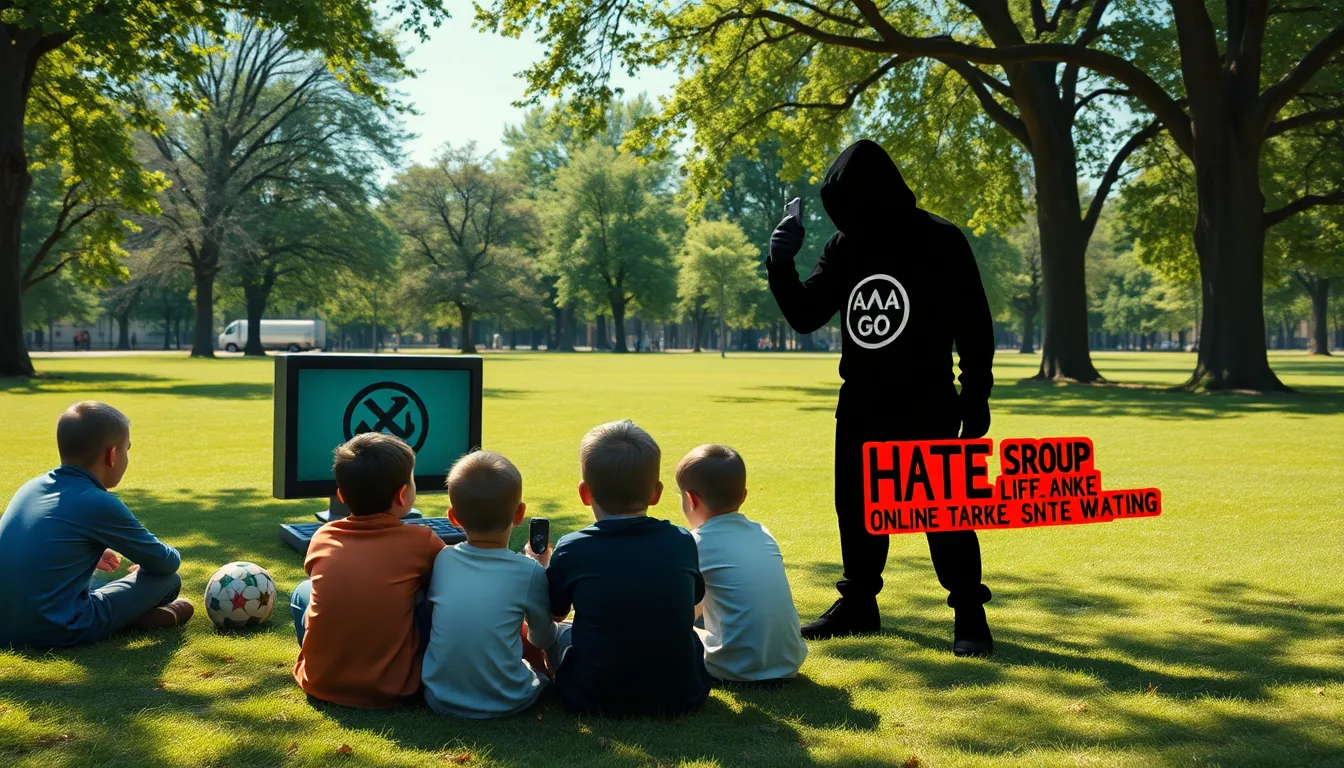
The effects of online recruitment on youth and society
The rise of online gaming has created a new frontier for hate groups seeking to recruit young individuals. These groups often target vulnerable youth who may feel isolated or disenfranchised. The impact of this recruitment strategy extends beyond individual gamers, affecting families, communities, and society at large.
Industries related to gaming, education, and mental health are particularly affected. Game developers and platforms face pressure to implement stricter moderation policies to prevent hate speech and recruitment tactics within their environments. Schools and parents also bear the responsibility of educating children about the dangers of online interactions, which can lead to increased demand for resources and training.
The short-term impacts include an increase in exposure to extremist ideologies among youth, leading to potential radicalization. This can disrupt daily life, as children may become more withdrawn or exhibit aggressive behaviors influenced by their online experiences. In the mid-term, communities may experience heightened tensions as young recruits bring extremist views into social settings, affecting peer relationships and community cohesion.
- Increased radicalization: Vulnerable youth may adopt extremist beliefs.
- Community tensions: Rising conflicts within neighborhoods and schools.
- Policy changes: Potential for new regulations on online gaming platforms.
While the risks are significant, there are also opportunities for positive change. Increased awareness can lead to collaborative efforts among game developers, educators, and policymakers to create safer online environments for youth. This can foster a culture of inclusivity and resilience against extremist ideologies, ultimately benefiting society as a whole.

Frequently asked questions about hate groups in online gaming
A: Hate groups often target online games where young players gather, using chat features and forums to engage with them. They may exploit shared interests to build rapport and gradually introduce extremist ideologies.
A: Multiplayer online games, particularly those with large communities and social interaction features, are commonly used. Games like first-person shooters and role-playing games provide platforms for hate groups to connect with players.
A: Parents can monitor their children’s gaming activities, encourage open discussions about online interactions, and educate them about the dangers of extremist ideologies. Setting up parental controls can also help manage their exposure.
A: Yes, various organizations and initiatives focus on preventing online radicalization, providing resources for parents and educators to recognize and address these threats effectively.
Key takeaways and future outlook on combating this issue
As the intersection of online gaming and recruitment by hate groups becomes increasingly evident, it is crucial for parents, educators, and policymakers to remain vigilant. Understanding the tactics used by these groups can help in developing strategies to counteract their influence. By fostering awareness and promoting positive online environments, we can mitigate the risks posed to vulnerable youth.
Collaboration between game developers, community leaders, and law enforcement will be essential in creating safer digital spaces. Continuous education on the signs of radicalization and the importance of critical thinking can empower young individuals to resist extremist ideologies.
- Monitor gaming environments: Encourage parents to engage with their children’s gaming experiences and understand the platforms they use.
- Implement educational programs: Schools should incorporate digital literacy and critical thinking into their curricula to help students recognize and reject extremist content.
- Foster community support: Create safe spaces for youth to discuss their online experiences and feelings, reducing isolation and vulnerability to radicalization.
- Encourage reporting mechanisms: Advocate for robust reporting tools within gaming platforms to identify and address hate speech and recruitment efforts swiftly.
- Collaborate with developers: Game companies should take an active role in monitoring content and creating guidelines to prevent the infiltration of hate groups.