


The backdrop of this renewed focus stems from the ongoing war in Ukraine, which has prompted Germany to reassess its defense and energy policies. Scholz’s government has sought to align closely with American strategies, particularly in terms of military support for Ukraine and efforts to reduce dependency on Russian energy sources. This alignment is crucial as both nations navigate the complexities of a shifting global order, which is detailed in Understanding Global Events and Trends.
Additionally, the economic relationship between Germany and the U.S. is being tested by factors such as inflation and supply chain disruptions. In September 2023, Scholz announced a series of initiatives aimed at bolstering trade and investment ties, emphasizing the importance of American partnerships in fostering innovation and sustainability within Germany’s industrial sector.
As the world faces multifaceted challenges, the Chancellor’s approach reflects a strategic pivot towards the U.S. This is not only about securing immediate economic benefits but also about reinforcing a united front against authoritarianism and promoting democratic values on the global stage.
Examining the Historical Context of Germany’s Foreign Policy
Germany’s foreign policy has undergone significant transformations since the end of World War II. Initially, the country was divided into East and West, with West Germany aligning itself closely with the United States and NATO, while East Germany was under the influence of the Soviet Union. This division set the stage for a complex relationship with the U.S., which was viewed both as a protector and a potential hegemon.
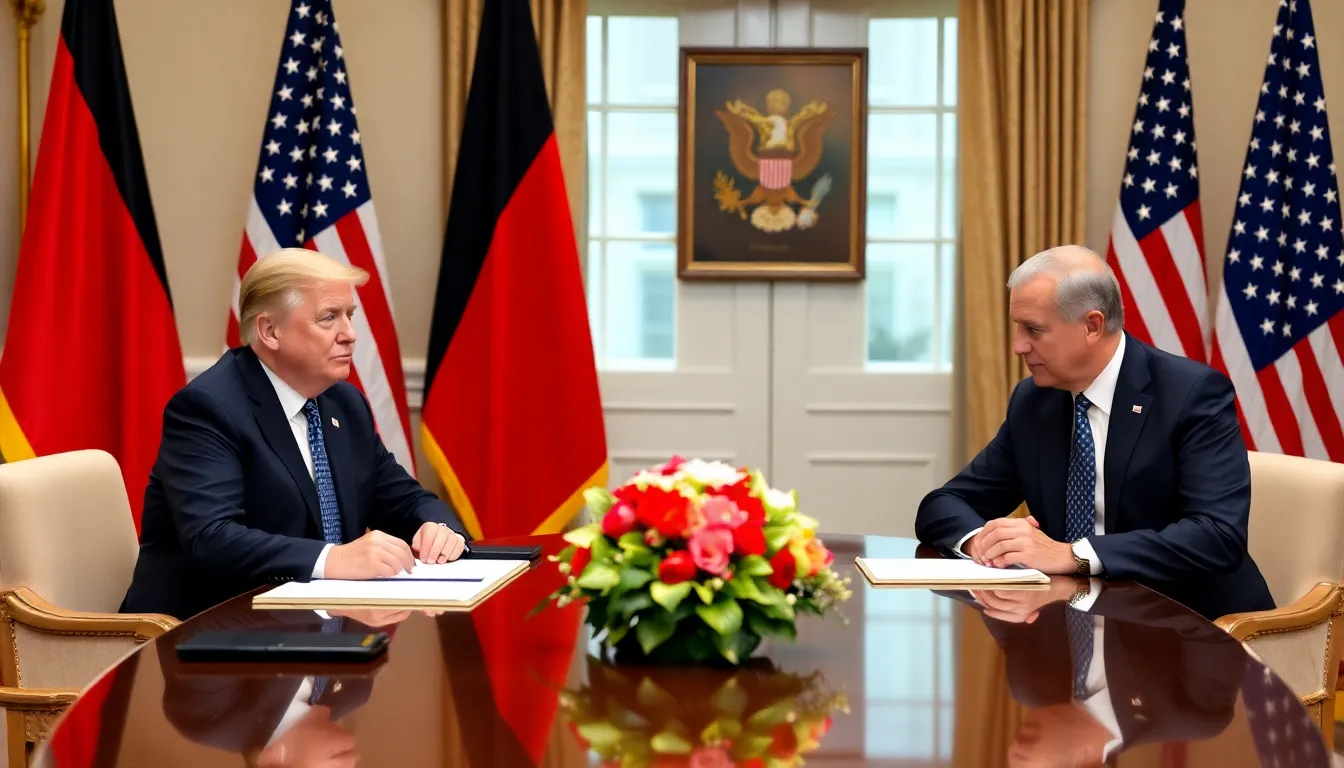
The reunification of Germany in 1990 marked a pivotal moment in its foreign relations, allowing the country to emerge as a key player in European and global politics. As the largest economy in Europe, Germany’s approach to international relations has often been characterized by a commitment to multilateralism and economic diplomacy. However, recent geopolitical shifts, including the rise of China and the resurgence of Russia, have prompted a reevaluation of Germany’s reliance on traditional alliances, particularly with the United States, which may be influencing Businesses Are Cashing In on Trump’s Tax Cuts.
The Impact of Global Crises
Several global crises have influenced Germany’s foreign policy decisions, notably the 2008 financial crisis and the ongoing challenges posed by climate change and migration. These events have underscored the need for a robust partnership with the U.S., especially in areas of economic stability and security. Chancellor Olaf Scholz’s administration has recognized that a strong transatlantic relationship is essential for addressing these multifaceted challenges.
Furthermore, the recent conflict in Ukraine has highlighted the importance of U.S. support in maintaining European security. Germany’s decision to increase military spending and strengthen defense ties with the U.S. reflects a shift in its foreign policy, moving away from its post-war pacifism towards a more assertive stance in global affairs, a topic that warrants further exploration in The Com and the Recent Pornhub Hack.
Key Stakeholders and Issues in the New Alliance
The recent shift in German foreign policy, with Chancellor Olaf Scholz emphasizing a closer alignment with the United States, has brought several key stakeholders to the forefront. This alignment not only reflects Germany’s strategic interests but also engages a variety of actors, each with distinct agendas and concerns. Understanding these stakeholders is crucial to grasping the broader implications of this geopolitical shift.
At the heart of this new alliance are the governments of Germany and the United States. The Biden administration seeks to reinforce transatlantic ties, particularly in light of rising global tensions and challenges such as climate change, economic recovery, and security threats from nations like Russia and China. In contrast, Germany aims to bolster its security framework and economic partnerships, especially in energy and technology sectors, to ensure its position in a rapidly changing global landscape.
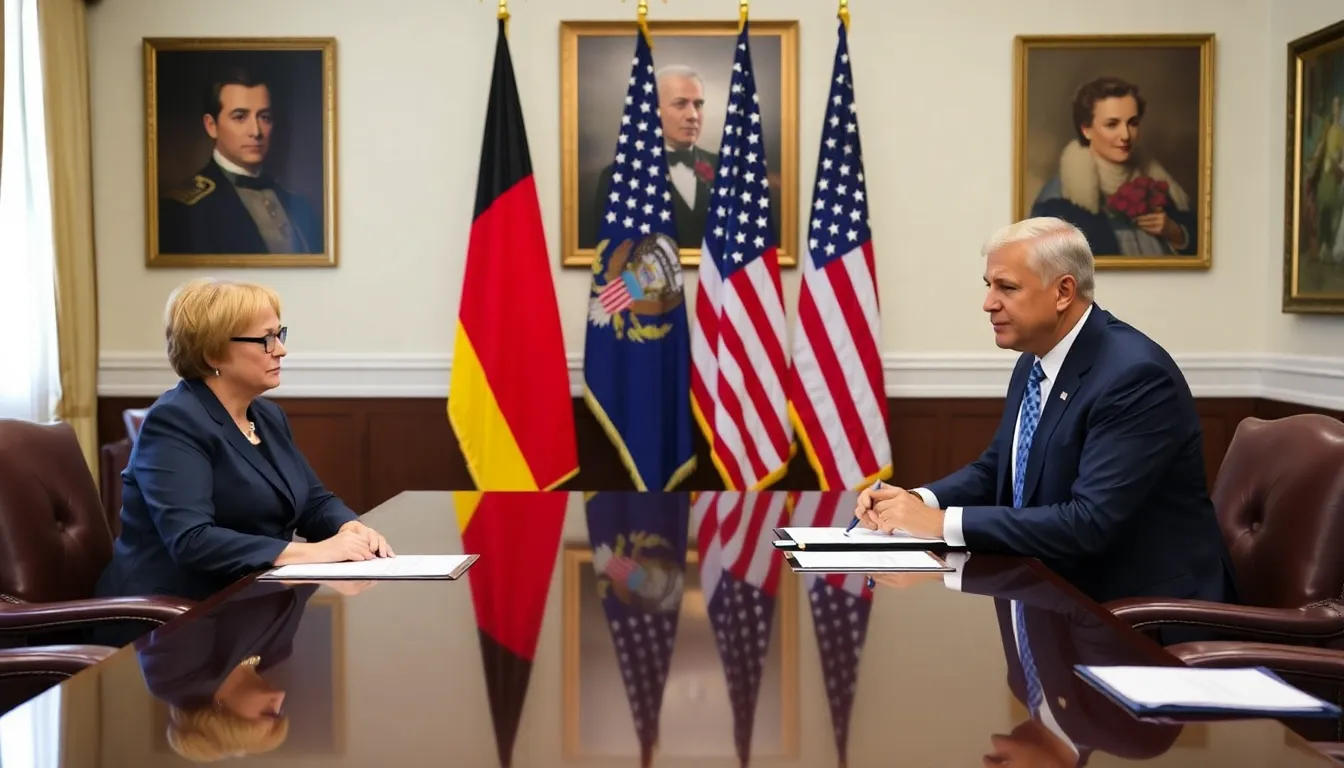
In addition to the two governments, multinational corporations play a significant role in this alliance. Companies in the tech and energy sectors, such as Siemens and Tesla, are keen to benefit from increased collaboration and investment opportunities. However, these interests may conflict with local industries and labor groups in Germany, who fear that a strong alignment with the U.S. could undermine domestic jobs and economic stability.
- Economic Trade-offs: The shift may lead to changes in trade agreements, impacting tariffs and market access for German products in the U.S.
- Legal Implications: New regulations may arise from closer cooperation, particularly in data privacy and environmental standards.
- Security Concerns: As NATO allies, both countries must navigate the complexities of military spending and defense strategies amidst differing national priorities.
- Public Sentiment: The German public’s response to increased American influence could affect future elections and policy decisions.
- Geopolitical Dynamics: The alliance may provoke reactions from other global powers, particularly China and Russia, leading to a potential reshaping of international relations.
In summary, the intersection of these stakeholders and their interests presents a complex landscape of opportunities and challenges. The ongoing dialogue between Germany and the United States will require careful navigation of these issues to foster a mutually beneficial relationship while addressing domestic and international concerns.
The Potential Impact on European Politics and Economy
The recent shift in German Chancellor’s focus towards America is poised to affect various groups, industries, and regions across Europe. Key stakeholders include German manufacturers, energy suppliers, and the broader European Union member states. These changes may lead to a reconfiguration of alliances and economic strategies within the continent.
In the short term, businesses involved in trade with the United States may experience a surge in opportunities, particularly in technology and green energy sectors. Companies that adapt quickly to new transatlantic partnerships could benefit from increased investment and access to American markets. However, traditional industries relying on established European ties may face challenges as policies shift.
Mid-term impacts could manifest in altered supply chains and regulatory frameworks, affecting daily life for consumers. For instance, a potential increase in energy imports from the U.S. may lead to fluctuations in energy prices across Europe. Additionally, European policymakers may need to navigate complex negotiations to ensure that any new agreements align with the interests of their constituents.
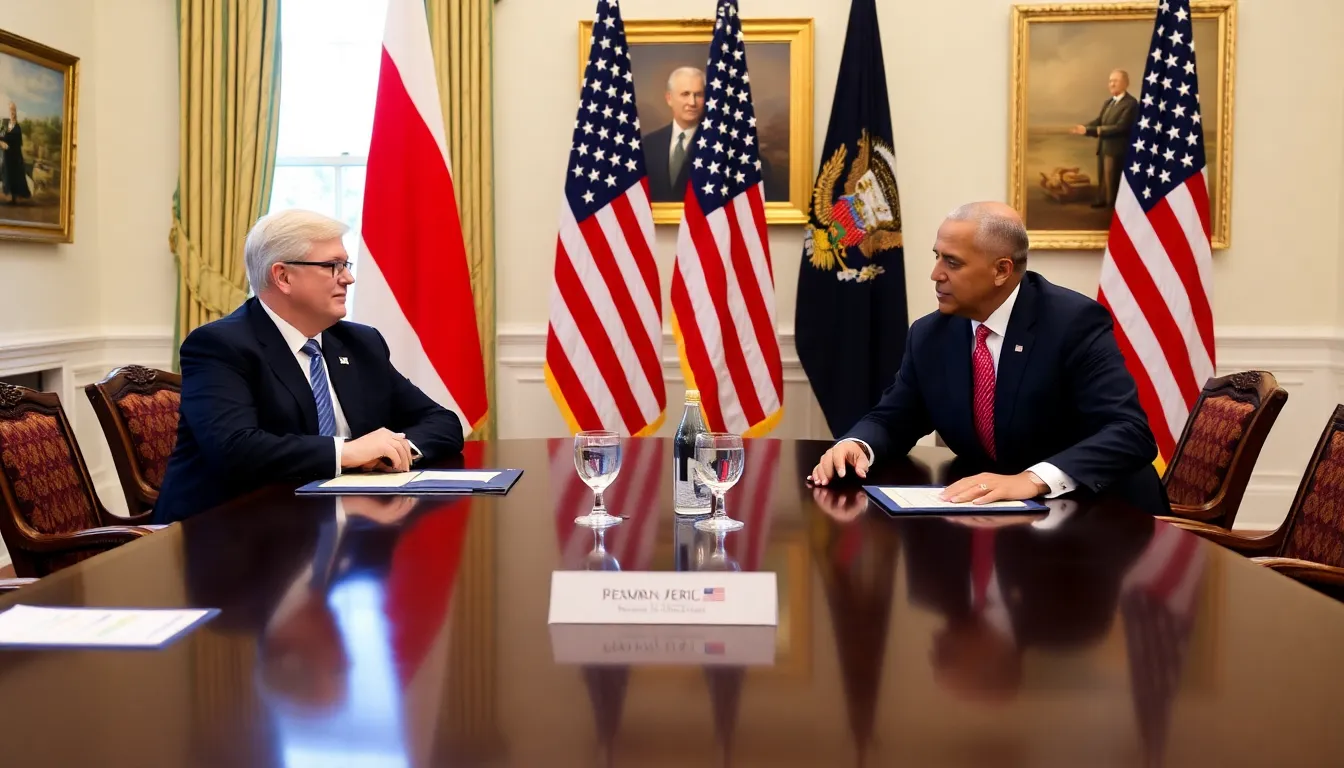
- Opportunities: Enhanced trade relations with the U.S. could stimulate innovation and job creation in emerging sectors.
- Risks: Existing European industries might suffer if they cannot compete with American companies taking advantage of favorable policies.
- Political Dynamics: Shifts in alliances could lead to tensions within the EU as member states adjust to new economic realities.
The overall landscape of European politics and economy will likely evolve as the implications of the Chancellor’s bet on America unfold, presenting both challenges and avenues for growth across the continent.
A: The decision is influenced by various global challenges, including security concerns and economic shifts, which necessitate stronger ties with the U.S. A: Strengthening ties with America could lead to tensions with other nations, particularly those in Europe that may feel sidelined. A: The primary goals include enhancing security cooperation, boosting trade relations, and addressing climate change collaboratively. A: Yes, there are risks such as potential backlash from other allies and the challenge of balancing diverse international interests. A: This shift could reshape the EU’s collective stance on various issues, potentially leading to a more fragmented approach among member states.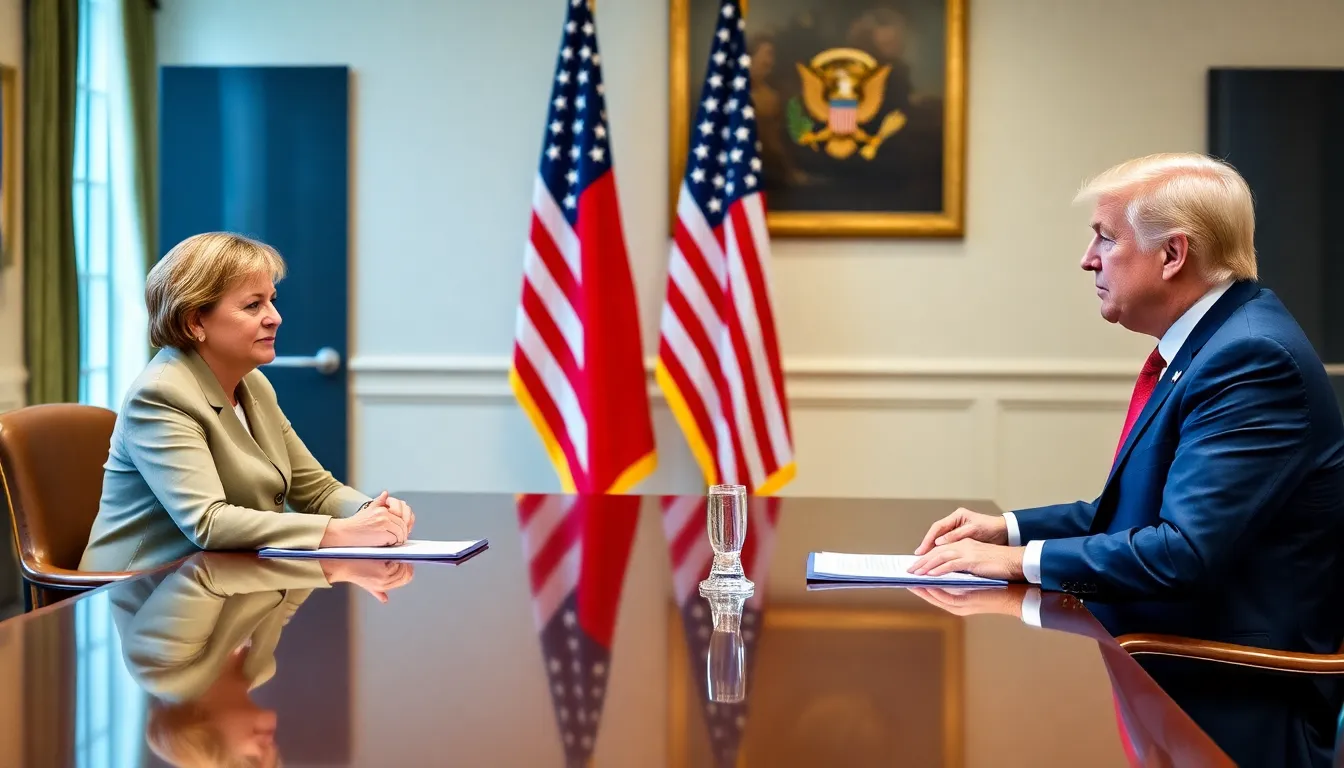
Frequently Asked Questions about the Chancellor’s Strategy
Looking Ahead: Implications for the Future of German-American Relations
The recent strategic shifts in German leadership signal a renewed commitment to strengthening ties with the United States. As the German Chancellor embraces a more proactive stance on transatlantic cooperation, several key implications emerge that could reshape the dynamics of international relations in the coming years. This pivot not only reflects a response to global challenges but also highlights Germany’s role as a pivotal player in European and global politics.
Moving forward, stakeholders should closely monitor how this evolving partnership influences economic policies, security collaborations, and responses to geopolitical tensions. The outcomes of this engagement will be critical in determining the future landscape of both German and American foreign policies.
- Watch for increased economic collaboration, particularly in technology and green energy sectors.
- Anticipate a stronger joint response to global security threats, including cybersecurity and military alliances.
- Observe how this partnership addresses climate change initiatives, potentially setting a global standard.
- Consider the impact on transatlantic trade agreements and regulatory harmonization efforts.
- Monitor public opinion in both countries as the political landscape evolves in response to these developments.