


Recent studies indicate that excessive gaming, especially in multiplayer environments, can lead to increased levels of stress and anxiety. Events such as the release of highly anticipated games, including the latest installments in popular franchises, have seen players dedicating long hours to gameplay. For those looking to stay updated on the latest releases, an informative guide to Upcoming Xbox Game Pass Games may be beneficial. This dedication, while often celebrated, raises questions about the long-term effects on mental well-being.
Notably, social media platforms have become a space for gamers to share their experiences with burnout. Influencers and streamers are increasingly vocal about their struggles, encouraging their followers to prioritize mental health. This shift in narrative is crucial, as it highlights the need for balance in gaming habits amidst a culture that often glorifies marathon gaming sessions, similar to the community discussions surrounding Celebrating 40 Years of The Legend of Zelda.
Furthermore, developers are beginning to recognize this issue, with some studios implementing features aimed at promoting healthier gaming practices. Initiatives such as in-game reminders to take breaks and settings that limit playtime are becoming more common. This response from the industry reflects an understanding of the importance of player well-being in maintaining a thriving gaming community.
Understanding the rise of gaming and its psychological effects
Over the past few decades, video gaming has evolved from a niche hobby into a dominant form of entertainment, engaging millions of players worldwide. This transition can be traced back to the late 1970s and early 1980s, when arcade games like “Pong” and “Space Invaders” captured the public’s imagination. As technology advanced, home consoles such as the Nintendo Entertainment System and Sega Genesis made gaming accessible to a broader audience, setting the stage for the industry’s explosive growth.

By the 1990s and 2000s, the rise of the internet further transformed the gaming landscape, enabling online multiplayer experiences and fostering communities around games. Titles like “World of Warcraft” and “Counter-Strike” not only revolutionized gameplay but also created social networks that transcended geographical boundaries. This shift has led to a significant cultural impact, where gaming is now seen as a legitimate form of social interaction and even a potential career path for many.
However, with the increasing popularity of gaming has come a growing concern regarding its psychological effects. Studies have shown that excessive gaming can lead to issues such as addiction, anxiety, and depression. The World Health Organization officially recognized gaming disorder in 2018, highlighting the need for awareness and understanding of the potential risks associated with prolonged gaming. This has sparked debates among psychologists, educators, and parents about the balance between enjoying video games and maintaining mental health.
The impact of the pandemic on gaming habits
The COVID-19 pandemic has further accelerated the gaming trend, as lockdowns and social distancing measures pushed people to seek entertainment at home. Many turned to video games not only as a way to pass the time but also as a means to connect with friends and family virtually. This surge in gaming has raised questions about the long-term effects on mental health, as individuals report feeling overwhelmed or “cooked” from the intense gaming sessions that have become a part of daily life during these challenging times. It’s essential to address these mental health concerns, especially given the conversations rooted in recent studies on gaming effects.
As the gaming industry continues to grow and evolve, understanding both its benefits and potential downsides is crucial. The conversation around mental health in relation to gaming is more important than ever, as players navigate the fine line between enjoyment and overindulgence in an increasingly digital world.
Key stakeholders and the impact of gaming on mental health
The gaming industry involves a diverse range of stakeholders, each with distinct interests and concerns. Key actors include game developers, mental health professionals, gamers, parents, and regulatory bodies. Understanding their perspectives is crucial in analyzing the broader implications of gaming on mental health.

Game developers, such as large studios and indie creators, aim to produce engaging content that attracts players. Their primary interest lies in maximizing user engagement and ensuring the commercial success of their products. However, the psychological effects of gaming, especially regarding addiction and mental health, have sparked debates about the ethical responsibilities of developers in designing their games.
Mental health professionals are increasingly concerned about the impact of prolonged gaming on users, particularly among younger demographics. They highlight issues such as gaming addiction and its correlation with anxiety and depression. This has led to calls for further research and potential regulations to mitigate negative outcomes, creating a tension between the gaming community and health advocates.
Gamers themselves represent a significant stakeholder group. While many enjoy gaming as a form of entertainment and social interaction, there is a growing awareness of the potential risks associated with excessive play. This duality presents a conflict where gamers must navigate their passion while being mindful of their mental well-being.
- Regulatory bodies: Governments and organizations are exploring the need for guidelines to protect vulnerable populations from potential gaming-related issues.
- Parental concerns: Parents often worry about the effects of gaming on their children’s mental health, leading to calls for more transparency from developers.
- Community initiatives: Various groups are advocating for responsible gaming practices and support systems for those affected by gaming addiction.
As these stakeholders interact, conflicts arise over issues such as the balance between creative freedom and ethical responsibility. The ongoing dialogue surrounding gaming and mental health underscores the need for collaborative approaches to address these concerns while fostering a positive gaming environment.
Who is affected by gaming fatigue and how it influences the market
The phenomenon of gaming fatigue is impacting a diverse range of groups, including casual gamers, professional esports players, and the gaming industry as a whole. As more individuals report feeling overwhelmed by the sheer volume of games available and the pressure to keep up, the effects ripple through various sectors. This fatigue is particularly pronounced among younger demographics who have grown up in a digital-first environment.

In terms of industries, the gaming sector is facing a dual challenge. On one hand, there is a risk of declining engagement and sales for game developers and publishers. On the other hand, companies specializing in mental health and wellness are seeing a potential opportunity to create solutions that address gaming-related stress and fatigue. This shift could lead to a new market for products aimed at promoting healthier gaming habits.
Regions with a high concentration of gamers, such as North America and parts of Asia, are experiencing noticeable changes in daily life. In the short term, gamers may reduce their playtime or switch to more casual gaming experiences, affecting revenue for AAA titles. Mid-term impacts could include a reevaluation of marketing strategies by game developers, focusing more on sustainability and player well-being rather than sheer volume of content.
- Short-term impacts: Decreased gaming hours, potential revenue loss for developers.
- Mid-term impacts: Shift in marketing strategies, growth in wellness-focused gaming solutions.
- Risks: Declining player engagement, potential layoffs in the gaming industry.
- Opportunities: Increased demand for mental health resources, growth in casual gaming markets.
As the gaming landscape evolves, businesses and policymakers must adapt to these changes. Understanding the nuances of gaming fatigue will be crucial in shaping future initiatives, whether they focus on enhancing player experience or addressing the mental health implications of prolonged gaming sessions.
A: This phrase typically refers to mental fatigue or exhaustion caused by prolonged gaming sessions. It suggests that the person feels overwhelmed or mentally drained. A: Gamers can manage mental fatigue by taking regular breaks, setting time limits on gaming sessions, and engaging in other activities to balance their leisure time. A: Yes, numerous studies have explored the relationship between gaming and mental health, highlighting both positive and negative effects depending on the duration and type of gameplay. A: Games that require intense focus, strategic thinking, or have long play sessions, such as MMORPGs or competitive shooters, can lead to mental fatigue. A: Yes, many gamers report feelings of mental exhaustion, especially after extended periods of play, which can affect their overall well-being.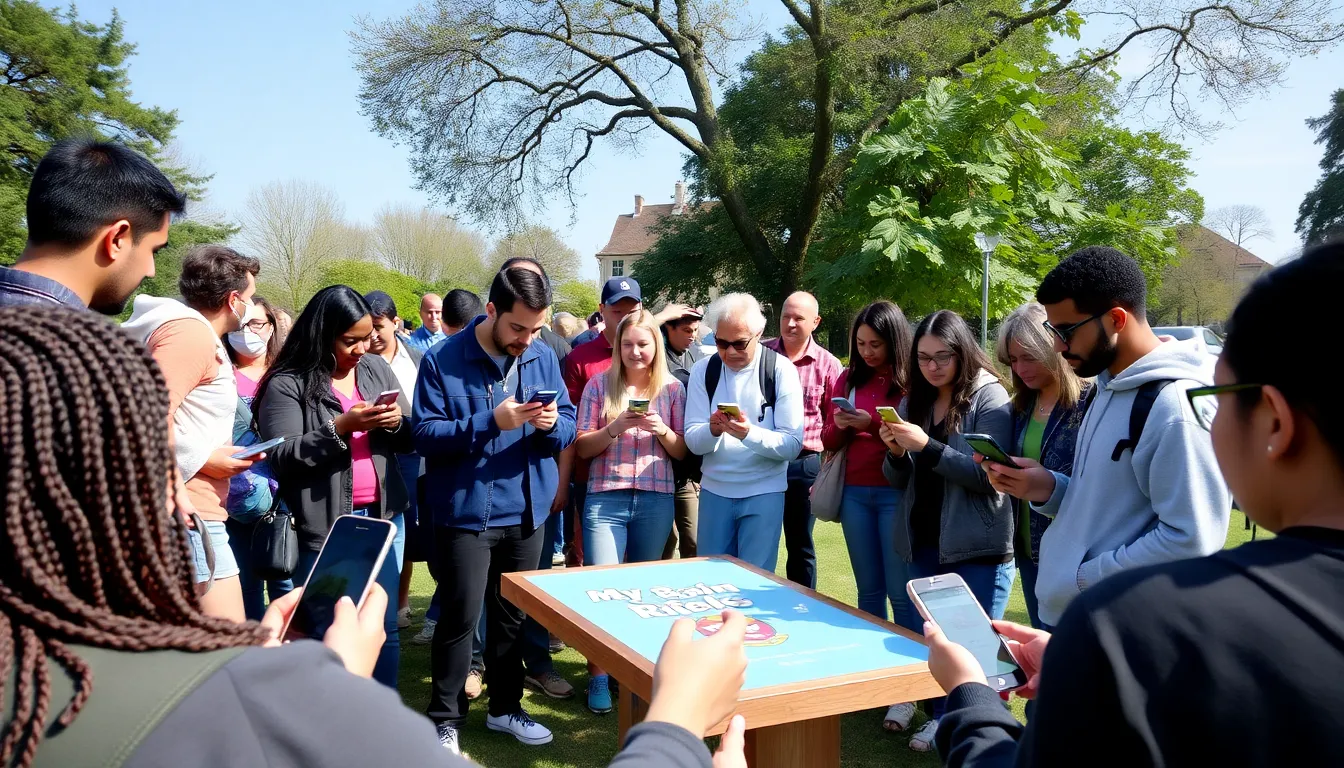
Frequently asked questions about gaming and mental health
Key takeaways and future outlook on gaming trends
The gaming landscape continues to evolve, reflecting broader cultural shifts and technological advancements. As players engage with more complex narratives and immersive experiences, the impact on mental engagement and social interaction becomes increasingly significant. This trend suggests a growing need for balance and awareness among gamers as they navigate their gaming habits.
Looking ahead, developers and players alike should consider the implications of gaming on mental health and community dynamics. The integration of more thoughtful design elements and community-focused features could enhance the overall gaming experience while promoting healthier engagement.
- Increased focus on mental health: Developers may prioritize features that promote well-being and balance in gaming experiences.
- Community engagement: Expect more games to incorporate social elements that foster connection and support among players.
- Complex narratives: As storytelling in games becomes more sophisticated, players may seek deeper emotional connections with characters and plots.
- Technological advancements: Innovations in VR and AR may further blur the lines between gaming and reality, impacting player experiences.
- Adaptive gameplay: Future games may incorporate adaptive mechanics that respond to player behavior, promoting healthier gaming habits.