


Current Trends in Music Tours for 2026
As the music industry rebounds from the disruptions caused by the COVID-19 pandemic, major artists like BTS, Bruno Mars, and Rush are gearing up for extensive tours in 2026. The resurgence of live performances is not only a sign of recovery but also a reflection of the growing demand for in-person experiences among fans. With ticket sales soaring, the landscape of music tours, including links to emerging trends is evolving rapidly.
Recent announcements indicate that BTS is planning a world tour to celebrate their upcoming album release in early 2026, which is expected to draw massive crowds across multiple continents. Similarly, Bruno Mars is set to embark on a series of shows, capitalizing on his popularity and the anticipated release of new music. These tours are projected to generate significant revenue, further fueling the industry’s recovery.
In addition to pop and K-pop sensations, rock legends like Rush are also making headlines with their reunion tour. The band’s return to the stage has sparked excitement among long-time fans and new listeners alike. This trend of established artists returning to touring highlights the nostalgia factor that is increasingly influencing ticket sales and audience engagement.
As the 2026 concert calendar fills up, industry analysts are closely monitoring ticket pricing and accessibility, which have become critical issues. While some artists are offering tiered pricing to accommodate a broader audience, others are facing backlash over high ticket costs. This situation underscores the ongoing dialogue about the balance between profitability and accessibility in the live music sector.
Historical Context of Music Tours and Media Influence
The landscape of music tours has evolved dramatically over the decades, shaped by cultural shifts, technological advancements, and economic factors. In the mid-20th century, live performances were primarily local events, with artists touring regionally to build their fan bases. However, as music became a global phenomenon, especially with the rise of rock and pop in the 1960s and 1970s, tours began to take on a larger scale, drawing audiences from across nations. Iconic bands like The Beatles and The Rolling Stones set the stage for what would become a multi-billion dollar industry, emphasizing the importance of live performances in an artist’s career.
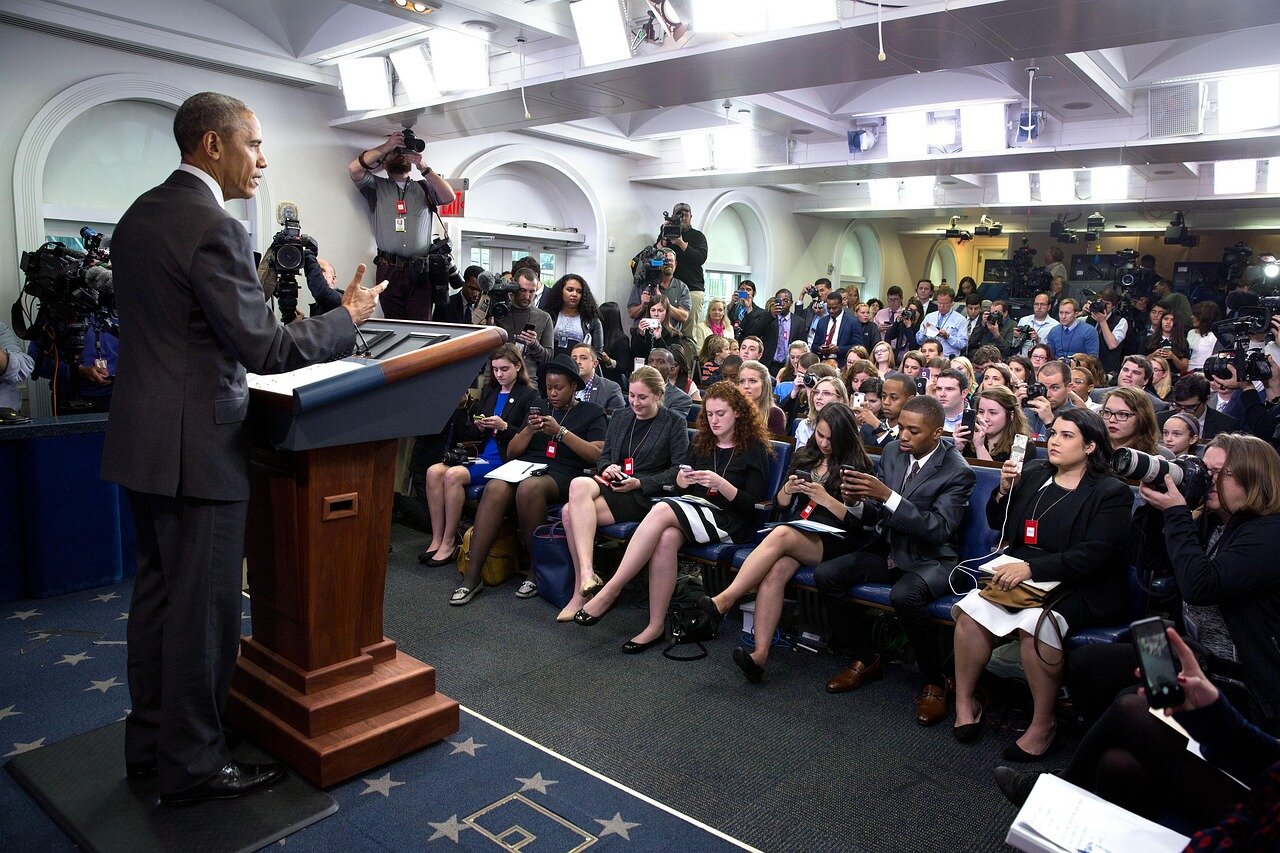
In tandem with the growth of music tours, the media’s role in shaping public perception of artists also expanded. The advent of television and radio allowed musicians to reach wider audiences than ever before. Shows like “American Bandstand” and later, music video channels like MTV, became crucial platforms for artists to showcase their talents and connect with fans. This media exposure not only boosted ticket sales for tours but also transformed musicians into cultural icons, influencing social movements and trends, similar to the discussions about current societal issues in today’s music.
The Impact of Social Movements on Music
Throughout history, music has often intersected with significant social and political movements. The civil rights movement of the 1960s, for instance, saw artists like Sam Cooke and Nina Simone using their music as a platform for activism. Similarly, Martin Luther King Jr.’s emergence as a national media figure played a pivotal role in this dynamic. His speeches and the music of the era resonated deeply with audiences, highlighting the power of art in advocating for social change. This synergy between music and social movements continues to influence contemporary artists, including those like BTS and Bruno Mars, who use their platforms to address current issues and inspire action.
As we look towards the future, the outlook for music tours in 2026 is poised to be influenced by these historical precedents. The integration of technology, such as virtual reality and live streaming, is expected to redefine how audiences experience concerts, making them more accessible. Furthermore, with a growing emphasis on social responsibility, artists are likely to continue leveraging their influence to engage with pressing societal issues, just as King did in his time, which parallels the spotlight on events like the 2027 Rolex 24 in the sporting world.

Key Stakeholders in the Music Industry and Their Interests
The music industry is a complex ecosystem involving various stakeholders, each with distinct interests and objectives. Major artists like BTS and Bruno Mars represent the creative force driving the industry, while organizations such as record labels and concert promoters play crucial roles in the distribution and promotion of music. Additionally, governments and regulatory bodies influence the industry through policies that can affect everything from copyright laws to public health regulations during live events.
Artists like BTS and Bruno Mars are primarily focused on maximizing their reach and revenue through tours and merchandise sales. Their interests often align with those of their fans, who seek memorable live experiences. However, the ongoing evolution of the music industry, particularly with the rise of streaming services, presents challenges for these artists in terms of revenue generation and maintaining a loyal fan base.
Record labels and concert promoters are motivated by profit and market share. They invest heavily in marketing and logistics to ensure successful tours, but they also face risks related to financial investments in uncertain markets. The potential for conflicts arises when the interests of the artists do not align with the financial goals of these organizations, leading to disputes over revenue sharing and creative control.
Governments also play a significant role in the music industry, particularly in the context of public health and safety regulations. The COVID-19 pandemic highlighted the fragility of live events, prompting governments to implement restrictions that affected tours and concerts. As we look toward 2026, the balance between public health and the economic viability of music tours will remain a critical issue, with stakeholders needing to navigate this landscape carefully.

- Artists seeking to balance creative expression with commercial success.
- Record labels focusing on maximizing profits while managing artist relationships.
- Governments enforcing regulations that impact live events and public gatherings.
- Fans advocating for safe and accessible live music experiences.
- Emerging technologies reshaping how music is consumed and monetized.
Impact of Upcoming Tours on Fans and the Music Market
The anticipated tours of major artists like BTS, Bruno Mars, and Rush are set to affect a broad spectrum of groups, including fans, local businesses, and the music industry at large. Fans are eager to attend live performances, which can lead to heightened excitement and engagement within the music community. This surge in interest not only benefits the artists but also revitalizes the concert-going culture that has been affected by the pandemic.
Local economies in cities hosting these tours will likely experience a significant boost. Hotels, restaurants, and transportation services can expect increased patronage from concert-goers. This influx can create short-term employment opportunities and stimulate spending in the hospitality sector. However, there is also the risk of overcrowding and strain on local infrastructure, which could lead to negative experiences for both visitors and residents.
In the mid-term, the success of these tours could lead to a resurgence in live music events, encouraging more artists to plan tours and invest in new productions. This trend could help to stabilize the music industry, which has faced financial challenges in recent years. However, if ticket prices rise too steeply due to high demand, it may alienate some fans, creating a divide in access to live music experiences.

- Local Businesses: Increased revenue from tourism.
- Music Industry: Potential for growth and new investments.
- Fans: Enhanced access to live music, but risks of higher costs.
- Infrastructure: Possible strain on local resources.
Moreover, the media coverage surrounding these tours can amplify their impact, drawing attention not only to the artists but also to the cities they visit. This can create opportunities for local cultural promotion and tourism, but it also raises the stakes for local governments to ensure that events are well-managed and safe for all attendees. As the music landscape evolves, stakeholders must navigate these dynamics to maximize benefits while mitigating potential downsides.
A: Major artists like BTS, Bruno Mars, and Rush are anticipated to have significant tours in 2026, attracting large audiences and generating substantial revenue. A: Martin Luther King Jr. emerged as a national media figure by effectively using television and radio to spread his message, setting a precedent for future media engagement. A: Factors such as artist popularity, marketing strategies, and the overall economic climate play crucial roles in determining the success of music tours. A: Music tours can significantly boost local economies by increasing tourism, creating jobs, and generating revenue for local businesses. A: Artists often face challenges such as logistical issues, financial constraints, and the need to adapt to changing audience preferences.
Frequently Asked Questions About Music Tours and Media Influence
Insights on the Future of Music Tours and Media Representation
The landscape of music tours is poised for significant transformation as major artists like BTS, Bruno Mars, and Rush prepare for upcoming events in 2026. This evolution is not just about the performances themselves but also about how these artists engage with their audiences and leverage media representation to enhance their impact. As we look ahead, the integration of technology and a heightened focus on inclusivity will play crucial roles in shaping the experiences of fans and the overall success of these tours.
Additionally, the emergence of figures like Martin Luther King Jr. as national media icons highlights the importance of narrative and representation in music and culture. Artists today are increasingly aware of their platforms and the messages they convey, which will influence how they connect with diverse audiences and address social issues through their work.
- Monitor the incorporation of technology in live performances, such as virtual reality and augmented reality experiences.
- Watch for increased collaboration between artists and social justice movements, as they seek to amplify their messages.
- Pay attention to how music festivals and tours adapt to changing audience demographics and preferences, focusing on inclusivity.
- Consider the role of media representation in shaping public perception of artists and their messages, particularly in relation to historical figures like Martin Luther King Jr.
- Evaluate the potential impact of global events on tour planning and artist engagement strategies in the coming years.