


Drivers are increasingly conscious of their fuel consumption, with many adopting strategies to minimize driving or carpooling to save costs. This shift in behavior reflects a growing concern about the sustainability of fuel supplies and the economic implications of rising prices, which tie into the larger conversation around understanding the impact of immigration policies on businesses.
These decisions have sparked debates among policymakers about the need for alternative energy sources and the importance of energy independence, similar to discussions around France’s new mayors who must address local energy challenges.
In addition to economic repercussions, the fuel crisis has also raised environmental concerns. With increased reliance on alternative transportation methods, such as cycling and public transit, there is a potential for reduced carbon emissions. However, the long-term impact of these changes remains uncertain, as communities navigate the complexities of fuel scarcity and its broader implications.
Exploring the background of fuel supply challenges
The global fuel supply landscape has been shaped by a complex interplay of historical, political, and economic factors. In the wake of the 1973 oil crisis, which saw OPEC nations impose an embargo on oil exports, many countries began to recognize the vulnerabilities inherent in their reliance on fossil fuels. This event marked a turning point, prompting governments to explore alternative energy sources and implement policies aimed at energy conservation.
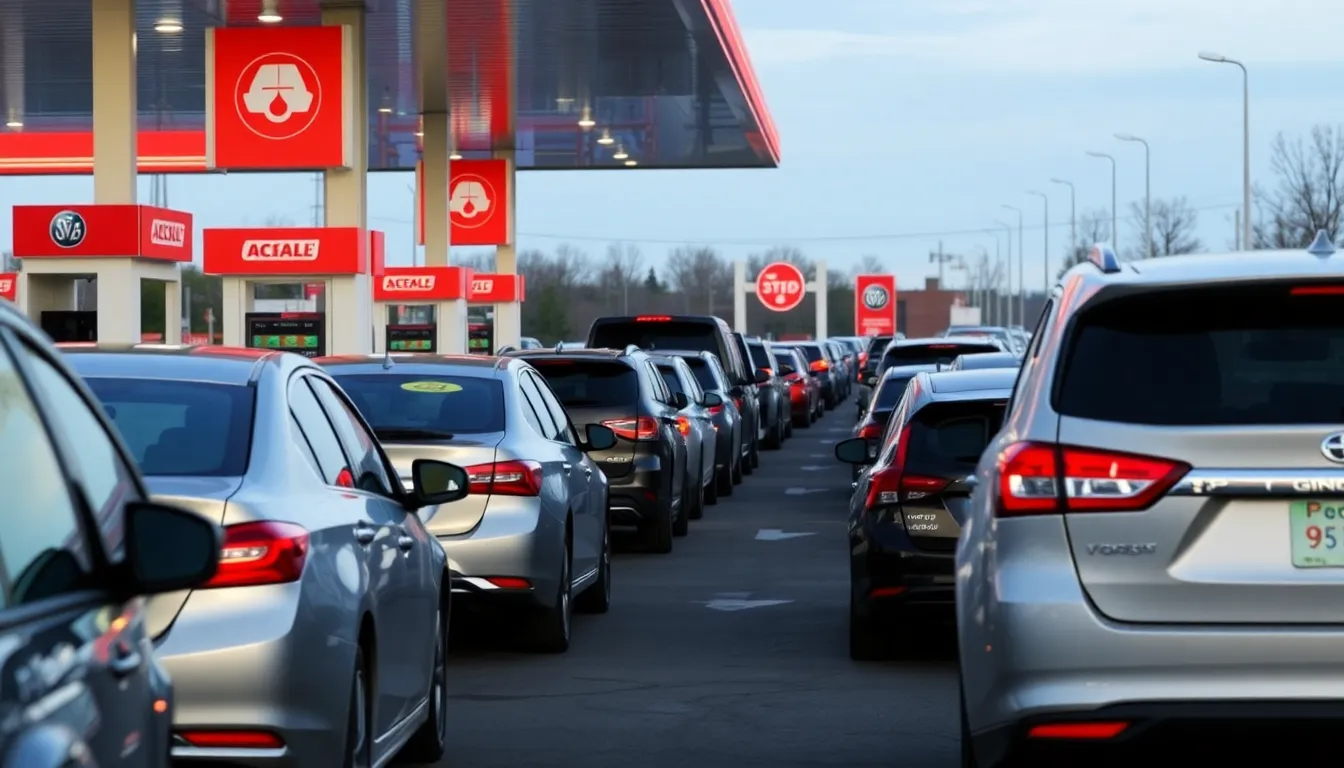
In the decades that followed, geopolitical tensions in oil-rich regions continued to disrupt supply chains. Conflicts in the Middle East, particularly the Gulf War in the early 1990s and the Iraq War in 2003, had significant repercussions on global oil prices and availability. These events underscored the fragility of fuel supplies and highlighted the need for countries to secure their energy independence.
The rise of renewable energy
As awareness of climate change grew in the late 20th and early 21st centuries, many nations began to pivot towards renewable energy sources. Governments implemented incentives for solar, wind, and other alternative energy projects, aiming to reduce reliance on fossil fuels. However, the transition has been uneven, with some regions still heavily dependent on traditional fuel sources. This dependency has made them particularly vulnerable to market fluctuations and supply shortages.
As economies began to recover, demand surged unexpectedly, leading to supply chain bottlenecks and fuel shortages, reminiscent of the complexities faced in the journey of a medieval English abbey adapting to changing circumstances.
Today, the challenges surrounding fuel supply are not just a matter of economics but also of social equity. Communities worldwide are feeling the impact of fuel shortages differently, with lower-income populations often bearing the brunt of rising costs. As the world navigates these challenges, understanding the historical context is crucial for finding sustainable solutions that ensure equitable access to energy for all.
Analyzing the key stakeholders involved in the fuel crisis
The ongoing fuel shortages have created a complex web of stakeholders, each with distinct interests and concerns. These stakeholders include government bodies, fuel suppliers, consumers, and environmental organizations. Understanding their roles is crucial to grasping the broader implications of the crisis.
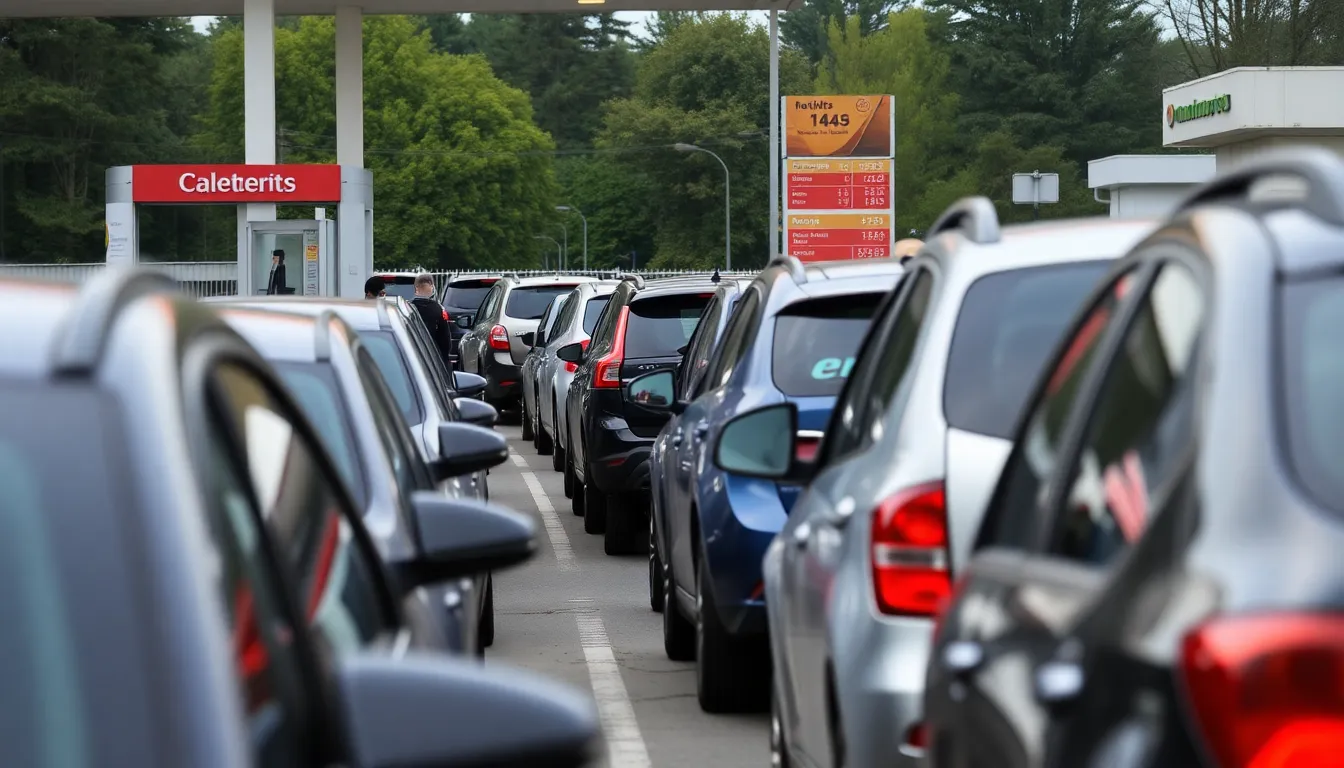
Governments around the world are primarily focused on ensuring energy security and maintaining public order. They face the challenge of balancing the need for fuel supply with the pressures of rising prices and public dissatisfaction. In many cases, governments have implemented measures such as price controls or subsidies, which can lead to further economic strain.
Fuel suppliers, including oil companies and distributors, are navigating a landscape marked by fluctuating demand and supply chain disruptions. Their interests lie in maximizing profits while maintaining a reliable supply to consumers. However, the rising costs of crude oil and logistical challenges have led to conflicts between suppliers and governments, particularly regarding pricing and availability.
- Consumers: Everyday individuals and businesses are directly affected by fuel shortages, leading to increased transportation costs and economic hardship.
- Environmental Organizations: While some advocate for reduced reliance on fossil fuels, the immediate crisis has forced a reevaluation of energy policies and sustainability goals.
- Local Communities: Areas heavily reliant on transportation for commerce face unique challenges, including potential job losses and decreased access to essential goods.
The interplay between these stakeholders often leads to trade-offs. For instance, while governments may seek to stabilize prices for consumers, this can result in reduced profit margins for suppliers, potentially leading to further supply shortages. Additionally, the legal implications of government interventions, such as price controls, can spark debates over market fairness and competition.
Examining the effects on individuals and markets
The ongoing fuel shortages are having a profound impact on various groups and industries across the globe. Commuters and families are feeling the pinch as rising fuel costs force them to reconsider their daily travel routines. Additionally, businesses that rely heavily on transportation, such as logistics and delivery services, are facing operational challenges that could hinder their growth.
Regions that are particularly hard-hit include urban areas where public transportation is less accessible, forcing residents to rely more on personal vehicles. In contrast, rural communities, which often have fewer transportation options, are experiencing even greater difficulties. The immediate effects are visible in increased commuting times, higher costs for goods and services, and a general sense of uncertainty among consumers.
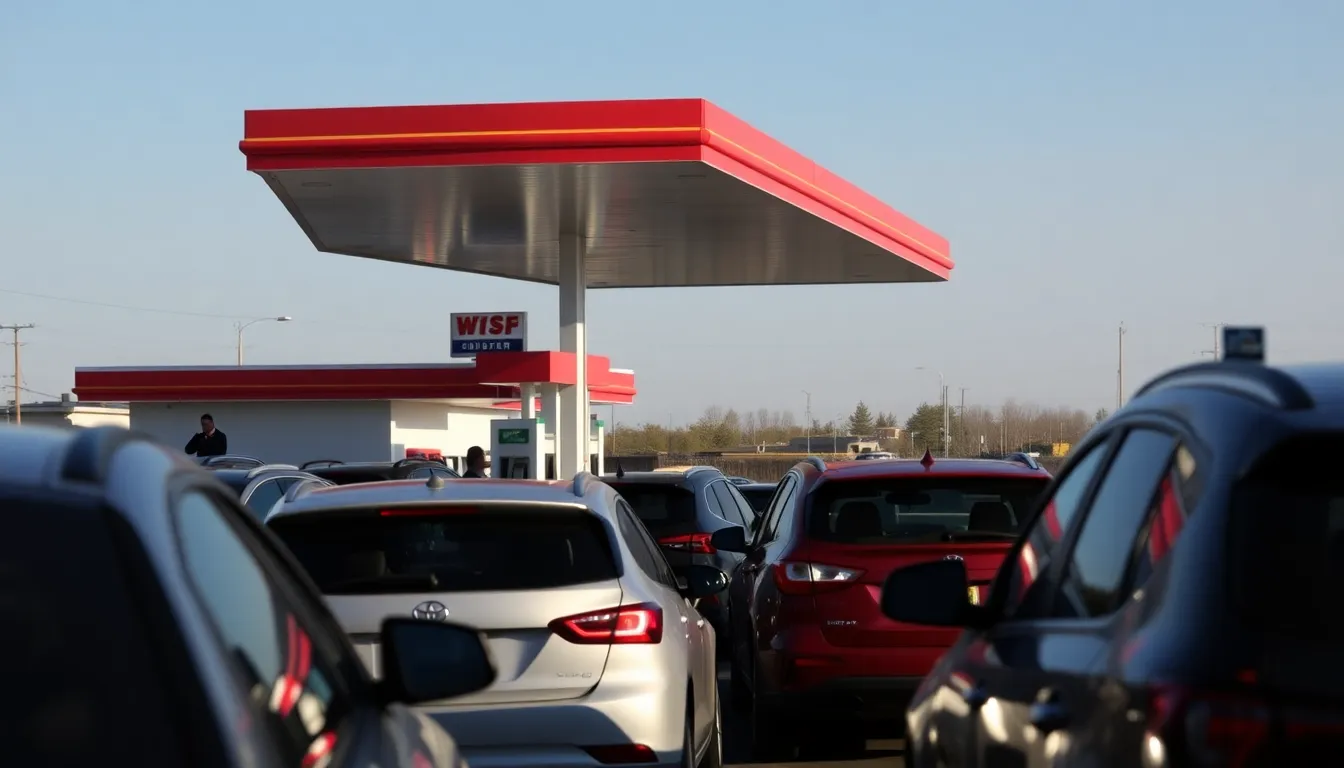
In the short term, individuals may need to adjust their budgets to accommodate higher fuel prices, leading to reduced discretionary spending. This shift can affect local businesses, particularly those in retail and hospitality sectors. In the mid-term, companies may seek to adapt by exploring alternative transportation methods or investing in more fuel-efficient technologies, which could open up new opportunities for innovation and sustainability.
- Increased commuting costs leading to budget constraints for families.
- Operational challenges for businesses reliant on transportation.
- Potential for innovation in fuel-efficient technologies.
- Shift in consumer behavior towards local goods and services.
While the risks associated with fuel shortages are evident, there are also opportunities for growth in sectors focused on renewable energy and public transportation solutions. Policymakers may be prompted to invest in infrastructure improvements, which could ultimately result in a more resilient economy. As communities adapt to these challenges, the landscape of transportation and commerce may undergo significant transformation.
A: The current fuel shortages are primarily caused by supply chain disruptions, geopolitical tensions, and increased demand post-pandemic. These factors have created a perfect storm affecting fuel availability worldwide. A: Fuel shortages are leading to increased prices, longer wait times at gas stations, and in some areas, rationing of fuel. This affects transportation, commuting, and even the cost of goods. A: Long-term solutions may include investing in alternative energy sources, improving infrastructure, and enhancing global cooperation on fuel distribution. However, these changes will take time to implement. A: Individuals can cope by planning trips more efficiently, using public transportation, carpooling, and considering alternative modes of transport like biking or walking when possible.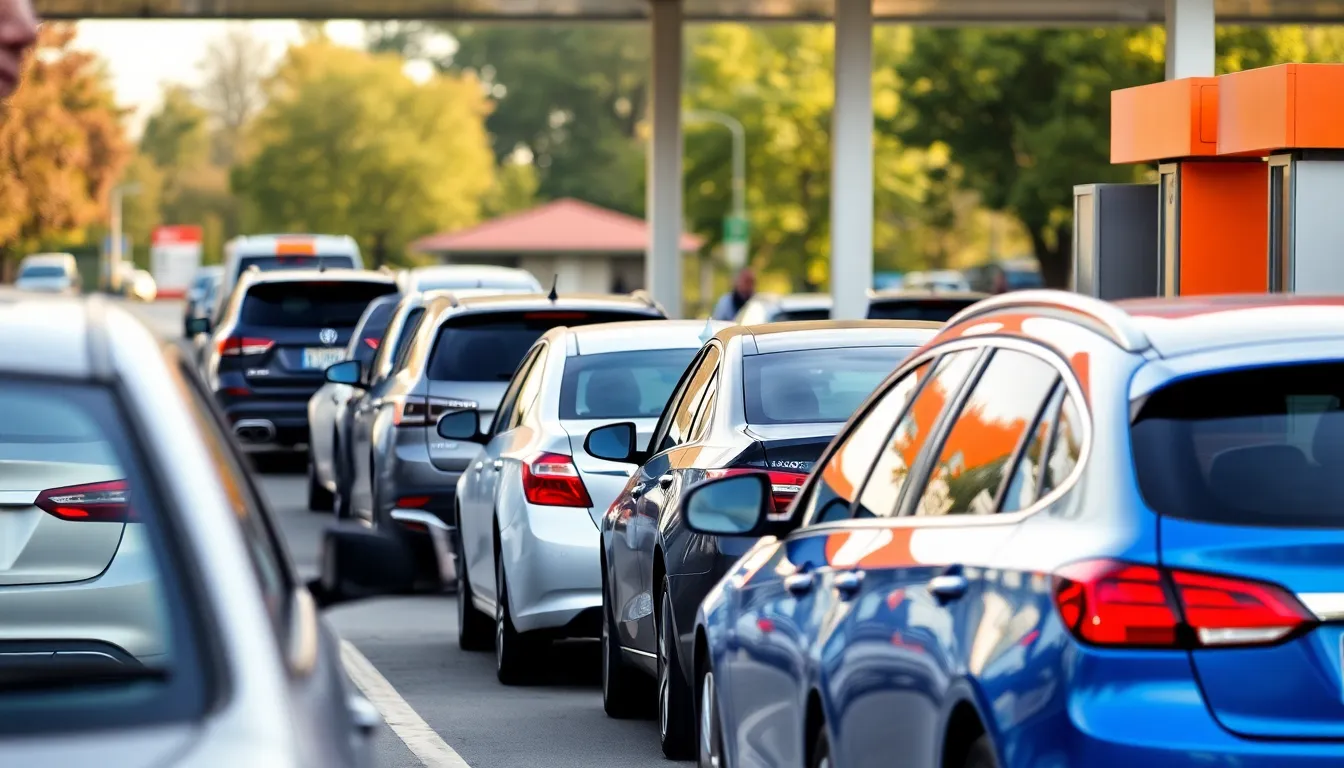
Frequently asked questions about fuel shortages
Key takeaways and future outlook on fuel supply
The ongoing fuel shortages are reshaping not only individual travel habits but also broader economic patterns. As consumers become increasingly conscious of their fuel consumption, there is a growing trend towards more sustainable and efficient transportation options. This shift may encourage innovation in alternative energy sources and public transportation systems, providing a pathway for long-term changes in mobility.
Moreover, the situation underscores the importance of global supply chains and their vulnerabilities. As countries grapple with these shortages, the need for strategic planning and investment in local resources becomes evident. Observing how different regions adapt to these challenges will offer valuable insights into future energy policies and consumer behavior.
- Increased focus on fuel efficiency: Consumers are likely to prioritize vehicles and practices that maximize fuel economy.
- Shift towards alternative transportation: Public transport and cycling may see a resurgence as individuals seek to reduce reliance on fuel.
- Investment in local energy resources: Countries may ramp up efforts to develop and secure local energy supplies to mitigate future shortages.
- Policy changes on energy consumption: Expect governments to implement regulations aimed at promoting sustainable energy use and reducing dependency on fossil fuels.
- Consumer behavior analysis: Tracking changes in consumer habits will provide insights into the long-term impacts of fuel shortages on lifestyle choices.