


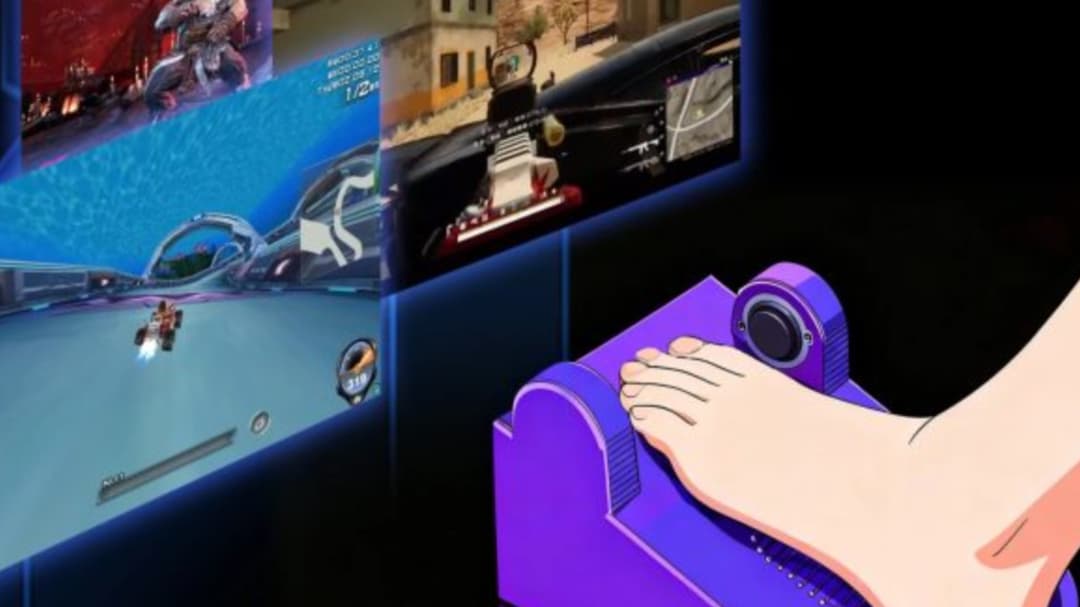
By enabling players to use their feet for various commands, the keyboard allows for a more immersive experience, freeing up the hands for additional tasks, such as using a mouse or performing intricate maneuvers, which is particularly beneficial in new gaming titles.
As more gamers seek adaptive solutions, the introduction of this keyboard could open doors for individuals with limited hand mobility, allowing them to participate in gaming communities and enjoy their favorite titles without barriers, highlighting the industry’s push for inclusivity and accessibility.
Initial reactions from the gaming community have been mixed, with some enthusiasts praising the creativity and potential of the device, while others express skepticism about its practicality. Nevertheless, the developers are optimistic, citing positive feedback from early testers who have reported a smoother gaming experience and improved comfort during long sessions.

As the gaming world continues to evolve, the foot-controlled keyboard represents a bold step forward in technology. With plans for wider distribution by the end of 2023, its impact on gameplay and accessibility will be closely monitored by both gamers and industry experts alike.
The Evolution of Gaming Input Devices
The landscape of gaming has been shaped significantly by the evolution of input devices, which have transitioned from rudimentary controls to sophisticated interfaces that enhance user experience. In the early days of gaming, players relied on simple joysticks and buttons. These devices were limited in functionality, often requiring players to master basic movements and commands. As technology advanced, so did the complexity of gaming input methods, leading to the development of keyboards and gamepads that allowed for more nuanced gameplay.
In the late 20th century, the introduction of personal computers revolutionized gaming input. The keyboard became a staple for PC gamers, offering a wide array of keys that could be programmed for various in-game actions. This period marked a significant shift, as players began to seek more immersive experiences that required faster reflexes and more intricate controls. The rise of competitive gaming further fueled the demand for innovative input devices, as gamers sought any advantage they could find over their opponents.
The Rise of Alternative Input Methods
As gaming continued to evolve, so did the exploration of alternative input methods. The emergence of motion-sensing technology, exemplified by devices like the Nintendo Wii and Xbox Kinect, opened new avenues for interaction, allowing players to use their bodies as controllers. This trend sparked interest in unconventional input devices, including foot pedals and other peripherals designed to enhance gameplay. The concept of using feet for gaming, while not mainstream, has been explored in various niches, particularly in simulation games where players benefit from multitasking.

Recently, the introduction of a new keyboard designed specifically for foot use has reignited interest in this concept. This innovation reflects a growing recognition of the need for diverse input options that cater to different gaming styles and preferences. By allowing players to engage with games using their feet, developers are not only expanding accessibility but also challenging traditional notions of how games can be played. This milestone represents a fascinating intersection of technology and creativity, paving the way for future advancements in gaming input devices.
Key Stakeholders and Market Implications
The introduction of a keyboard designed for foot use raises various interests among key stakeholders in the gaming and technology sectors, with hardware manufacturers exploring partnerships to tap into this trend, potentially similar to previous market innovations.
Gaming enthusiasts are likely to be the most directly affected by this new technology. Many gamers seek ways to enhance their gameplay experience, and a foot-operated keyboard could offer new strategies and improve accessibility for players with disabilities. However, some may question the practicality and effectiveness of using feet for gaming, potentially leading to a divide in acceptance among traditional gamers.
Hardware manufacturers have a vested interest in the commercial viability of foot-operated keyboards. Companies like Logitech and Razer may explore partnerships or develop competing products to capitalize on this emerging market. The success of such devices could lead to increased competition, driving innovation and potentially lowering prices for consumers. However, the initial investment in research and development may pose economic risks for these companies.

Software developers also play a crucial role, as they must ensure that games are compatible with this new input method. This could lead to a shift in game design, as developers may need to rethink control schemes to accommodate foot usage. Additionally, there may be legal considerations regarding accessibility requirements and compliance with regulations, particularly for games targeting a broader audience.
- Increased accessibility for players with physical limitations.
- Potential market growth for ergonomic gaming products.
- Competition among hardware manufacturers leading to innovation.
- Need for software developers to adapt games for new input methods.
- Legal implications regarding accessibility standards in gaming.
How This Innovation Affects Gamers and the Industry
The introduction of a keyboard that enables gaming with feet is set to revolutionize the gaming community, impacting not only gamers but also developers and hardware manufacturers. This innovation primarily affects avid gamers, particularly those who engage in fast-paced competitive gaming, as well as casual players looking for new ways to enhance their gaming experience.
In the short term, gamers may experience an adjustment period as they learn to incorporate foot controls into their gameplay. This could lead to a temporary disruption in traditional gaming habits, but it also opens up opportunities for new gaming strategies and styles. Additionally, game developers may need to adapt their titles to support this new input method, potentially leading to innovative gameplay features.

In the mid-term, we may see a shift in the gaming hardware market. Companies that produce gaming peripherals could benefit from increased demand for foot-compatible devices, leading to new product lines and collaborations. This innovation may also inspire new genres of games designed specifically for foot-based controls, creating a niche market that could attract a wider audience.
- Opportunities: New gaming strategies and styles, increased demand for innovative peripherals.
- Risks: Potential learning curve for gamers, possible fragmentation of gaming communities.
- Impact on Developers: Need to adapt existing games and create new titles for foot controls.
Regions with a strong gaming culture, such as North America, Europe, and parts of Asia, are likely to be the first to adopt this technology. As awareness grows, the impact could spread globally, influencing how games are played and enjoyed worldwide. Overall, while risks exist, the potential for growth and innovation in the gaming industry is significant.
A: The keyboard uses pressure sensors that detect foot movements, translating them into game commands. This allows players to use their feet for various actions while keeping their hands free. A: While designed primarily for gaming, the keyboard can be adapted for various genres, including action, strategy, and simulation games, enhancing the gaming experience. A: This keyboard can improve accessibility for gamers with limited hand mobility and provide a unique gaming experience for all players by allowing multitasking. A: The foot-controlled keyboard is available through various online retailers and gaming specialty stores. Check the manufacturer’s website for specific purchasing options. A: Most modern games should be compatible, but it’s advisable to check for specific compatibility information from the manufacturer to ensure seamless integration.
Frequently Asked Questions About the Foot-Controlled Keyboard
Future Prospects and Key Takeaways
The introduction of a keyboard designed for foot use opens up new avenues in gaming and accessibility. This innovative approach not only enhances the gaming experience for players seeking new ways to engage but also offers potential benefits for individuals with mobility challenges. As technology continues to evolve, the implications of this new device could reshape how we think about interaction in various digital environments.
As developers explore the integration of foot-based controls, we may see an increase in games specifically designed to leverage this unique input method. Furthermore, the adaptability of such devices could lead to broader applications beyond gaming, potentially benefiting fields such as rehabilitation and physical therapy.
- Watch for game developers to create titles that specifically utilize foot controls, enhancing gameplay diversity.
- Consider the implications for accessibility, as this device may provide new opportunities for gamers with disabilities.
- Monitor advancements in foot-based technology that could influence other sectors, such as virtual reality and interactive fitness.
- Evaluate user feedback to understand the practical benefits and challenges of integrating foot controls into standard gaming setups.
- Stay informed on how this innovation could inspire further developments in ergonomic design and user interface technology.