


Overview of recent events in VALORANT
This past week has been tumultuous for the VALORANT esports scene, marked by significant roster changes within Fnatic, a competitive break for player meL, and ongoing discussions regarding the lack of nerfs for the agent Neon. These developments have sparked conversations among fans and analysts about the implications for team dynamics and gameplay balance, including the impact of roster changes.
On October 20, 2023, Fnatic announced a major overhaul of their roster, parting ways with two key players, which has raised questions about the team’s future performance in upcoming tournaments. The decision comes as Fnatic aims to regain their competitive edge following a series of underwhelming results in recent events.
Meanwhile, professional player meL has announced a temporary break from competitive play, citing personal reasons. This hiatus has led to speculation regarding the impact on his current team and the potential for roster adjustments in the future, which reflects broader trends in team management and player welfare.
Additionally, the community has expressed frustration over the absence of nerfs for Neon, an agent that many players believe is overpowered. Despite calls for adjustments, developers have yet to release any updates, leaving players to navigate the current meta without changes that could enhance game balance.
Understanding the background of Fnatic and meL
Fnatic, a prominent esports organization, has been a significant player in the competitive VALORANT scene since the game’s launch. The team has undergone various roster changes over the years, each aimed at improving performance and adapting to the evolving meta. These changes often reflect broader trends within the esports industry, where teams must continuously innovate to stay competitive. The recent roster adjustments by Fnatic come in the wake of their fluctuating performance in international tournaments, highlighting the pressure to maintain a top-tier status.
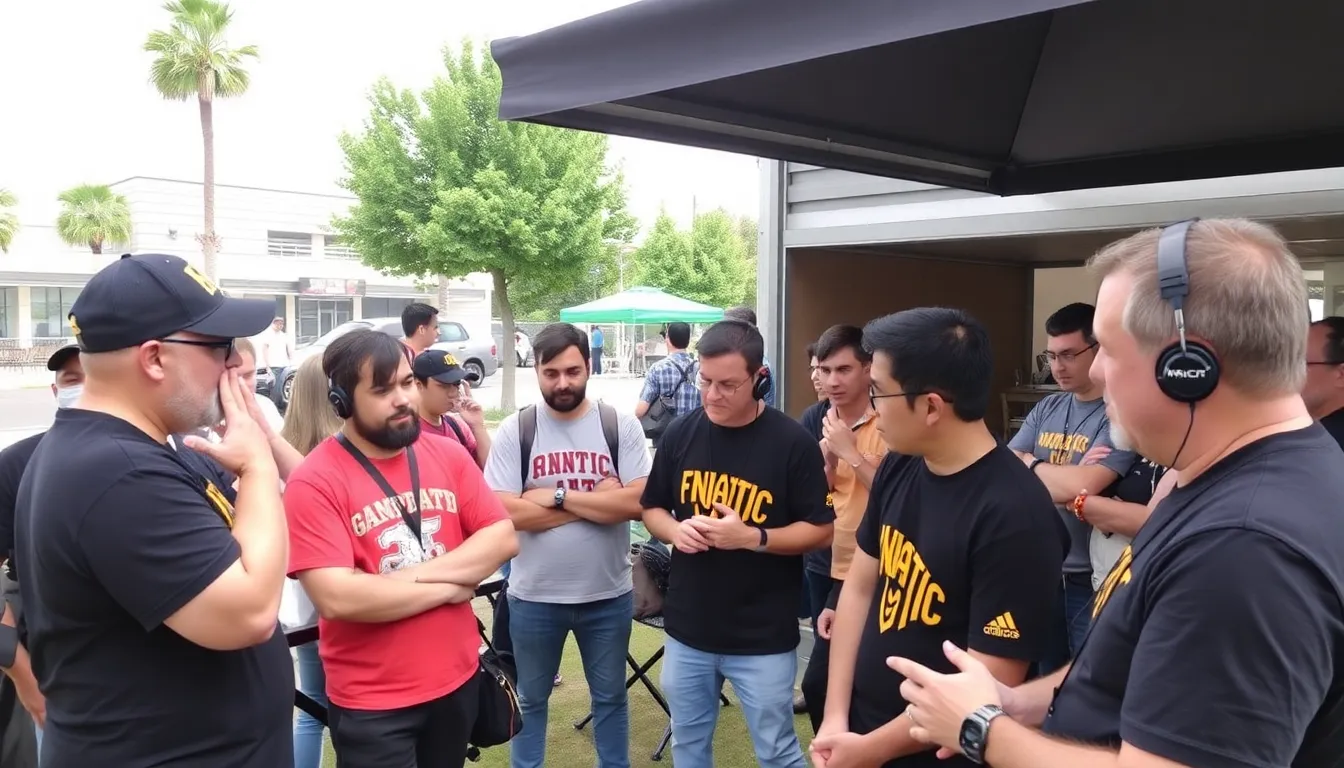
Meanwhile, meL, a well-known player in the VALORANT community, has made headlines with his decision to take a competitive break. This choice is not uncommon in the fast-paced world of esports, where burnout and mental health concerns are increasingly recognized. Players often face immense pressure to perform, leading some to step back and reassess their careers. meL’s break raises questions about the long-term sustainability of player careers in esports, especially in a highly competitive environment like VALORANT.
The Impact of Game Balance on Competitive Play
Another critical aspect of the current VALORANT landscape is the ongoing discussion around game balance, particularly concerning the character Neon. Despite calls from the community for nerfs, the developers have yet to implement any significant changes, leading to debates that are reminiscent of discussions around balancing player capabilities.
Historically, character balance has played a crucial role in shaping the competitive scene in VALORANT. Teams often build their strategies around the strengths and weaknesses of various agents, making balance adjustments vital for maintaining a fair and competitive environment. The lack of timely nerfs or buffs can lead to frustration among players and teams, further complicating the dynamics of roster changes and player performance.
In summary, the recent developments involving Fnatic’s roster changes, meL’s competitive break, and the ongoing balance issues with Neon illustrate the intricate interplay of factors that define the VALORANT competitive landscape. As teams and players navigate these challenges, the future of the game and its competitive integrity remains a topic of significant interest within the community.
Key issues surrounding roster changes and competitive breaks
The recent roster changes within Fnatic and the competitive break taken by player meL have sparked significant discussions within the VALORANT community. These developments highlight the ongoing evolution of team dynamics and player well-being in the esports landscape. As organizations seek to optimize their performance, the interests of various stakeholders, including players, management, and fans, come into play.
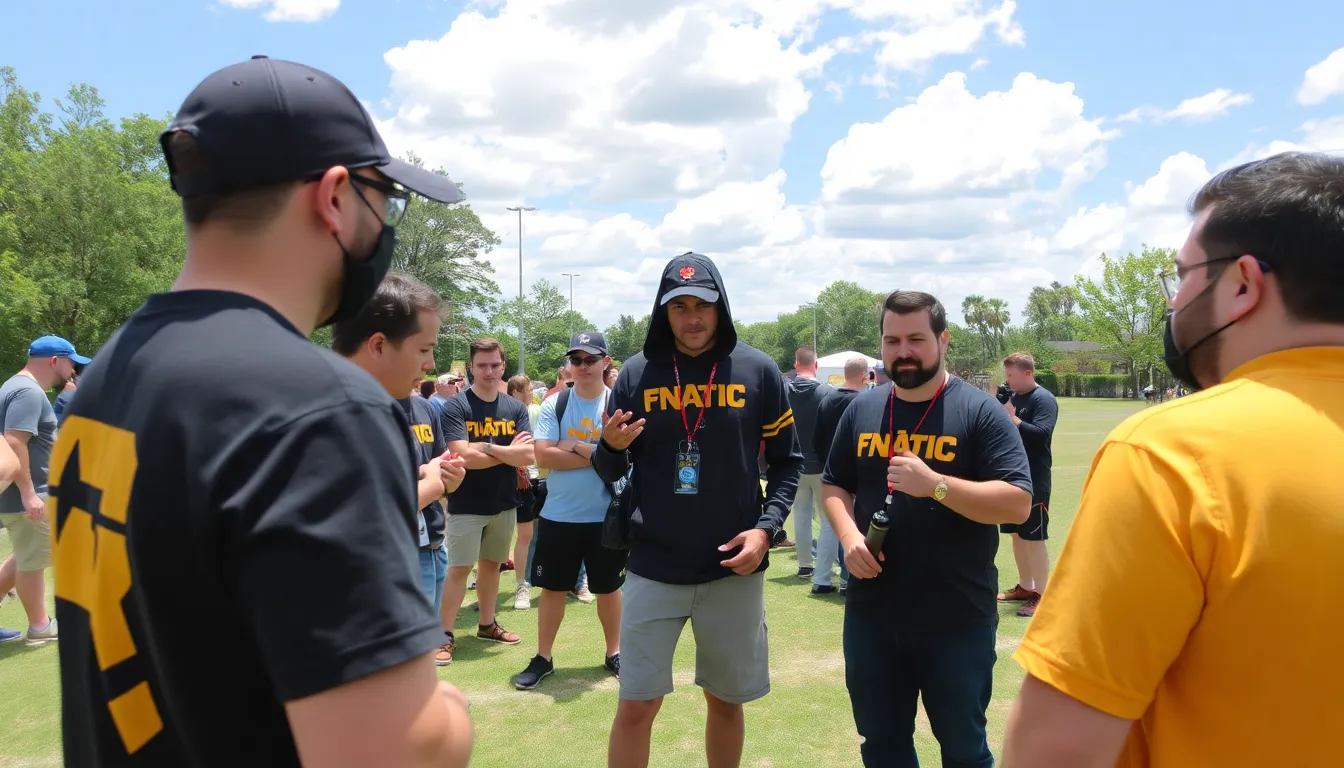
Fnatic’s roster changes are primarily driven by the organization’s desire to maintain a competitive edge in the VALORANT scene. This move may reflect internal assessments of player performance and synergy, as well as the need to adapt to the rapidly changing meta. For players, such changes can lead to uncertainty regarding their future roles, job security, and mental health, as they navigate the pressures of high-stakes competition.
On the other hand, meL’s decision to take a competitive break raises questions about player welfare and the sustainability of high-performance gaming careers. While breaks can be beneficial for mental health and personal development, they also create gaps in team strategies and performance. This scenario illustrates the trade-offs between individual player needs and the collective goals of the team.
Additionally, the ongoing absence of a nerf for the character Neon has become a contentious issue among players and teams alike. The perceived imbalance in gameplay can lead to frustration and dissatisfaction within the community, affecting player morale and competitive integrity. This situation underscores the importance of balancing game mechanics with the interests of both players and developers.
- Impact of roster changes on team chemistry and performance.
- Player mental health and the necessity of breaks in a demanding environment.
- Community reactions to game balance issues, particularly regarding Neon.
- Long-term implications for team strategy and player development.
- Stakeholder interests in maintaining a competitive yet supportive esports ecosystem.
Impact on players and the VALORANT competitive scene
The recent roster changes within Fnatic and meL’s competitive break have sent ripples throughout the VALORANT community, affecting various stakeholders including players, teams, and fans. These shifts are not just internal team dynamics; they influence the broader esports ecosystem, including sponsorships, viewership, and community engagement.

In the short term, players on affected teams may experience heightened pressure as they adapt to new teammates or ponder their future in the competitive scene. This could lead to fluctuations in performance, impacting match outcomes and potentially altering team standings in ongoing tournaments. For fans, these changes can create uncertainty but also excitement as they anticipate how new lineups will perform.
Mid-term, the implications extend beyond individual teams. The VALORANT competitive landscape may see a shift in sponsorship deals as brands reassess which teams to back based on performance and fan engagement. Additionally, the ongoing lack of a Neon nerf could alter gameplay dynamics, affecting strategies and team compositions, which in turn might influence viewer interest and engagement levels.
- Player performance: Changes can lead to instability in team performance.
- Sponsorship dynamics: Brands may shift their focus based on team success.
- Community engagement: Fans may become more engaged or disillusioned based on roster changes.
- Gameplay strategies: The absence of balance changes can impact competitive strategies.
While these changes present risks, they also open doors for opportunities. New players may emerge as stars, creating fresh narratives and rivalries that can invigorate the scene. Teams that successfully navigate these transitions could find themselves in a stronger position, potentially attracting more fans and investments.
A: Fnatic has made significant changes to their roster, which includes the addition of new players and the departure of some key members. These changes aim to enhance their performance in upcoming tournaments. A: meL has announced a competitive break to focus on personal well-being and reassess his future in esports. This decision comes amid a challenging season. A: As of now, there has been no official announcement regarding a nerf for Neon. The community continues to discuss the character’s balance in competitive play. A: The roster changes and ongoing discussions about character balance could significantly impact the VALORANT meta, influencing team strategies and player performances. A: With the new roster, Fnatic is expected to adapt quickly and aim for better results in upcoming competitions. Fans are eager to see how the team performs.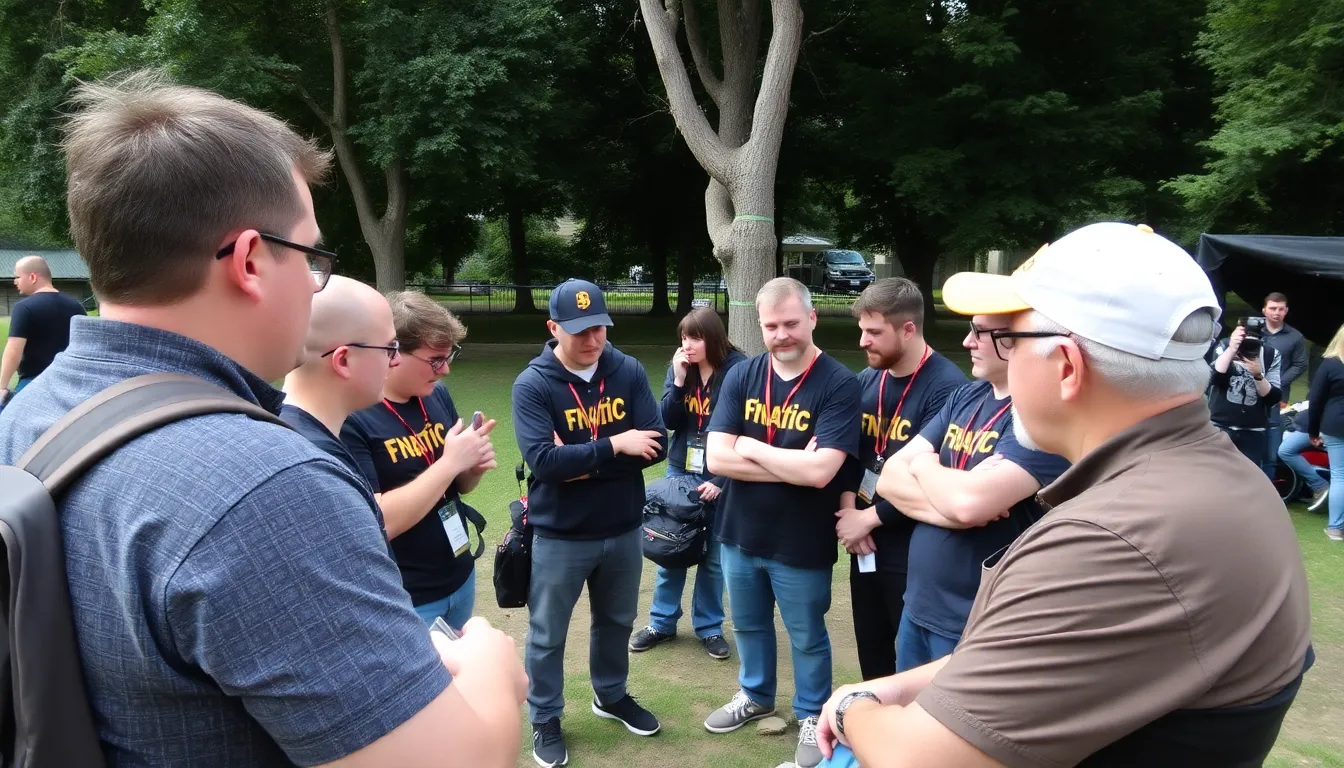
Frequently asked questions about the recent changes
Insights and future outlook for VALORANT
The recent roster changes within Fnatic signal a strategic shift as teams adapt to the evolving competitive landscape of VALORANT. With meL taking a break from the competitive scene, the impact on his team dynamics and performance will be closely monitored. Meanwhile, the absence of a nerf for Neon raises questions about balance and the meta, potentially influencing team compositions and strategies in upcoming tournaments.
<pAs the competitive scene continues to develop, teams will need to be agile and responsive to these changes. Observing how Fnatic integrates their new roster and how other teams adjust to meL's absence will be crucial in understanding the future competitive environment.
- Watch for Fnatic’s performance in upcoming matches to gauge the effectiveness of their roster changes.
- Monitor how meL’s break affects his team’s synergy and results in future competitions.
- Pay attention to the community’s response to Neon’s unchanged status and its implications for the meta.
- Consider how other teams might exploit or adapt to the shifts in player availability and team strategies.
- Keep an eye on potential future balance changes that may arise in response to the current meta dynamics.