


Pharmaceutical companies, including major manufacturers like Sanofi and GlaxoSmithKline, have indicated that production delays and increased demand have contributed to the shortages. Experts warn that these low stocks could hinder efforts to control the spread of the virus, particularly among vulnerable populations such as the elderly and those with pre-existing health conditions. For more insights on health-related concerns, check out our article on What to Do After Being Diagnosed with Bacterial Vaginosis.
Health officials urge individuals to seek vaccination early this season, as the limited availability may lead to long wait times or the inability to secure a vaccine altogether. Community health clinics and pharmacies are also feeling the pressure, with many reporting that their supplies have already been depleted.
The situation is further complicated by the ongoing impact of the COVID-19 pandemic, which has strained healthcare resources and affected vaccine distribution networks. As cases of influenza rise, the urgency for adequate vaccine access becomes increasingly critical for public health safety.
Understanding the factors contributing to vaccine shortages
The issue of private flu vaccine stocks running low is not a new phenomenon, but rather a culmination of various historical, political, and economic factors. Over the years, the demand for influenza vaccines has steadily increased, particularly during flu seasons marked by severe outbreaks. This rising demand, coupled with supply chain challenges and manufacturing limitations, has created a precarious situation where private stocks are often insufficient to meet public health needs. For a broader perspective on market dynamics, consider exploring the potential economic impact of AI slop in 2026.
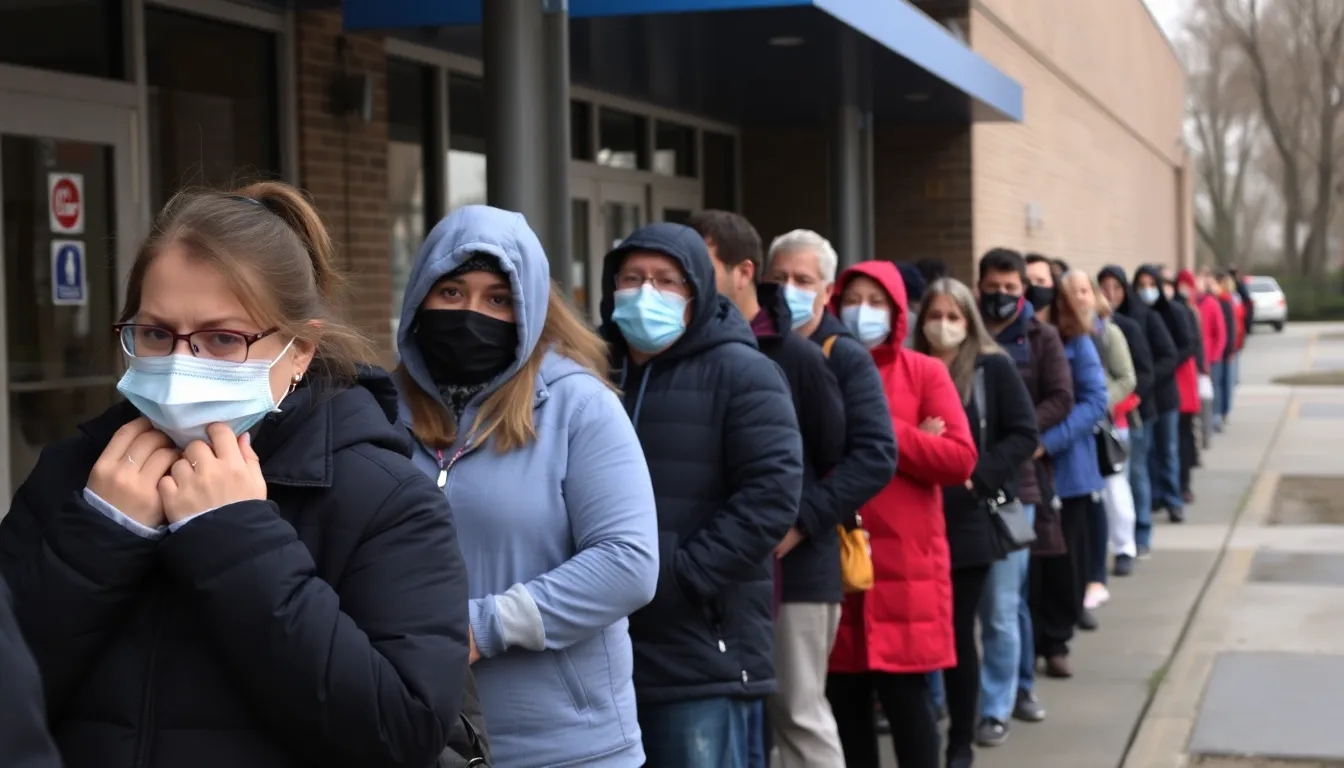
Historically, vaccine production has been heavily influenced by public health policies and funding. In the early 2000s, the U.S. government made significant investments in vaccine infrastructure to bolster public health responses to outbreaks. However, as the focus shifted towards other health priorities, funding for flu vaccine production dwindled, leaving manufacturers with less incentive to invest in robust production capabilities. This shift has had long-lasting implications for the availability of flu vaccines during critical times.
The impact of global events
Global health crises, such as the COVID-19 pandemic, have further strained vaccine production resources. Many manufacturers pivoted their operations to focus on COVID-19 vaccines, leading to a decrease in the production of other vaccines, including those for influenza. This realignment of priorities has highlighted the fragility of the vaccine supply chain and the potential consequences of global health emergencies on routine immunizations. To stay updated on related topics, explore the latest trends in technology.
Additionally, economic factors play a crucial role in vaccine availability. The cost of raw materials, regulatory compliance, and the complexities of distribution can lead to increased prices and reduced profit margins for manufacturers. As a result, some companies may choose to limit their production or exit the market altogether, exacerbating shortages during peak flu seasons.
As flu cases rise, the interplay of these historical, political, and economic factors underscores the urgent need for comprehensive strategies to ensure a stable supply of vaccines. Without addressing these underlying issues, the public health community may continue to face challenges in managing flu outbreaks effectively.
Key stakeholders and issues surrounding flu vaccine distribution
The distribution of flu vaccines involves a complex web of stakeholders, each with distinct interests and concerns. Key actors include pharmaceutical companies, healthcare providers, government health agencies, and the general public. Pharmaceutical companies, such as Pfizer and Moderna, are primarily focused on profit and market share, while healthcare providers aim to ensure patient access to vaccines. Government health agencies, like the Centers for Disease Control and Prevention (CDC) in the United States, are responsible for public health and safety, striving to maintain adequate vaccine supplies.
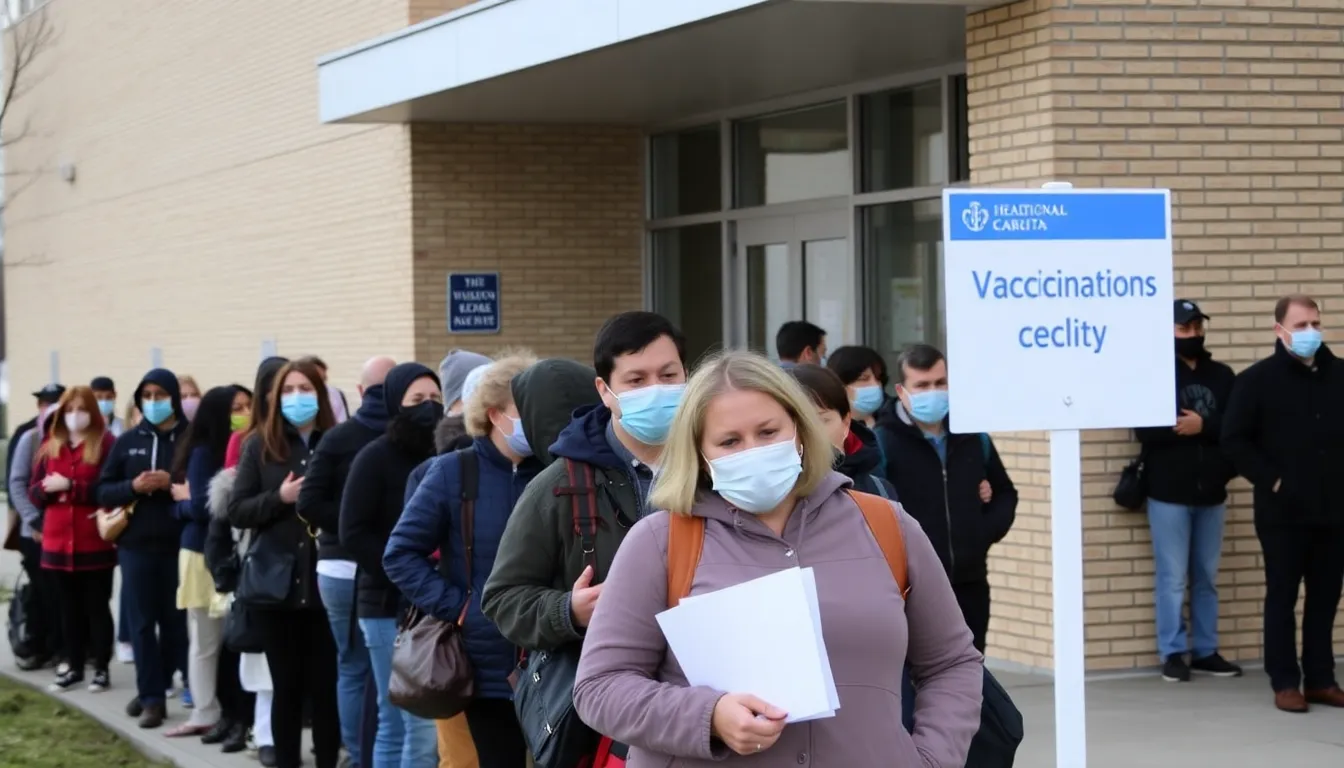
As flu cases rise, conflicts may arise between these stakeholders. Pharmaceutical companies may prioritize larger contracts or regions with higher profit margins, potentially leading to uneven distribution. Healthcare providers often face the challenge of managing patient demand amid vaccine shortages, which can result in public frustration and decreased trust in health systems. Government agencies must navigate the delicate balance of regulating vaccine distribution while ensuring that all populations have equitable access.
Furthermore, economic issues play a significant role in the flu vaccine landscape. The cost of vaccine production and distribution impacts pricing strategies, which can affect accessibility for low-income populations. Legal issues may also emerge, particularly concerning liability and the approval processes for new vaccines or formulations. These factors create trade-offs that stakeholders must carefully consider.
- Pharmaceutical companies: Focused on profit and market share.
- Healthcare providers: Aim to ensure patient access to vaccines.
- Government agencies: Responsible for public health and equitable distribution.
- Economic factors: Influence pricing and accessibility of vaccines.
- Legal considerations: Affect the approval and liability of vaccines.
Who is affected by the low vaccine stocks and what are the implications?
The shortage of private flu vaccine stocks is impacting various groups, notably vulnerable populations such as the elderly, young children, and individuals with pre-existing health conditions. These groups are at a higher risk of severe complications from influenza, making access to vaccines crucial for their health and well-being. Additionally, healthcare providers and public health officials are feeling the strain as they work to manage rising flu cases amidst dwindling vaccine supplies.
Industries such as healthcare, pharmaceuticals, and retail are also affected. Hospitals and clinics may face increased patient loads as flu cases rise, potentially overwhelming their resources. Pharmacies, which often serve as the first point of contact for vaccinations, may struggle to meet demand, leading to longer wait times and frustrated customers. The ripple effect could influence the overall economy, particularly in regions experiencing severe outbreaks.

In the short term, businesses may need to adjust their policies regarding employee health and safety. Companies might implement more stringent sick leave policies to encourage employees to stay home when ill, which could disrupt productivity. In the mid-term, public health policies may shift to prioritize vaccine distribution and accessibility, potentially leading to increased government intervention in the healthcare sector.
- Risks: Increased healthcare costs due to higher hospitalization rates.
- Risks: Potential for vaccine hesitancy if shortages persist.
- Opportunities: Pharmaceutical companies may innovate to develop more effective vaccines.
- Opportunities: Increased public awareness and funding for flu prevention initiatives.
Overall, the implications of low vaccine stocks extend beyond just health concerns, influencing various sectors and prompting a reevaluation of public health strategies and business practices in response to the flu season.
A: The low stocks are primarily due to increased demand as flu cases rise, coupled with supply chain disruptions affecting vaccine production. A: It’s advisable to check with local health departments or clinics for availability, as they may receive new shipments or have alternative options. A: If a vaccine is unavailable, focus on preventive measures such as practicing good hygiene, staying home when sick, and consulting a healthcare provider for advice. A: Yes, low availability can lead to higher infection rates, increased hospitalizations, and greater strain on healthcare systems. A: Replenishment timelines vary by manufacturer and distributor, but health officials are working to expedite shipments as demand continues.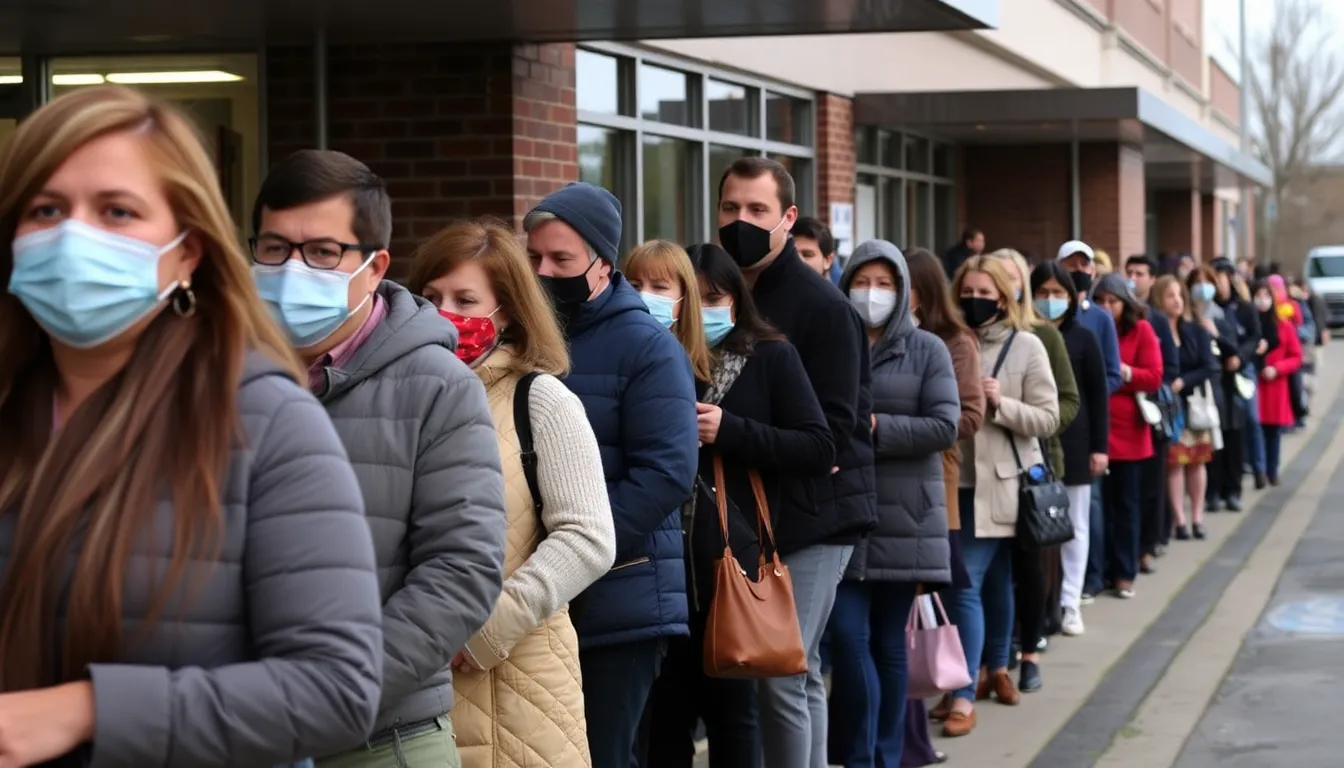
Frequently asked questions about flu vaccine shortages
Looking ahead: what the future holds for flu vaccine availability
The current shortage of private flu vaccine stocks coinciding with a rise in flu cases raises critical concerns for public health and vaccination strategies. As demand continues to outpace supply, it is essential to monitor the evolving landscape of vaccine distribution and accessibility. The situation calls for proactive measures from both healthcare providers and policymakers to ensure that vulnerable populations are adequately protected.
Future scenarios could involve increased collaboration between public health agencies and private manufacturers to streamline production and distribution processes. Additionally, ongoing communication about vaccine availability will be crucial in managing public expectations and encouraging timely vaccinations.
- Monitor vaccine distribution channels: Keep an eye on how vaccines are allocated, especially to high-risk groups.
- Advocate for public-private partnerships: Encourage collaboration to enhance vaccine production capabilities.
- Stay informed about flu trends: Track flu case numbers to anticipate future vaccine needs and adjust strategies accordingly.
- Promote vaccination awareness: Increase public awareness campaigns to emphasize the importance of flu vaccination even amid shortages.
- Prepare for potential policy changes: Be ready for adjustments in vaccination policies as the situation evolves and new data emerges.