


However, the announcement was met with significant backlash from both fans and critics of the brand. Many traditional Ferrari enthusiasts expressed concerns that the Luce would dilute the brand’s heritage and performance identity, which has been built on high-performance combustion engines. Social media platforms were flooded with mixed reactions, highlighting a divide between the company’s innovative aspirations and its loyal customer base. For more insight, check out the article on Ferrari facing backlash over Luce electric vehicle plans.
In addition to fan concerns, industry analysts have pointed out the challenges Ferrari may face in a highly competitive market dominated by established Chinese players like BYD and NIO. These companies have rapidly advanced in EV technology and infrastructure, making it increasingly difficult for new entrants to gain traction. The backlash has raised questions about whether Ferrari can successfully navigate this transition without alienating its core audience.
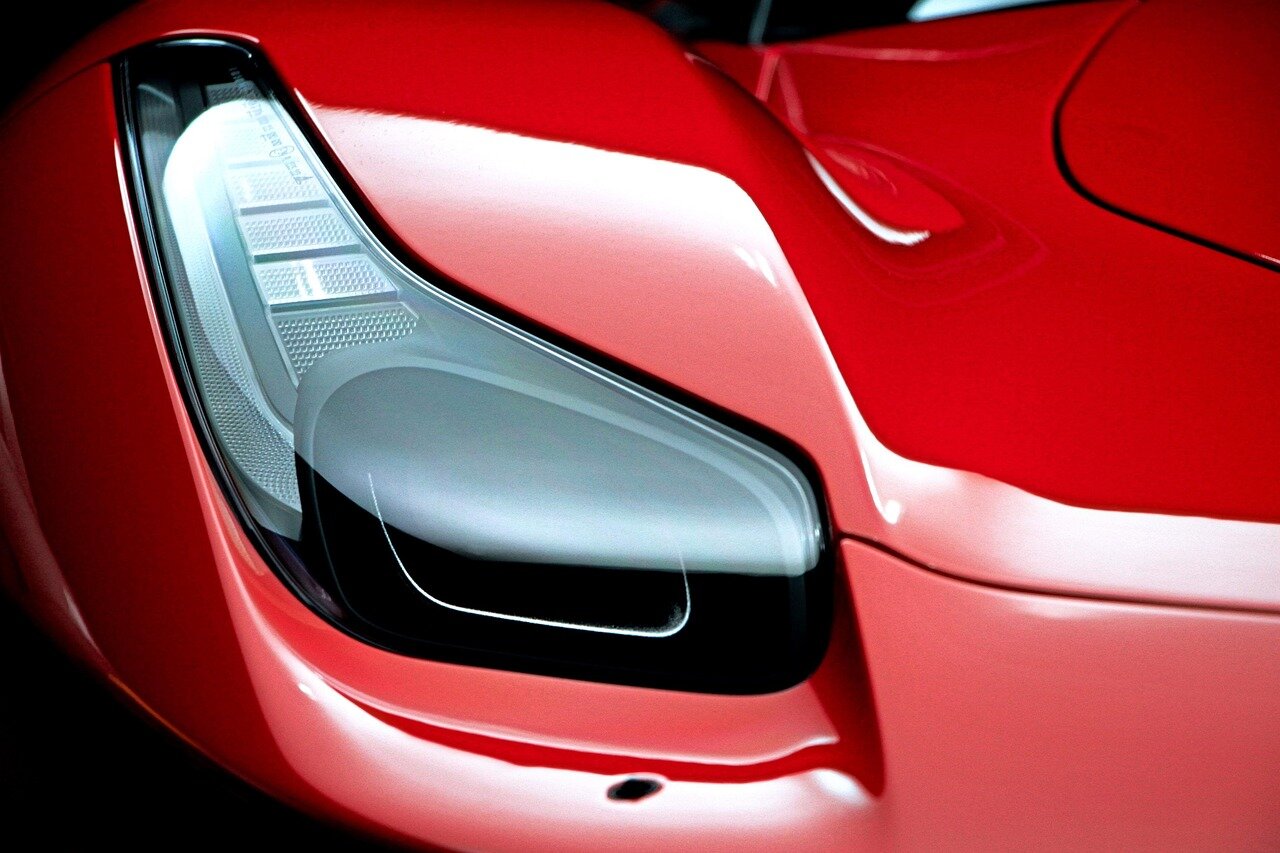
As the company moves forward with the Luce, it must carefully balance innovation with its storied legacy. The upcoming months will be crucial for Ferrari as it seeks to address the concerns raised by its community while also positioning itself as a serious contender in the electric vehicle landscape.
The rise of Chinese electric vehicles and market dynamics
In recent years, the global automotive landscape has been significantly transformed by the rapid rise of Chinese electric vehicles (EVs). With government backing and a focus on innovation, Chinese manufacturers have surged ahead, capturing both domestic and international markets. This shift has been fueled by a combination of favorable policies, substantial investments in technology, and a growing demand for sustainable transportation solutions.
Historically, the Chinese government has prioritized the development of the EV sector as part of its broader strategy to reduce pollution and dependence on fossil fuels. Initiatives such as subsidies for EV purchases and investments in charging infrastructure have played a crucial role in making electric vehicles more accessible to the public. By 2023, China had become the largest market for electric cars, with local brands like NIO, Xpeng, and BYD leading the charge.
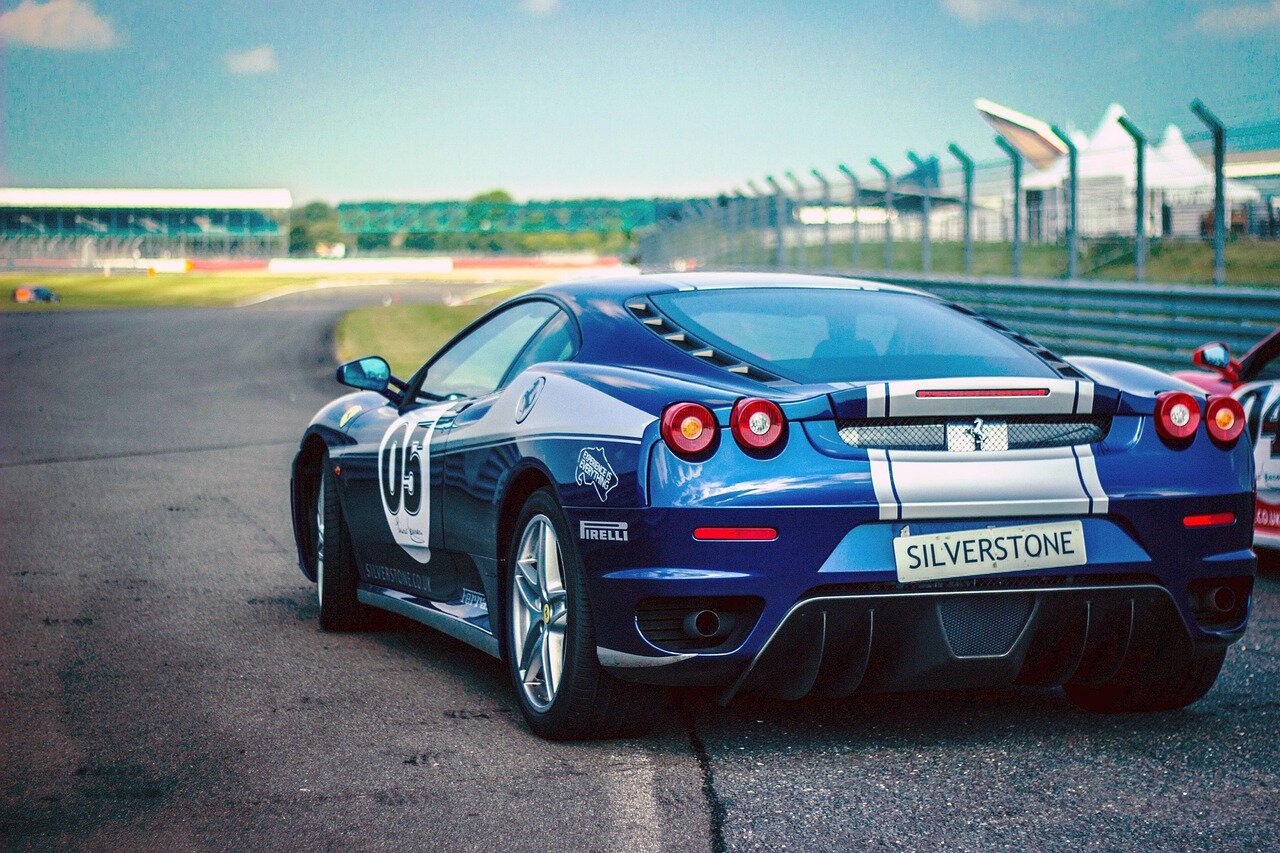
As the competition intensified, established automakers began to take notice of the potential threat posed by these rising Chinese brands. Ferrari, a symbol of luxury and performance, recognized the need to adapt in order to remain relevant in an evolving market. The company aimed to introduce the Luce, its first electric model, to compete directly with the emerging Chinese EVs. However, this move was met with unexpected backlash, highlighting the complexities of entering a market dominated by local players. For a deeper understanding of consumer reactions, see our coverage on how backlash affects brand strategies.
Market Reaction and Political Implications
The backlash against Ferrari’s intentions to launch the Luce in China can be attributed to a mix of nationalism and economic concerns. Many consumers and industry observers expressed apprehension about foreign brands encroaching on a market that was increasingly seen as a source of national pride. This sentiment was further exacerbated by ongoing geopolitical tensions, which have led to a heightened scrutiny of foreign investments and products.
As Ferrari navigates this challenging landscape, it faces the dual challenge of maintaining its brand identity while also appealing to a market that is becoming more sophisticated and demanding. The situation underscores the delicate balance that foreign automakers must strike in China, where local preferences and political dynamics can significantly influence the success of their ventures.
Key stakeholders and the controversies surrounding Ferrari’s strategy
Ferrari, the iconic Italian luxury sports car manufacturer, has found itself at the center of a heated debate as it attempts to enter the competitive electric vehicle (EV) market in China with its new model, the Luce. This initiative has attracted the attention of various stakeholders, including consumers, environmental groups, automotive competitors, and government regulators. Each of these parties has distinct interests that influence their stance on Ferrari’s strategy.
One of the primary stakeholders is Ferrari itself, which aims to expand its market share by tapping into the rapidly growing Chinese EV sector. The company seeks to blend its brand identity of luxury and performance with sustainable technology, hoping to attract a new generation of environmentally conscious consumers. However, this ambition has been met with skepticism from traditional Ferrari enthusiasts who fear that the shift to electric could dilute the brand’s heritage.
Chinese consumers represent another critical group, as their preferences are shifting towards more sustainable transportation options. This demographic is increasingly interested in innovative technologies and environmentally friendly products. However, the backlash against foreign brands in favor of domestic EV manufacturers complicates Ferrari’s entry into this market. Local companies, such as NIO and Xpeng, have established strong brand loyalty and are perceived as more aligned with national interests. To explore similar dynamics in brand perception, check out the story of Frank’s downfall and his struggle to connect with players and fans.
Additionally, regulatory bodies in China play a significant role in shaping the landscape for foreign automakers. The government has implemented policies to promote local EV production, which can create barriers for foreign companies like Ferrari. These regulations include tariffs, quotas, and incentives for domestic manufacturers, raising questions about fair competition and market access.
- Brand Identity vs. Market Expansion: Ferrari’s challenge lies in maintaining its luxury image while adapting to the EV market.
- Consumer Preferences: The shift towards sustainability may favor local brands over foreign entrants.
- Regulatory Environment: Government policies could hinder Ferrari’s ability to compete effectively in China.
- Environmental Concerns: Stakeholders are increasingly focused on the ecological impact of luxury automotive production.
- Global Competition: Ferrari faces pressure not only from local brands but also from established global EV manufacturers.
In summary, Ferrari’s strategy to launch the Luce in China is fraught with complexities involving multiple stakeholders, each with their interests and concerns. The interplay between brand heritage, consumer expectations, and regulatory challenges will shape the outcome of this ambitious venture.
How the backlash affects Ferrari and the EV market
The recent backlash against Ferrari’s entry into the electric vehicle (EV) market with the Luce has significant implications for various stakeholders. Primarily, this situation affects luxury automotive manufacturers, consumers, and the broader EV industry, particularly in regions like China where local EVs are gaining traction.
In the short term, Ferrari’s reputation may suffer as consumers express concerns over the brand’s commitment to sustainability and innovation. This could lead to a decline in sales, not only for the Luce but also for existing models, as brand loyalty may be tested. Additionally, the backlash may prompt other luxury brands to reconsider or delay their own EV launches, impacting the competitive landscape.
In the mid-term, the backlash could influence policy decisions regarding EV incentives and regulations. Governments may reassess their support for foreign luxury brands in favor of domestic manufacturers, potentially reshaping the market dynamics. The luxury automotive segment might also see a shift in consumer preferences, with buyers increasingly favoring brands that demonstrate a genuine commitment to eco-friendly practices.
- Risks: Potential decline in sales, damage to brand reputation, and increased scrutiny from regulators.
- Opportunities: An impetus for Ferrari to innovate further, partnerships with local firms, and potential for rebranding efforts focused on sustainability.
Ultimately, while the backlash presents challenges for Ferrari, it also opens doors for the brand to redefine its approach to electric mobility and consumer engagement in an evolving market landscape.
Frequently asked questions about Ferrari’s Luce
A: Ferrari aimed to expand its market presence and compete with the growing popularity of electric vehicles, particularly from Chinese manufacturers.
A: The backlash stemmed from concerns over the brand’s shift from traditional performance vehicles to electric models, which some fans viewed as a departure from its heritage.
A: Chinese EVs are rapidly gaining market share due to their affordability, advanced technology, and increasing consumer acceptance, forcing traditional brands to adapt.
A: Continued backlash could harm Ferrari’s brand reputation and sales, potentially leading to a reevaluation of its electric vehicle strategy.
A: While Ferrari has not specified an exact launch date, industry analysts suggest that the Luce could debut within the next few years, depending on market conditions.
Future outlook for Ferrari in the electric vehicle sector
The recent backlash against Ferrari’s Luce model highlights the complexities the brand faces as it attempts to enter the electric vehicle market. While the ambition to compete with Chinese EV manufacturers is commendable, the strong reactions from both consumers and critics suggest that Ferrari must navigate a delicate balance between innovation and brand heritage. The luxury automaker’s ability to adapt to the evolving landscape will be crucial in determining its success in this competitive arena.
Moving forward, Ferrari will need to assess consumer expectations and preferences while staying true to its iconic identity. The challenges posed by emerging competitors, coupled with the potential backlash from loyal customers, necessitate a strategic approach that embraces both technological advancements and the brand’s storied legacy.
- Monitor consumer sentiment towards luxury electric vehicles, particularly in the context of Ferrari’s brand image.
- Evaluate the competitive landscape, focusing on the strategies employed by Chinese EV manufacturers.
- Consider partnerships or collaborations that could enhance technological capabilities and market reach.
- Develop marketing strategies that effectively communicate the value of Ferrari’s electric offerings while respecting its heritage.
- Stay agile in product development to respond to rapid changes in consumer preferences and technological advancements.