


However, the FBI utilized advanced forensic tools to access these messages, demonstrating the agency’s ability to circumvent traditional data deletion protocols. This incident underscores the ongoing debate surrounding digital privacy rights.
This incident underscores the ongoing debate surrounding digital privacy rights. As law enforcement agencies increasingly adopt sophisticated techniques to access personal data, concerns about individual privacy and the potential for misuse of such capabilities are becoming more pronounced.
The implications of this case extend beyond the immediate legal context, as it may set a precedent for future cases involving encrypted messaging platforms. The balance between national security interests and personal privacy continues to be a contentious issue, prompting discussions among lawmakers, tech companies, and civil rights advocates.
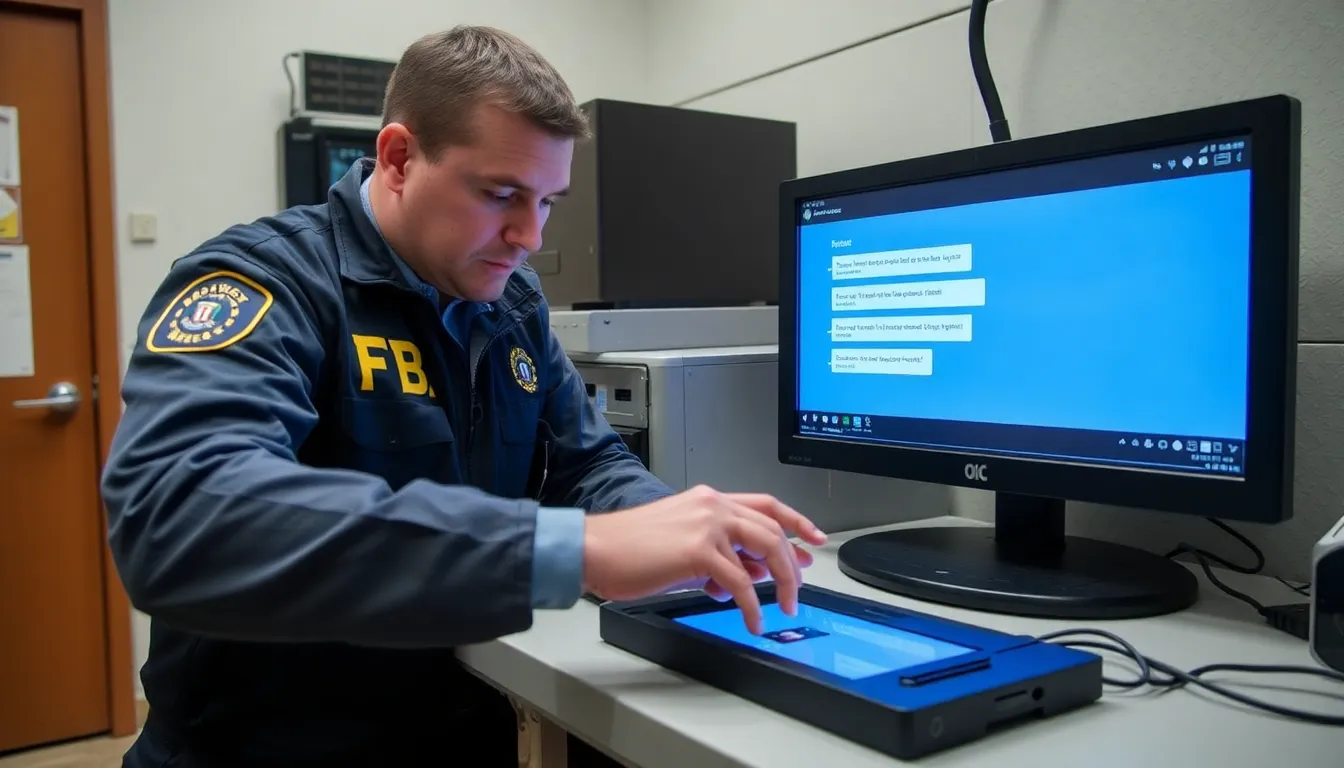
Understanding the importance of digital evidence in criminal investigations
In an increasingly digital world, the role of electronic communications in criminal investigations has become paramount. The proliferation of messaging applications like Signal, which offer end-to-end encryption, has raised significant challenges for law enforcement agencies attempting to gather evidence. As these technologies evolve, so too do the methods employed by authorities to access critical information that may be hidden within digital devices.
The case of the FBI extracting deleted Signal messages from a defendant’s iPhone illustrates the complex interplay between privacy rights and the needs of law enforcement. This evolution has sparked debates over the balance between safeguarding civil liberties and ensuring public safety, raising parallels to cases like Milkyway cleared of match-fixing allegations.
Key milestones in this ongoing struggle include landmark cases and legislative efforts that have shaped the current environment. For instance, the 2014 Supreme Court decision in Riley v. California established that police must obtain a warrant to search a cell phone, recognizing the vast amount of personal information contained within these devices. This ruling set a precedent that highlights the need for judicial oversight in the context of digital searches, emphasizing the importance of protecting individual rights in the face of law enforcement’s technological advancements.
The Technological Arms Race
As encryption technologies become more sophisticated, law enforcement agencies find themselves in a technological arms race with criminals who leverage these tools to evade detection. This dynamic has prompted agencies like the FBI to invest in advanced forensic techniques and collaborate with tech companies to develop solutions for accessing encrypted data. The challenges posed by these advancements raise critical questions about the limits of governmental power and the ethical implications of accessing private communications in the pursuit of justice.
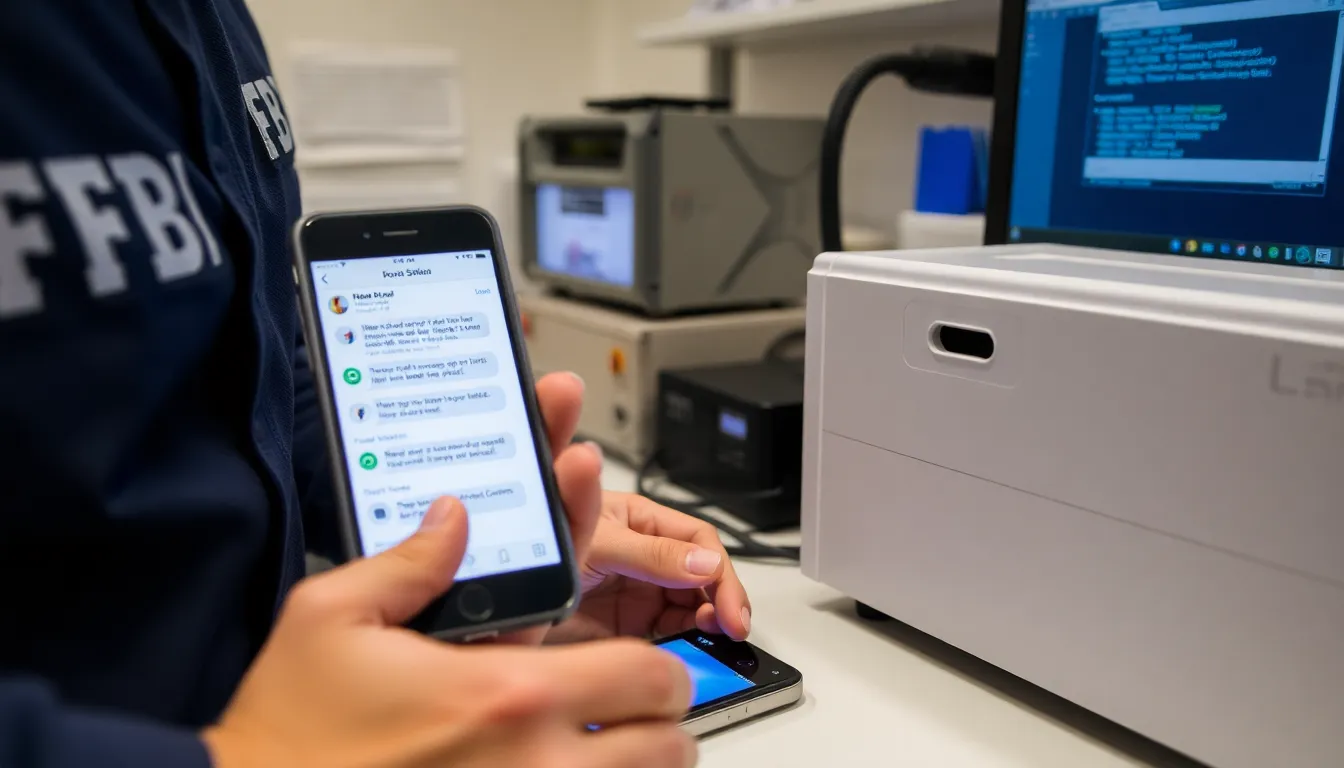
Key stakeholders and the implications of message retrieval
The recent case involving the FBI’s extraction of deleted Signal messages from a defendant’s iPhone has brought several key stakeholders into the spotlight. These stakeholders include the FBI, the defendant, technology companies like Signal, privacy advocates, and legal experts. Each of these actors has distinct interests and concerns regarding the implications of such technological capabilities.
However, this raises significant ethical questions regarding privacy and the extent of government surveillance, underscoring the need for individuals to consider their communication methods, much like the concerns reflected in recent trends in media and digital presence.
For the defendant, the retrieval of deleted messages can have severe repercussions. It can undermine their defense strategy and raise questions about the integrity of their communication privacy. This scenario highlights the trade-offs individuals face when using encrypted messaging services, where the expectation of privacy may not be as secure as presumed.
- Technology companies: Signal and similar platforms may face pressure to enhance their encryption methods to protect user privacy, while also balancing compliance with law enforcement requests.
- Privacy advocates: Organizations focused on civil liberties are likely to argue against the FBI’s methods, emphasizing the need for stronger protections against unwarranted surveillance.
- Legal experts: The case raises important legal questions about the admissibility of evidence obtained through such means and the implications for future cases.
Furthermore, the economic implications of this case cannot be overlooked. As technology continues to evolve, companies may need to invest more in security features to maintain user trust and comply with legal standards. This could lead to increased costs for consumers and businesses alike, as well as a potential shift in the market dynamics of communication technologies.
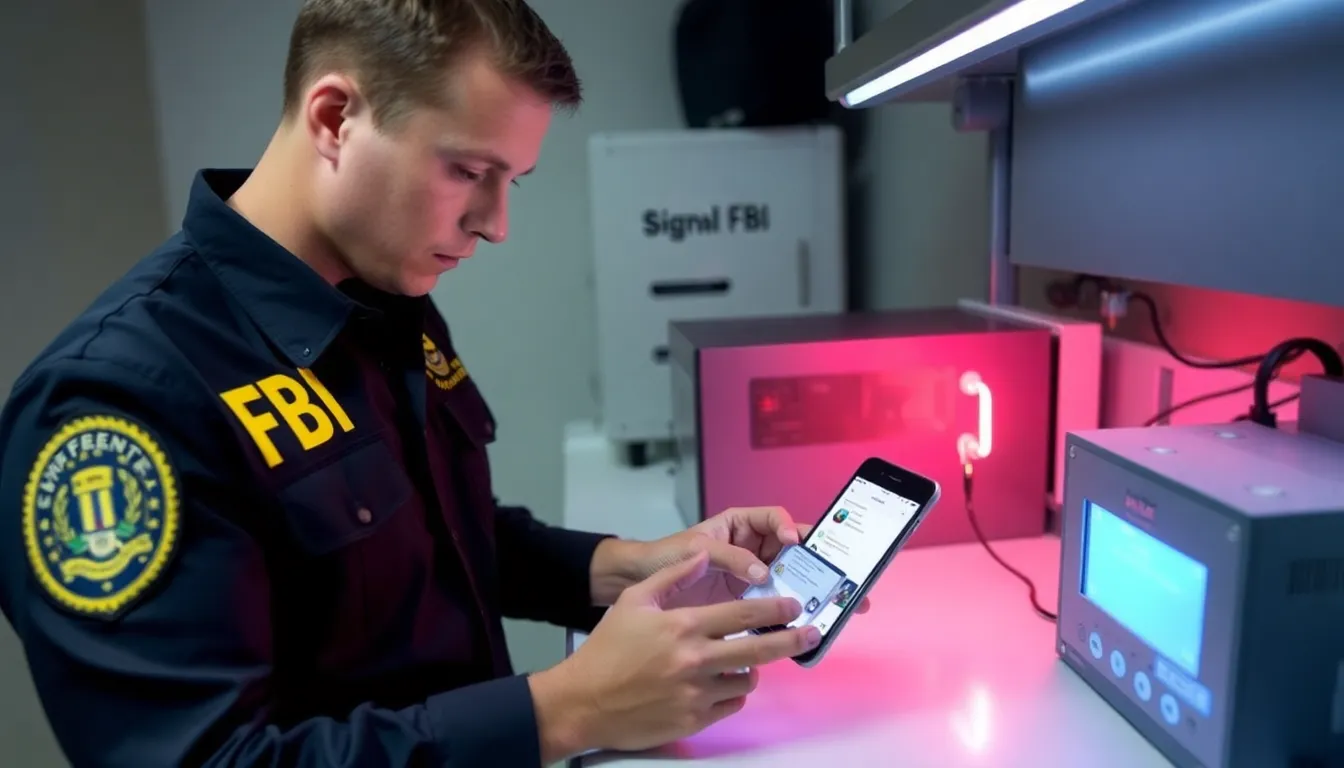
How this case affects defendants and the tech industry
The recent case involving the FBI’s extraction of deleted Signal messages from a defendant’s iPhone has raised significant concerns among various groups, particularly defendants in legal proceedings and the tech industry. Individuals facing legal scrutiny may feel increasingly vulnerable as this incident highlights the potential for law enforcement to access private communications, even those deemed deleted. This could lead to a chilling effect on how individuals communicate, especially regarding sensitive topics.
In the tech industry, companies that prioritize user privacy and data security, such as messaging apps, are now under pressure to reassess their encryption practices and data retention policies. The implications of this case could prompt a broader discussion about the balance between user privacy and law enforcement needs, potentially leading to new regulations that could reshape the landscape of digital communication.
- Short-term impacts: Increased scrutiny on privacy practices and potential changes in user behavior regarding messaging apps.
- Mid-term impacts: Possible legislative changes aimed at regulating data access for law enforcement, affecting how tech companies develop their products.
- Risks: Erosion of trust in messaging platforms and a potential backlash against companies perceived as compromising user privacy.
- Opportunities: Development of enhanced security features and privacy-focused products that could attract users concerned about data safety.
As the legal and tech communities grapple with the ramifications of this case, the conversation surrounding digital privacy is likely to intensify. Stakeholders must navigate the fine line between ensuring public safety and protecting individual rights, which could lead to innovative solutions that enhance both security and privacy in digital communications.
A: The FBI utilized advanced digital forensics techniques to recover messages that were deleted from the Signal app. This process often involves specialized software and methods to bypass encryption. A: The retrieval of deleted messages can have significant legal implications, especially concerning privacy rights and the admissibility of evidence in court. It raises questions about digital privacy. A: Not always. The success of recovery depends on various factors, including the device’s storage, the time elapsed since deletion, and whether the data has been overwritten. A: Encryption complicates the recovery of deleted messages, as it protects data from unauthorized access. However, forensic tools can sometimes circumvent these protections. A: This case sets a precedent for future digital investigations, highlighting the potential for law enforcement to access deleted communications, which may influence how individuals handle their digital privacy.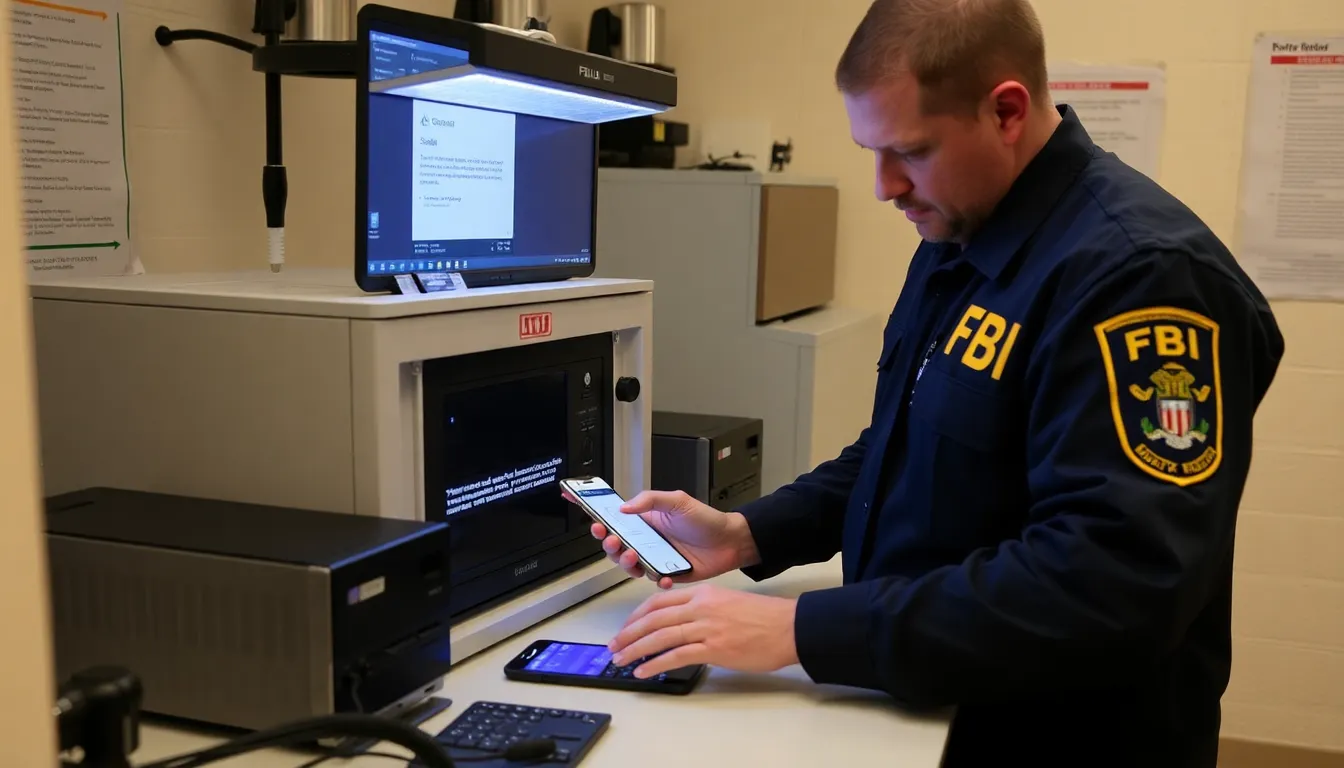
Frequently Asked Questions about the FBI’s methods
Key takeaways and future implications of digital evidence retrieval
The recent case involving the FBI’s ability to extract deleted Signal messages from a defendant’s iPhone highlights the evolving landscape of digital evidence and its implications for privacy and law enforcement. As technology advances, so do the methods employed by authorities to access potentially incriminating information, raising questions about the balance between security and individual privacy rights.
As digital communication continues to grow in complexity, stakeholders must remain vigilant about the implications of data retrieval techniques. Understanding these developments is crucial for both legal professionals and individuals who rely on encrypted messaging for private conversations.
- Increased scrutiny on encryption: The ability to recover deleted messages may lead to calls for stronger regulations on encryption technologies.
- Legal precedents: This case may set important legal precedents regarding the admissibility of digitally recovered evidence in court.
- Privacy concerns: Users should be aware of the potential risks to their privacy when using messaging apps, even those marketed as secure.
- Technological advancements: Continued advancements in forensic technology will likely enable law enforcement to access more types of data, prompting a need for updated privacy legislation.
- Public awareness: There is a growing need for public education on digital privacy and the implications of digital footprints in legal contexts.