


This tragic incident has left many families in despair, particularly as it coincides with the Eid celebrations, a time traditionally associated with joy and togetherness. Instead of celebrating, families are now grappling with loss and uncertainty, as they desperately seek information about those missing, highlighting the ongoing struggles experienced by victims of violence in conflict zones.
The Afghan government has condemned the strike, calling it a violation of humanitarian norms, while international organizations have expressed grave concern over the safety of civilians in conflict zones. The ongoing violence in Afghanistan continues to pose a serious threat to the well-being of its citizens, exacerbating an already dire humanitarian situation.
As families gather outside hospitals and makeshift shelters, the emotional toll of the strike is palpable. Many are left wondering how they will cope with the aftermath, both in terms of loss and the ongoing instability that plagues the region. This incident serves as a stark reminder of the fragility of peace and the urgent need for a resolution to the ongoing conflict in Afghanistan.
Understanding the background of the Kabul hospital attack
The recent attack on a hospital in Kabul during Eid has highlighted the ongoing struggles faced by Afghan families amid a backdrop of political instability and violence. Since the Taliban regained control of Afghanistan in August 2021, the country has experienced a significant deterioration in security, leading to increased fear and uncertainty among the population, much like the recent strike on a girls’ school in Iran.
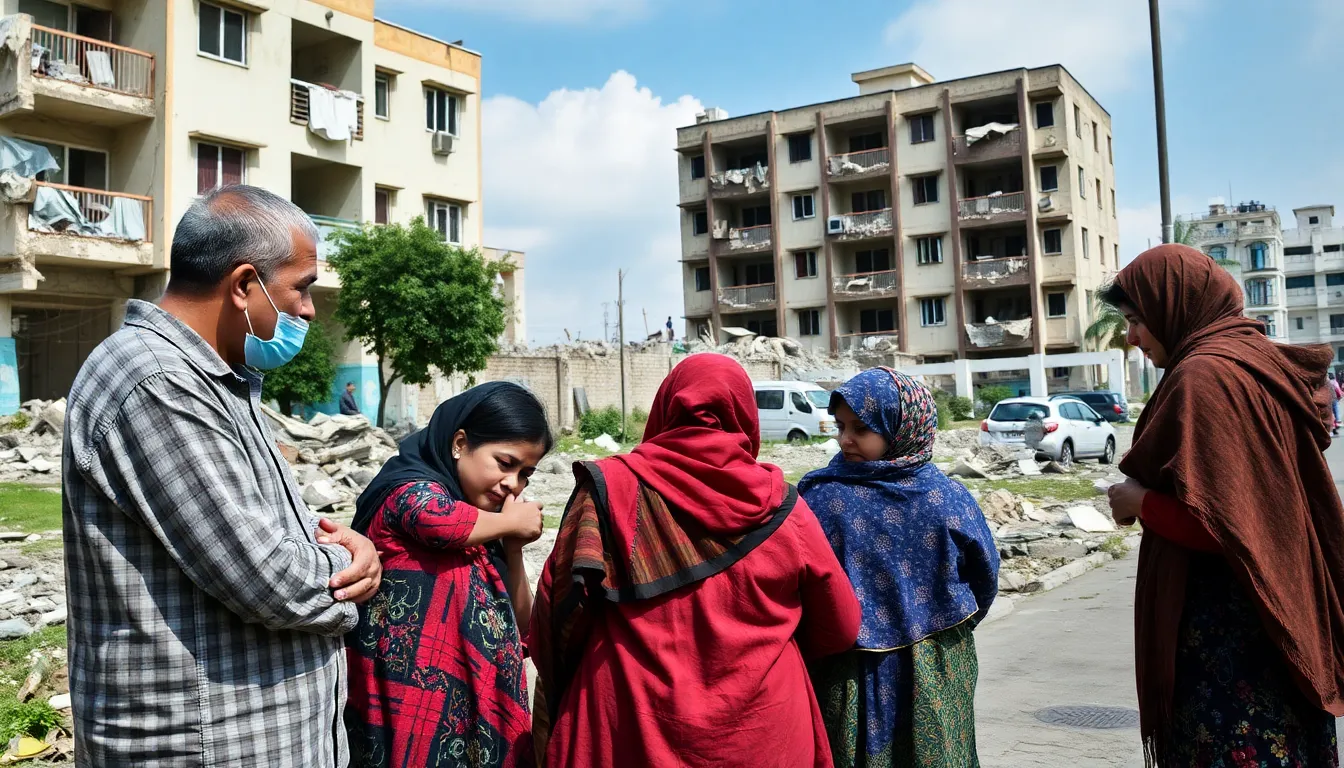
The historical context of the conflict in Afghanistan is complex, marked by decades of war and foreign intervention. The Soviet invasion in 1979, followed by years of civil war, and the subsequent rise of the Taliban in the 1990s created a cycle of violence that has persisted into the 21st century. The U.S.-led invasion in 2001 aimed to dismantle the Taliban regime and eradicate terrorist threats, but it also set the stage for a prolonged conflict that has left deep scars on the nation’s social fabric.
Economically, Afghanistan has struggled to rebuild following years of conflict. The healthcare system, in particular, has suffered from inadequate funding and infrastructure, making hospitals vulnerable targets during attacks. As international aid has diminished in the wake of the Taliban’s return to power, the ability of healthcare facilities to operate safely and effectively has been severely compromised, leading to tragic outcomes for patients and their families.
The impact of violence on civilians
The impact of violence on civilians in Afghanistan cannot be overstated. Attacks on hospitals and healthcare workers have become increasingly common, exacerbating the humanitarian crisis. Families are left to navigate the aftermath of such tragedies, searching for loved ones in the chaos and mourning the loss of those who were meant to receive care, similar to the devastating consequences seen in the Pakistan air strike at a Kabul drug rehab centre.
Key stakeholders and issues surrounding the attack
The tragic strike on the hospital in Kabul during Eid has drawn attention to a complex web of stakeholders, each with distinct interests and concerns. Families of victims are at the forefront, desperately searching for their loved ones and grappling with profound grief. Their immediate need for information and support underscores the human cost of such violence.
Another key actor in this scenario is the Afghan government, which faces immense pressure to ensure the safety of its citizens and respond effectively to such attacks. The government’s ability to provide security and maintain public trust is critical, particularly in a time of heightened vulnerability during significant cultural and religious observances.
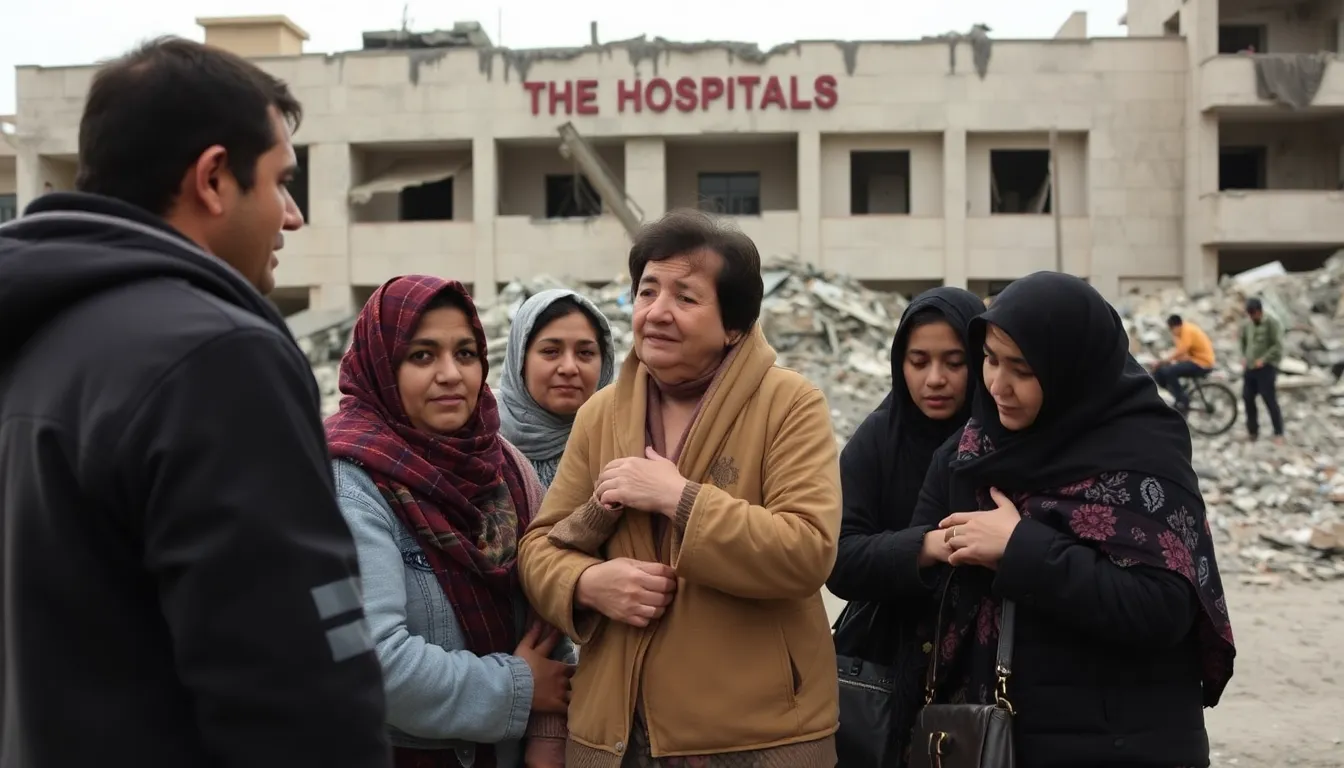
International organizations, including humanitarian agencies and the United Nations, are also involved, as they aim to deliver aid and support to affected families. Their interests lie in addressing the humanitarian crisis and advocating for the protection of civilians in conflict zones. The challenge they face is navigating the political landscape while ensuring that assistance reaches those in need.
- Humanitarian Impact: The immediate need for medical care and psychological support for survivors and families affected by the attack.
- Security Concerns: Ongoing threats to public safety and the implications for future healthcare access in conflict-affected areas.
- Political Ramifications: The potential for increased scrutiny of the Afghan government’s effectiveness and legitimacy in providing security.
- International Response: The role of foreign governments and NGOs in addressing the aftermath and supporting recovery efforts.
Legal issues also arise in the context of such attacks, particularly regarding accountability for violence against civilians. The potential for war crimes investigations and the need for justice for victims are pressing concerns that complicate the broader narrative surrounding the conflict in Afghanistan.
The impact of the hospital strike on families and the community
The recent hospital strike in Kabul has left families devastated, as they search for their loved ones amidst the chaos. This tragic event has affected not only the immediate victims but also the wider community, creating a ripple effect across various sectors. Families are grappling with loss, uncertainty, and fear, which will have long-lasting implications for their daily lives.
In the short term, the emotional toll on families is profound, with many experiencing trauma and grief. The healthcare system is also strained, as hospitals become overwhelmed with casualties. Businesses in the vicinity may face disruptions, as people prioritize safety over commerce, leading to decreased foot traffic and economic activity.
In the mid-term, the impact could extend to policy changes, as the government may feel pressure to enhance security measures in public spaces, including hospitals. This could lead to increased military presence and heightened vigilance, which might alter the daily routines of citizens. Additionally, NGOs and humanitarian organizations may ramp up their efforts to provide psychological support and resources for affected families.
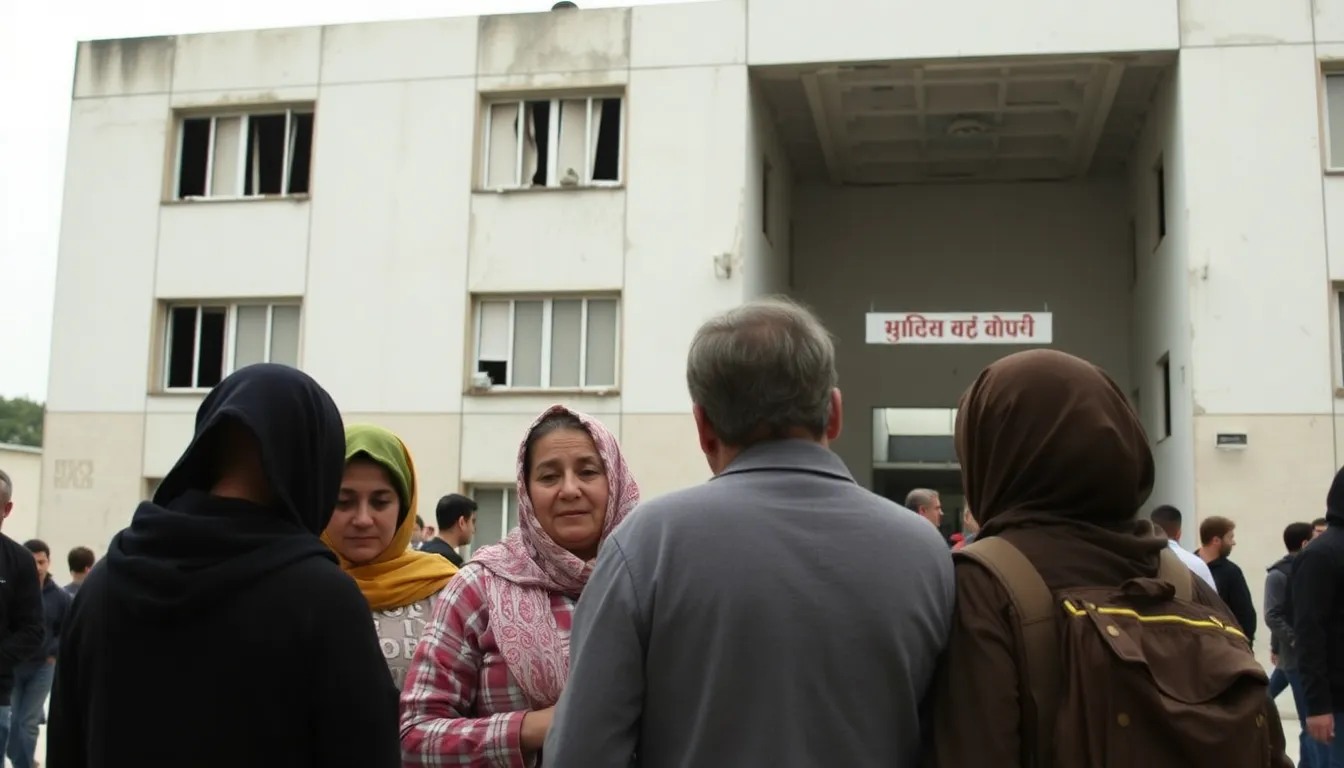
- Increased trauma and grief among families
- Strain on healthcare services and resources
- Potential shifts in government security policies
- Economic disruptions for local businesses
- Heightened demand for psychological support services
While the strike has brought significant risks, it may also present opportunities for community solidarity and resilience. Local organizations could mobilize to support families affected by the tragedy, fostering a sense of unity. Furthermore, the incident may spur international attention and aid, leading to increased funding for healthcare and community support initiatives in the region.
A: A tragic strike occurred at a hospital in Kabul during Eid celebrations, resulting in numerous casualties and leaving families searching for their loved ones. A: Families are experiencing immense grief and confusion as they try to locate missing relatives, with many expressing their sorrow and despair. A: Local authorities have condemned the attack and are working to provide support to affected families, though many are calling for more accountability. A: Yes, investigations are underway to determine the circumstances of the strike and to hold those responsible accountable. A: The community is in shock, with many holding vigils and gatherings to support those affected and to mourn the loss.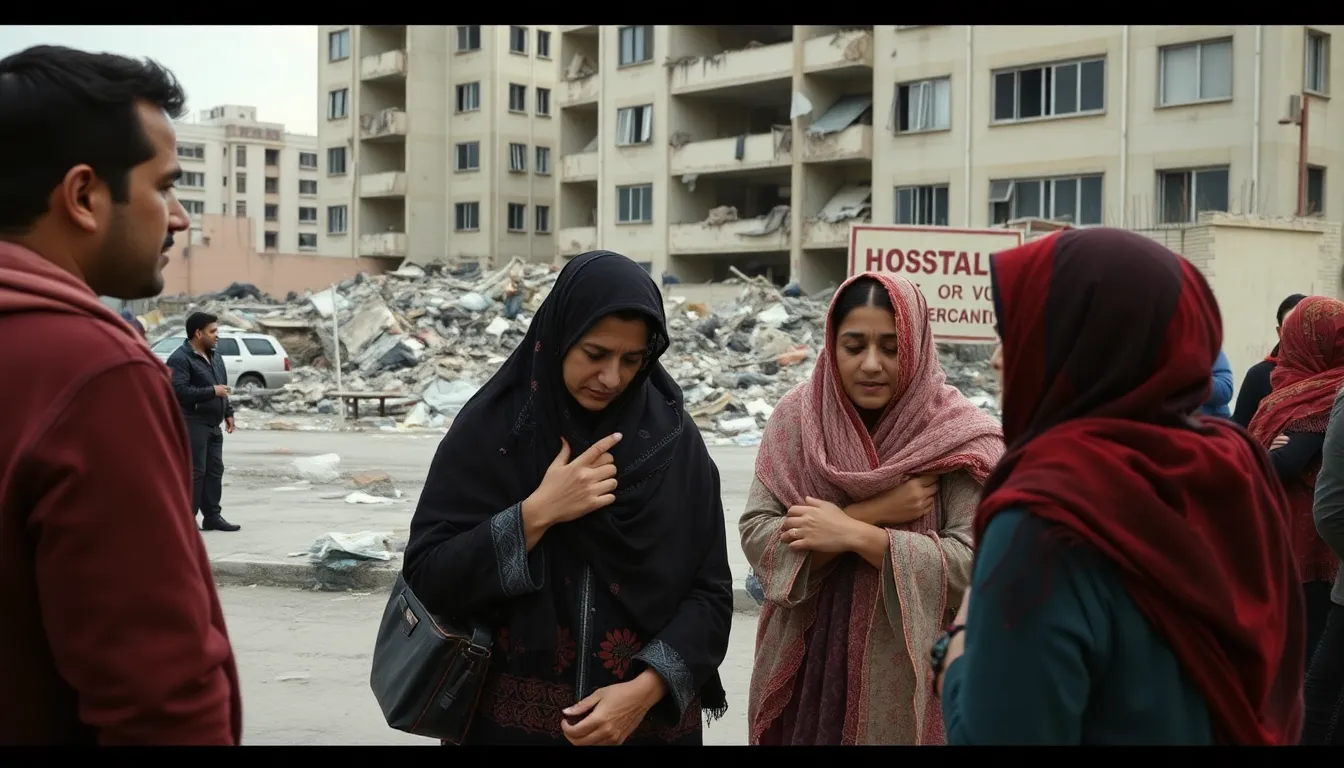
Frequently asked questions about the Kabul hospital strike
Looking ahead: key takeaways from the tragedy
The recent strike on a Kabul hospital during Eid has left families in mourning and raised significant concerns about safety and security in conflict zones. As the search for loved ones continues, the implications of this tragedy extend beyond immediate grief, highlighting the urgent need for humanitarian support and the protection of civilians in areas affected by violence.
In the aftermath, it is crucial to monitor the responses from both local and international communities, as well as the potential for increased instability in the region. The resilience of families and communities in the face of such loss will be a key factor in navigating the challenges ahead.
- Increased calls for international humanitarian aid to support affected families and communities.
- Heightened awareness of the need for protective measures for civilians in conflict zones.
- Potential shifts in public sentiment towards ongoing military operations and their impact on civilian safety.
- Emergence of grassroots movements advocating for peace and security in the region.
- Continued media attention on the plight of families searching for missing loved ones, influencing policy discussions.