



The Winter Egg, crafted in 1913, is one of only a few remaining Imperial eggs, originally made for the last Tsar of Russia, Nicholas II. Its intricate design and historical significance have made it a centerpiece of interest among art collectors, further driving up its value in the auction market. For more about the dynamics of luxury auctions, check out articles on the subject.
This sale not only underscores the enduring allure of Fabergé eggs but also highlights a growing trend in the luxury auction sector, where rare items are fetching unprecedented prices. The record-breaking sale signals a renewed interest in high-value collectibles, particularly those with rich histories and unique craftsmanship.
Industry experts believe that the successful auction reflects a broader economic trend, where affluent buyers are increasingly investing in tangible assets as a hedge against market volatility. As a result, the Fabergé Winter Egg’s sale sets a new benchmark, potentially influencing future auctions of similar rare artifacts.
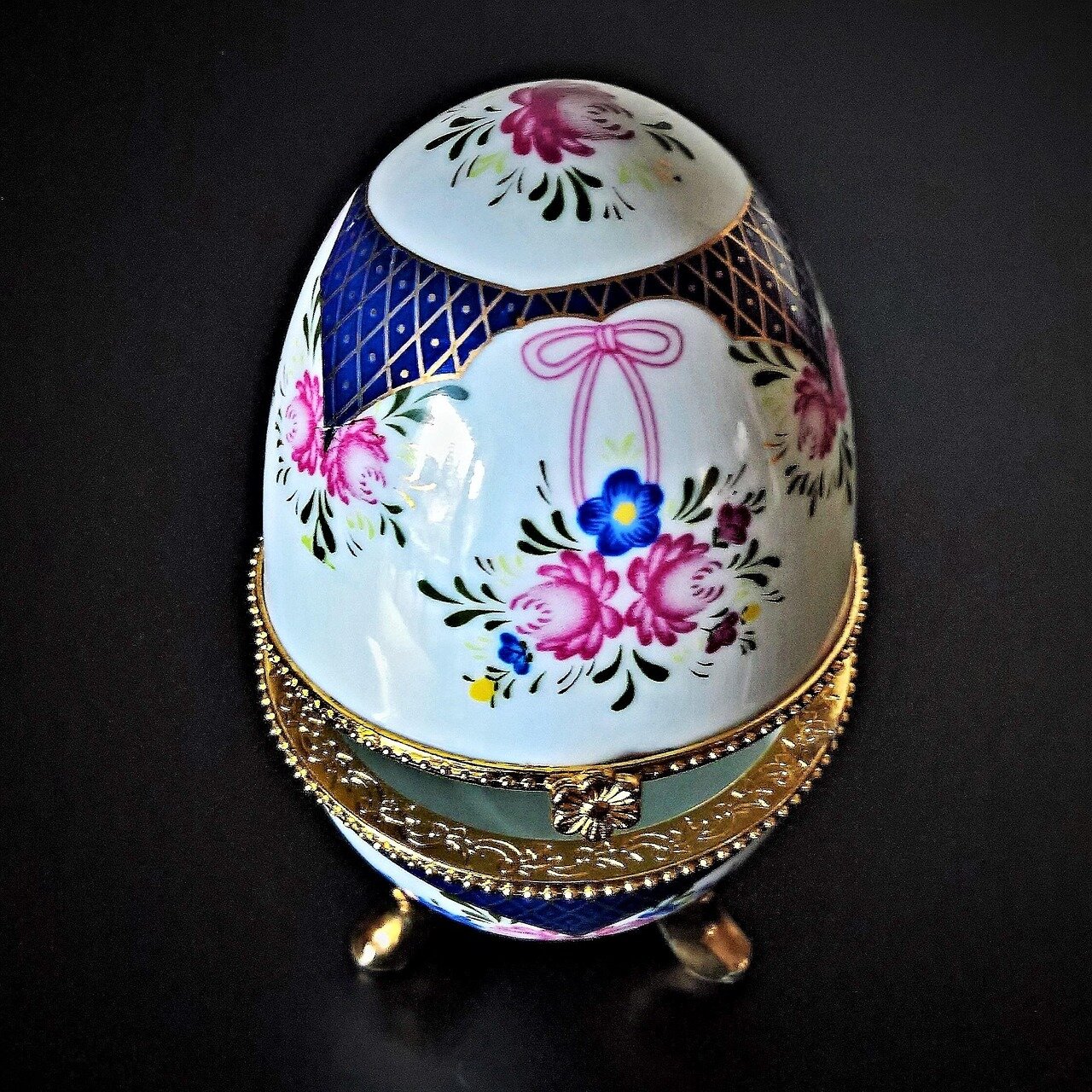
Understanding the significance of Fabergé eggs in art and culture
Fabergé eggs, intricately designed and crafted by the House of Fabergé, have long been regarded as masterpieces of decorative art. Originating in Russia in the late 19th century, these exquisite creations were commissioned by Tsar Alexander III as Easter gifts for his wife, Empress Maria Feodorovna. The first egg, known as the Imperial Egg, was unveiled in 1885 and set the stage for a series of annual creations that would captivate collectors and art enthusiasts alike.
The eggs are not merely ornamental; they symbolize the opulence of the Russian imperial court and the skilled craftsmanship of the artisans who created them. Each egg is unique, featuring hidden surprises, intricate designs, and a blend of precious materials, which contribute to their allure and value. The historical context surrounding these eggs is intertwined with the rise and fall of the Romanov dynasty, making them significant cultural artifacts that reflect a bygone era. You can explore similar cultural artifacts in our related articles.
In the aftermath of the Russian Revolution in 1917, many of the Fabergé eggs were lost, destroyed, or sold off, leading to a scarcity that only heightened their desirability among collectors. The eggs became emblematic of the tumultuous political changes in Russia, representing both the grandeur of the imperial past and the fragility of cultural heritage. As such, their value has only increased over the decades, with auction records consistently being broken as collectors vie for these rare treasures.
The Impact of Economic Factors on Collecting
The recent sale of a Fabergé Winter Egg for $30 million is not just a reflection of its artistic value but also indicative of broader economic trends in the art market. As global wealth has concentrated among a smaller elite, the demand for high-value collectibles has surged. This phenomenon has led to record-breaking auction prices, as seen in the case of the Winter Egg, which highlights the intersection of art, culture, and economics in today’s society, much like the rising popularity of free jazz.
Moreover, the rise of digital platforms for art sales and the increasing globalization of the art market have made it easier for collectors to participate in auctions, further driving up prices. The Fabergé Winter Egg’s sale exemplifies how historical significance, combined with modern economic dynamics, continues to shape the landscape of art collecting.
Key players and factors influencing the auction market for luxury collectibles
The recent sale of the Fabergé Winter Egg for $30 million has drawn attention to the intricate web of stakeholders involved in the luxury collectibles market. Key players include auction houses, collectors, investors, and art dealers, each with distinct interests that shape the dynamics of high-value auctions.
Auction houses like Sotheby’s and Christie’s play a pivotal role as facilitators of sales, often setting the stage for record-breaking transactions. Their interests lie in maximizing profits through commission fees and maintaining a reputation for handling prestigious items. The successful auction of the Winter Egg not only enhances their brand but also attracts future consignments of similarly valuable pieces.
Collectors, both private and institutional, are motivated by a desire to acquire unique artifacts that can serve as status symbols or investment opportunities. The allure of owning a piece of history, such as the Fabergé Egg, often leads to fierce bidding wars, reflecting the emotional and financial stakes involved. However, this can also create a bubble in pricing, raising concerns about the sustainability of the market.

Investors in luxury collectibles often view these items as alternative assets, diversifying their portfolios away from traditional investments. This trend has increased the intersection of finance and art, leading to a rise in speculation. However, it also introduces risks, as the value of collectibles can fluctuate dramatically based on market trends and economic conditions.
- Legal considerations: The provenance of high-value items is crucial, as disputes over ownership can lead to lengthy legal battles.
- Economic factors: Global economic conditions influence disposable income and investment trends, impacting the auction prices of luxury items.
- Market dynamics: The interplay between supply and demand can create volatility, with limited availability often driving prices higher.
- Technological advancements: The rise of online auctions and digital platforms has broadened access to the market, changing how collectors engage with luxury items.
- Cultural significance: The historical and artistic value of items like the Fabergé Egg can enhance their desirability, influencing bidding behavior.
The implications of this sale on the art market and collectors
The recent auction of the Fabergé Winter Egg for $30 million has significant implications for various groups, particularly collectors, investors, and the luxury goods market. High-profile sales like this often attract attention not just from art enthusiasts but also from wealthy individuals looking to diversify their investment portfolios. This sale reinforces the status of rare artifacts as viable investment options, potentially drawing new investors into the art market.
In the short term, the auction results could lead to increased activity in the high-end art market, as collectors may be motivated to acquire similar pieces, fearing that prices will continue to rise. This could benefit auction houses, galleries, and art dealers who specialize in rare items, resulting in a boost in sales and heightened competition among buyers. Additionally, the sale may prompt museums and cultural institutions to reassess their collections, leading to potential acquisitions or collaborations with private collectors.
In the mid-term, the impact of this sale could extend beyond the immediate art market. The luxury goods sector may experience a ripple effect, as the sale elevates the profile of collectible items. Businesses involved in high-end craftsmanship, such as jewelers and bespoke manufacturers, may see increased demand as consumers look for unique, luxury items to invest in. However, this trend could also exacerbate the already high prices of rare artifacts, potentially alienating new collectors and limiting access to a broader audience.
- Increased demand for collectible art: More buyers entering the market could drive prices higher.
- Heightened competition: Auction houses may see a surge in bidding wars for rare items.
- Potential for market volatility: Rapid price increases may lead to bubbles in certain segments of the art market.
- Opportunities for investment: New investors may consider art as a serious asset class.
While the sale of the Fabergé Winter Egg presents numerous opportunities, it also comes with risks. The potential for market volatility and the possibility of inflated valuations could deter some investors, while the exclusivity of high-value items may limit the growth of a more inclusive art market. As such, stakeholders in the art and luxury sectors will need to navigate these dynamics carefully to capitalize on the opportunities presented by this landmark sale.
A: A Fabergé egg is a jeweled egg created by the Russian jeweler Peter Carl Fabergé, known for its intricate designs and craftsmanship. A: The price reflects its rarity, historical significance, and the high demand for luxury collectibles among wealthy buyers. A: This sale surpasses previous records for Fabergé eggs, indicating a growing interest and investment in luxury art pieces. A: The identity of the buyer has not been disclosed, as is often the case in high-profile auctions. A: This sale is likely to encourage more auctions of luxury items, potentially driving prices higher in the collectible market.
Frequently asked questions about the Fabergé Winter Egg auction
Looking ahead: The future of luxury auction markets
The record-breaking sale of the Fabergé Winter Egg for $30 million not only highlights the enduring appeal of luxury collectibles but also signals a shift in the auction landscape. As high-net-worth individuals increasingly turn to unique assets as a hedge against economic uncertainty, the demand for rare items is likely to grow. This auction result may set a precedent for future sales, encouraging collectors to invest in historically significant pieces that offer both aesthetic value and potential financial appreciation.
Furthermore, the intersection of technology and traditional auction practices is expected to evolve. With the rise of online bidding platforms and virtual auctions, accessibility to luxury items will broaden, potentially attracting a new generation of collectors. As the market adapts to these changes, stakeholders should remain vigilant about emerging trends and the evolving preferences of affluent buyers.
- Monitor the impact of digital platforms on luxury auctions, as they may democratize access to high-value items.
- Watch for trends in buyer demographics, particularly the interests of younger collectors who may prioritize sustainability and provenance.
- Consider the implications of economic fluctuations on the luxury market, as collectors may seek tangible assets during uncertain times.
- Evaluate how historical significance and rarity will influence future valuations of luxury collectibles.
- Stay informed about the role of global markets in shaping auction dynamics, as international buyers become increasingly influential.