


The Welsh driver, competing for Toyota Gazoo Racing, showcased exceptional control and speed, finishing the rally with a total time of 2 hours, 57 minutes, and 28.6 seconds. His performance not only secured him the top spot in the championship standings but also highlighted his growing confidence and capabilities in winter conditions.
Evans’s victory at Rally Sweden is particularly important as it sets the tone for the upcoming events in the WRC calendar. With this win, he has amassed a total of 47 points, placing him ahead of other top contenders, including reigning champion Kalle Rovanperä and Ott Tänak.
The rally itself featured intense competition, with various teams and drivers vying for supremacy over the three-day event. Evans’s ability to navigate the icy roads effectively has not only earned him accolades but also increased expectations for his performance in the remainder of the season.
Understanding the significance of Rally Sweden in the WRC calendar
Rally Sweden holds a unique place in the World Rally Championship (WRC) as the only winter rally on the calendar, characterized by its snow and ice-covered stages. This challenging environment not only tests the drivers’ skills but also showcases the engineering prowess of the teams as they adapt their vehicles to handle extreme conditions. The rally has been a staple of the WRC since its inception in 1973, making it a significant event for both competitors and fans alike.
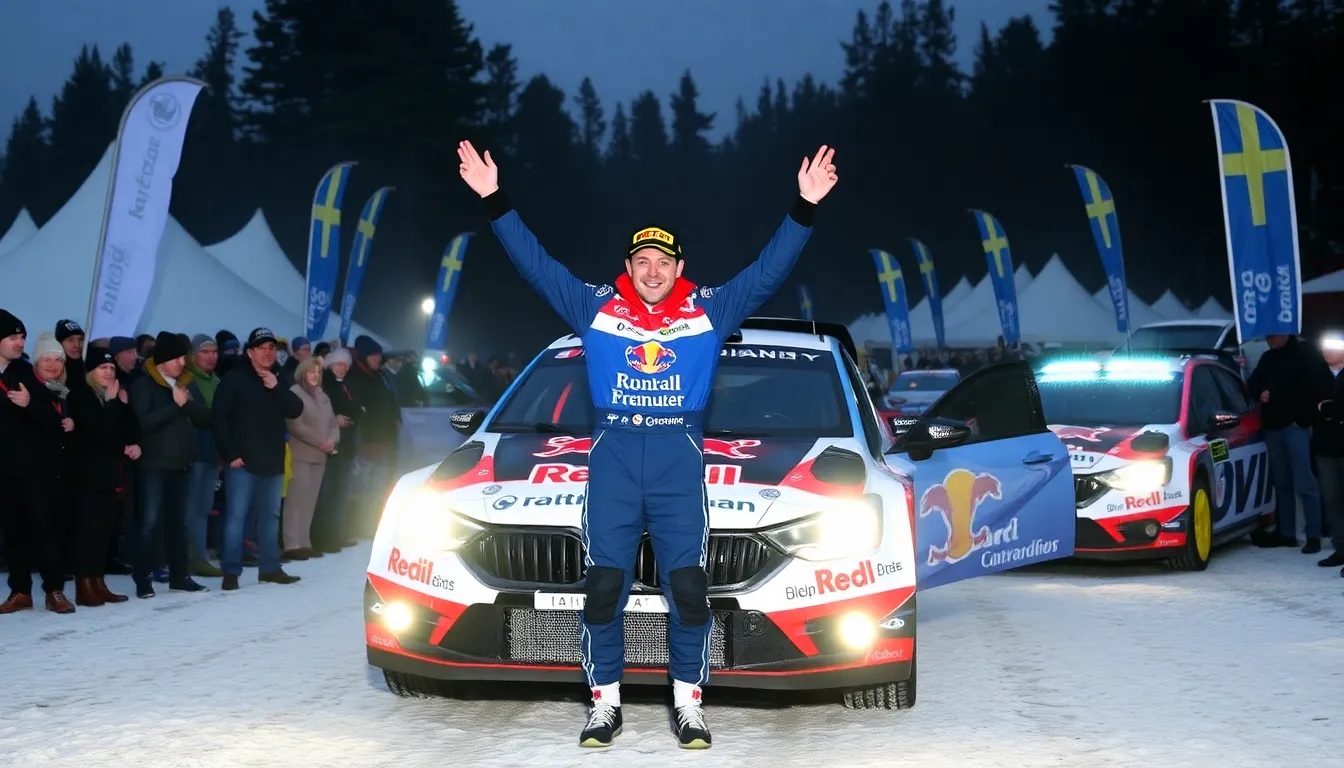
The historical context of Rally Sweden is intertwined with the evolution of rally racing itself. Initially, the event was a local competition, but its inclusion in the WRC in 1973 elevated its status internationally. Over the years, the rally has seen various changes in regulations and formats, reflecting the sport’s growth and the increasing competitiveness among teams. This evolution has helped to solidify Sweden’s reputation as a powerhouse in rallying, with numerous Swedish drivers achieving success on the global stage.
Key milestones in Rally Sweden’s history
Several key milestones have defined Rally Sweden’s journey within the WRC. For instance, in 1981, the rally became the first event in the championship to feature turbocharged cars, a significant technological advancement that changed the dynamics of rally racing. Additionally, the introduction of the Super Special Stage format in the early 2000s added a new layer of excitement, allowing fans to witness multiple cars racing simultaneously. These developments have not only enhanced the competitive nature of the event but have also attracted a broader audience.
Economically, Rally Sweden has contributed significantly to the local economy, drawing thousands of spectators each year. The influx of tourists during the rally period boosts local businesses, from hotels to restaurants, creating a vibrant atmosphere that celebrates motorsport culture. Furthermore, the event has become a platform for promoting Sweden as a winter sports destination, showcasing the country’s stunning landscapes and winter activities.
As the WRC continues to evolve, Rally Sweden remains a critical benchmark for drivers and teams alike. The recent victory by Evans not only highlights his skill and determination but also underscores the intense competition within the sport. With each passing year, the rally’s legacy grows, cementing its importance in the hearts of motorsport enthusiasts around the world.
Key factors that contributed to Evans’ victory
Elfyn Evans’ recent triumph at Rally Sweden has not only propelled him to the forefront of the World Rally Championship (WRC) standings but also highlighted the intricate dynamics among various stakeholders in the motorsport arena. Key actors include the drivers, their respective teams, sponsors, and the governing body of the sport, the Fédération Internationale de l’Automobile (FIA).
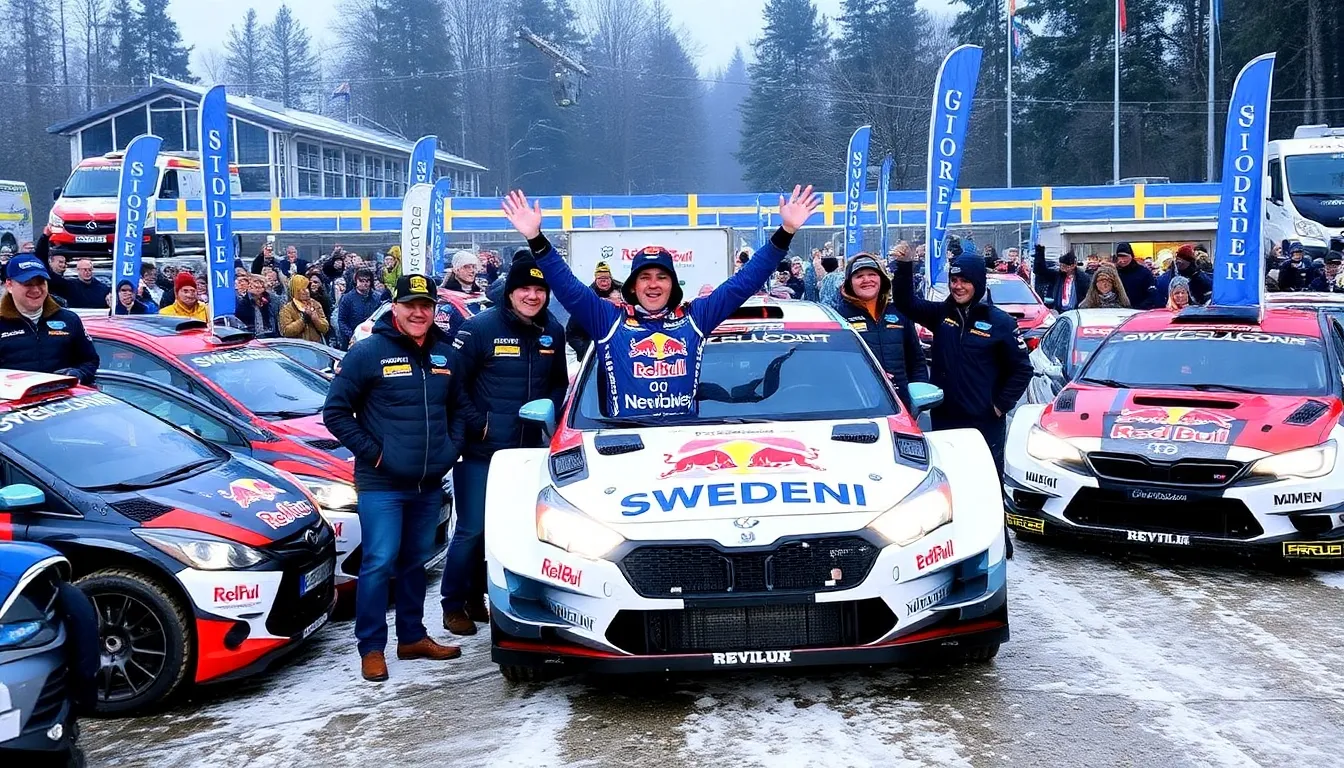
One of the primary interests of the drivers, including Evans, is to secure both personal and team success, which directly influences their marketability and future sponsorship opportunities. Teams such as Toyota Gazoo Racing, which Evans represents, are similarly invested in achieving podium finishes to attract and retain sponsors, as well as to enhance their brand reputation within the competitive motorsport landscape.
Moreover, the FIA plays a crucial role in regulating the sport, ensuring fair competition while also addressing safety and environmental concerns. The organization’s regulations can impact team strategies and vehicle performance, leading to potential conflicts between teams aiming for competitive advantages and the FIA’s mandate to maintain a level playing field.
- Driver Interests: Personal success and securing sponsorships.
- Team Objectives: Achieving podium finishes to enhance brand reputation.
- Regulatory Challenges: Balancing competitive integrity with safety and environmental standards.
- Sponsor Expectations: Visibility and performance in high-stakes events.
- Fan Engagement: Maintaining interest and support for the sport through thrilling performances.
Conflicts may arise, particularly when teams feel that regulatory changes favor certain competitors or when safety measures are perceived to hinder performance. Additionally, as the sport evolves, economic issues such as the rising costs of participation and the need for sustainable practices can lead to trade-offs that impact the future of WRC.
How this victory affects the WRC standings and competitors
Evans’ recent victory at Rally Sweden has significant implications for various stakeholders in the World Rally Championship (WRC). Competitors, teams, sponsors, and fans are all affected by the shifting dynamics in the standings. With Evans taking the lead, rival drivers and their teams will need to reassess their strategies and performance to regain competitive ground.
The immediate impact on competitors is palpable, as Evans’ success could lead to increased pressure on his rivals, particularly those who have struggled in recent events. Teams may need to invest more in their cars and technology to keep pace, potentially increasing operational costs. This heightened competition can lead to a more thrilling season, but it also poses risks for teams that may not have the resources to adapt quickly.
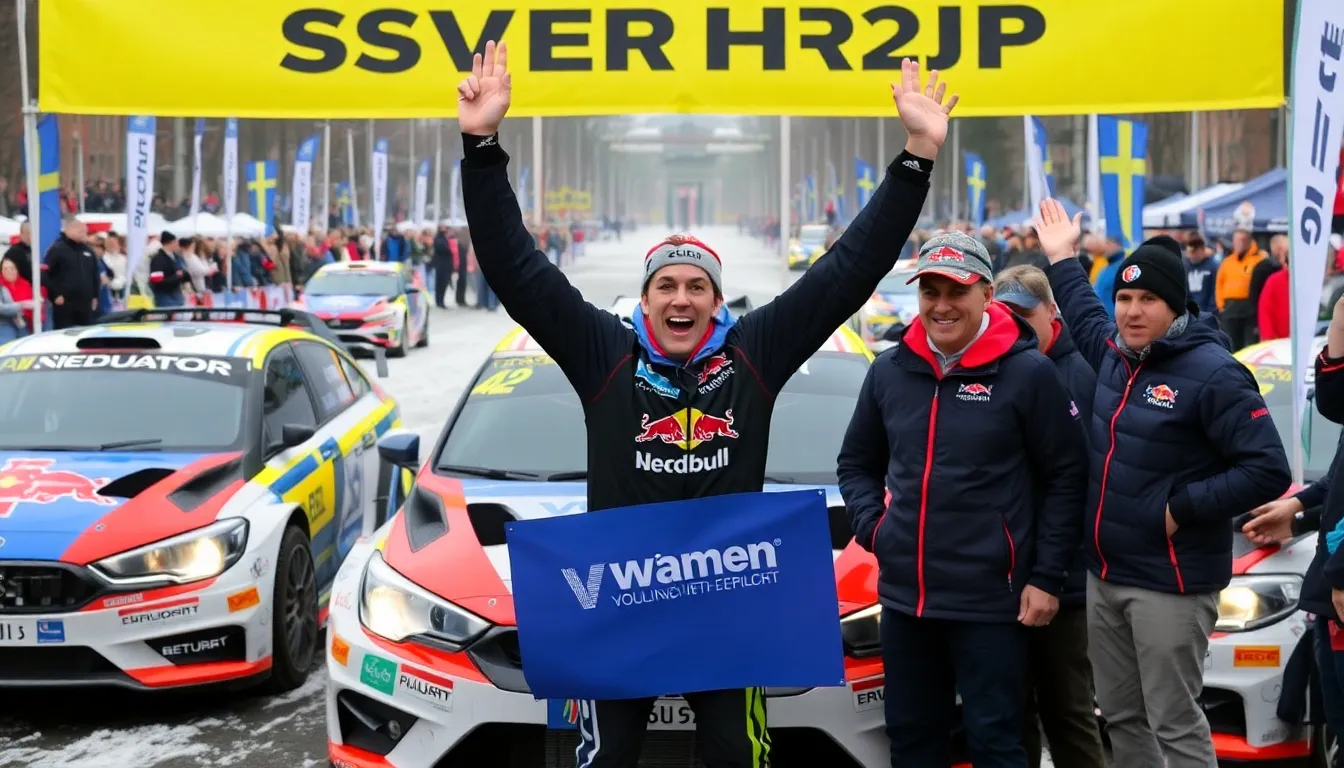
In the mid-term, the victory could influence sponsorship deals and partnerships within the WRC. Brands looking to associate with winning teams may see an opportunity to invest in Evans’ team, while those aligned with competitors may need to reevaluate their commitments. Additionally, fan engagement may increase as Evans’ success draws more attention to the championship, potentially boosting ticket sales and merchandise revenue.
- Competitors: Increased pressure and need for strategic adjustments.
- Sponsors: Potential shifts in investment and partnership opportunities.
- Fans: Heightened interest leading to increased engagement and revenue.
However, there are inherent risks involved. Teams that fail to keep up with the evolving landscape may find themselves at a disadvantage, leading to a possible decline in performance and visibility. Additionally, the focus on a single driver could overshadow other talented competitors, impacting their marketability and sponsorship potential. Balancing these dynamics will be crucial for all parties involved in the WRC as the season progresses.
A: This victory positions Elfyn Evans as a strong contender for the WRC title, boosting his confidence and momentum for upcoming rallies. A: The weather conditions during Rally Sweden were challenging, with snow and ice affecting traction, which made Evans’ performance even more impressive. A: Key competitors included drivers like Thierry Neuville and Sebastien Ogier, who both pushed Evans but ultimately fell short. A: With this win, Evans has taken the lead in the overall WRC standings, putting pressure on his rivals as the season progresses. A: Evans utilized a combination of precise driving, effective tire choices, and smart pace management to navigate the tricky stages successfully.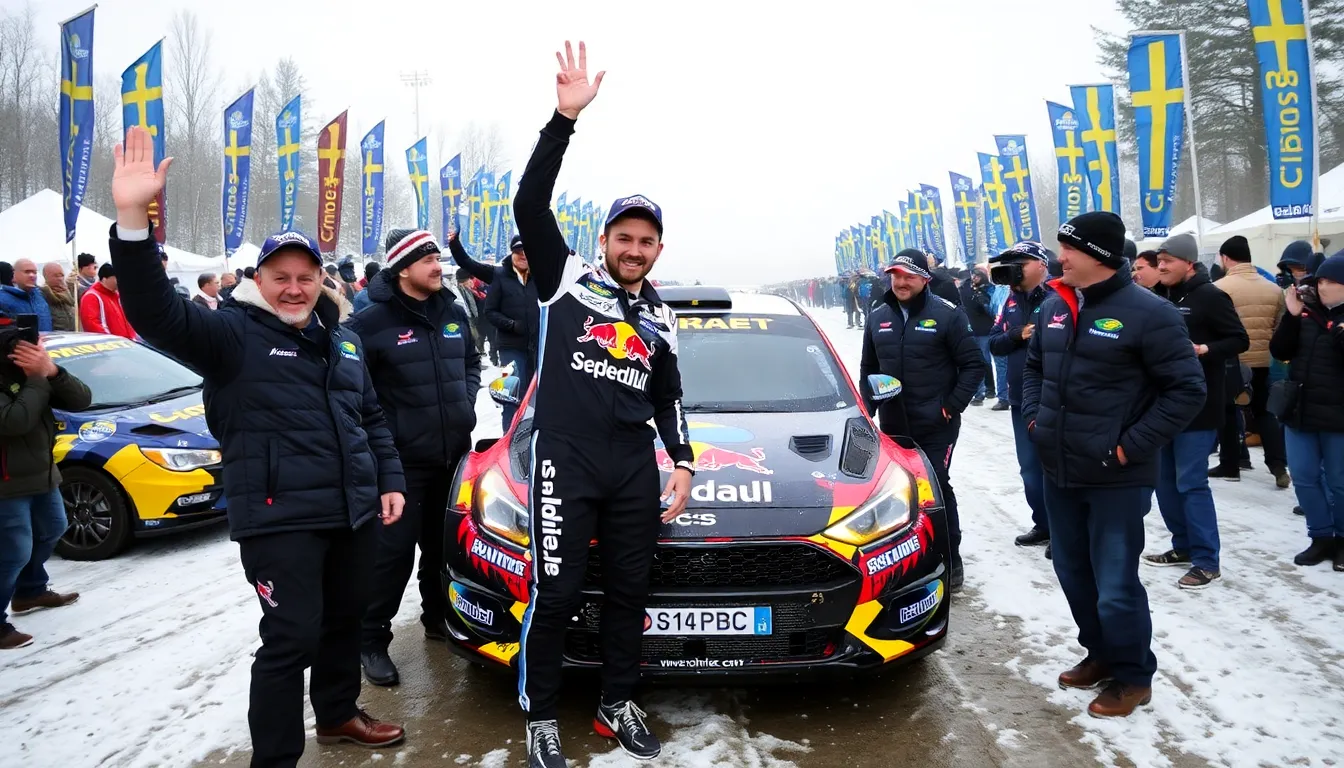
Frequently asked questions about Evans’ victory
Looking ahead: What this means for the rest of the WRC season
Evans’ victory at Rally Sweden not only places him at the forefront of the World Rally Championship standings but also signals a potential shift in the competitive landscape of the series. With the momentum gained from this win, Evans may become a formidable contender as the season progresses. Teams will need to reassess their strategies to counteract his growing confidence and the performance of his vehicle.
As the championship moves to different terrains and conditions, the adaptability of drivers and their teams will be crucial. Evans’ ability to maintain this lead will depend on consistent performance and overcoming the varied challenges each rally presents. Observers should keep an eye on how rivals respond and whether they can close the gap in upcoming events.
- Evans’ win could boost his team’s morale and resources, impacting future rallies positively.
- Rival teams may need to innovate their strategies to regain competitiveness against Evans.
- Upcoming rallies will test the durability and adaptability of both vehicles and drivers.
- Fan engagement and interest may increase as Evans solidifies his position as a title contender.
- Weather conditions and terrain variations will play a significant role in shaping the championship narrative.